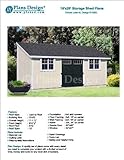
So, you’re ready to build a lean-to shed, and you’re staring at the roof, wondering where to even begin? Framing a lean-to shed roof can seem daunting, but with the right knowledge and a bit of elbow grease, you can absolutely do it yourself. This guide will walk you through the entire process, from planning to the final nail, ensuring a sturdy and weather-resistant roof. We’ll break down each step, making it easy to understand, even if you’re a beginner.
We’ll cover everything from calculating angles and choosing materials to the actual framing process. Plus, we’ll address common questions and potential pitfalls to help you avoid mistakes. Get ready to transform that pile of lumber into a functional and attractive shed roof! Let’s get started.
Planning and Preparation: The Foundation of a Great Roof
Before you even think about picking up a hammer, proper planning is essential. This stage sets the groundwork for a successful project and helps prevent costly errors down the line. We will break down the crucial steps.
1. Design and Measurements
First, determine the size and dimensions of your shed. This includes the length and width of the roof. Then, you’ll need to decide on the roof pitch (the slope of the roof). The pitch is typically expressed as a ratio (e.g., 4/12, meaning for every 12 inches of horizontal run, the roof rises 4 inches). This determines how quickly water will drain and how much snow the roof can handle. Consider local building codes, which often dictate minimum roof pitches. A steeper pitch generally sheds water and snow more effectively, but it also requires more materials and labor.
Also, think about the overhang. The overhang is the portion of the roof that extends beyond the shed’s walls. This protects the walls from rain and sun damage. A common overhang is 6-12 inches, but the best size depends on your location and the local weather. Sketch a detailed plan, including all measurements and angles. This plan will be your roadmap during construction.
2. Material Selection
Choosing the right materials is critical for the roof’s longevity and performance. Here’s a breakdown of the key components:
- Rafters: These are the angled supports that form the roof’s framework. They’re typically made of dimensional lumber, such as 2x4s, 2x6s, or even larger, depending on the span and the snow load in your area. The span is the distance between the supporting walls. Consider the distance between rafters (rafter spacing) – usually 16 or 24 inches on center (OC).
- Ledger Board: This horizontal board is attached to the shed’s existing wall, providing support for the rafters.
- Ridge Beam (Optional): If your shed is wide, you might need a ridge beam to support the rafters at their highest point. This is especially true for longer spans.
- Sheathing: This is the layer of plywood or OSB (oriented strand board) that covers the rafters, creating a solid surface for the roofing material.
- Roofing Material: This could be asphalt shingles, metal roofing, or another material. Select a roofing material that is suitable for your climate and budget. Consider the lifespan, cost, and appearance.
- Fasteners: Nails, screws, and other fasteners are essential for securing all the components. Use exterior-grade fasteners to prevent rust and corrosion.
3. Calculating Rafter Length and Angle
Calculating the correct rafter length and angle is key to a properly sloped roof. Here’s how to do it:
- Determine the Run: The run is the horizontal distance from the shed’s wall to the edge of the roof. This is half the width of your shed, plus the overhang.
- Determine the Rise: The rise is the vertical distance from the shed’s wall to the highest point of the roof. Use the roof pitch to calculate the rise. For example, with a 4/12 pitch, for every 12 inches of run, the roof rises 4 inches.
- Calculate the Rafter Length: Using the Pythagorean theorem (a² + b² = c²), where ‘a’ is the run, ‘b’ is the rise, and ‘c’ is the rafter length. Alternatively, you can use a rafter calculator or a construction calculator.
- Calculate the Rafter Angle: This is the angle at which you’ll cut the rafters. You can use a protractor, a speed square, or a construction calculator to determine this angle.
It’s always a good idea to cut a sample rafter (a ‘test cut’) and check its fit before cutting all the rafters. This helps to ensure accuracy and prevent wasting materials. (See Also: How to Insulate a Shed Roof From the Inside: A Step-by-Step Guide)
4. Gathering Tools and Safety Gear
Having the right tools and equipment makes the job much easier and safer. You’ll need:
- Measuring tape
- Level
- Speed square (or a combination square)
- Circular saw (or a handsaw)
- Drill/driver
- Hammer
- Safety glasses
- Work gloves
- Hearing protection
- Ladder
- Pencil
- Chalk line
Safety First! Always wear safety glasses and hearing protection when working with power tools. Use work gloves to protect your hands. Ensure that your ladder is stable and placed on a level surface. Never work alone, and take breaks when needed.
Framing the Roof: Step-by-Step Instructions
With the planning and preparation complete, it’s time to start framing the roof. This process involves several key steps.
1. Installing the Ledger Board
The ledger board is crucial, as it provides support for the rafters. Here’s how to install it:
- Locate and Mark: Determine the desired height of the ledger board on the shed’s existing wall. This height will depend on your desired roof pitch and the overall height of your shed. Use a level to ensure the mark is perfectly horizontal.
- Attach the Ledger Board: Securely attach the ledger board to the wall using appropriate fasteners (lag screws or bolts). Ensure the fasteners penetrate the wall framing. Use washers under the heads of the fasteners for added stability. Make sure the ledger board is level!
- Check for Level: Recheck the ledger board with a level to confirm it is perfectly horizontal. Any deviation will affect the roof’s slope.
2. Cutting and Installing the Rafters
This is the core of the framing process.
- Cut the Rafters: Using your measurements and angles, carefully cut the rafters. Use a circular saw to make clean, accurate cuts. Remember to cut a bird’s mouth (a notch at the bottom of the rafter) to allow it to sit flush on the ledger board and/or the shed wall.
- Install the First Rafter: Position the first rafter against the ledger board and the opposite wall. Ensure it’s plumb (perfectly vertical) using a level.
- Space the Rafters: Use the rafter spacing you determined earlier (e.g., 16 or 24 inches OC) and mark the locations for the remaining rafters on the ledger board and the shed wall.
- Install the Remaining Rafters: Attach the remaining rafters, ensuring they are aligned with the marks and plumb. Use nails or screws to secure them to the ledger board and the wall.
- Check for Alignment: Regularly check that the rafters are aligned and that the roof has the correct pitch.
3. Installing the Ridge Beam (if Needed)
For wider sheds, you might need a ridge beam. Follow these steps:
- Determine the Ridge Beam Height: Calculate the height of the ridge beam based on your roof pitch and the rafter length.
- Install Support Posts: Place vertical support posts under the ridge beam, spaced appropriately to support the load.
- Position and Secure the Ridge Beam: Place the ridge beam on top of the support posts and secure it with nails or screws.
- Attach Rafters to Ridge Beam: Fasten the rafters to the ridge beam, ensuring they are correctly aligned.
4. Sheathing the Roof
Sheathing creates a solid surface for the roofing material. Here’s the process: (See Also: How to Run Electrical Wire to a Shed: A Diy Guide (safe & Easy!))
- Cut the Sheathing: Measure and cut the sheathing panels (plywood or OSB) to fit the roof.
- Attach the Sheathing: Secure the sheathing to the rafters using nails or screws, following the manufacturer’s recommendations. Ensure the edges of the sheathing panels are supported by the rafters. Stagger the joints to provide additional strength.
- Check for Flushness: Ensure that the sheathing is flush with the rafters and that there are no gaps or uneven surfaces.
5. Adding the Overhang
The overhang protects the walls. There are two primary methods for creating an overhang:
- Extending the Rafters: The rafters are simply cut longer to extend beyond the shed walls.
- Using a Fascia Board: A fascia board is attached to the ends of the rafters.
For extending the rafters, simply measure and cut the rafters to the desired overhang length before installation. For a fascia board, install the fascia board after the rafters are in place, attaching it to the ends of the rafters. Ensure the fascia board is level and securely fastened.
Addressing Common Problems and Questions
Framing a shed roof can present some challenges. Here are some common problems and how to solve them, along with answers to frequently asked questions.
1. Rafters Not Aligning Correctly
If your rafters don’t align, it can create an uneven roof surface. Here’s how to fix it:
- Check the Ledger Board: Ensure the ledger board is level.
- Double-Check Measurements: Remeasure the rafter lengths and angles.
- Use a Chalk Line: Snap a chalk line across the tops of the rafters to ensure they are aligned.
- Shim if Necessary: Use shims to level any uneven rafters.
2. Water Leaks
Water leaks can damage your shed. Here’s how to prevent them:
- Proper Overlap: Ensure the roofing material overlaps correctly.
- Seal Around Penetrations: Seal around any pipes or vents that pass through the roof.
- Inspect Regularly: Regularly inspect your roof for damage and leaks.
3. What If My Shed Is Not Perfectly Square?
If your shed isn’t square, the framing process can be a bit more challenging. Measure the diagonals of the shed to ensure they are equal. If they are not, you might need to adjust the framing to compensate. Consider consulting with a professional if you’re unsure how to proceed.
4. How to Deal with Wind
Strong winds can damage a shed roof. Here’s how to make your roof more wind-resistant: (See Also: Build Your Own Wooden Garden Shed: A Step-by-Step Guide)
- Use Hurricane Ties: Install hurricane ties to connect the rafters to the walls securely.
- Choose Wind-Rated Roofing: Select roofing material that is rated for high winds.
- Ensure Proper Fastening: Use the correct fasteners and follow the manufacturer’s instructions.
5. Can I Build a Lean-to Roof on an Existing Structure?
Yes, you can often build a lean-to roof on an existing structure, such as a house or a garage. The process is similar, but you’ll need to adapt the framing to fit the existing structure. Ensure that the existing structure can support the added weight of the roof. Consult with a professional if you have any doubts.
6. How Do I Handle Electrical Wiring in the Shed?
If you plan to have electricity in your shed, you’ll need to run electrical wiring. This should be done according to local building codes. It’s often best to hire a qualified electrician to handle this task.
7. What Is the Best Material for Sheathing?
Plywood and OSB (Oriented Strand Board) are the most common materials for sheathing. Plywood is generally considered more durable and water-resistant. OSB is often more affordable. Choose the material that best suits your budget and the specific requirements of your project.
8. How to Choose Roofing Material?
The best roofing material depends on several factors, including your budget, climate, and the shed’s intended use. Asphalt shingles are a popular and affordable option. Metal roofing is more durable and long-lasting, but it can be more expensive. Consider the lifespan, appearance, and maintenance requirements of each material before making your decision.
9. How to Maintain a Lean-to Shed Roof?
Regular maintenance can extend the life of your shed roof. Here are some tips:
- Inspect Regularly: Check for any damage, such as missing shingles or cracks.
- Clean Debris: Remove leaves, branches, and other debris from the roof.
- Trim Overhanging Branches: Trim any tree branches that could fall on the roof.
- Repair Damage Promptly: Address any damage as soon as possible to prevent further issues.
Final Verdict
Framing a lean-to shed roof is a rewarding project that can significantly enhance your property. By following these steps and paying close attention to detail, you can create a sturdy, weather-resistant roof that will protect your belongings for years to come. Remember to prioritize safety and take your time. You now have the knowledge to complete the framing process. Good luck!
Recommended Products