You’ve just laid down that beautiful new sod or sown those promising grass seeds. The anticipation of a lush, green carpet is palpable! But a new lawn is like a newborn baby – it needs the right nourishment to thrive. Without proper feeding, your efforts could go to waste, leaving you with patchy, weak grass instead of the vibrant lawn you dreamed of.
So, how do you give your new turf the best possible start? The answer lies in understanding the specific needs of young grass and applying the right kind of fertilizer at the right time. It’s not as complicated as it might seem, and getting it right from the beginning sets the stage for years of healthy growth and a lawn you’ll be proud of.
The Crucial Role of Fertilization for New Lawns
Starting a new lawn is an exciting project, and the temptation is to see it grow as quickly as possible. Fertilization is a cornerstone of this process, providing the essential nutrients that young grass needs to establish a strong root system and develop dense, healthy blades. Think of it as a vital energy boost for your turf’s initial growth spurt.
Why is fertilizing a new lawn different? New grass has different needs than an established lawn. It’s focused on developing its root structure and overcoming the stress of being newly planted or laid. Over-fertilizing or using the wrong type of fertilizer can actually harm delicate seedlings or young sod, hindering their progress rather than helping it. We need to be gentle yet effective.
Understanding Fertilizer Numbers: The N-P-K Explained
You’ve probably seen bags of fertilizer with three numbers, like 10-10-10 or 20-5-10. These are the N-P-K ratios, representing the percentage by weight of three primary macronutrients:
- N (Nitrogen): This is the workhorse for leafy green growth. It promotes vigorous blade development, giving your lawn that rich, green color. For new lawns, a moderate amount of nitrogen is key to encourage initial top growth without overwhelming the young plants.
- P (Phosphorus): This nutrient is critical for root development. Strong roots anchor the grass, help it absorb water and nutrients, and make it more resilient to stress like drought and disease. A starter fertilizer, specifically designed for new lawns, will often have a higher phosphorus content.
- K (Potassium): This is the ‘all-around’ nutrient. Potassium helps with overall plant health, disease resistance, drought tolerance, and stress management. It strengthens the grass and helps it withstand the rigors of its early life.
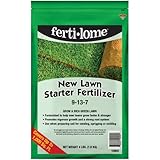
For new lawns, the ideal fertilizer is often referred to as a ‘starter fertilizer.’ These typically have a higher middle number (Phosphorus) to promote robust root growth. Look for ratios like 10-20-10, 18-24-12, or similar formulations. Avoid high-nitrogen fertilizers initially, as they can promote weak, spindly growth that’s susceptible to damage.
When to Fertilize Your New Lawn
Timing is everything when it comes to fertilizing new grass. You don’t want to fertilize too early, or you risk burning the delicate seedlings or roots. Conversely, waiting too long can mean missed opportunities for crucial early development.
Fertilizing Seeded Lawns
If you’ve sown grass seed, the fertilization schedule is a bit more nuanced: (See Also: Unlock More Power: How to Remove the Governor on a Riding…)
- Before Seeding (Optional but Recommended): While not strictly fertilizing the ‘new’ lawn, incorporating a starter fertilizer into the soil before you sow your seeds can give them a significant advantage. Till a starter fertilizer (high in phosphorus) into the top 4-6 inches of soil. This ensures the nutrients are readily available as soon as the seeds germinate.
- First Fertilization (After Germination): Wait until your grass seedlings have emerged and have been mowed at least once or twice. This usually takes about 4-6 weeks after germination. At this point, the grass is strong enough to benefit from a light feeding. Use a starter fertilizer with a balanced N-P-K ratio or one slightly higher in nitrogen than phosphorus, but still with a good phosphorus component. Follow the application rates on the fertilizer bag precisely.
- Subsequent Fertilizations: Continue fertilizing every 6-8 weeks with a balanced fertilizer or one appropriate for the season, adjusting based on your grass type.
Fertilizing Sodded Lawns
Sod offers a more immediate lawn, but it still needs nourishment to knit its roots into the soil:
- Within 24-48 Hours of Installation: This is the golden window. Apply a starter fertilizer specifically formulated for sod or new lawns immediately after laying the sod. This encourages the sod to ‘knit’ or root into the underlying soil quickly. Ensure the fertilizer is watered in thoroughly immediately after application to prevent burning the sod.
- 4-6 Weeks Later: Once the sod has established (you’ll notice it’s difficult to lift a corner), you can apply another light feeding of a starter fertilizer or a balanced lawn fertilizer. This reinforces root development and promotes healthy top growth.
- Ongoing Care: After these initial feedings, you can transition to a regular fertilization schedule based on your grass type and the season, typically every 6-8 weeks.
Choosing the Right Fertilizer Product
Navigating the fertilizer aisle can be overwhelming. Here’s what to look for:
Starter Fertilizers
As mentioned, these are your best friends for new lawns. They are specifically designed with a higher phosphorus content to promote aggressive root growth. Look for bags clearly labeled ‘Starter Fertilizer’ or those with a high middle number in their N-P-K ratio.
Slow-Release vs. Quick-Release Fertilizers
For new lawns, slow-release nitrogen is generally preferred. This means the nitrogen is released gradually into the soil over several weeks. This provides a steady supply of nutrients without the risk of a sudden surge that can burn delicate grass or lead to excessive, weak top growth. Quick-release fertilizers can give a fast green-up but are more prone to burning and require more frequent application.
Organic vs. Synthetic Fertilizers
Both can be effective, but they work differently:
- Synthetic Fertilizers: These are chemically manufactured and provide nutrients in a readily available form. They are typically faster-acting and more precise in their nutrient content. However, they can be more prone to leaching (washing away) and can potentially harm beneficial soil microbes if overused.
- Organic Fertilizers: Derived from natural sources like compost, manure, bone meal, or fish emulsion, these fertilizers release nutrients slowly as they decompose. They also improve soil structure and feed beneficial microorganisms. While slower to show results, they offer a more sustainable and gentler approach to feeding your lawn. For new lawns, organic options can be a great way to build soil health from the ground up.
Recommendation for New Lawns: A high-quality starter fertilizer, whether synthetic or organic, is your best bet. If opting for synthetic, ensure it contains a significant portion of slow-release nitrogen. If going organic, choose a product rich in compost or aged manure.
How to Apply Fertilizer to Your New Lawn
Correct application is as important as choosing the right fertilizer. Incorrect application can lead to uneven growth, burning, or wasted product. (See Also: Husqvarna Lawn Mower How to Start: Your Step-by-Step Guide)
1. Calculate the Area
Before you buy, measure the square footage of your lawn. This will tell you how much fertilizer you need. Most fertilizer bags will state how many square feet a bag covers. For example, a 20 lb bag might cover 5,000 sq ft.
2. Choose Your Spreader
There are two main types of spreaders:
- Broadcast (Rotary) Spreaders: These are wheel-mounted and cast fertilizer out in a circular pattern. They are good for covering large areas quickly.
- Drop Spreaders: These drop fertilizer directly in front of the spreader in a narrow band. They offer more precision for edging and smaller areas but can be slower for large lawns.
For new lawns, precision is key. A drop spreader can be helpful along the edges to avoid fertilizing sidewalks or garden beds. However, for overall even coverage, a broadcast spreader is often more efficient. Ensure your spreader is calibrated correctly according to the fertilizer manufacturer’s instructions.
3. Read the Fertilizer Label
This is non-negotiable! The label will tell you:
- The recommended application rate (how much to apply per 1,000 sq ft).
- The spreader settings for that particular fertilizer.
- Any specific instructions or warnings.
4. Calibrate Your Spreader
Most fertilizer bags will have suggested settings for common spreader models. It’s a good idea to test your spreader’s calibration before you start. Some manufacturers provide instructions on how to do this. A little calibration goes a long way to ensure even application.
5. Apply Evenly
This is where most people go wrong. To achieve even coverage:
- Apply half the recommended rate in one direction (e.g., north to south).
- Then, apply the other half of the recommended rate at a 90-degree angle (e.g., east to west).
This crisscross pattern helps ensure that no spots are missed and no areas are over-fertilized. Start at the edge of your lawn and work your way across, overlapping slightly with each pass. (See Also: How to Remove Pulley From Lawn Mower Engine: Easy Guide)
6. Avoid Overlap and Missed Spots
Pay close attention to where you’ve already applied fertilizer. Turn the spreader off when you reach the edge of the lawn or when you stop moving to avoid doubling up or leaving bare patches. For broadcast spreaders, it’s often recommended to close the hopper when turning.
7. Water It In
This is a critical step, especially for new lawns. As soon as you’re finished fertilizing, water your lawn thoroughly. This:
- Helps the fertilizer dissolve and move into the soil where the roots can access it.
- Washes any fertilizer granules off the grass blades, preventing potential burning.
- Helps the nutrients start working their magic.
Aim for about 0.5 inches of water. If you’ve just laid sod, this watering is already part of the sod installation process.
Common Mistakes to Avoid
Even with the best intentions, new lawn owners can make a few common mistakes. Knowing these can save you a lot of heartache:
- Over-fertilizing: Applying too much fertilizer, especially high-nitrogen types, can burn the delicate roots and shoots of new grass, leading to yellowing or dead patches. Always follow the recommended rates.
- Fertilizing Too Early: Applying fertilizer before the grass is established enough to use it can lead to nutrient loss and potential damage. Patience is key!
- Using the Wrong Type of Fertilizer: Opting for a general-purpose or high-nitrogen fertilizer instead of a starter fertilizer can hinder root development.
- Uneven Application: This results in a patchy lawn with some areas growing much faster than others. Proper spreader use and technique are vital.
- Not Watering In: Fertilizer granules sitting on grass blades can cause burns. Watering them in ensures they reach the soil and roots.
- Fertilizing During Extreme Heat or Drought: New grass is already stressed in these conditions. Adding fertilizer can exacerbate the problem. Wait for cooler temperatures and adequate moisture.
Long-Term Lawn Health
Once your new lawn is established (typically after its first year), you can transition to a more standard fertilization schedule. This usually involves fertilizing 3-4 times per year, tailored to your specific grass type and local climate. Continue to use a balanced fertilizer, and consider a soil test every few years to understand your soil’s specific nutrient needs.
Building a healthy lawn is a journey, and the initial fertilization is a crucial step in setting that journey on the right path. By understanding the needs of young grass and applying the right nutrients at the right time, you’re well on your way to achieving that dream lawn.
Conclusion
Fertilizing your new lawn is a foundational step towards achieving a lush, vibrant green space. By selecting a starter fertilizer rich in phosphorus, timing your applications correctly after germination or sod installation, and applying it evenly with a calibrated spreader, you provide your young grass with the essential nutrients it needs to thrive. Remember to water thoroughly after each application and avoid common pitfalls like over-fertilizing or using the wrong product. A little care and attention now will pay dividends for years to come, transforming your new lawn into a beautiful, healthy oasis.
Recommended Products