So, your shed roof is leaking, and you’re thinking about tackling the repairs yourself? You’re in the right place! Leaky sheds are a common headache, but the good news is, learning how to felt a shed roof is a manageable DIY project. This guide will walk you through every step, from assessing the damage to applying the final touches.
We understand that DIY projects can seem daunting, but with the right information and a little bit of elbow grease, you can protect your shed from the elements. This guide will help you understand the materials you need, the tools you’ll use, and the best techniques to ensure a watertight seal. We’ll cover everything, from choosing the right felt to nailing it down correctly.
Ready to get started? Let’s dive in and learn how to felt a shed roof like a pro. By the end, you’ll have a sturdy, weather-resistant roof that will keep your belongings safe and dry.
What You Need to Know Before You Start
Before you even think about grabbing a hammer, it’s crucial to understand the basics of felt roofing and what it entails. This section covers all the essential background information you’ll need to successfully felt your shed roof.
What Is Shed Roofing Felt?
Shed roofing felt is a waterproof material, typically made from bitumen-saturated paper or fiberglass. It’s designed to protect your shed’s roof from rain, snow, and sun damage. Think of it as a barrier between your shed and the harsh elements. There are different types of felt available, each with its own properties and lifespans. Understanding these differences will help you choose the right felt for your needs.
Bitumen felt is the most common type. It’s relatively inexpensive and easy to install. However, it’s not as durable as some other options. Fibre glass felt is more robust, offering better tear resistance and a longer lifespan. It’s often preferred for sheds that are exposed to harsher weather conditions.
Why Is Shed Roofing Felt Important?
Shed roofing felt is more than just a cosmetic layer; it’s a vital part of your shed’s structure. Here’s why it’s so important:
- Waterproofing: The primary function of felt is to prevent water from penetrating the roof. This protects the structure of your shed from rot and decay.
- Protection from the Elements: Felt shields the roof from the sun’s UV rays, which can damage the underlying wood.
- Longevity: By protecting the roof from water and sun, felt extends the lifespan of your shed.
- Cost-Effectiveness: Replacing felt is far less expensive than replacing the entire roof structure.
Types of Shed Roofing Felt
Choosing the right type of felt is essential for the longevity of your shed roof. Here are the main types you’ll encounter:
- Bitumen Felt: This is the most common and budget-friendly option. It’s made from a base material (like paper) saturated with bitumen. It’s relatively easy to install. However, it can be prone to tearing and has a shorter lifespan than other options.
- Fibre Glass Felt: This type is reinforced with fiberglass, making it more durable and resistant to tearing. It also has a longer lifespan than bitumen felt. Fibre glass felt is a superior choice for sheds exposed to more severe weather conditions.
- Torch-On Felt: This is a more advanced type of felt, often used for flat roofs. It is applied using a blowtorch to melt the bitumen and create a watertight seal. This type is generally not recommended for DIY projects unless you have experience due to the safety risks involved.
Materials You’ll Need
Before you begin, gather all the necessary materials. This will save you time and prevent frustrating trips to the hardware store mid-project. Here’s a comprehensive list:
- Shed Roofing Felt: Calculate the area of your roof and purchase enough felt to cover it, plus some extra for overlaps.
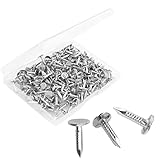
- Felt Nails: These are specifically designed nails with large heads to secure the felt.
- Underlayment (Optional): Some people choose to use an underlayment beneath the felt for added protection and a smoother surface.
- Roofing Adhesive (Optional): For added security, especially on the overlaps.
- Timber for Repairs (If Needed): Check the roof deck for any rot or damage and have replacement timber ready.
Tools You’ll Need
Having the right tools is just as important as having the right materials. Here’s a list of tools you’ll need:
- Tape Measure: For accurate measurements.
- Utility Knife or Sharp Scissors: For cutting the felt.
- Hammer: For driving in the felt nails.
- Safety Glasses: To protect your eyes.
- Work Gloves: To protect your hands.
- Ladder: To safely access the roof. Make sure your ladder is stable and placed on a level surface.
- Pencil or Marker: For marking measurements and cutting lines.
- Kneepads (Recommended): To provide comfort while working on the roof.
Safety Precautions
Safety should always be your top priority. Here are some essential safety precautions to follow:
- Wear Safety Gear: Always wear safety glasses, gloves, and sturdy footwear.
- Use a Stable Ladder: Ensure your ladder is properly set up on a level surface. Consider using a ladder stabilizer.
- Work in Dry Conditions: Avoid working on the roof when it’s wet or windy.
- Be Aware of Your Surroundings: Watch out for overhead power lines and any potential hazards.
- Get Help If Needed: If you’re uncomfortable working at heights, ask a friend or family member to help.
Step-by-Step Guide: How to Felt a Shed Roof
Now that you have all the necessary information and materials, it’s time to get down to business. This step-by-step guide will walk you through the entire process of felting your shed roof. We’ll break it down into easy-to-follow instructions to ensure a successful outcome.
- Prepare the Roof: Before you begin, thoroughly inspect the roof deck. Remove any old felt, debris, or loose nails. If there is any damaged or rotten wood, replace it. Ensure the roof surface is clean, dry, and free of any obstructions.
- Measure and Cut the Felt: Measure the length of your roof and add an overhang of about 2-3 inches on each side. Roll out the felt and cut it to the required lengths using a utility knife or sharp scissors. Remember to account for overlaps.
- Install the First Felt Sheet: Start at the bottom edge of the roof, with the felt extending slightly over the edge (the overhang). Secure the felt with felt nails, spacing them approximately 4-6 inches apart along the top edge and at the edges.
- Overlap the Sheets: Overlap the next sheet of felt by at least 4 inches. This creates a watertight seal. Ensure the overlap runs in the direction of the prevailing wind to prevent water from being forced underneath. Nail the overlapping felt in place, again spacing the nails approximately 4-6 inches apart.
- Work Your Way Up: Continue installing the felt sheets, overlapping each row as you move up the roof. Be sure to maintain consistent overlaps and nail spacing.
- Felt the Ridge: Once you’ve covered both sides of the roof, felt the ridge (the top). Cut a piece of felt wide enough to cover the ridge, with an overlap on both sides. Center the felt over the ridge and secure it with nails. You can also use roofing adhesive for extra security.
- Finish the Edges: Trim any excess felt at the edges of the roof. Consider using a sealant or edge sealant to further protect the edges from water penetration.
- Inspect and Seal: After you’ve finished felting the entire roof, carefully inspect the surface for any loose nails, gaps, or tears. Seal any imperfections with roofing adhesive or sealant.
- Clean Up: Once you’re finished, clean up any debris and dispose of the old felt properly.
Tips and Tricks for a Professional Finish
Here are some additional tips and tricks to help you achieve a professional-looking finish:
- Choose the Right Weather: Avoid working in windy or rainy conditions.
- Use a Straight Edge: When cutting the felt, use a straight edge to ensure clean, accurate cuts.
- Stagger the Seams: When overlapping the felt sheets, stagger the seams to prevent water from running directly down a seam.
- Use Roofing Adhesive: For extra security, especially on the overlaps and at the ridge, apply roofing adhesive.
- Consider Using a Felt Cutter: A felt cutter can make the process of cutting the felt easier and more precise.
- Don’t Over-Nail: Avoid over-nailing the felt, as this can create weak points and potential leaks.
- Inspect Regularly: After installation, regularly inspect your shed roof for any signs of damage or wear and tear.
Troubleshooting Common Problems
Even with careful planning, things can sometimes go wrong. Here are some common problems and how to solve them:
- Leaks: If you notice leaks, inspect the felt for any tears, gaps, or loose nails. Seal any imperfections with roofing adhesive or sealant. Check the overlaps to make sure they are properly sealed.
- Bubbles: Bubbles can form if the felt isn’t properly adhered to the roof deck. Use roofing adhesive to secure the felt and prevent bubbles from forming.
- Tears: If the felt tears, patch the area with a piece of felt, overlapping the original felt by at least 4 inches. Secure the patch with felt nails and roofing adhesive.
- Incorrect Overlaps: If the overlaps are not properly sealed, water can penetrate. Make sure the overlaps are running in the correct direction and are secured with nails and adhesive.
- Felt Lifting: If the felt is lifting at the edges, it is often due to improper nail placement or insufficient adhesive. Re-secure the edges with more nails and adhesive.
Alternatives to Felt Roofing
While felt roofing is a popular choice, it’s not the only option. Here are some alternatives:
- Metal Roofing: Metal roofing is durable and long-lasting, but it can be more expensive and requires specialized installation.
- EPDM Rubber Roofing: EPDM (Ethylene Propylene Diene Monomer) rubber roofing is a single-ply membrane that is waterproof and relatively easy to install. It is a good choice for flat roofs.
- Asphalt Shingles: Asphalt shingles are a common choice for residential roofs and can be used on sheds. They offer good weather protection and are available in a variety of styles.
- Wood Shingles: Wood shingles offer a classic look but require more maintenance and are more susceptible to the elements.
The best choice for your shed roof will depend on your budget, the style of your shed, and the local climate. Research the different options and choose the one that best suits your needs.
Frequently Asked Questions (faq)
Here are some of the most frequently asked questions about felting a shed roof:
- How long does shed roofing felt last? The lifespan of shed roofing felt depends on the type of felt and the weather conditions. Bitumen felt typically lasts 5-10 years, while fiberglass felt can last 10-15 years.
- How often should I felt my shed roof? You should inspect your shed roof regularly and replace the felt when it shows signs of wear and tear, such as tears, leaks, or lifting.
- Can I felt a shed roof in the rain? No, it’s best to avoid felting a shed roof in the rain. The felt will not adhere properly, and the nails may not hold.
- What is the best type of felt for a shed roof? Fibre glass felt is generally considered the best option because of its durability and longer lifespan.
- How do I calculate how much felt I need? Measure the length and width of your roof and add an overhang of about 2-3 inches on each side. Calculate the area and purchase enough felt to cover the roof, plus some extra for overlaps.
- Can I use regular nails instead of felt nails? No, you should always use felt nails, which have large heads to secure the felt properly.
- What is the best way to cut felt? Use a utility knife or sharp scissors to cut the felt.
- Do I need to prime the roof before felting? It is generally not necessary to prime the roof before felting, but you can consider using an underlayment for added protection and a smoother surface.
Maintaining Your Felt Roof
Proper maintenance can significantly extend the lifespan of your felt roof. Here are some maintenance tips:
- Regular Inspections: Inspect your roof at least twice a year, preferably in the spring and fall.
- Clear Debris: Remove any leaves, branches, or other debris that accumulates on the roof.
- Trim Overhanging Branches: Trim any branches that overhang the roof to prevent damage.
- Address Problems Promptly: Repair any leaks, tears, or loose nails as soon as you notice them.
- Consider a Roof Coating: For added protection, you can apply a roof coating designed for felt roofs.
By following these maintenance tips, you can keep your shed roof in good condition and protect your belongings from the elements.
Final Verdict
Felting a shed roof is a rewarding DIY project that can save you money and protect your belongings. By following our step-by-step guide, you can confidently undertake this task, ensuring a watertight and durable roof. Remember to prioritize safety and take your time. With the right materials and a little effort, you can significantly extend the life of your shed.
Recommended Products