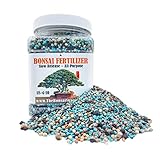
Caring for a bonsai tree is a rewarding journey, and one of the most crucial aspects is understanding how to feed your miniature masterpiece. It’s not just about watering; it’s about providing the right nutrients at the right time to ensure vibrant growth and a healthy, beautiful specimen.
Many beginners find themselves daunted by the idea of fertilizing. Will they overdo it? Underdo it? What kind of food is best? Fear not! This comprehensive guide will demystify the process of how to feed your bonsai tree, transforming you into a confident bonsai caregiver.
Understanding Bonsai Nutrition: The Fundamentals
Bonsai trees, by their very nature, live in small containers. This limited environment means they can’t access the vast array of nutrients available in natural soil. Your role as a caretaker is to replicate this natural nutrient cycle by providing a balanced diet. Think of it like feeding a beloved pet; they need specific types of food to thrive.
Why Fertilize Bonsai?
Fertilizing is essential for several key reasons:
- Replenishing Nutrients: Over time, the soil in a bonsai pot becomes depleted of essential minerals as the tree absorbs them for growth. Fertilizing replenishes these vital elements.
- Promoting Healthy Growth: Adequate nutrition fuels robust leaf development, strong root systems, and sturdy trunk growth, all of which are critical for a healthy bonsai.
- Encouraging Flowering and Fruiting: For species that flower or fruit, proper fertilization can significantly improve the frequency and quality of these displays.
- Maintaining Overall Vigor: A well-fed bonsai is a resilient bonsai, better equipped to withstand pests, diseases, and environmental stresses.
The Essential Nutrients for Bonsai
Plants, including your bonsai, require a range of nutrients. These are broadly categorized into macronutrients and micronutrients.
Macronutrients (needed in Larger Quantities)
The most important macronutrients are:
- Nitrogen (N): Crucial for leaf and stem growth. It promotes lush, green foliage.
- Phosphorus (P): Essential for root development, flowering, and fruiting. It’s often referred to as the ‘root builder’.
- Potassium (K): Important for overall plant health, disease resistance, and water regulation. It helps strengthen the plant.
These three are often represented as an N-P-K ratio on fertilizer packaging. For example, a 10-10-10 fertilizer has equal parts of each nutrient.
Micronutrients (needed in Smaller Quantities)
These include elements like iron, manganese, zinc, copper, boron, and molybdenum. While needed in smaller amounts, they are just as vital for various plant functions. Most balanced bonsai fertilizers will contain these, often in chelated forms for easier absorption. (See Also: How Many Books Are in the Magic Tree House Collection?)
Choosing the Right Bonsai Fertilizer
The market offers a plethora of options, which can be overwhelming. However, understanding your bonsai’s needs will guide you to the best choice.
Types of Bonsai Fertilizers
Fertilizers for bonsai generally fall into two main categories:
- Chemical (Inorganic) Fertilizers: These are synthesized and provide nutrients in readily available forms. They work quickly but can be more prone to burning roots if overused or applied incorrectly.
- Organic Fertilizers: These are derived from natural sources like manure, bone meal, fish emulsion, or seaweed. They release nutrients slowly as they decompose, making them gentler on roots and improving soil structure.
Liquid vs. Solid Fertilizers
Both have their pros and cons:
- Liquid Fertilizers:
- Pros: Easy to mix and apply, nutrients are absorbed quickly by roots and foliage, allows for precise control over dosage.
- Cons: Requires more frequent application as nutrients can leach out quickly, potential for over-application if not careful.
- Solid (Pellet/Granular) Fertilizers:
- Pros: Release nutrients slowly over time, less risk of burning roots, convenient for regular feeding without constant attention.
- Cons: Nutrients are released more slowly, making it harder to quickly correct deficiencies.
Understanding N-P-K Ratios for Bonsai
The N-P-K ratio is your guide to a fertilizer’s primary nutrient content. The ideal ratio depends on the stage of your bonsai’s growth:
- Balanced Fertilizers (e.g., 10-10-10, 5-5-5): Excellent for general maintenance and young, developing trees. They provide all three macronutrients in equal measure.
- High Nitrogen Fertilizers (e.g., 20-10-10): Best for encouraging leafy growth, especially during the spring and early summer when foliage development is paramount.
- High Phosphorus Fertilizers (e.g., 10-30-20): Useful for promoting flowering and fruiting, typically applied in late summer or early fall.
- High Potassium Fertilizers (e.g., 10-10-30): Can help strengthen the plant and improve winter hardiness.
For most bonsai enthusiasts, a balanced fertilizer is a great starting point. As you gain experience, you can experiment with different ratios based on your tree’s specific needs and species.
Specialized Bonsai Fertilizers
You’ll find fertilizers specifically marketed for bonsai. These are often formulated with lower concentrations to prevent over-fertilization, and they may contain a broader spectrum of micronutrients. While not strictly necessary, they can be a convenient and safe choice for beginners.
How to Fertilize Your Bonsai Tree: A Step-by-Step Approach
Knowing when and how to fertilize is as important as choosing the right food. (See Also: How to Start a Plum Tree From Seed: A Complete Guide)
When to Fertilize
The general rule is to fertilize during the growing season. This typically runs from early spring to late autumn.
- Spring: As new growth appears, start fertilizing with a balanced or slightly higher nitrogen formula.
- Summer: Continue with regular feeding, perhaps switching to a more balanced ratio. Avoid fertilizing during extreme heatwaves.
- Autumn: Reduce feeding frequency and consider a fertilizer with a slightly higher phosphorus content to prepare the tree for dormancy.
- Winter: Most bonsai should not be fertilized during their dormant period, especially if they are kept outdoors and exposed to cold. Indoor bonsai may require very light feeding if they continue to show active growth.
Important Considerations:
- Never fertilize a stressed or unhealthy tree. If your bonsai is wilting, has pest issues, or has just been repotted, wait until it recovers before fertilizing.
- Do not fertilize dry soil. Always water your bonsai thoroughly before applying liquid fertilizer to prevent root burn.
How to Apply Liquid Fertilizer
Liquid fertilizers are popular due to their ease of use and quick results.
- Dilution is Key: Always dilute liquid fertilizer according to the manufacturer’s instructions. For bonsai, it’s often recommended to use a weaker solution than for larger plants, perhaps half or even quarter strength, especially when starting out.
- Water First: Water your bonsai thoroughly until water drains from the drainage holes. This ensures the soil is moist and prevents the fertilizer from directly contacting dry roots.
- Apply Evenly: Gently pour the diluted fertilizer solution over the soil surface, ensuring it reaches all parts of the pot.
- Frequency: Typically, liquid fertilizers are applied every 2-4 weeks during the growing season.
How to Apply Solid (pellet/granular) Fertilizer
Solid fertilizers offer a slow-release option that’s convenient.
- Placement: Scatter the pellets evenly over the soil surface, avoiding direct contact with the trunk or main roots.
- Watering: Water the bonsai thoroughly after application. The water will gradually dissolve the fertilizer, releasing nutrients into the soil.
- Frequency: Solid fertilizers usually last for 1-3 months, depending on the product and environmental conditions. Follow the product’s recommendations for reapplication.
Organic Fertilizer Application
Organic fertilizers, such as fish emulsion or seaweed extract, are excellent for bonsai.
- Dilution: Most organic liquid fertilizers need to be diluted. Follow the product instructions carefully.
- Application: Apply as you would a liquid chemical fertilizer, after watering the tree. The decomposition process will slowly release nutrients.
- Compost/Solid Organics: For solid organic matter like compost, you can top-dress the soil or mix it into your potting medium during repotting.
Common Fertilizing Mistakes and How to Avoid Them
Even with the best intentions, mistakes can happen. Being aware of these can save your bonsai.
- Over-fertilization (Burning): This is the most common and damaging mistake. Signs include brown leaf tips, wilting, and root damage. Always dilute fertilizers and err on the side of caution.
- Under-fertilization: Leads to slow growth, pale leaves, and a generally weak appearance. If your bonsai isn’t growing well, consider if your fertilization is sufficient.
- Fertilizing at the Wrong Time: Fertilizing a dormant or stressed tree can do more harm than good. Stick to the growing season and healthy trees.
- Fertilizing Dry Soil: This is a recipe for root burn. Always ensure the soil is moist before applying liquid fertilizer.
- Using the Wrong Fertilizer Ratio: While a balanced fertilizer is generally safe, using a formula drastically inappropriate for the season or tree’s needs can hinder growth.
Species-Specific Fertilization Needs
While general guidelines apply, some bonsai species have particular preferences: (See Also: How Much Water Does a Fruitless Olive Tree Need?)
- Conifers (Pines, Junipers): Generally require less nitrogen and benefit from fertilizers lower in nitrogen, especially during spring and summer. Over-fertilization can lead to weak, leggy growth.
- Deciduous Trees (Maples, Elms): Often respond well to a balanced fertilizer throughout the growing season. They may benefit from slightly higher nitrogen in spring for vigorous leaf production.
- Flowering/Fruiting Trees (Azaleas, Ficus): May require a fertilizer with higher phosphorus and potassium during their blooming or fruiting periods.
Research the specific needs of your bonsai species for optimal results. Many growers use a general-purpose bonsai fertilizer for most species and adjust only for specific issues or advanced techniques.
Troubleshooting Fertilization Issues
If you suspect a problem, observe your tree closely.
- Yellowing Leaves (Chlorosis): Can indicate a lack of nutrients, particularly iron. This might require a micronutrient supplement or a change in fertilizer.
- Brown Leaf Tips/Edges: Often a sign of over-fertilization or salt buildup. Flush the soil with plain water and reduce fertilization frequency.
- Slow or Stunted Growth: Could be under-fertilization, but also consider light, water, and soil issues.
When in doubt, it’s always better to under-fertilize than over-fertilize. You can always add more food, but it’s much harder to fix nutrient burn.
Conclusion
Mastering how to feed your bonsai tree is a rewarding part of the journey. By understanding the essential nutrients, choosing the right fertilizer type and ratio, and adhering to proper application techniques, you’ll cultivate a thriving, beautiful bonsai. Remember to observe your tree, adjust your feeding schedule based on the season and its growth, and always err on the side of caution to avoid over-fertilization. With consistent care and the right nourishment, your bonsai will flourish for years to come.
Recommended Products