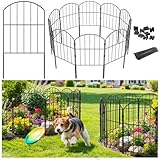
Are you staring at a drab, boring garden fence and wondering how to spice things up? You’re not alone! A plain fence can be a real eyesore, but the good news is, there are tons of creative ways to transform it from a functional boundary into a stunning garden feature. Whether you’re aiming for a vibrant, colorful display or a more subtle, natural look, we’ve got you covered.
This guide is packed with ideas and practical tips to help you decorate your garden fence, no matter your budget or skill level. We’ll explore various materials, techniques, and styles, from simple paint jobs to elaborate DIY projects. Get ready to unleash your inner designer and create a garden space you’ll absolutely love. Let’s dive in and transform that fence!
Planning Your Garden Fence Makeover
Before you grab a paintbrush or hammer, it’s essential to plan your fence decorating project. This initial step will save you time, money, and potential headaches. Consider these key aspects:
1. Assessing Your Fence
First things first, take a good look at your fence. What material is it made of? Wood, vinyl, metal, or a combination? The material will greatly influence your decorating options. Is the fence in good condition, or does it need repairs? Check for any rot, loose panels, or rust. Also, consider the size and shape of your fence. A long, straight fence offers a different canvas than a shorter, curved one. Finally, think about the existing color and style of your fence. Does it blend in with your garden, or does it clash?
2. Defining Your Style and Theme
What kind of look are you going for? Do you want a rustic, modern, bohemian, or cottage-style garden? Your chosen theme will guide your material and color choices. Consider the overall aesthetic of your garden. Do you want the fence to blend in seamlessly or stand out as a focal point? Some popular themes include:
- Cottage Garden: Think pastel colors, climbing roses, and whimsical decorations.
- Modern Minimalist: Clean lines, neutral colors, and geometric patterns.
- Rustic Charm: Natural wood, weathered textures, and vintage accents.
- Bohemian Vibe: Bright colors, patterned fabrics, and eclectic decorations.
3. Budgeting and Time Management
Set a realistic budget for your project. Prices for materials can vary widely. Make a list of everything you’ll need, including paint, tools, and decorations, and research the costs. Also, consider how much time you have available. Some projects can be completed in a weekend, while others may take longer. Break down the project into smaller, manageable tasks to avoid feeling overwhelmed. Factor in preparation time (cleaning, sanding, priming) and drying times, especially if you’re painting.
4. Considering Privacy and Practicality
While aesthetics are important, don’t forget about practicality. Does your fence provide adequate privacy? If not, you might want to incorporate elements that enhance it, such as adding trellis or planting climbing plants. Consider the maintenance requirements of your chosen decorations. Will they require regular upkeep? Also, think about the climate in your area. Will your decorations withstand the weather conditions?
Painting Your Garden Fence: A Classic Approach
Painting is one of the easiest and most effective ways to transform a garden fence. It’s relatively inexpensive and allows you to completely change the look of your outdoor space. Here’s a step-by-step guide to painting your fence:
1. Preparation Is Key
Cleaning: Start by thoroughly cleaning your fence. Remove any dirt, mildew, or loose paint. Use a stiff brush, warm water, and a mild detergent. Rinse the fence with clean water and let it dry completely. For stubborn mildew, consider using a specialized mildew cleaner.
Repairing: Inspect your fence for any damage. Replace any damaged or rotten boards. Fill in any cracks or holes with wood filler and sand the surface smooth.
Sanding: If your fence has existing paint, lightly sand the surface to create a better surface for the new paint to adhere to. This is especially important for glossy surfaces. Use medium-grit sandpaper.
Protecting: Protect any surrounding areas, such as plants, patios, and the ground, from paint splatters. Use drop cloths, plastic sheeting, and painter’s tape.
2. Choosing the Right Paint
Select a high-quality exterior paint specifically designed for fences. Consider these factors:
- Type: Acrylic latex paint is a popular choice for its durability and flexibility. It’s also easy to clean up with water. Oil-based paint offers excellent durability and water resistance but requires mineral spirits for cleanup.
- Finish: Choose a finish that suits your style. Flat finishes provide a matte look but are less durable. Satin and semi-gloss finishes are more durable and easier to clean. Gloss finishes offer the highest durability but can highlight imperfections.
- Color: Consider the overall color scheme of your garden. Neutral colors like white, gray, and beige are classic choices. Bright colors can add a pop of personality. Darker colors can make a fence recede into the background.
- Weather Resistance: Make sure the paint is suitable for outdoor use and can withstand the weather conditions in your area (sun, rain, snow).
3. Painting Techniques
- Priming (Optional): If your fence is made of bare wood or has significant imperfections, consider applying a primer before painting. Primer helps the paint adhere better and provides a more even finish.
- Applying the First Coat: Use a brush or roller to apply the first coat of paint. Follow the manufacturer’s instructions for application. Work in the direction of the wood grain.
- Drying Time: Allow the first coat to dry completely. The drying time will vary depending on the paint type and weather conditions.
- Applying the Second Coat: Apply a second coat of paint for better coverage and durability. Again, follow the manufacturer’s instructions.
- Cleanup: Clean your brushes and rollers immediately after use. Dispose of paint and cleaning supplies properly.
Adding Decorative Elements to Your Fence
Once your fence is painted or in good condition, you can add decorative elements to personalize it and enhance its visual appeal. (See Also: Get Fence Tasks: Your Ultimate Guide (how to Find & Secure Jobs))
1. Trellises and Climbing Plants
Trellises are an excellent way to add vertical interest and create a living wall. They’re also perfect for supporting climbing plants. Choose from various materials, including wood, metal, and plastic. Install the trellis directly onto the fence or space it a few inches away for better air circulation. Popular climbing plants include:
- Roses: Climbing roses add beauty and fragrance.
- Clematis: Clematis offers a variety of colors and bloom times.
- Ivy: Ivy provides lush greenery but can be invasive, so monitor its growth.
- Wisteria: Wisteria has beautiful cascading flowers but requires regular pruning.
- Honeysuckle: Honeysuckle offers fragrant blooms and attracts hummingbirds.
2. Hanging Planters and Pots
Hanging planters and pots are a simple way to add color and texture to your fence. Choose planters that complement your style. Consider using:
- Hanging baskets: These are ideal for trailing plants.
- Wall-mounted planters: These attach directly to the fence.
- Potted plants: Group pots of varying sizes and heights along the fence.
Select plants that thrive in your climate and receive adequate sunlight. Consider using a variety of plants for a diverse and visually appealing display.
3. Decorative Panels and Screens
Decorative panels and screens can add privacy and visual interest. They come in various materials, including:
- Wooden panels: These can be painted or stained and offer a natural look.
- Metal screens: These can be intricate and add a modern touch.
- Bamboo screens: These provide a natural and eco-friendly option.
- Laser-cut panels: These offer intricate designs and patterns.
Install the panels or screens directly onto the fence or use them as standalone features. Consider the level of privacy you desire and choose panels accordingly.
4. Garden Art and Ornaments
Garden art and ornaments can add personality and charm to your fence. Consider using:
- Metal sculptures: These can add a modern or artistic touch.
- Wooden signs: These can display quotes or welcome messages.
- Wind chimes: These add sound and movement.
- Mirrors: Mirrors can create the illusion of more space.
- Birdhouses and feeders: These attract birds and add life to your garden.
Choose art and ornaments that complement your style and the overall aesthetic of your garden. Ensure they are weather-resistant and securely attached to the fence.
5. String Lights and Fairy Lights
String lights and fairy lights can transform your fence into a magical space, especially at night. Choose from various types, including:
- String lights: These are versatile and can be used to outline the fence or wrap around plants.
- Fairy lights: These add a delicate and whimsical touch.
- Solar-powered lights: These are energy-efficient and easy to install.
- LED lights: These are energy-efficient and long-lasting.
Hang the lights along the fence, drape them over plants, or wrap them around decorative elements. Use a timer to control the lights and create a warm and inviting atmosphere.
Diy Fence Decorating Projects
Get creative and personalize your fence with these DIY projects:
1. Pallet Fence Planter
Repurpose old pallets to create a rustic planter. Clean and sand the pallet. Paint or stain it. Attach a layer of landscaping fabric to the back of the pallet to act as a barrier. Fill the pallet with soil and plant your favorite flowers or herbs. Hang the pallet planter on your fence using sturdy hooks or brackets.
2. Vertical Herb Garden
Create a vertical herb garden to grow fresh herbs. Attach small planters or pots to your fence. Fill the pots with soil and plant your favorite herbs, such as basil, rosemary, and thyme. Water the herbs regularly and enjoy fresh herbs all season long.
3. Stenciled Fence Design
Add a unique design to your fence using stencils. Choose a stencil pattern that complements your style. Secure the stencil to the fence using painter’s tape. Use a brush or roller to apply paint to the stencil. Remove the stencil carefully and let the paint dry. Repeat the process to create a repeating pattern or a unique design. (See Also: How to Install Fence Post: A Step-by-Step Guide for Diy Success)
4. Mosaic Tile Fence
Create a mosaic tile design to add color and texture. Gather mosaic tiles in various colors and sizes. Apply adhesive to the fence. Arrange the tiles in your desired pattern. Press the tiles firmly into the adhesive. Allow the adhesive to dry. Apply grout between the tiles. Wipe away any excess grout. Let the grout dry and clean the tiles.
5. Painted Mural
Create a painted mural on your fence to add a focal point to your garden. Sketch your design on the fence. Use exterior paint to paint your mural. Consider using a projector to project your design onto the fence for easier tracing. Let the paint dry completely. Seal the mural with a clear sealant to protect it from the elements.
Maintaining Your Decorated Fence
Once you’ve decorated your fence, it’s important to maintain it to keep it looking its best. Here are some tips:
1. Regular Cleaning
Clean your fence regularly to remove dirt, mildew, and debris. Use a brush, warm water, and a mild detergent. Rinse the fence with clean water. Avoid using harsh chemicals or abrasive cleaners.
2. Inspecting for Damage
Inspect your fence regularly for any damage, such as cracks, loose panels, or rust. Repair any damage promptly to prevent further deterioration. Check the condition of any decorations and repair or replace them as needed.
3. Trimming and Pruning
Trim and prune any climbing plants regularly to keep them from overgrowing the fence or damaging the structure. Remove any dead or diseased foliage. Prune flowering plants to encourage blooming.
4. Repainting and Restaining
Repaint or restain your fence as needed to maintain its appearance and protect it from the elements. The frequency of repainting or restaining will depend on the paint or stain type, the weather conditions, and the condition of the fence. Clean the fence before repainting or restaining.
5. Protecting From the Elements
Protect your fence from the elements by applying a sealant or water-repellent coating. This will help to prevent water damage and extend the life of your fence. Protect your decorations from extreme weather conditions by bringing them indoors or covering them during storms.
People Also Ask
Here are some frequently asked questions about decorating a garden fence:
Q: How can I decorate a wooden fence?
A: Paint or stain the fence, add trellises and climbing plants, hang planters and pots, and incorporate garden art and ornaments.
Q: What is the best paint for a garden fence?
A: Use exterior-grade acrylic latex paint for its durability and ease of use. (See Also: How Far From the Street Can I Build a Fence? Your Guide to Property Lines)
Q: How do I add privacy to my fence?
A: Add trellises and climbing plants, install decorative panels, or use privacy screens.
Q: How do I choose the right decorations for my fence?
A: Consider your style, the overall aesthetic of your garden, and the climate in your area. Choose decorations that complement your style and are weather-resistant.
Q: How can I make my fence look more interesting?
A: Paint it in a bold color or add a mural, incorporate decorative panels, or add string lights and fairy lights.
Q: Can I use mosaic tiles on a garden fence?
A: Yes, mosaic tiles can add color and texture to your fence. Ensure the tiles and adhesive are suitable for outdoor use.
Q: How do I maintain a decorated fence?
A: Clean the fence regularly, inspect it for damage, trim and prune any plants, and repaint or restain as needed.
Final Verdict
Decorating a garden fence is a fantastic way to enhance your outdoor space and express your personal style. By following these tips and ideas, you can easily transform a plain fence into a beautiful and functional feature. Remember to plan carefully, choose the right materials, and have fun with it! With a little creativity, you can create a garden fence that reflects your personality and complements your garden’s overall aesthetic.
Recommended Products