Tired of that unsightly strip of uncut grass hugging your fence? We’ve all been there! It’s a common lawn care frustration. You meticulously mow your lawn, only to be left with a ragged edge that ruins the overall look. The good news? Addressing this is easier than you think. I’m going to share some of the best methods for how to cut grass next to fence, ensuring a clean, professional finish.
This guide will walk you through the most effective tools and techniques, from using the right mower attachments to mastering the art of trimming. We’ll also cover essential safety tips and explore alternative solutions for those tricky areas. Get ready to transform your lawn from a source of frustration to a source of pride!
Understanding the Challenge: Why Is Cutting Grass Next to a Fence Difficult?
Cutting grass next to a fence presents a unique set of challenges. Traditional lawn mowers, especially those with larger decks, often can’t get close enough to the fence line. This leaves behind a strip of uncut grass, creating an uneven appearance. Plus, the fence itself can act as an obstacle, preventing the mower from maneuvering easily.
Here’s a breakdown of the primary issues:
- Mower Deck Size: The width of your mower’s deck determines how close it can get to the fence. Larger decks leave a wider uncut strip.
- Maneuverability: Tight spaces and corners near fences make it difficult to steer and control a standard mower.
- Obstacles: Fences, fence posts, and other landscaping features can impede the mower’s path.
- Grass Type and Growth: The type of grass and its growth pattern can influence how effectively you can trim near the fence. Some grasses are more resilient and require different cutting techniques.
Let’s address some questions you might have about this process.
What Are the Best Tools for Cutting Grass Next to a Fence?
The best tools depend on the size of your lawn and the specific challenges you face. Here are the most effective options:
- String Trimmer (Weed Eater/Whipper Snipper): This is the go-to tool for trimming grass along fences. It’s maneuverable and can reach tight spaces.
- Edger: An edger creates a clean, defined edge between your lawn and the fence, especially helpful for a formal look.
- Push Mower with Edge Trimming Capability: Some push mowers have features that allow you to trim closer to edges.
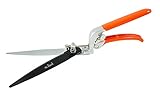
- Hedge Shears (Manual or Electric): Useful for spot trimming and shaping, particularly around posts or other obstacles.
- Small, Specialized Mowers: Consider a small, walk-behind mower designed for tight spaces if you have a lot of fence line to manage.
What Are the Different Types of String Trimmers?
String trimmers, also known as weed eaters or whipper snippers, come in various types, each with its own advantages:
- Electric String Trimmers: These are lightweight, easy to use, and environmentally friendly. They come in corded and cordless models. Corded trimmers require an extension cord, while cordless models run on batteries.
- Gas-Powered String Trimmers: These are the most powerful option, ideal for tackling thick grass and large areas. They require fuel and regular maintenance.
- Battery-Powered String Trimmers: These offer a good balance of power and convenience, without the hassle of cords or the maintenance of gas engines. Battery life is a key consideration.
Choosing the right string trimmer depends on the size of your lawn, the type of grass you have, and your personal preferences. (See Also: How to Hang Planters on a Fence: A Simple Guide for Greenery)
What Type of Edger Is Best?
Edgers also come in various forms, each designed for different needs:
- Manual Edgers: These are simple, hand-operated tools, great for small areas and precise edging.
- Electric Edgers: These offer more power and are easier to use than manual edgers, but require a power source.
- Gas-Powered Edgers: These are the most powerful option, suitable for large lawns and tough edging jobs.
- Wheel Edgers: Some mowers have an edging function, but they are not as precise as a dedicated edger.
Can I Use My Lawn Mower to Cut Grass Next to the Fence?
You can use your lawn mower to cut grass near the fence, but the results may not be perfect. Here’s why:
- Deck Size: The wider your mower’s deck, the further it will be from the fence.
- Edge Trimming Capability: Some mowers have features designed to trim closer to edges.
- Maneuverability: It can be difficult to maneuver a mower in tight spaces.
- Grass Type and Growth: Some grasses are more resilient and require different cutting techniques.
For the best results, you’ll likely need to supplement your mower with a string trimmer or edger.
Step-by-Step Guide: How to Cut Grass Next to a Fence
Here’s a step-by-step guide to help you achieve a clean, professional finish when cutting grass next to your fence:
- Prepare Your Lawn: Before you start, remove any debris, such as sticks, stones, or toys, from the area. This prevents damage to your equipment and ensures a smoother cut.
- Choose Your Tools: Select the appropriate tools based on the size of your lawn and the type of grass. A string trimmer is usually the primary tool, but you might also use a mower, edger, or hedge shears.
- String Trimmer Technique: Hold the string trimmer at a slight angle and guide it along the fence line. Overlap each pass slightly to ensure a consistent cut. Maintain a steady pace and avoid moving the trimmer too quickly.
- Edger Technique (Optional): If you’re using an edger, follow the manufacturer’s instructions for operation. Aim for a clean, defined edge between the grass and the fence.
- Mower Technique (If Applicable): If your mower has edge trimming capabilities, use it along the fence line. Make sure to overlap passes for an even cut.
- Hedge Shears for Detail Work (Optional): Use hedge shears to trim around fence posts, gates, or other obstacles.
- Clean Up: After you’re finished, remove any grass clippings and debris from the area. This will give your lawn a neat, finished look.
How Do I Use a String Trimmer Safely?
Safety is paramount when using a string trimmer. Here are some essential safety tips:
- Wear Protective Gear: Always wear safety glasses or goggles to protect your eyes from flying debris. Also, wear sturdy shoes and long pants. Gloves can provide extra protection.
- Inspect Your Equipment: Before each use, inspect your string trimmer for any damage. Check the string for wear and tear.
- Maintain a Safe Distance: Keep a safe distance from other people, pets, and objects while operating the trimmer.
- Be Aware of Your Surroundings: Watch out for hidden obstacles, such as rocks or roots, that could damage the string trimmer or cause injury.
- Proper Stance: Maintain a stable stance while operating the trimmer. Avoid overreaching.
- Turn Off and Unplug: Always turn off and unplug electric trimmers or remove the battery before performing any maintenance or adjustments.
How Do I Maintain My String Trimmer?
Regular maintenance will keep your string trimmer running smoothly and extend its lifespan. Here’s what you need to do:
- Clean the Trimmer Head: After each use, clean the trimmer head to remove any grass clippings or debris.
- Replace the String: Replace the string when it becomes worn or breaks. Follow the manufacturer’s instructions for string replacement.
- Check the Air Filter: For gas-powered trimmers, check the air filter regularly and clean or replace it as needed.
- Check the Spark Plug: For gas-powered trimmers, check the spark plug and replace it if necessary.
- Lubricate Moving Parts: Lubricate any moving parts according to the manufacturer’s instructions.
- Store Properly: Store your string trimmer in a dry place, away from extreme temperatures and direct sunlight.
Alternative Solutions for Tricky Areas
Sometimes, the fence line presents unique challenges. Here are some alternative solutions to consider: (See Also: Bent Fence Post Blues? How to Straighten a Bent Metal Fence Post (diy Guide))
- Gravel or Mulch Border: Create a gravel or mulch border along the fence line. This eliminates the need to cut grass in that area. Plus, it suppresses weeds.
- Ground Cover Plants: Plant ground cover plants along the fence. These plants will fill in the area and prevent grass from growing.
- Raised Garden Beds: Install raised garden beds along the fence. This creates a barrier that prevents grass from encroaching on the fence.
- Consider Fence Design: When installing a new fence, consider its design. A fence with a slight gap at the bottom can make trimming easier.
What Are the Benefits of a Gravel Border?
A gravel border offers several benefits:
- Reduced Maintenance: Eliminates the need to cut grass along the fence.
- Weed Suppression: Gravel helps suppress weed growth.
- Improved Drainage: Gravel improves drainage, preventing water from pooling near the fence.
- Aesthetic Appeal: Gravel borders can add a clean, finished look to your lawn.
Common Mistakes to Avoid
Avoid these common mistakes to ensure a successful grass-cutting experience:
- Using the Wrong Tools: Using a lawn mower when a string trimmer is more appropriate.
- Cutting Too Close: Cutting the grass too close to the fence, which can damage the fence.
- Neglecting Safety: Failing to wear appropriate safety gear.
- Not Overlapping Passes: Not overlapping passes with the string trimmer, resulting in an uneven cut.
- Ignoring Maintenance: Neglecting to maintain your equipment.
- Mowing When Wet: Avoid mowing wet grass, as it can be difficult to cut evenly and can damage your lawn.
By avoiding these mistakes, you can achieve a clean, professional finish around your fence.
Troubleshooting Common Problems
Here’s how to troubleshoot some common problems you might encounter:
- Uneven Cut: If you’re getting an uneven cut, make sure your string trimmer is level and that you’re overlapping passes.
- String Breaking: If the string is breaking frequently, try using a thicker string or adjusting the trimmer’s cutting angle.
- Engine Stalling (Gas Trimmers): If the engine is stalling, check the fuel level, air filter, and spark plug.
- Mower Won’t Start: Check the fuel, spark plug, and battery (for electric mowers).
- Grass Clippings Everywhere: Sweep or blow the clippings away after trimming. Consider a leaf blower to speed up the process.
Beyond the Basics: Advanced Techniques
Once you’ve mastered the basics, you can explore some advanced techniques to refine your lawn care skills:
- String Trimmer Angle: Experiment with the angle of your string trimmer to achieve different cutting effects. A slight angle can create a cleaner cut.
- Edging Techniques: Learn different edging techniques to create a variety of border styles, such as a beveled edge or a formal edge.
- Lawn Aeration: Aerate your lawn to improve drainage and reduce soil compaction, making it easier to cut the grass.
- Fertilizing and Watering: Proper fertilization and watering will promote healthy grass growth, making it easier to cut.
- Seasonal Adjustments: Adjust your cutting height based on the season. Cut the grass slightly shorter in the spring and fall and a bit higher in the summer.
By implementing these advanced techniques, you can take your lawn care to the next level.
People Also Ask
Here are some frequently asked questions about cutting grass next to a fence: (See Also: How to Tie a Chain Link Fence: A Step-by-Step Guide (easy!))
How Often Should I Cut the Grass Next to the Fence?
The frequency depends on the grass type and growth rate. Generally, trim the grass next to the fence at the same frequency as you mow the rest of your lawn, usually every 1-2 weeks during the growing season.
Should I Cut the Grass Before or After Mowing?
It’s generally best to cut the grass next to the fence before mowing. This ensures that you can gather all the clippings. Plus, it gives you a clean edge to mow up to.
What Is the Best String for a String Trimmer?
The best string depends on the type of grass and the thickness of the grass stems. For most lawns, a standard .065-inch or .080-inch string is sufficient. For thicker grass or tougher jobs, you might need a thicker string, like .095-inch or even a string with a different shape or material.
How Do I Prevent Grass From Growing Under the Fence?
Preventing grass from growing under the fence involves a combination of techniques, including:
- Proper Fence Installation: Ensure your fence is installed with a slight gap at the bottom.
- Edging: Regularly edge along the fence line.
- Mulch or Gravel: Use mulch or gravel to create a barrier.
- Herbicide Application (Use with Caution): Consider using a pre-emergent herbicide along the fence line to prevent weed growth. Always follow the manufacturer’s instructions and safety precautions.
Can I Use Roundup to Kill Grass Along a Fence?
You can use Roundup (glyphosate) to kill grass along a fence, but it’s important to use it with caution. Roundup is a non-selective herbicide, meaning it will kill any plant it comes into contact with. Apply it carefully to avoid damaging desirable plants. Always follow the manufacturer’s instructions.
What Is the Best Way to Edge a Lawn?
The best way to edge a lawn depends on your desired look and the tools you have available. A string trimmer is a good starting point, but a dedicated edger will produce a more defined edge. Use a sharp blade and overlap your passes for a clean, consistent result. Consider using a guide to ensure a straight edge.
Verdict
Mastering the art of how to cut grass next to fence requires the right tools, techniques, and a little practice. By using a string trimmer or edger, and understanding the challenges, you can achieve a professional-looking lawn. Remember to prioritize safety and maintenance for the best results and a beautiful yard. Now go get that perfect edge!
Recommended Products