Are you a home gardener eager to harvest your own broccoli bounty? Knowing how to cut a broccoli plant at the right time and using the proper techniques is crucial for maximizing your yield and enjoying the freshest, most flavorful florets. It’s a satisfying experience, from the initial planting to the final harvest, and with a little knowledge, you can ensure a successful and delicious crop.
This comprehensive guide will walk you through every step of the broccoli cutting process. We’ll cover the optimal timing for harvesting, the tools you’ll need, and the best methods for cutting your broccoli plant to encourage continued growth. You’ll learn how to identify the perfect head and how to properly store your harvest. Let’s dive in and unlock the secrets to a plentiful broccoli harvest!
Understanding Broccoli Growth and Harvest Timing
Before you learn how to cut a broccoli plant, it’s essential to understand its growth cycle and the signs that indicate it’s ready for harvest. Broccoli, a cool-season crop, thrives in temperatures between 60°F and 70°F (15°C and 21°C). Its growth is influenced by various factors, including sunlight, water, and soil nutrients. Proper care significantly impacts the quality and quantity of your broccoli yield.
Broccoli typically takes 55 to 100 days from transplanting to harvest, depending on the variety and growing conditions. The key to a successful harvest is recognizing when the broccoli head is mature and ready to be cut. Harvesting at the correct time ensures optimal flavor and prevents the head from becoming bitter or bolting (flowering).
Identifying Harvest-Ready Broccoli
The ideal time to cut a broccoli plant is when the central head has reached its full size but before the florets begin to loosen or open. Here are some visual cues to look for:
- Head Size: The central head should be firm and compact, with tightly packed florets.
- Head Color: The head should be a deep green color. Avoid harvesting if the head is yellowing, as this indicates it’s past its prime.
- Floret Condition: The florets should be tightly closed. If you see yellow petals, or if the florets are starting to open, it’s time to harvest immediately.
- Head Shape: The head should be relatively round or slightly dome-shaped, depending on the variety.
Regularly inspect your broccoli plants, especially during the final stages of growth. Check the heads every day or two as they approach maturity. This vigilance ensures you harvest at the peak of flavor and nutritional value.
The Importance of Timing
Harvesting at the correct time is crucial for several reasons:
- Flavor: Broccoli harvested at its peak has the best flavor.
- Texture: Overripe broccoli can become tough and fibrous.
- Nutritional Value: The nutritional content is highest at the peak of maturity.
- Continued Production: Properly harvesting the central head can encourage the plant to produce side shoots for a second harvest.
By understanding the growth cycle and paying close attention to your plants, you can ensure a delicious and bountiful broccoli harvest.
Essential Tools for Cutting Broccoli
Having the right tools makes harvesting your broccoli plants much easier and more efficient. Here’s a list of essential tools you’ll need:
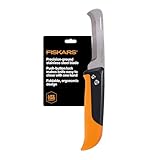
- A Sharp Knife or Pruning Shears: A sharp knife or pruning shears are essential for cleanly cutting the broccoli head and stalks. A serrated knife can be particularly effective for cutting through the thick stalks.
- Gloves (Optional): While not strictly necessary, gloves can protect your hands from dirt and potential irritants.
- Harvest Basket or Container: A basket or container to collect your harvested broccoli.
Investing in quality tools will make the harvesting process more enjoyable and efficient. Make sure to clean and sharpen your tools regularly to maintain their effectiveness.
Choosing the Right Cutting Tool
The choice between a knife and pruning shears often comes down to personal preference. Both can be effective, but consider these factors: (See Also: Master the Art: How to Plant a Mesquite Tree for Success)
- Knife: A sharp kitchen knife or a dedicated harvesting knife provides a clean cut and is easy to handle.
- Pruning Shears: Pruning shears are great for cutting through thick stalks and can be easier to maneuver in tight spaces. Choose bypass pruners for clean cuts.
Regardless of your choice, ensure the cutting tool is sharp to minimize damage to the plant and promote healthy regrowth. Dull tools can crush the stem, hindering the production of side shoots.
Step-by-Step Guide on How to Cut Broccoli Plant
Now that you know when to harvest and have the right tools, let’s learn how to cut a broccoli plant properly. Follow these steps for a successful harvest and to encourage further production:
- Inspect the Plant: Before you start cutting, carefully examine the broccoli head. Ensure it’s the right size, color, and firmness, and that the florets are still tightly closed.
- Locate the Main Stem: Identify the main stem just below the broccoli head. This is where you’ll make the cut.
- Make the Cut: Using your sharp knife or pruning shears, cut the main stem at a slight angle, leaving at least 5-6 inches of stem attached to the head. This angled cut helps prevent water from pooling and rotting the remaining stem.
- Harvest the Head: Gently lift the broccoli head and place it in your harvest basket or container.
- Encourage Side Shoots: After harvesting the main head, the plant will often produce smaller side shoots. These side shoots can be harvested later as they mature.
- Water and Fertilize (Optional): After harvesting the main head, water the plant thoroughly and consider applying a balanced fertilizer to promote the growth of side shoots.
By following these steps, you can harvest your broccoli plants effectively and encourage continued production of smaller heads.
Harvesting Side Shoots
After harvesting the main head, your broccoli plant will often produce smaller side shoots. These side shoots are smaller heads that grow from the leaf axils. Harvesting these side shoots is similar to harvesting the main head, but the process is generally simpler.
- Wait for Maturity: Allow the side shoots to develop to a suitable size, typically 3-6 inches in diameter.
- Cut the Stalk: Cut the stalk of each side shoot, leaving a small portion of the stem attached to the plant.
- Continue Harvesting: Continue harvesting side shoots as they mature, extending your harvest season.
Harvesting side shoots allows you to enjoy a continuous supply of fresh broccoli from your garden.
Post-Harvest Care and Storage
Proper post-harvest care and storage are essential for preserving the quality and flavor of your broccoli. Here’s how to care for your harvested broccoli and store it properly:
Cleaning and Preparing Broccoli for Storage
Before storing your broccoli, it’s essential to clean and prepare it properly. This will help remove any dirt, insects, or debris and extend its shelf life.
- Rinse: Rinse the broccoli heads thoroughly under cold running water.
- Inspect: Inspect the heads for any insects or damage.
- Trim: Trim any excess stem and leaves.
- Dry: Gently pat the broccoli heads dry with paper towels.
Proper cleaning and preparation will help ensure that your broccoli stays fresh and delicious for as long as possible.
Storing Broccoli
Proper storage is key to maintaining the freshness and flavor of your harvested broccoli. Here are a few methods for storing broccoli:
- Refrigerator: Store unwashed broccoli in the refrigerator for up to a week. Wrap the broccoli loosely in a damp paper towel or place it in a perforated plastic bag to maintain moisture.
- Freezer: Broccoli can be frozen for longer-term storage. Blanch the broccoli florets in boiling water for about 3 minutes, then immediately plunge them into ice water to stop the cooking process. Drain and dry the florets thoroughly before freezing them in a freezer bag or container. Frozen broccoli can last for up to 12 months.
- Root Cellar: If you have a root cellar, you can store broccoli for a longer period. Place the broccoli heads in a cool, humid environment.
Choose the storage method that best suits your needs and the length of time you want to preserve your broccoli. (See Also: How to Save My Lavender Plant: Ultimate Rescue Guide)
Common Problems and Solutions
Even with the best care, broccoli plants can encounter various problems. Here are some common issues and how to address them:
Pests
Broccoli is susceptible to several pests, including:
- Cabbage Worms: These green caterpillars can devour broccoli leaves and heads. Handpick them off the plants or use an organic insecticide, such as Bacillus thuringiensis (Bt).
- Aphids: These tiny insects suck sap from the plants. Control them by spraying with insecticidal soap or neem oil.
- Flea Beetles: These small beetles can create tiny holes in the leaves. Use row covers to protect young plants.
Regularly inspect your plants for pests and take action promptly to prevent significant damage.
Diseases
Broccoli can also be affected by diseases such as:
- Downy Mildew: This fungal disease causes yellow spots on the leaves. Improve air circulation and avoid overhead watering to prevent it.
- Clubroot: This soil-borne disease causes root swelling. Rotate crops and improve soil drainage.
Preventing diseases involves proper plant spacing, good air circulation, and avoiding overwatering. Remove and dispose of any infected plants.
Bolting
Bolting occurs when the broccoli plant prematurely flowers, making the head bitter and inedible. Bolting is often triggered by heat stress. To prevent bolting:
- Plant at the right time: Plant broccoli in early spring or late summer/early fall.
- Provide shade: Use shade cloth during hot weather.
- Water regularly: Keep the soil consistently moist.
By addressing these common problems, you can help ensure a healthy and productive broccoli crop.
Frequently Asked Questions (faq)
Here are some frequently asked questions about cutting broccoli plants:
When Should I Harvest My Broccoli?
Harvest broccoli when the central head is firm and compact, with tightly packed florets and before any florets begin to open. Usually, this is when the head is fully developed.
How Do I Harvest Broccoli Without Damaging the Plant?
Use a sharp knife or pruning shears to cut the main stem at a slight angle, leaving at least 5-6 inches of stem attached to the head. This encourages side shoot production. (See Also: How to Plant in Coconut Fiber Hanging Baskets: A Complete Guide)
Can I Harvest Side Shoots From My Broccoli Plant?
Yes, after harvesting the main head, your broccoli plant will often produce smaller side shoots. Harvest these as they mature, extending your harvest season.
How Do I Store My Harvested Broccoli?
Store unwashed broccoli in the refrigerator for up to a week. For longer-term storage, blanch and freeze the broccoli florets.
What Is the Difference Between a Head of Broccoli and a Side Shoot?
The main head of broccoli is the primary, central flower cluster. Side shoots are smaller, secondary flower clusters that grow from the leaf axils after the main head is harvested.
How Can I Prevent My Broccoli From Bolting?
To prevent bolting, plant at the appropriate time of year, provide shade during hot weather, and water regularly to keep the soil consistently moist.
The Benefits of Growing and Harvesting Your Own Broccoli
Growing and harvesting your own broccoli provides numerous benefits beyond just the delicious taste. It’s a rewarding experience that connects you with the food you eat and offers several advantages:
- Freshness: Homegrown broccoli is significantly fresher than store-bought. You can harvest it at its peak ripeness, ensuring optimal flavor and nutritional value.
- Nutritional Value: Freshly harvested broccoli retains more of its vitamins and minerals compared to broccoli that has been stored and transported.
- Cost Savings: Growing your own broccoli can save you money compared to buying it at the grocery store.
- Organic Control: You have complete control over how your broccoli is grown. You can avoid using pesticides and herbicides, opting for organic growing methods instead.
- Satisfaction: There is a great deal of satisfaction in eating food you’ve grown from seed to harvest.
Growing your own broccoli is a rewarding experience that benefits your health, your wallet, and your overall well-being. It’s also a great way to connect with nature and enjoy the simple pleasures of gardening.
Conclusion: Enjoying the Fruits of Your Labor
Learning how to cut a broccoli plant successfully is a rewarding experience. From understanding the optimal harvest time to mastering the cutting techniques and proper storage, you’re now equipped with the knowledge to enjoy a bountiful broccoli harvest. Remember to monitor your plants regularly, use sharp tools, and practice proper post-harvest care. With a little practice, you’ll be enjoying fresh, delicious broccoli from your garden for months to come. Happy harvesting!
Recommended Products