So, you’re looking to protect your property, livestock, or garden with an electric fence? Excellent choice! Electric fences are a highly effective deterrent, offering a cost-efficient and relatively low-maintenance solution compared to other security measures. But how do you actually get one up and running? That’s what we’re here to help you with.
This guide will walk you through how to connect an electric fence, from choosing the right components to the final energization. We’ll cover everything you need to know, breaking down the process into clear, easy-to-follow steps. Whether you’re a seasoned homesteader or a first-time fence builder, this guide will equip you with the knowledge and confidence to install a safe and effective electric fence.
Let’s get started and learn how to secure your perimeter!
Understanding Electric Fences
Before you start connecting anything, it’s essential to understand the basics of an electric fence system. This knowledge will help you choose the right components and ensure a safe and effective installation. Think of it as the foundation of your fencing project.
What Is an Electric Fence?
An electric fence is a physical barrier that delivers a brief, but memorable, electric shock to anyone (or anything) that touches it. The shock is designed to be a deterrent, not a lethal threat. The system typically consists of an energizer (the power source), a fence line (the conductive material), insulators (to prevent the electricity from grounding out), and a grounding system (to complete the circuit).
Electric fences are commonly used for a variety of purposes, including:
- Livestock management: Containing livestock and preventing predators from entering.
- Property security: Deterring trespassers and protecting assets.
- Wildlife control: Keeping animals out of gardens or preventing them from damaging crops.
Key Components of an Electric Fence
Let’s take a closer look at the key components:
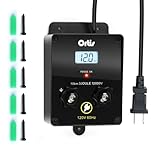
- Energizer (Fence Charger): This is the heart of the system. The energizer takes power from an outlet, battery or solar panel and converts it into high-voltage, low-amperage pulses. It is the component that delivers the shock. Energizers come in various types and power outputs, depending on the length of the fence and the type of animals you’re trying to contain.
- Fence Wire/Tape/Rope: This is the conductive material that carries the electric current. You can use galvanized steel wire, polywire, polytape, or polyrope. The choice depends on the application. For example, polytape is often used for horses because it’s highly visible.
- Insulators: These are crucial for preventing the electric current from short-circuiting to the fence posts or the ground. They are made of non-conductive materials like plastic or ceramic and are designed to securely hold the fence wire in place.
- Fence Posts: These support the fence line and can be made of wood, metal, fiberglass, or plastic. The type of post you choose will depend on the terrain, the type of animals you’re fencing, and the desired lifespan of the fence.
- Grounding System: This is essential for completing the electrical circuit. The energizer sends the pulse down the fence line and then, when the animal touches the fence, the current flows through the animal, through the ground, and back to the grounding system. The grounding system typically consists of grounding rods driven into the earth.
- Connecting Wires and Cables: These are used to connect the energizer to the fence line and the grounding system. They are typically insulated to prevent shorts.
- Lightning Protection (Optional but Recommended): Lightning can damage the energizer. Consider a lightning diverter to protect your investment.
Types of Energizers
Energizers come in a variety of types, each with its own power source and suitability for different applications:
- AC Energizers: These are powered by standard household electricity (120V). They’re generally the most powerful and are suitable for large fences and demanding applications.
- DC Energizers: These are powered by batteries (typically 12V). They’re portable and ideal for remote locations where AC power is unavailable.
- Solar Energizers: These use solar panels to charge a battery that powers the energizer. They are a good option for remote locations and are environmentally friendly.
- Hybrid Energizers: These can operate on both AC power and battery power, providing flexibility and backup power in case of a power outage.
Important Note: Always choose an energizer that is rated for the length of your fence and the type of animals you are containing. A fence that is too weak won’t be effective, while a fence that is too strong can be dangerous. Consult the energizer manufacturer’s guidelines for appropriate recommendations.
Safety Precautions
Safety is paramount when working with electric fences. Always follow these precautions:
- Read the manufacturer’s instructions: Before you start, carefully read the instructions provided with your energizer and other components.
- Keep children and pets away: Ensure that children and pets are kept away from the fence during installation and operation.
- Post warning signs: Clearly mark the fence with warning signs to alert people and animals to the presence of electricity.
- Avoid contact with the fence: Never touch the fence line while the energizer is turned on.
- Inspect the fence regularly: Check the fence for any damage or malfunctions. Repair any issues immediately.
- Ground the energizer properly: A good grounding system is essential for safety and effectiveness.
- Use approved components: Only use components specifically designed for electric fence systems.
- Disconnect the power before working on the fence: Always turn off the energizer and disconnect the power source before performing any maintenance or repairs.
Choosing the Right Components
Selecting the right components is crucial for building an effective and reliable electric fence. This section will guide you through the process of choosing the appropriate energizer, fence wire, insulators, and other essential items.
Selecting the Energizer
The energizer is the most important component. Consider these factors when choosing an energizer:
- Fence Length: Measure the total length of your fence line, including any corners or curves. Energizers are rated by the number of miles of fence they can power. Choose an energizer that is rated for a length that exceeds your fence length by at least 20%. This buffer is important for optimal performance.
- Type of Animals: Different animals require different levels of shock. For example, a heavy-duty energizer is needed for containing cattle or preventing bear intrusions, while a smaller energizer may suffice for chickens or pets.
- Vegetation: If your fence line will be in an area with a lot of vegetation, choose an energizer with a higher output. Vegetation touching the fence line can drain the current and reduce its effectiveness.
- Power Source: Decide whether you need an AC, DC, or solar-powered energizer based on the availability of power and the location of your fence.
- Output Voltage: The output voltage of the energizer is measured in volts. A higher voltage generally indicates a stronger shock. However, it’s important to choose an energizer that is appropriate for the type of animal you are containing and that meets local regulations.
- Pulse Duration and Energy Output: The pulse duration (the length of time the pulse lasts) and the energy output (measured in joules) also influence the effectiveness of the shock.
Example: If you have a 1-mile fence and want to keep in cattle, you might need an energizer rated for 2-3 miles, with a high output voltage and a moderate joule rating. If you are keeping chickens in a small area, a smaller energizer with a lower voltage and joule rating may be sufficient.
Choosing Fence Wire/tape/rope
The choice of fence wire, tape, or rope depends on the type of animals you’re fencing, the visibility you desire, and your budget.
- Galvanized Steel Wire: This is a durable and cost-effective option, suitable for containing most types of livestock. It is highly conductive and lasts a long time.
- Polywire: This is a lighter and more flexible option that is easier to handle and install. It is made of plastic strands with embedded stainless steel wires. It’s often used for temporary fencing or for horses.
- Polytape: Polytape is a wide, flat material that is highly visible, making it ideal for horses. It is made of plastic strands with embedded conductive wires.
- Polyrope: Similar to polytape, polyrope is a round, highly visible option that is also good for horses.
Important Considerations: (See Also: How to Build a Modern Wood Fence: A Step-by-Step Guide)
- Tensile Strength: Consider the tensile strength of the wire or tape, especially if you’re fencing large animals.
- Conductivity: Ensure the wire/tape/rope has good conductivity to effectively carry the electric current.
- Visibility: Choose a material that is highly visible to animals and humans to prevent accidental contact.
Selecting Insulators
Insulators are critical for preventing the electric current from shorting out. Choose insulators that are compatible with your fence posts and fence wire/tape/rope.
- Post Type: Consider the type of fence posts you are using (wood, metal, etc.) and choose insulators designed for those posts.
- Wire/Tape/Rope Compatibility: Select insulators that are designed to securely hold your chosen fence material.
- UV Resistance: Choose insulators that are UV-resistant to prevent degradation from sunlight.
- Material: Insulators are typically made of plastic or ceramic. Plastic insulators are more common and generally suitable for most applications. Ceramic insulators are more durable and are often used in high-voltage or high-stress situations.
Choosing Fence Posts
The choice of fence posts depends on the terrain, the type of animals you are fencing, and the desired lifespan of the fence.
- Wood Posts: These are a traditional and durable option, suitable for most applications. They can be treated to resist rot and insects.
- Metal Posts: These are strong and easy to install, often used for temporary or semi-permanent fences.
- Fiberglass Posts: These are lightweight, flexible, and resistant to rot and corrosion.
- Plastic Posts: These are lightweight, easy to install, and ideal for temporary fencing or areas with high moisture.
Spacing: The spacing between posts will depend on the type of animals you are fencing, the terrain, and the type of posts you are using. Heavier animals and uneven terrain will require closer post spacing.
Grounding System Components
A good grounding system is essential for the electric fence to function correctly. The grounding system completes the electrical circuit and allows the shock to be delivered. The grounding system typically consists of:
- Ground Rods: These are typically made of galvanized steel or copper and are driven into the ground. Use multiple ground rods, spaced apart, to improve grounding effectiveness.
- Ground Wire: This is a heavy-gauge wire (typically insulated) that connects the energizer to the ground rods.
- Ground Clamps: These are used to securely connect the ground wire to the ground rods.
Grounding Rod Length: The length of the ground rods will depend on the soil conditions. In dry or sandy soil, you may need longer ground rods to achieve good grounding. The general recommendation is to drive the rods as deep as possible, ideally at least 6-8 feet deep.
Step-by-Step Installation Guide
Now that you have all the necessary components, let’s walk through the steps to connect your electric fence.
- Plan Your Fence Layout: Before you begin, carefully plan the layout of your fence. Consider the terrain, the type of animals you’re fencing, and any obstacles. Mark the corners and the fence line with stakes or flags.
- Prepare the Fence Line: Clear the fence line of any vegetation that could come into contact with the fence wire. This includes grass, weeds, and branches.
- Install the Fence Posts: Install the fence posts according to your plan. Drive the posts into the ground, ensuring they are securely in place. The spacing between posts will depend on the type of posts you’re using and the type of animals you’re fencing. Corner and gate posts should be extra sturdy.
- Install Insulators: Attach the insulators to the fence posts, ensuring they are securely in place and at the correct height for your chosen fence wire/tape/rope.
- String the Fence Wire/Tape/Rope: String the fence wire, tape, or rope through the insulators, ensuring it is taut and free from any sags. Use wire strainers or tensioners to keep the wire tight.
- Install the Energizer: Mount the energizer in a protected location, such as a shed or a weatherproof enclosure. Ensure it is securely mounted and out of reach of children and animals.
- Connect the Energizer to the Fence Line: Connect the positive (output) terminal of the energizer to the fence wire/tape/rope using insulated connecting wire.
- Install the Grounding System: Drive the ground rods into the ground, at least 10 feet away from any structures or underground utilities and at least 30 feet from the energizer. Connect the ground rods together with the ground wire. Connect the ground wire to the ground (negative) terminal of the energizer. Ensure the connections are tight and secure.
- Test the Fence: Use a fence tester to check the voltage on the fence line. The voltage should be within the recommended range for your energizer and the type of animals you are containing.
- Add Warning Signs: Install warning signs along the fence line to alert people and animals to the presence of electricity. Place signs at regular intervals and at all gates and access points.
- Monitor and Maintain the Fence: Regularly inspect the fence for any damage or malfunctions. Repair any issues immediately. Clear vegetation from the fence line to prevent shorts. Check the grounding system periodically to ensure it is functioning correctly.
Tip: Consider using a fence tester to check the voltage at various points along your fence. This will help you identify any areas where the voltage may be low due to shorts or other issues.
Connecting the Energizer to the Fence
This is a critical step. Improper connections can lead to a non-functioning fence or even a dangerous situation. Here’s how to do it correctly:
- Safety First: Before you begin, ensure the energizer is turned OFF and disconnected from its power source (AC outlet, battery, or solar panel).
- Locate the Terminals: Identify the terminals on the energizer. There will be at least two: one for the fence (positive or output) and one for the ground (negative or ground).
- Connect the Fence Wire: Using insulated fence wire (designed for electric fence use), connect the positive (output) terminal of the energizer to your fence line. This connection carries the high-voltage pulses to the fence. Properly attach the wire to both the energizer terminal and the fence wire, ensuring a secure and weather-resistant connection. Use appropriate connectors, such as crimp connectors or terminal screws, as recommended by the energizer manufacturer.
- Connect the Ground Wire: Connect the negative (ground) terminal of the energizer to your grounding system. Use a heavy-gauge insulated wire (typically the same gauge as the fence wire) to connect the energizer’s ground terminal to the ground rod system.
- Make Secure Connections: Double-check all connections to ensure they are tight and secure. Loose connections can lead to voltage loss or arcing, which can damage the energizer.
- Protect the Connections: Consider using weatherproof connectors or enclosures to protect the connections from the elements (rain, snow, and sun). This will help to prevent corrosion and ensure reliable operation.
- Test the Connection: After making the connections, turn the energizer on. Use a fence tester to measure the voltage on the fence line. The voltage should be within the recommended range for your energizer and the type of animals you are containing.
- Regular Inspection: Periodically inspect the connections for corrosion or damage. Repair or replace any damaged wires or connectors.
Important Tip: Keep the fence wire and ground wire separate to prevent shorts. Do not run the fence wire and ground wire parallel to each other. Keep them at least 6 inches apart.
Troubleshooting Common Problems
Even with careful installation, you may encounter problems. Here’s a troubleshooting guide:
- Fence is not energizing:
- Check the power source (AC outlet, battery, solar panel).
- Check the energizer switch.
- Inspect the connections to the fence and ground.
- Test the energizer with a fence tester. If the energizer is not producing voltage, it may be faulty.
- Low Voltage:
- Check for shorts. Look for vegetation touching the fence wire, faulty insulators, or damaged wire.
- Check the grounding system. Ensure the ground rods are properly installed and connected. Add more ground rods if necessary.
- Check the energizer output. The energizer may be undersized for the fence length or vegetation.
- Energizer is buzzing or clicking erratically:
- Check for shorts.
- Check the connections.
- The energizer may be faulty.
- Animals are escaping:
- Check the voltage on the fence. It may be too low.
- Check for shorts.
- Ensure the fence is properly grounded.
- Ensure the fence wire is at the correct height for the animals.
If you are unsure about any aspect of the troubleshooting process, consult a qualified electrician or electric fence specialist.
Maintaining Your Electric Fence
Regular maintenance is key to ensuring your electric fence remains effective and safe. Here’s a maintenance checklist:
- Weekly:
- Check the fence voltage with a fence tester.
- Walk the fence line and inspect for any damage to the wire, insulators, or posts.
- Clear any vegetation touching the fence wire.
- Check the grounding system.
- Monthly:
- Inspect the energizer and connections for any signs of wear or damage.
- Check the grounding system.
- Test the energizer’s output.
- Annually:
- Replace any worn or damaged components.
- Check the grounding system and add more ground rods if necessary.
- Inspect the fence posts and replace any that are damaged or rotting.
- Trim any trees or bushes near the fence line.
Winter Considerations: In areas with heavy snow, you may need to take additional steps to maintain your electric fence. Snow and ice can weigh down the fence wire and reduce its effectiveness. Clear snow and ice from the fence line regularly. Consider using a snow fence to protect the electric fence from snow accumulation.
Important: Always disconnect the power to the energizer before performing any maintenance or repairs on the fence. (See Also: How to Build a Wood and Wire Fence: A Step-by-Step Guide)
Frequently Asked Questions (faq)
Here are answers to some of the most common questions about electric fences:
Q: How much voltage is safe for an electric fence?
A: The voltage should be high enough to deter animals but not pose a significant risk of injury. Most electric fences operate between 2,000 and 10,000 volts. However, local regulations may limit the maximum allowed voltage. It’s crucial to follow all safety guidelines and consult with local authorities if you have any doubts.
Q: How far apart should the ground rods be?
A: Ground rods should be spaced at least 10 feet apart to ensure that they are not electrically interfering with each other. For optimal grounding, use multiple ground rods and connect them with a continuous ground wire.
Q: How often should I check my electric fence?
A: It’s a good practice to check your electric fence at least once a week. This includes checking the voltage, inspecting the fence line for any damage, and clearing vegetation. More frequent checks may be necessary during periods of heavy rain or snow.
Q: What is the difference between a pulsed and a continuous current electric fence?
A: Modern electric fences use a pulsed current, which delivers short, high-voltage pulses. This is safer and more effective than a continuous current. The pulse duration is very short, minimizing the risk of injury while still providing a strong deterrent.
Q: What are the legal requirements for electric fences?
A: Regulations regarding electric fences vary by location. Local laws may specify the maximum height, voltage, and warning sign requirements. It’s essential to check with your local authorities before installing an electric fence to ensure compliance.
Q: Can I use an electric fence for pets?
A: Yes, electric fences can be used for pets, but it’s important to use the appropriate energizer and fence design. Choose an energizer with a lower output voltage and ensure the fence is highly visible. Introduce the pet to the fence gradually and supervise their initial encounters.
Q: Can an electric fence kill an animal? (See Also: How Much Is a Black Chain Link Fence? Get the Best Price Guide!)
A: Electric fences are designed to deter animals, not to kill them. The shock is a brief pulse of high voltage and low amperage, which is typically not lethal. However, it’s important to use the correct energizer and follow all safety guidelines to minimize any risk.
Q: How long does an electric fence last?
A: The lifespan of an electric fence depends on the quality of the components, the environmental conditions, and the level of maintenance. With proper maintenance, an electric fence can last for many years, even decades. Regularly inspect and repair any damage to maximize the lifespan of your fence.
Q: How do I test an electric fence?
A: You can test an electric fence using a fence tester. A fence tester measures the voltage on the fence line. Simply touch the tester’s probe to the fence wire and read the voltage display. If the voltage is within the recommended range, the fence is working correctly. If the voltage is low or non-existent, there may be a problem with the energizer, the grounding system, or the fence line.
Q: What is the best type of wire for an electric fence?
A: The best type of wire depends on your specific needs. Galvanized steel wire is a durable and cost-effective option for many applications. Polywire, polytape, and polyrope are more visible and easier to handle, making them ideal for horses and other animals. Consider the visibility, durability, and conductivity of the wire when making your choice.
Q: Where should I put warning signs on my electric fence?
A: You should place warning signs at regular intervals along the fence line, at all gates, and at all access points. The signs should be clearly visible and should state that the fence is electrified. This will help to alert people and animals to the presence of electricity and prevent accidental contact.
Final Verdict
Connecting an electric fence can seem daunting at first, but by following these steps and paying attention to safety, you can successfully create a secure perimeter. Remember to choose the right components, install them correctly, and maintain the fence regularly. A well-maintained electric fence provides reliable protection for your property and your animals.
Always prioritize safety and consult with professionals if you have any doubts. With the right knowledge and a little effort, you can enjoy the peace of mind that comes with a secure and effective electric fence system. Good luck with your project!
Recommended Products