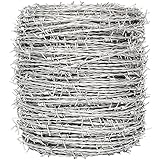
So, you’re facing a barbed wire fence. Maybe it’s a shortcut, maybe you’re on a mission, or maybe you’re just curious. Whatever the reason, climbing a barbed wire fence is a risky endeavor. Safety is paramount. This guide will walk you through the safest methods, emphasizing the potential dangers and how to mitigate them. We’ll cover everything from assessing the fence to the actual climbing techniques, ensuring you’re as prepared as possible.
Before you even think about touching that fence, understand the risks. Barbed wire is designed to deter, and it does so effectively. Cuts, scrapes, and tears are almost guaranteed if you’re not careful. This guide isn’t about promoting illegal activities; it’s about providing information for situations where you might find yourself needing to navigate such an obstacle, prioritizing your well-being above all else. Remember to always respect property boundaries and seek permission when possible.
Understanding the Risks and Assessing the Situation
Before you even think about approaching the fence, you need to understand the dangers. Barbed wire is not your friend. It’s designed to hurt and deter. The primary risks include:
- Cuts and Lacerations: This is the most obvious risk. Barbs can easily tear skin, leading to bleeding and potential infection.
- Tears in Clothing: Your clothes can get snagged, causing you to lose balance or become trapped.
- Falls: A fall from any height can result in serious injuries, especially if you’re impaled on the wire.
- Infection: Barbed wire is often dirty, increasing the risk of infection from cuts. Tetanus is a serious concern.
- Legal Consequences: Depending on the location and purpose, climbing a fence could be trespassing or another illegal act.
People Also Ask: Is climbing a barbed wire fence illegal?
The legality of climbing a barbed wire fence depends on the circumstances and the location. In most cases, if the fence surrounds private property and you do not have permission, you would be trespassing. This is a civil offense, meaning a fine. However, in some situations, such as military bases or secure areas, it could carry more severe penalties. It’s always best to err on the side of caution and avoid trespassing whenever possible. Always consider the potential legal ramifications before attempting to climb any fence.
Pre-Climb Assessment: The Critical First Steps
Before you even touch the fence, take a good look. A thorough assessment can make the difference between a successful crossing and a trip to the emergency room. Here’s what to consider: (See Also: How to Put Up a T Post Fence: A Step-by-Step Guide for Beginners)
- The Fence Type: Is it a simple barbed wire fence, or is it combined with other security measures like razor wire or electric fencing? Razor wire is significantly more dangerous than barbed wire. Electric fences pose an electrical shock hazard.
- The Height and Condition: How tall is the fence? Is it sagging or damaged? A damaged fence is often easier to climb, but also more unstable.
- The Angle: Is the fence straight, or does it follow a slope? Sloping fences can be more challenging.
- The Terrain: What’s on the other side? Is it a steep drop, or is it clear? The landing area is as important as the climb.
- The Visibility: Are you visible from any vantage points? Consider the risk of being seen and the potential for confrontation.
- The Surroundings: Are there any obstacles nearby (e.g., thorny bushes, rocks, or other hazards)?
People Also Ask: What is the best way to cross a barbed wire fence?
The best way to cross a barbed wire fence is to avoid it altogether. However, if that is not an option, the safest method is to use a combination of protective gear, careful planning, and a strategic climbing technique. This includes using thick gloves, eye protection, and sturdy clothing, combined with a method like the ‘leg-over-leg’ technique, which minimizes contact with the wire. The goal is always to reduce the chance of injury while navigating the obstacle.
Essential Gear: Protecting Yourself
Your gear can make or break your attempt. Don’t skimp on protection. Here’s what you absolutely need:
- Thick Gloves: Leather or heavy-duty work gloves are essential to protect your hands from cuts. Multiple layers of protection are best. Consider wearing gloves with reinforced palms and fingers.
- Eye Protection: Goggles or safety glasses will protect your eyes from accidental pokes and debris.
- Sturdy Clothing: Wear durable clothing that covers your arms and legs. Jeans and a long-sleeved shirt are a minimum. Consider a thick jacket.
- Footwear: Sturdy boots with good ankle support are crucial. Avoid shoes with loose laces that could snag.
- Optional Gear:
- Heavy-Duty Blanket or Pad: To drape over the wire and create a safer climbing surface.
- Wire Cutters: Only use these as a last resort and with extreme caution. Cutting the wire can be dangerous and could be considered property damage.
- First-Aid Kit: Include antiseptic wipes, bandages, and pain relievers.
- Headlamp/Flashlight: If climbing at night or in low-light conditions.
Climbing Techniques: Step-by-Step Guide
There are several methods for crossing a barbed wire fence. Here’s a breakdown of the safest and most effective approaches:
- Choose Your Spot: Select a section of the fence that appears less damaged or with fewer barbs. Avoid areas with posts that are unstable or leaning.
- Assess the Wire Spacing: Look for areas where the spacing between the wires is wide enough to maneuver through.
- Protect the Wire (Optional): If you have a blanket or pad, drape it over the top strand of barbed wire. This provides a less dangerous surface to climb over and reduces the risk of cuts.
- The “Leg-Over-Leg” Technique: This is generally the safest method.
- Step 1: Carefully position yourself near the fence.
- Step 2: Place one foot on the bottom wire, using it for balance.
- Step 3: Bring your other leg over the top wire, placing it on the other side. This is the riskiest step. Move slowly and carefully.
- Step 4: Once your second leg is over, reposition your hands and body to maintain balance.
- Step 5: Carefully step down on the other side.
- Step 1: Assess the fence height and the ground on both sides.
- Step 2: If the fence is low enough, crouch under the bottom wire, being mindful of the barbs.
- Step 3: Carefully climb over the top wire.
- Step 1: Drape the blanket over the top wire.
- Step 2: Use the blanket as a handhold and step over the wire.
People Also Ask: What should I do if I get caught on barbed wire? (See Also: How to Install Veranda Vinyl Fence: A Step-by-Step Guide)
If you get caught on barbed wire, remain calm. Avoid sudden movements that could worsen the injury. Assess the situation to determine the best course of action. If possible, gently try to free yourself by carefully retracing your steps. If you cannot do this, call for help, if available. Do not attempt to rip yourself free, as this will result in more severe injuries. Once free, carefully clean and treat any wounds to prevent infection.
Advanced Considerations and Alternatives
If climbing is unavoidable, consider these advanced techniques and alternatives:
- Using a Ladder or Sturdy Object: If you have access to a ladder or a strong, stable object (like a large rock or a sturdy log), use it to create a safer crossing point. Place the object against the fence and climb over it.
- Leveraging the Fence Posts: Use the fence posts to your advantage for stability. However, be cautious, as posts may be loose or unstable. Test them before putting your full weight on them.
- The “Shoulder Carry”: If you’re assisting someone, you can offer a shoulder to step on, reducing direct contact with the wire. This is risky and requires careful coordination.
- Consider Alternate Routes: Before attempting to climb, actively look for alternative routes. Can you go around? Is there a gate or a less hazardous point to cross?
- Wire Cutters (Use with Extreme Caution): As a last resort, if you have wire cutters, carefully cut the wires. Ensure you are wearing appropriate eye protection and gloves. Cut only the minimum number of wires needed to pass through. Be aware that cutting the wire could be illegal and could expose you to liability.
- Night Climbing: Climbing at night increases the risk significantly because of reduced visibility. Always use a headlamp or flashlight and be extra cautious.
After the Climb: Post-Crossing Procedures
Once you’ve successfully crossed the fence, there are a few important steps to take:
- Inspect Yourself: Check for any cuts, scrapes, or tears in your clothing.
- Treat Wounds: Thoroughly clean any cuts with antiseptic wipes or soap and water. Apply a bandage. If the wound is deep or shows signs of infection, seek medical attention.
- Check Your Gear: Inspect your clothing and equipment for damage.
- Assess the Situation: Make sure you are no longer in a dangerous area.
- Consider Reporting: If the fence is damaged or presents a clear hazard, you may consider reporting it to the appropriate authorities.
Common Mistakes to Avoid
- Rushing: Take your time. Haste leads to mistakes and injuries.
- Poor Gear: Don’t skimp on protection. Proper gear is crucial.
- Ignoring the Assessment: Failing to assess the situation before climbing is a recipe for disaster.
- Lack of Balance: Maintaining balance throughout the climb is essential.
- Panicking: If you get snagged, remain calm and assess the situation.
- Underestimating the Danger: Never underestimate the risk of climbing barbed wire.
Ethical and Legal Considerations
It’s important to remember that climbing a barbed wire fence often involves legal and ethical considerations. Always respect private property and be aware of the potential consequences of trespassing. Before attempting to climb, consider the following:
- Property Ownership: Determine who owns the property.
- Permission: If possible, seek permission to cross the fence.
- Legal Consequences: Be aware of the potential penalties for trespassing.
- Moral Responsibility: Consider the ethical implications of your actions.
First Aid for Barbed Wire Injuries
Even with precautions, injuries are possible. Knowing how to handle them is critical: (See Also: How Much to Put Fence Around House? Get a Free Estimate & Save!)
- Minor Cuts:
- Clean: Wash the wound thoroughly with soap and water.
- Disinfect: Apply an antiseptic wipe or solution.
- Bandage: Cover the wound with a clean bandage.
- Monitor: Watch for signs of infection (redness, swelling, pus, fever).
- Deeper Wounds:
- Control Bleeding: Apply direct pressure to the wound.
- Clean: Rinse the wound with clean water.
- Seek Medical Attention: Consult a doctor immediately. Deep cuts may require stitches or other treatment.
- Signs of Infection:
- Redness and Swelling: Around the wound.
- Pus: Discharge from the wound.
- Fever: Elevated body temperature.
- Increased Pain: Worsening pain at the site.
- Seek Medical Attention Immediately.
Tetanus Shots: Why They Matter
Barbed wire injuries carry a high risk of tetanus infection. Tetanus is a serious bacterial disease that can cause muscle stiffness, paralysis, and even death. If you sustain a cut from barbed wire, it is important to ensure that your tetanus vaccination is up to date.
- Vaccination Schedule: Adults need a tetanus booster every 10 years.
- If Unsure: Consult a doctor immediately.
- Treatment: Tetanus is treatable with antibiotics and antitoxins, but prevention through vaccination is best.
Verdict
Climbing a barbed wire fence is inherently dangerous. While this guide provides information on how to do it as safely as possible, it should always be a last resort. Prioritize safety above all else, and always respect property boundaries. If you must cross, use the methods described, wear the proper gear, and be prepared for potential injury. Remember, avoiding the fence entirely is the safest and best option.
Recommended Products