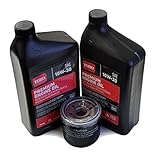
Is your trusty Toro lawn mower starting to sound a little rough? Maybe it’s not running as smoothly as it used to. One of the most common and effective ways to give your mower a new lease on life is by changing its oil. It’s a maintenance task that might seem daunting at first, but with a little guidance, you’ll find it’s quite straightforward.
Regular oil changes are crucial for keeping your Toro’s engine healthy and extending its lifespan. Old, dirty oil can lead to increased wear and tear, overheating, and ultimately, costly repairs. Don’t worry, though! This guide will walk you through the entire process, step by step, so you can get back to enjoying a perfectly cut lawn.
Why Changing Your Toro Mower’s Oil Is Essential
Think of your lawn mower’s engine oil like the blood in your own body. It lubricates moving parts, reduces friction, dissipates heat, and cleans away debris. Over time, this oil breaks down, becomes contaminated with dirt, metal shavings, and combustion byproducts. This degraded oil loses its effectiveness, leading to:
- Increased Engine Wear: Without proper lubrication, metal parts grind against each other, causing premature wear.
- Overheating: Oil helps regulate engine temperature. Dirty oil can’t dissipate heat efficiently, leading to overheating.
- Reduced Performance: A struggling engine won’t deliver the clean, efficient cut you expect.
- Shorter Engine Lifespan: Neglecting oil changes is one of the fastest ways to shorten the life of your mower’s engine.
Toro lawn mowers are built to last, but they rely on you to perform regular maintenance. Changing the oil is arguably the single most important maintenance task you can do for your Toro. Aim to do it at least once a season, or more frequently if you use your mower extensively or in dusty conditions. Consult your Toro owner’s manual for the specific oil change interval recommended for your model.
Gathering Your Supplies: What You’ll Need
Before you dive in, make sure you have all the necessary tools and supplies. Having everything ready will make the process smoother and faster. Here’s a checklist:
| Item | Description |
|---|---|
| New Engine Oil | Check your Toro owner’s manual for the correct viscosity (e.g., SAE 30, 10W-30) and type (typically conventional or synthetic). Purchase slightly more than you think you’ll need. |
| Oil Filter | If your Toro model has a spin-on oil filter, ensure you have the correct replacement part number. |
| Oil Drain Pan | A pan with a capacity of at least 1 gallon to catch the old oil. |
| Wrench or Socket Set | To remove the oil drain plug. The size will vary by model. |
| Oil Filter Wrench | A specialized wrench designed to grip and turn oil filters. |
| Funnel | A clean funnel for adding the new oil. |
| Rags or Paper Towels | For wiping up spills and cleaning parts. |
| Gloves | To keep your hands clean. |
| Cardboard or Drop Cloth | To protect your work surface from spills. |
| Container for Used Oil | An old oil jug or a sealable container for transporting used oil for recycling. |
Step-by-Step Guide: How to Change the Oil on Your Toro Lawn Mower
Ready to get started? Follow these steps carefully. Safety first!
Step 1: Prepare Your Mower
Warm Up the Engine: Start your Toro mower and let it run for 5-10 minutes. This warms the oil, making it flow more easily and carry more contaminants out. Don’t let it get too hot, though; you don’t want to burn yourself.
Park on a Level Surface: Ensure your mower is parked on a flat, stable surface. This is crucial for accurate oil draining and filling. If you’re working on a slight incline, the oil might not drain completely or could give you a false reading.
Engage the Parking Brake: If your mower has a parking brake, engage it firmly. If it doesn’t, ensure the mower is in neutral and won’t roll. For extra safety, you can place blocks behind the wheels.
Disconnect the Spark Plug: This is a critical safety step! To prevent accidental starting while you’re working, disconnect the spark plug wire. Pull the boot off the spark plug. If you’re unsure which wire it is, it’s usually the thickest one connected to the engine. (See Also: How to Clean Spark Plugs Lawn Mower: Revive Your Engine!)
Protect Your Work Area: Lay down cardboard or a drop cloth under the mower to catch any drips or spills. This will save you a lot of cleanup later.
Step 2: Locate and Drain the Old Oil
Find the Oil Drain Plug: The oil drain plug is typically located at the bottom of the engine’s oil pan. It looks like a bolt. Consult your owner’s manual if you have trouble finding it. Some Toro models might have a drain hose or a tilt-to-drain mechanism instead of a traditional plug.
Position the Drain Pan: Place your oil drain pan directly underneath the oil drain plug. Make sure it’s centered to catch all the old oil.
Remove the Drain Plug: Using the appropriate wrench or socket, carefully loosen and remove the oil drain plug. Be prepared for the oil to start flowing out immediately. If there’s a drain hose, open the valve or remove the cap.
Let it Drain Completely: Allow all the old oil to drain into the pan. This can take several minutes. While it’s draining, you can take this time to inspect the drain plug for any metal shavings, which could indicate excessive engine wear.
Step 3: Replace the Oil Filter (if Applicable)
Locate the Oil Filter: If your Toro mower has a spin-on oil filter, it’s usually located on the side of the engine. Again, your manual will be your best friend here.
Position the Drain Pan: Move the drain pan so it’s positioned beneath the oil filter, as some oil will likely spill out when you remove it.
Remove the Old Filter: Use an oil filter wrench to loosen the old oil filter. Once it’s loose, you should be able to unscrew it by hand. Be careful, as it will be full of oil.
Prepare the New Filter: Before installing the new oil filter, dip your finger in some of the new engine oil and lubricate the rubber gasket on the new filter. This helps create a good seal and makes it easier to remove next time. (See Also: How Much to Cut My Lawn? Your Ultimate Guide)
Install the New Filter: Screw the new oil filter on by hand until the gasket makes contact with the engine. Then, tighten it an additional 1/2 to 3/4 of a turn. Do not overtighten, as this can damage the filter or the engine.
Step 4: Reinstall the Drain Plug and Add New Oil
Clean and Reinstall the Drain Plug: Once the old oil has completely drained, wipe the oil drain plug and the area around the drain hole clean. Reinstall the drain plug and tighten it securely with your wrench. Be careful not to overtighten. If your model uses a drain hose, close the valve or replace the cap.
Position the Funnel: Insert your clean funnel into the oil fill opening. This is usually clearly marked on the engine. Consult your manual if you’re unsure.
Add the New Oil: Slowly pour the recommended amount and type of new engine oil into the funnel. Your owner’s manual will specify the exact capacity. It’s better to add a little less than the full amount initially and then check the level.
Step 5: Check the Oil Level and Finish Up
Remove the Funnel and Replace the Cap: Once you’ve added the oil, remove the funnel and securely replace the oil fill cap.
Check the Oil Level: Remove the oil dipstick, wipe it clean with a rag, reinsert it fully, and then pull it out again to check the oil level. The oil level should be between the ‘Add’ and ‘Full’ marks on the dipstick. If it’s too low, add a small amount of oil and recheck. If you accidentally overfill, you’ll need to drain some out.
Reconnect the Spark Plug: Reconnect the spark plug wire boot to the spark plug.
Start the Engine and Check for Leaks: Start your Toro mower and let it run for a minute or two. While it’s running, carefully inspect the oil drain plug and the oil filter (if applicable) for any signs of leaks. If you see any leaks, immediately shut off the engine and tighten the offending component.
Final Oil Level Check: Shut off the engine and wait a few minutes for the oil to settle. Perform one last oil level check using the dipstick to ensure it’s still at the correct level. (See Also: How to Bypass Lawn Mower Seat Switch: Quick Fixes &…)
Step 6: Dispose of Used Oil Responsibly
Never pour used engine oil down drains, into the soil, or into regular trash. It’s a serious environmental pollutant. Take your used oil to an auto parts store, a recycling center, or a hazardous waste disposal facility that accepts used motor oil. Many local service stations also offer this service.
Troubleshooting Common Issues
While the oil change process is generally straightforward, you might encounter a few minor hiccups. Here’s how to handle them:
- Stripped Drain Plug: If you accidentally strip the threads on the drain plug or in the oil pan, this is a more significant repair. You might be able to use a slightly larger plug or a thread repair kit, but often it requires professional attention. Always use the correct size wrench and apply steady pressure when loosening and tightening.
- Leaking Oil Filter: A leaking oil filter is usually due to an improperly tightened filter or a damaged rubber gasket. Ensure the mating surface on the engine is clean and free of debris before installing the new filter. Lubricate the new filter’s gasket and tighten it according to the instructions (hand-tight plus a partial turn).
- Overfilling the Oil: If you add too much oil, the engine can overheat, run rough, and even cause damage. You’ll need to drain out the excess oil. The easiest way is to slightly loosen the drain plug and let a small amount drain out into your pan, then re-tighten the plug and recheck the level.
- Difficulty Removing Old Oil Filter: Sometimes, an old oil filter can be incredibly stuck. An oil filter wrench is essential. If it’s still difficult, try tapping lightly around the base of the filter with a rubber mallet to help break the seal, or use a strap wrench for extra grip. As a last resort, some mechanics will carefully puncture the filter with a screwdriver to get leverage, but this is messy and should be done with extreme caution.
When to Seek Professional Help
While changing your Toro mower’s oil is a manageable DIY task, there are times when it’s best to let a professional handle it:
- If you’re uncomfortable with the process: Your safety and peace of mind are paramount.
- If you encounter significant mechanical issues: Such as a stripped drain plug or a cracked oil pan.
- If your mower is still under warranty: Some manufacturers require professional service for warranty claims.
- If you don’t have the necessary tools: Investing in specialized tools might not be cost-effective for a single oil change.
A qualified small engine mechanic can perform the oil change efficiently and ensure all other aspects of your mower’s engine are in good working order.
Understanding Your Toro Owner’s Manual
Your Toro owner’s manual is your ultimate guide for all maintenance tasks, including oil changes. It contains specific information tailored to your particular mower model, such as:
- Recommended Oil Type and Viscosity: This is critical for proper engine lubrication. Using the wrong oil can cause damage.
- Oil Capacity: Knowing exactly how much oil your engine needs prevents overfilling or underfilling.
- Oil Change Intervals: The manual will provide recommended service intervals based on hours of operation or time.
- Location of Drain Plug and Oil Filter: Diagrams in the manual will clearly show where these components are located.
- Specific Procedures: Some models might have unique draining or filling procedures.
Never discard your owner’s manual! It’s an invaluable resource for keeping your Toro lawn mower running smoothly for years to come.
Tips for a Cleaner and Easier Oil Change
Here are a few extra tips to make your oil change experience as pleasant as possible:
- Work on a Warm Engine (but not hot): As mentioned, warm oil flows better. Letting the mower sit for 10-15 minutes after running should be sufficient.
- Use a Long Funnel: This helps prevent oil from splashing back onto the engine or yourself.
- Consider a Drain Plug Extender or Hose: For easier draining without getting under the mower as much, you can purchase specialized drain plug extenders or flexible hoses that attach to the drain plug.
- Keep a “Mower Parts” Container: Dedicate a small bin for spare parts like spark plugs, air filters, and oil filters, along with a copy of your owner’s manual.
- Schedule It: Treat oil changes like any other important appointment. Mark it on your calendar to ensure it doesn’t get forgotten.
By following these steps and tips, you’ll be well on your way to mastering the art of changing the oil on your Toro lawn mower. It’s a simple yet effective way to ensure your mower performs at its best, season after season.
Conclusion
Changing the oil on your Toro lawn mower is a vital maintenance task that significantly contributes to its longevity and performance. By following these clear, step-by-step instructions, you can confidently tackle this job yourself, saving money and ensuring your mower runs smoothly. Remember to gather your supplies, work safely, and always dispose of used oil responsibly.
Recommended Products