Are you looking to add a touch of green to your home but worried about your lack of a green thumb? Look no further than the ZZ plant (Zamioculcas zamiifolia)! This incredibly resilient and low-maintenance houseplant is perfect for beginners and seasoned plant parents alike. With its glossy, dark green leaves and ability to thrive in various conditions, the ZZ plant is a fantastic choice for anyone seeking a beautiful and easy-to-care-for plant.
This comprehensive guide will provide you with all the essential information you need to successfully care for your ZZ plant indoors. We’ll cover everything from ideal lighting and watering techniques to propagation methods and common problems, ensuring your ZZ plant flourishes. Get ready to transform your living space with this stunning and adaptable houseplant. Learn the secrets of how to care for ZZ plant indoors and watch it thrive!
Understanding the Zz Plant: A Quick Overview
The ZZ plant, scientifically known as Zamioculcas zamiifolia, is a perennial flowering plant native to eastern Africa. It belongs to the Araceae family, which also includes popular houseplants like pothos and philodendrons. However, the ZZ plant stands out due to its remarkable tolerance for neglect and its ability to store water in its rhizomes, making it incredibly drought-tolerant. This plant is known by several common names, including eternity plant and emerald palm, reflecting its longevity and striking appearance.
The ZZ plant is characterized by its smooth, glossy, dark green leaves that grow in a symmetrical pattern along upright stems. These stems arise from thick, potato-like rhizomes that store water, allowing the plant to survive extended periods without watering. The ZZ plant can grow up to 2-3 feet tall and wide indoors, making it a versatile choice for various spaces. Its elegant form and adaptability have made it a favorite among interior designers and plant enthusiasts alike.
Key Features of the Zz Plant
- Appearance: Glossy, dark green leaves on upright stems.
- Size: Typically grows 2-3 feet tall and wide indoors.
- Native Habitat: Eastern Africa.
- Water Storage: Rhizomes store water, making it drought-tolerant.
- Light Tolerance: Thrives in low to bright indirect light.
Choosing the Right Location for Your Zz Plant
One of the greatest advantages of the ZZ plant is its adaptability to various lighting conditions. However, understanding the light requirements is crucial for optimal growth and appearance. The ideal location for your ZZ plant will depend on the amount of light available in your home. Incorrect placement can lead to leggy growth or, in extreme cases, leaf burn.
The ZZ plant can tolerate low-light conditions, making it a great choice for spaces with limited natural light. However, it will grow best in bright, indirect light. Direct sunlight can scorch the leaves, causing brown spots and damage. Observe how the plant reacts to its environment and adjust accordingly.
Light Requirements and Placement
- Low Light: The ZZ plant can survive in low-light conditions, but growth may be slower. Place it in a room with minimal natural light, away from direct sunlight.
- Bright Indirect Light: This is the ideal light condition for the ZZ plant. Place it near a window that receives filtered sunlight, such as one with a sheer curtain. East-facing windows are often a good choice.
- Direct Sunlight: Avoid direct sunlight, which can burn the leaves. If your ZZ plant is exposed to direct sunlight, move it to a location with less intense light.
Signs of Insufficient or Excessive Light
| Symptom | Cause | Solution |
|---|---|---|
| Leggy Growth | Insufficient light | Move the plant to a location with more light. |
| Yellowing Leaves | Excessive direct sunlight or overwatering | Move the plant away from direct sunlight and adjust watering habits. |
| Brown Leaf Tips | Excessive direct sunlight or underwatering | Move the plant to a location with less intense light and adjust watering habits. |
Watering Your Zz Plant: A Guide to Success
Watering is a critical aspect of ZZ plant care, and understanding its needs is essential for preventing common problems like root rot. The ZZ plant is highly drought-tolerant, thanks to its water-storing rhizomes. Overwatering is a far more common issue than underwatering. The key is to allow the soil to dry out completely between waterings. (See Also: Essential Guide: How to Take Care of Banana Plant)
The frequency of watering will depend on several factors, including the light conditions, temperature, and humidity of your home. However, as a general rule, water your ZZ plant every 2-4 weeks, or when the top 2-3 inches of soil feel dry to the touch. It is always better to err on the side of underwatering than overwatering.
Watering Techniques
- Check the Soil: Before watering, always check the soil moisture. Insert your finger into the soil to a depth of 2-3 inches. If the soil feels dry, it’s time to water.
- Water Thoroughly: When you water, do so thoroughly until water drains from the drainage holes at the bottom of the pot. This ensures that the entire root system is moistened.
- Empty the Drainage Tray: After watering, empty any excess water that has collected in the drainage tray. This prevents the roots from sitting in water, which can lead to root rot.
- Watering Frequency: Adjust the watering frequency based on the plant’s environment. In brighter light and warmer temperatures, you may need to water more frequently. In lower light and cooler temperatures, you’ll need to water less often.
Signs of Overwatering and Underwatering
| Symptom | Cause | Solution |
|---|---|---|
| Yellowing Leaves | Overwatering | Reduce watering frequency, ensure proper drainage, and consider repotting in fresh soil. |
| Drooping Leaves | Overwatering or underwatering | Check the soil moisture. If overwatered, reduce watering. If underwatered, water thoroughly. |
| Brown, Mushy Stems | Overwatering and root rot | Reduce watering, repot the plant in fresh soil, and trim away any affected roots. |
| Crispy, Brown Leaf Tips | Underwatering | Water thoroughly and consider increasing humidity. |
Choosing the Right Potting Mix and Pot
The type of potting mix and pot you choose can significantly impact the health and growth of your ZZ plant. The ZZ plant thrives in a well-draining potting mix that allows excess water to drain away quickly. Proper drainage is crucial to prevent root rot, which is a common problem with ZZ plants.
Similarly, the pot you choose should have adequate drainage holes to allow excess water to escape. The pot size should also be appropriate for the plant’s size, avoiding pots that are too large, which can hold too much moisture. Selecting the right potting mix and pot will set your ZZ plant up for success.
Ideal Potting Mix
- Well-Draining: The potting mix should allow water to drain quickly.
- Aerated: The mix should provide good aeration to the roots.
- Recommended Mixes: A good option is a mix of potting soil, perlite, and sand. Alternatively, you can use a cactus or succulent potting mix.
Choosing the Right Pot
- Drainage Holes: The pot must have drainage holes at the bottom to allow excess water to escape.
- Material: Terracotta pots are a good choice because they are porous and allow the soil to dry out faster. Plastic pots retain more moisture.
- Size: Choose a pot that is slightly larger than the root ball. Avoid pots that are too large, as they can hold too much moisture.
Repotting Your Zz Plant
Repotting is necessary when the ZZ plant outgrows its current pot or when the soil becomes compacted and loses its ability to drain properly. It’s generally recommended to repot your ZZ plant every 1-2 years or when you notice the roots circling the pot. Spring or early summer is the best time to repot, as this is when the plant is actively growing.
- Choose the Right Pot: Select a pot that is one size larger than the current pot and has drainage holes.
- Prepare the Potting Mix: Use a well-draining potting mix, such as a mix of potting soil, perlite, and sand, or a cactus/succulent mix.
- Remove the Plant: Gently remove the ZZ plant from its current pot.
- Loosen the Roots: Gently loosen any circling roots.
- Place in New Pot: Place the plant in the new pot and fill with the potting mix, ensuring the top of the root ball is level with the soil surface.
- Water: Water the plant thoroughly after repotting.
Fertilizing Your Zz Plant
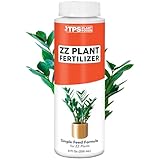
ZZ plants are not heavy feeders, meaning they don’t require frequent fertilization. However, providing your ZZ plant with nutrients can help promote healthy growth and vibrant foliage. Over-fertilizing can be more harmful than under-fertilizing, so it’s important to use a balanced fertilizer and follow the instructions carefully. Fertilizing during the growing season (spring and summer) is generally recommended.
Using the right fertilizer and applying it correctly is important. During the growing season, a balanced liquid fertilizer diluted to half strength is a good choice. Avoid fertilizing during the dormant season (fall and winter) when the plant’s growth slows down. Always follow the instructions on the fertilizer package carefully to avoid over-fertilizing. (See Also: Planting Peony Bulbs: How Deep to Plant for Success)
Fertilizer Types and Application
- Balanced Liquid Fertilizer: Use a balanced liquid fertilizer (e.g., 10-10-10 or 20-20-20) diluted to half strength.
- Fertilizing Frequency: Fertilize every 2-4 weeks during the growing season (spring and summer).
- Dormant Season: Do not fertilize during the dormant season (fall and winter).
- Application: Apply the fertilizer to the soil, following the instructions on the fertilizer package. Avoid fertilizing dry soil; water the plant first.
Propagating Your Zz Plant
Propagating ZZ plants is a rewarding way to create new plants from existing ones. The ZZ plant can be propagated in several ways, including stem cuttings, leaf cuttings, and division. Propagation can take some time, but it’s a fun and cost-effective way to expand your collection. Patience is key when propagating ZZ plants, as they grow slowly.
The most common method is stem cuttings. This involves taking a cutting from a healthy stem and rooting it in water or soil. Leaf cuttings are also possible, although they may take longer to root. Division is another option, where you separate the rhizomes to create new plants. No matter which method you choose, you’ll eventually have a new ZZ plant to enjoy.
Propagation Methods
- Stem Cuttings:
- Take a cutting from a healthy stem.
- Remove the lower leaves.
- Place the cutting in water or well-draining soil.
- Keep the soil moist or change the water regularly.
- Roots will develop over several weeks or months.
- Leaf Cuttings:
- Remove a leaf from the stem.
- Place the leaf in water or well-draining soil.
- Roots and new rhizomes will develop over several months.
- Division:
- Remove the plant from its pot.
- Gently separate the rhizomes.
- Plant each division in its own pot.
Common Problems and Solutions
While ZZ plants are relatively low-maintenance, they can still encounter some problems. Understanding these common issues and their solutions will help you keep your ZZ plant healthy and thriving. Being proactive and observing your plant regularly is important for catching problems early and taking action.
The most common problems are usually related to overwatering, underwatering, or improper lighting. Pests are relatively rare but can occur. Addressing these issues promptly is crucial for preventing more serious problems from developing. By being attentive to your plant’s needs, you can easily troubleshoot and resolve any issues that arise.
Common Problems and Solutions
| Problem | Cause | Solution |
|---|---|---|
| Yellowing Leaves | Overwatering, underwatering, or insufficient light | Adjust watering habits, ensure proper drainage, and provide adequate light. |
| Drooping Leaves | Overwatering or underwatering | Check the soil moisture and adjust watering accordingly. |
| Brown Leaf Tips | Underwatering or low humidity | Water thoroughly and consider increasing humidity. |
| Root Rot | Overwatering and poor drainage | Reduce watering, repot in fresh soil, and ensure proper drainage. |
| Pests (Spider Mites, Mealybugs) | Infestation | Isolate the plant, wipe down the leaves with soapy water or insecticidal soap, and consider using neem oil. |
Troubleshooting Specific Issues: Addressing Pests and Diseases
While ZZ plants are resistant to most pests and diseases, they are still susceptible to some issues. Being able to identify and address these problems promptly is critical for the health of your plant. Regular inspection of your plant is the best way to catch problems early.
Pests like spider mites and mealybugs can occasionally infest ZZ plants. These pests can cause damage to the leaves and stems. Diseases are less common, but root rot can be a serious problem if the plant is overwatered. Early detection and prompt treatment are key to preventing these issues from becoming severe. (See Also: How to Tell If Pot Plant Is Male or Female: A Complete Guide)
Pest Control
- Spider Mites: These tiny pests cause stippling on the leaves. Increase humidity, wipe down the leaves with soapy water or insecticidal soap, and consider using neem oil.
- Mealybugs: These white, cottony pests suck sap from the plant. Isolate the plant, wipe down the leaves with soapy water or insecticidal soap, and consider using neem oil.
Disease Control
- Root Rot: This is caused by overwatering and poor drainage. Reduce watering, repot in fresh soil, and ensure proper drainage. Remove any affected roots.
Frequently Asked Questions (faqs)
Here are some frequently asked questions about ZZ plant care, providing quick answers to common concerns. These questions and answers will help you troubleshoot problems and better understand the needs of your plant. Knowing these answers can help you maintain a healthy and beautiful ZZ plant.
These FAQs address various aspects of ZZ plant care, from lighting and watering to propagation and common problems. They are designed to provide clear and concise information to help you succeed in caring for your ZZ plant.
Faqs
- How often should I water my ZZ plant? Water every 2-4 weeks, or when the top 2-3 inches of soil are dry.
- What kind of light does a ZZ plant need? Bright, indirect light is ideal, but it can tolerate low light.
- Can I propagate a ZZ plant? Yes, you can propagate it from stem cuttings, leaf cuttings, or division.
- Why are my ZZ plant’s leaves turning yellow? This could be due to overwatering, underwatering, or insufficient light.
- Is the ZZ plant toxic to pets? Yes, the ZZ plant is mildly toxic to pets. Keep it out of reach of animals.
Advanced Zz Plant Care Tips
Once you’ve mastered the basics of ZZ plant care, you can explore some advanced tips to further enhance your plant’s growth and appearance. These tips will help you take your ZZ plant care to the next level. These advanced techniques can help you achieve even better results.
These tips include techniques for promoting fuller growth, improving leaf shine, and maximizing the plant’s overall health. By implementing these advanced care practices, you can create a truly stunning display of ZZ plants in your home.
Advanced Care Tips
- Dusting the Leaves: Regularly wipe the leaves with a damp cloth to remove dust and improve their shine.
- Pruning: Prune any yellowing or damaged leaves to encourage new growth and maintain the plant’s shape.
- Humidity: While ZZ plants are drought-tolerant, they benefit from moderate humidity. Consider using a humidifier, especially in dry environments.
- Rotation: Rotate the plant regularly to ensure even growth on all sides.
Conclusion: Enjoying the Beauty of Your Zz Plant
How to Care for Zz Plant Indoors: A Complete Guide
Caring for a ZZ plant indoors is a rewarding experience, thanks to its resilience and beauty. By following the tips and techniques outlined in this guide, you can successfully cultivate a thriving ZZ plant. Remember to pay attention to its light, water, and soil needs. With a little care and attention, your ZZ plant will flourish, bringing a touch of elegance and greenery to your home. Enjoy the journey of caring for this beautiful and adaptable plant!
Recommended Products