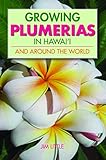
Imagine your garden bursting with the intoxicating fragrance and vibrant colors of Plumeria, also known as Frangipani. These tropical beauties are surprisingly adaptable and can thrive in many climates with the right attention. If you’ve ever dreamed of cultivating these exotic blooms, you’re in the right place!
Understanding how to care for a Plumeria tree is key to unlocking its full potential. From finding the perfect sunny spot to mastering watering techniques and understanding its dormant periods, we’ll guide you through every step. Get ready to transform your space into a tropical paradise with these stunning plants.
Understanding Your Plumeria’s Needs
Plumeria trees are native to tropical and subtropical regions, which tells us a lot about their fundamental requirements. They are sun-lovers, crave warmth, and generally prefer well-draining soil. Understanding these core needs will set you up for success in nurturing these beautiful plants.
Sunlight: The Golden Rule
Plumeria trees absolutely adore sunlight. To encourage prolific blooming and healthy growth, aim for at least 6-8 hours of direct sunlight per day. The more sun they receive, the more flowers you’ll likely see. In cooler climates, consider planting them in a location that receives morning sun and some afternoon shade to prevent scorching during the hottest part of the day.
If you’re growing Plumeria in pots, this gives you the flexibility to move them to the sunniest spots available. During the summer months, ensure they are basking in the sun. As seasons change, you can adjust their position accordingly. Insufficient sunlight is one of the most common reasons for a Plumeria failing to bloom.
Soil Drainage: A Crucial Factor
As tropical plants, Plumerias do not like to sit in soggy soil. Excellent drainage is paramount to prevent root rot, a common and often fatal issue for these plants. The ideal soil mix should be light, airy, and fast-draining.
A good starting point for a potting mix is a blend of:
- 1 part potting soil
- 1 part perlite or pumice
- 1 part coarse sand or bark chips
For in-ground planting, amend heavy clay soils with generous amounts of organic matter like compost and coarse sand to improve drainage. You can also consider planting Plumeria in raised beds to further enhance drainage.
Temperature and Humidity
Plumerias thrive in warm temperatures, ideally between 65°F and 85°F (18°C – 29°C). They can tolerate short periods of higher temperatures if adequately watered, but prolonged exposure to extreme heat can stress them. Conversely, they are not frost-tolerant.
In regions with freezing temperatures, Plumeria trees must be brought indoors or protected during the winter months. Even a light frost can damage their soft, fleshy stems and leaves. A temperature drop below 50°F (10°C) for extended periods can signal them to go dormant.
Humidity is generally not a major concern for Plumeria as they can adapt to average household humidity levels. However, in very dry indoor environments, occasional misting can be beneficial, especially during their active growing season.
Watering Your Plumeria: Finding the Right Balance
Watering is perhaps the most delicate aspect of Plumeria care. Overwatering is a far greater threat than underwatering.
When to Water
The best way to determine if your Plumeria needs water is to check the soil moisture. Stick your finger about two inches into the soil. If it feels dry, it’s time to water. If it feels moist, wait longer. This is especially important for potted plants. (See Also: How to Photograph Christmas Tree: Tips & Tricks)
During the active growing season (spring and summer), you’ll likely need to water more frequently, perhaps once or twice a week, depending on temperature and pot size. In cooler weather or during their dormant period, watering should be significantly reduced.
How to Water
When you do water, water thoroughly until water drains from the bottom of the pot. This ensures that the entire root ball is moistened. Avoid frequent, shallow watering, which encourages weak root development.
Dormancy and Watering
Plumeria trees naturally go dormant in cooler months, typically from late fall through winter. During dormancy, they will drop their leaves. This is a signal to drastically reduce watering. You may only need to water once a month, or even less, just enough to keep the roots from completely drying out. Overwatering during dormancy is a recipe for root rot.
Fertilizing for Abundant Blooms
To encourage vibrant flowers and robust growth, regular feeding is essential, especially during the active growing season.
Fertilizer Type
Plumeria benefit from a balanced fertilizer, but one with a higher phosphorus content (the middle number in N-P-K ratios) is particularly good for promoting blooms. Look for fertilizers specifically formulated for flowering plants or tropicals. A ratio like 10-30-20 or similar can be very effective.
Fertilizing Schedule
Start fertilizing in early spring as new growth appears. Continue fertilizing every 2-4 weeks throughout the growing season until late summer or early fall. Stop fertilizing when the plant begins to show signs of dormancy or as temperatures cool down.
Avoid fertilizing during the dormant period, as the plant is not actively growing and cannot utilize the nutrients. This can lead to fertilizer burn.
Application
Always follow the instructions on the fertilizer packaging. It’s generally recommended to water the plant thoroughly before applying fertilizer to avoid burning the roots. You can use liquid fertilizers diluted in water or granular slow-release fertilizers.
Pruning and Shaping Your Plumeria
Pruning is not just about aesthetics; it also plays a vital role in the health and productivity of your Plumeria tree.
When to Prune
The best time to prune is during the dormant season, typically in late winter or early spring, before new growth begins. This allows the plant to heal and direct its energy into new shoots and flowers.
You can also prune lightly during the growing season to remove spent flowers, dead or diseased branches, or to shape the plant. However, avoid heavy pruning during the peak blooming period.
How to Prune
Use clean, sharp pruning shears or a saw for larger branches. Make cuts at an angle just above a leaf node or branch union. This encourages new growth to emerge from that point. (See Also: How Big Does a Avocado Tree Grow: How Big Does an…)
When pruning to encourage branching, cut back a stem to just above a point where you want a new branch to form. This will result in two new branches growing from that point, creating a bushier plant.
Benefits of Pruning
- Encourages bushier growth and more flowering sites.
- Removes dead, damaged, or diseased wood, preventing the spread of issues.
- Helps manage the size and shape of the tree.
- Improves air circulation within the canopy, reducing the risk of fungal diseases.
Repotting Your Plumeria
Repotting is necessary for potted Plumeria to provide fresh soil, adequate space for root growth, and to refresh nutrients.
When to Repot
Younger, actively growing Plumeria may need repotting every 1-2 years. Older, established plants can be repotted every 3-5 years or when they become root-bound (roots circling the pot). The best time to repot is in early spring, just before the growing season begins.
How to Repot
- Gently remove the Plumeria from its current pot. If it’s stuck, you can tap the sides of the pot or run a knife around the edge.
- Inspect the roots. Trim away any dead, mushy, or circling roots.
- Choose a pot that is only one size larger than the current one. An oversized pot can hold too much moisture, increasing the risk of root rot.
- Add a layer of your well-draining potting mix to the bottom of the new pot.
- Place the Plumeria in the new pot, ensuring the top of the root ball is about an inch below the rim.
- Fill in around the root ball with fresh potting mix, firming gently.
- Do not water immediately after repotting. Allow the roots to heal for a few days to a week before watering. This helps prevent rot.
Pest and Disease Management
While generally hardy, Plumeria can occasionally be susceptible to certain pests and diseases.
Common Pests
- Spider Mites: Tiny pests that create fine webbing. They thrive in dry conditions. Increase humidity and use insecticidal soap or neem oil.
- Mealybugs: Small, white, cottony insects that cluster in leaf axils and on stems. Dab them with rubbing alcohol or use insecticidal soap.
- Aphids: Small, soft-bodied insects that feed on new growth. A strong spray of water can dislodge them, or use insecticidal soap.
- Scale Insects: Small, immobile bumps on stems and leaves. Scrape them off or use horticultural oil.
Common Diseases
- Root Rot: Caused by overwatering and poor drainage. Symptoms include wilting, yellowing leaves, and mushy stems. Prevention is key. If caught early, you may be able to save the plant by repotting with fresh, well-draining soil and cutting away affected roots.
- Fungal Leaf Spot: Small, dark spots on leaves. Improve air circulation and avoid overhead watering. Remove affected leaves.
- Botrytis Blight: A gray mold that can affect flowers and stems, especially in humid, cool conditions. Remove affected parts and improve air circulation.
Regular inspection of your Plumeria will help you catch any issues early, making them easier to manage. A healthy plant is less susceptible to pests and diseases.
Overwintering Plumeria in Cooler Climates
For those living in areas with frost, protecting your Plumeria during winter is crucial for its survival.
Bringing Indoors
As temperatures begin to consistently drop below 50°F (10°C), it’s time to bring your Plumeria indoors. Before bringing it inside, inspect it thoroughly for any pests.
You can either:
- Keep it potted: Place the potted plant in a bright, cool location (around 50-60°F or 10-15°C). Reduce watering significantly to just enough to keep the soil barely moist. Some leaf drop is normal.
- Store bare-root: If you have limited indoor space, you can dig up the plant, shake off excess soil, and let the roots dry for a few days. Store the bare-root plant in a cool, dark, dry place (like a basement) in a box or bag with some dry newspaper or sawdust. Check periodically and mist very lightly if it seems excessively dry.
Waking Up in Spring
In spring, as temperatures warm up and the danger of frost has passed, you can gradually reintroduce your Plumeria to the outdoors. If you stored it bare-root, repot it into fresh soil and begin watering lightly. If it remained potted, move it gradually into more sunlight over a week or two to prevent shock.
Propagation: Creating More Plumeria
Plumeria are relatively easy to propagate from cuttings, allowing you to multiply your collection or share with friends.
Taking Cuttings
The best time to take cuttings is in late spring or early summer when the plant is actively growing. Use a sharp, clean knife or pruners to cut a stem that is at least 6-12 inches long. Ideally, choose a stem that has at least two or three leaf nodes.
Preparing Cuttings
Remove the leaves from the bottom half of the cutting. Allow the cut end to callus over for a few days to a week. This is crucial to prevent rot when planting. You can place the cuttings in a dry, airy place until a dry, protective layer forms over the cut end. (See Also: How to Watch Rockefeller Tree Lighting: Your Ultimate…)
Planting Cuttings
Once callused, plant the cutting in a pot filled with a well-draining rooting medium, such as perlite, coarse sand, or a mix of potting soil and perlite. Insert the callused end about 2-3 inches deep into the medium. You can use rooting hormone to encourage faster root development, but it’s not strictly necessary.
Caring for Cuttings
Place the pot in a warm, bright location with indirect sunlight. Water sparingly, only when the top inch of the medium feels dry. Roots typically form within 4-8 weeks. You’ll know the cutting has rooted when you see new leaf growth.
Understanding Plumeria Varieties
The world of Plumeria is vast and diverse, with thousands of cultivars offering a stunning array of colors, sizes, and fragrances. Understanding some common characteristics can help you choose the right plant for your preferences.
Color and Scent
Colors range from pure white, creamy yellow, and soft pink to vibrant reds, oranges, and multi-colored blends. Fragrances also vary greatly, from sweet and fruity to spicy and musky. Some popular varieties include:
- ‘Singapore Pink’: A reliable bloomer with fragrant pink flowers.
- ‘Divine’: Known for its large, intensely fragrant white and yellow flowers.
- ‘J1’: A vibrant red with a strong, sweet scent.
- ‘Penang Peach’: Produces beautiful peachy-pink flowers with a lovely fragrance.
Growth Habit
Plumeria can vary in their growth habit, from compact bushes to large trees. Some varieties are more prolific bloomers than others. Researching specific cultivars will help you select a plant that fits your available space and aesthetic goals.
Climate Adaptability
While all Plumeria prefer warm climates, some varieties may show slightly more tolerance to cooler temperatures or humidity variations than others. However, remember that none are frost-tolerant.
Troubleshooting Common Plumeria Issues
Even with the best care, you might encounter a few common problems. Here’s how to address them:
Yellowing Leaves
Causes: Overwatering, underwatering, nutrient deficiency, or natural leaf drop during dormancy. Solution: Check soil moisture. Adjust watering schedule. Fertilize if necessary during the growing season. If it’s fall, it might be natural dormancy.
No Flowers
Causes: Insufficient sunlight, lack of fertilizer (especially phosphorus), improper pruning, or the plant is too young. Solution: Ensure at least 6-8 hours of direct sun. Use a bloom-boosting fertilizer. Prune correctly. Be patient with young plants.
Leggy Growth
Causes: Insufficient sunlight, or the plant is stretching for light. Solution: Move to a sunnier location. Prune back leggy stems to encourage bushier growth and more flowering points.
Dropping Flower Buds
Causes: Sudden changes in temperature, overwatering, underwatering, or stress from repotting. Solution: Try to maintain consistent conditions. Ensure proper watering and avoid drastic environmental shifts.
Conclusion
Caring for a Plumeria tree involves understanding its tropical roots: abundant sun, well-draining soil, and careful watering. By providing these essentials, along with timely fertilization and pruning, you can cultivate these stunning plants. Whether in pots or the ground, Plumeria reward your efforts with intoxicating fragrances and breathtaking blooms, transforming any space into a tropical haven. Enjoy the journey of growing your own Frangipani!
Recommended Products