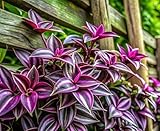
Are you captivated by the unique beauty of the Moses in the Cradle plant, also known as *Tradescantia spathacea*? This striking houseplant, with its vibrant purple undersides and boat-shaped leaves, is a favorite among plant enthusiasts. Its resilience and relatively easy care make it a rewarding addition to any indoor space.
But like all plants, understanding its specific needs is crucial for thriving growth. This comprehensive guide will delve into every aspect of how to care for Moses in the Cradle, from ideal lighting conditions to proper watering techniques and propagation methods. We’ll explore common problems and offer solutions to keep your plant looking its best.
Whether you’re a seasoned gardener or a beginner, this guide will equip you with the knowledge needed to nurture your Moses in the Cradle, ensuring it flourishes and brings a touch of tropical flair to your home.
Understanding the Moses in the Cradle Plant
The Moses in the Cradle plant, scientifically known as *Tradescantia spathacea*, is a member of the *Commelinaceae* family, native to Central America and the West Indies. It’s a perennial evergreen that has gained popularity worldwide for its striking foliage and ease of care. Its common names also include Oyster plant and Boat Lily, alluding to its unique leaf shape and the way the flowers are nestled in boat-like bracts.
The plant’s most notable feature is its two-toned leaves. The upper surface is typically a rich green, while the undersides are a vibrant purple or magenta. This contrast creates a visually stunning effect, especially when the leaves are gently swayed by air currents. The plant produces small, white flowers that are often hidden within the boat-shaped bracts, adding a subtle charm to its overall appearance.
Moses in the Cradle plants are relatively low-maintenance, making them ideal for both novice and experienced plant owners. They are adaptable to various indoor conditions and can tolerate some neglect. However, providing the right care is essential to ensure they thrive and display their full beauty.
Key Characteristics
- Foliage: Lance-shaped leaves, green on top, purple underneath.
- Flowers: Small, white, enclosed in boat-shaped bracts.
- Growth Habit: Upright, clumping, and spreading.
- Size: Typically reaches 1-2 feet in height and width.
- Toxicity: Non-toxic to humans and pets.
Light Requirements: Finding the Sweet Spot
One of the most crucial aspects of how to care for Moses in the Cradle is understanding its light requirements. This plant thrives in bright, indirect light. Direct sunlight can scorch the leaves, causing brown spots and damage, while insufficient light can lead to leggy growth and a loss of vibrant coloration.
The ideal location for your Moses in the Cradle is near an east- or west-facing window, where it will receive ample sunlight without being directly exposed to the harsh midday sun. If you only have a south-facing window, you can filter the light by using a sheer curtain or placing the plant a few feet away from the window.
In areas with limited natural light, you can supplement with artificial light sources. Fluorescent grow lights or LED grow lights can provide the necessary light for healthy growth. Ensure the light source is positioned at an appropriate distance to avoid burning the leaves. (See Also: Learn How to Take Care of Bamboo Plant in Water: A Guide)
Assessing Light Levels
Observing your plant is key to determining whether it’s receiving the right amount of light. Here’s what to look for:
- Too much light: Leaves may appear bleached or have brown, crispy edges.
- Too little light: The plant may become leggy, with long stems and sparse leaves. The vibrant purple color on the underside of the leaves will fade.
- Ideal light: The plant exhibits vibrant colors, compact growth, and healthy foliage.
Troubleshooting Light Issues
If you notice signs of insufficient or excessive light, take corrective action promptly:
- Too much light: Move the plant to a shadier location or use a sheer curtain.
- Too little light: Relocate the plant to a brighter spot or supplement with artificial lighting.
Watering Techniques: Achieving the Right Balance
Proper watering is another critical element of how to care for Moses in the Cradle. Overwatering and underwatering are common mistakes that can lead to various problems. The goal is to strike a balance, providing enough water to keep the soil consistently moist but not soggy.
The frequency of watering depends on several factors, including the size of the pot, the type of soil, the environmental conditions, and the plant’s growth stage. As a general rule, water your Moses in the Cradle when the top inch of soil feels dry to the touch. Avoid letting the soil completely dry out, as this can stress the plant and cause leaf browning.
Use room-temperature water for watering, as cold water can shock the plant’s roots. Water thoroughly, allowing excess water to drain out of the drainage holes in the pot. This prevents waterlogging and root rot. Always empty the saucer beneath the pot to avoid standing water.
Watering Frequency Guide
| Season | Watering Frequency |
|---|---|
| Spring/Summer (Growing Season) | Water every 1-2 weeks, or when the top inch of soil is dry. |
| Fall/Winter (Dormant Season) | Reduce watering to every 2-3 weeks, or when the top inch of soil is dry. |
Signs of Overwatering
- Yellowing leaves: This is a common sign of overwatering.
- Dropping leaves: Overwatered plants may shed leaves prematurely.
- Soft, mushy stems: This indicates root rot, a serious problem caused by excessive moisture.
- Foul odor: A musty smell emanating from the soil is another sign of root rot.
Signs of Underwatering
- Crispy, brown leaf edges: This indicates a lack of moisture.
- Wilting leaves: The plant may droop and appear lifeless.
- Slow growth: Underwatering can stunt the plant’s growth.
Soil and Potting: Creating the Perfect Environment
The right soil and pot are essential for the health and vitality of your Moses in the Cradle. The soil should provide good drainage while retaining enough moisture to support the plant’s needs. The pot should have adequate drainage holes to prevent waterlogging.
A well-draining potting mix is crucial for preventing root rot. A good choice is a blend of potting soil, perlite, and peat moss. The perlite improves drainage and aeration, while the peat moss helps retain moisture. You can also add a small amount of compost to enrich the soil with nutrients.
Choose a pot with drainage holes to allow excess water to escape. The size of the pot should be appropriate for the size of the plant. Repot your Moses in the Cradle every one to two years, or when it outgrows its current pot. This provides fresh soil and allows the roots to expand. (See Also: Learn How to Take Care of Rosemary Plant Indoors)
Potting Mix Recipe
- 1 part potting soil
- 1 part perlite
- 1 part peat moss
- Optional: a small amount of compost
Repotting Your Moses in the Cradle
- Choose a pot that is one size larger than the current pot.
- Gently remove the plant from its current pot.
- Loosen any circling roots.
- Place a layer of potting mix in the bottom of the new pot.
- Position the plant in the new pot and fill in the spaces with potting mix.
- Water thoroughly.
Temperature and Humidity: Mimicking the Natural Habitat
Moses in the Cradle plants thrive in moderate temperatures and average to high humidity levels. Maintaining the right environmental conditions will promote healthy growth and vibrant foliage. These plants originate from tropical and subtropical regions, so they appreciate warmth and moisture.
The ideal temperature range for Moses in the Cradle is between 65°F and 80°F (18°C and 27°C). Avoid placing the plant near drafts, air conditioning vents, or heating sources, as these can cause temperature fluctuations and dry out the air. Protect the plant from extreme temperatures, such as freezing conditions.
These plants benefit from moderate to high humidity. If your home’s humidity levels are low, you can increase the humidity around the plant by using a humidifier, placing the pot on a pebble tray filled with water, or grouping it with other plants. Misting the leaves regularly can also help to boost humidity.
Humidity Tips
- Humidifier: Use a humidifier to increase the overall humidity in the room.
- Pebble Tray: Place the pot on a tray filled with pebbles and water. As the water evaporates, it will increase the humidity around the plant.
- Grouping Plants: Grouping plants together creates a microclimate with higher humidity levels.
- Misting: Mist the leaves regularly, especially during dry seasons.
Fertilizing: Nourishing Your Plant
Regular fertilization provides essential nutrients that support healthy growth, vibrant foliage, and flowering. Moses in the Cradle plants benefit from a balanced fertilizer during their growing season. However, avoid over-fertilizing, as this can lead to salt buildup in the soil and damage the plant.
Use a balanced, water-soluble fertilizer with an NPK ratio of 10-10-10 or 20-20-20. Dilute the fertilizer to half the recommended strength to avoid burning the roots. Fertilize your Moses in the Cradle every 2-4 weeks during the spring and summer growing season. Reduce or stop fertilizing during the fall and winter, when the plant’s growth slows down.
Always water the plant before fertilizing to prevent the fertilizer from burning the roots. Follow the instructions on the fertilizer package carefully. Avoid fertilizing plants that are newly repotted or stressed.
Fertilizing Schedule
| Season | Fertilizing Frequency |
|---|---|
| Spring/Summer | Every 2-4 weeks with a balanced, water-soluble fertilizer. |
| Fall/Winter | Reduce or stop fertilizing. |
Pruning and Maintenance: Keeping Your Plant Tidy
Regular pruning and maintenance are essential for keeping your Moses in the Cradle plant looking its best. Pruning helps to control its size and shape, encourages bushier growth, and removes any dead or damaged foliage. Regular cleaning keeps the leaves free of dust, allowing them to absorb more sunlight.
Prune your Moses in the Cradle to maintain its desired shape and size. Pinch off the tips of the stems to encourage bushier growth. Remove any yellowing or brown leaves to improve the plant’s appearance and prevent the spread of disease. You can also trim back leggy stems to promote a more compact growth habit. (See Also: Learn How to Propagate a Jade Plant From a Leaf!)
Clean the leaves regularly with a damp cloth to remove dust and debris. This allows the leaves to absorb sunlight more effectively and improves the plant’s overall health. Avoid using harsh chemicals or leaf shine products, as these can damage the foliage.
Pruning Tips
- Use sharp, clean pruning shears. This minimizes the risk of infection.
- Pinch off the tips of stems to encourage branching.
- Remove any yellow or brown leaves.
- Trim back leggy stems to promote a compact shape.
Common Problems and Solutions
Even with the best care, Moses in the Cradle plants can occasionally encounter problems. Identifying and addressing these issues promptly is essential for maintaining a healthy and thriving plant. Several factors can contribute to these issues, and understanding their causes is the first step in finding solutions.
One common problem is leaf discoloration. Yellowing leaves can indicate overwatering, underwatering, or a nutrient deficiency. Brown leaf tips or edges often signal low humidity or excessive sunlight. Pest infestations can also lead to various leaf problems. Early detection and prompt treatment are key to preventing the problem from worsening.
Root rot, a serious issue caused by overwatering, can lead to mushy stems and a foul odor. Pests such as spider mites, mealybugs, and scale can infest the plant, causing damage to the foliage. Addressing these problems quickly can help prevent further damage. Here’s a look at some of the most common issues and how to manage them.
Leaf Discoloration
- Yellowing leaves: May be caused by overwatering, underwatering, or nutrient deficiency. Adjust watering practices, and consider fertilizing.
- Brown leaf tips/edges: Often caused by low humidity or excessive sunlight. Increase humidity, move the plant to a shadier location.
- Pale or faded leaves: May indicate insufficient light. Move the plant to a brighter location.
Pest Infestations
- Spider mites: These tiny pests cause stippling on the leaves. Increase humidity, and use insecticidal soap or neem oil.
- Mealybugs: These white, cottony pests suck sap from the plant. Remove them manually with a cotton swab dipped in rubbing alcohol, or use insecticidal soap.
- Scale: These small, brown, armored pests also suck sap. Scrape them off manually, or use insecticidal soap or neem oil.
Other Issues
- Root rot: Caused by overwatering. Repot the plant in fresh, well-draining soil, and adjust watering practices.
- Leggy growth: Indicates insufficient light. Move the plant to a brighter location.
Propagation: Expanding Your Collection
Propagating Moses in the Cradle is a relatively easy process, allowing you to create new plants from existing ones. This is a rewarding way to expand your collection or share this beautiful plant with friends and family. There are several methods for propagating Moses in the Cradle, including stem cuttings and division.
The most common method is stem cuttings. Simply take a cutting from a healthy stem, remove the lower leaves, and place the cutting in water or directly in soil. The cuttings will develop roots within a few weeks. Division is another option, especially if your plant has become overcrowded. Gently separate the plant into smaller clumps and replant them in individual pots.
Propagation is best done during the growing season (spring or summer). This allows the new plants to establish themselves more quickly. With a little patience and care, you can easily multiply your Moses in the Cradle plants. Water propagation is a popular method, as it allows you to see the roots develop.
Stem Cuttings Propagation
- Take a stem cutting, about 4-6 inches long, from a healthy stem.
- Remove the lower leaves from the cutting.
- Place the cutting in a glass of water, ensuring the leaves are above the water line.
- Place the glass in a bright, indirect light location.
- Change the water every few days.
- Roots should develop within a few weeks.
- Once the roots are established, plant the cutting in a pot with well-draining soil.
- Water thoroughly.
Division Propagation
- Carefully remove the plant from its pot.
- Gently separate the plant into smaller clumps, ensuring each clump has roots.
- Plant each clump in a separate pot with fresh potting mix.
- Water thoroughly.
Conclusion: Thriving with Moses in the Cradle
By following these guidelines on how to care for Moses in the Cradle plant, you can enjoy the beauty and ease of this fantastic houseplant. Remember to provide bright, indirect light, water appropriately, and maintain moderate to high humidity. Regular pruning, fertilization, and careful observation will keep your Moses in the Cradle healthy and vibrant for years to come. With a little care, you’ll be rewarded with a stunning display of color and texture.
Recommended Products