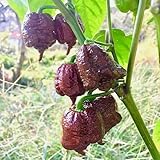
Are you brave enough to grow the world’s hottest pepper? The Carolina Reaper, a fiery fruit that has earned its place in the Guinness World Records, presents a thrilling challenge for any gardener. Cultivating this inferno-inducing plant requires a specific understanding of its needs, from seed to harvest.
This comprehensive guide will walk you through every step of the process, ensuring you have the knowledge to successfully grow your own Carolina Reaper plants. We’ll delve into the intricacies of soil, sunlight, watering, and pest control, empowering you to cultivate a thriving and productive pepper plant. Prepare yourself for a journey into the world of extreme heat and rewarding harvests.
Get ready to learn all the secrets of how to care for Carolina Reaper plant, and grow the hottest pepper on Earth! We’ll cover everything from starting seeds to harvesting the scorching pods, making sure you have all the knowledge you need to succeed.
Choosing and Preparing Your Carolina Reaper Seeds
The journey to growing a Carolina Reaper starts with selecting the right seeds. Quality is paramount, so source your seeds from a reputable supplier. Look for seeds specifically labeled as Carolina Reaper, ensuring you get the authentic variety. Consider the germination rate, as this will influence how many seeds you need to start.
Seed Selection and Sourcing
When selecting your seeds, prioritize reputable seed companies that specialize in pepper varieties. These companies often provide detailed information about the seeds’ origin, heat level (measured in Scoville Heat Units, or SHU), and growing requirements. Read reviews and check for guarantees to ensure the quality of the seeds. Avoid buying seeds from unknown sources, as they may not be true to the Carolina Reaper variety.
Consider buying a mix of seeds from different sources to increase your chances of success. This strategy can provide redundancy in case one batch of seeds has a lower germination rate or is affected by pests or diseases. Look for seed packets that include information about the harvest date, germination rate, and expected SHU level.
Germination Techniques: Starting Seeds Indoors
Carolina Reaper seeds require a warm and humid environment to germinate successfully. Starting seeds indoors is highly recommended to provide optimal conditions. You’ll need seed starting trays or small pots, seed starting mix (a soilless mix designed for optimal drainage and aeration), and a heat mat to maintain a consistent temperature.
Here’s a step-by-step guide to germinating your Carolina Reaper seeds:
- Prepare your seed starting mix: Moisten the mix thoroughly, ensuring it’s damp but not soggy.
- Sow the seeds: Plant the seeds about 1/4 inch deep in the seed starting mix.
- Maintain warmth and humidity: Place the seed tray on a heat mat set to approximately 80-85°F (27-29°C). Cover the tray with a humidity dome or plastic wrap to retain moisture.
- Provide light: Once the seeds germinate, remove the humidity dome and place the tray under grow lights or in a sunny location.
- Water carefully: Keep the soil consistently moist but not waterlogged. Water from the bottom to avoid disturbing the seedlings.
Germination typically takes 1-3 weeks. Once the seedlings have developed a few sets of true leaves, they are ready for transplanting.
Common Germination Challenges and Solutions
Several factors can hinder seed germination. Overwatering can lead to fungal diseases like damping-off, which can kill seedlings. Underwatering can prevent the seeds from germinating. Temperature fluctuations can also affect germination rates.
Here are some troubleshooting tips:
- Damping-off: Prevent this by using a sterile seed starting mix, providing good air circulation, and avoiding overwatering. Treat any affected seedlings with a fungicide.
- Poor Germination: Ensure the soil is consistently moist and the temperature is within the optimal range. If the seeds don’t germinate after a few weeks, consider starting a new batch.
- Temperature Fluctuations: Maintain a consistent temperature with a heat mat. Place the tray away from drafts or direct sunlight.
Transplanting and Outdoor Preparation
Once your Carolina Reaper seedlings have grown several sets of true leaves and the danger of frost has passed, they’re ready to be transplanted outdoors. This transition requires careful planning and preparation to ensure the plants thrive in their new environment. Hardening off the seedlings is crucial to help them adjust to outdoor conditions.
Hardening Off Seedlings
Hardening off is the process of gradually acclimating seedlings to the outdoor environment. This helps them adjust to changes in temperature, sunlight, and wind. Start by placing the seedlings outdoors for a few hours each day, gradually increasing the exposure over a week or two.
Here’s how to harden off your seedlings:
- Day 1-2: Place the seedlings in a sheltered location, such as a porch or patio, for 1-2 hours.
- Day 3-4: Increase the exposure to 2-4 hours, including some direct sunlight.
- Day 5-6: Move the seedlings to a location with more direct sunlight and wind exposure for 4-6 hours.
- Day 7-14: Gradually increase the exposure to full sun and wind.
Monitor the seedlings for signs of stress, such as wilting or sunburn. If they show signs of stress, reduce the exposure time. (See Also: How Does a Gas Turbine Power Plant Work? Explained)
Choosing the Right Location
Carolina Reaper plants thrive in a location with plenty of sunlight and well-draining soil. Choose a spot that receives at least 6-8 hours of direct sunlight per day. Avoid areas that are prone to flooding or have compacted soil. Adequate sunlight is crucial for fruit production; the more sun, the more peppers.
Consider the following factors when selecting a location:
- Sunlight: Ensure the plants receive ample sunlight throughout the day.
- Soil: Choose well-draining soil that is rich in organic matter.
- Wind: Protect the plants from strong winds, which can damage the stems and leaves.
- Proximity to other plants: Space the plants appropriately to allow for good air circulation and prevent overcrowding.
Preparing the Soil
Preparing the soil is essential for healthy plant growth. Carolina Reapers prefer slightly acidic soil with a pH of 6.0-6.8. Amend the soil with organic matter, such as compost or well-rotted manure, to improve drainage and fertility. This also helps retain moisture and provides essential nutrients.
Follow these steps to prepare the soil:
- Test the soil pH: Use a soil testing kit to determine the pH level and nutrient content.
- Amend the soil: Incorporate organic matter, such as compost or well-rotted manure, into the soil.
- Add fertilizer: Apply a balanced fertilizer, following the manufacturer’s instructions.
- Loosen the soil: Use a garden fork or tiller to loosen the soil and improve drainage.
Watering and Fertilizing Your Carolina Reaper
Proper watering and fertilization are critical for the health and productivity of your Carolina Reaper plants. These plants need consistent moisture and a steady supply of nutrients to produce their fiery fruit. Overwatering and underwatering can both lead to problems, so finding the right balance is key.
Watering Techniques
Carolina Reaper plants need consistent watering, especially during hot and dry weather. However, overwatering can lead to root rot and other fungal diseases. The frequency of watering will depend on the climate, soil type, and the plant’s growth stage.
Here are some watering tips:
- Water deeply: Water thoroughly, allowing the water to penetrate deep into the soil.
- Water regularly: Water the plants when the top inch of soil feels dry to the touch.
- Avoid overhead watering: Water at the base of the plant to avoid wetting the foliage, which can increase the risk of fungal diseases.
- Use a soaker hose or drip irrigation: These methods provide water directly to the roots, minimizing water waste and reducing the risk of disease.
Fertilizing Schedule and Types
Fertilizing your Carolina Reaper plants will provide them with the essential nutrients they need to grow and produce fruit. Use a balanced fertilizer, such as a 10-10-10 or 14-14-14, following the manufacturer’s instructions. Avoid over-fertilizing, as this can lead to excessive foliage growth and reduced fruit production.
Here’s a general fertilizing schedule:
- At planting: Mix a balanced fertilizer into the soil at planting time.
- During the growing season: Fertilize every 2-4 weeks with a liquid fertilizer or slow-release granules.
- During flowering and fruiting: Switch to a fertilizer with a higher potassium content to promote fruit development.
Consider using organic fertilizers like compost tea or fish emulsion. These fertilizers are less likely to burn the plants and can improve soil health.
Recognizing and Addressing Nutrient Deficiencies
Nutrient deficiencies can hinder plant growth and fruit production. Recognizing the signs of nutrient deficiencies allows you to take corrective action. Common deficiencies include nitrogen, phosphorus, and potassium. Soil testing can help you identify and address any nutrient deficiencies.
Here’s a guide to recognizing and addressing common nutrient deficiencies:
| Nutrient Deficiency | Symptoms | Remedy |
|---|---|---|
| Nitrogen | Yellowing of older leaves, stunted growth | Apply a fertilizer high in nitrogen. |
| Phosphorus | Purple or reddish leaves, stunted growth | Apply a fertilizer high in phosphorus. |
| Potassium | Yellowing of leaf edges, stunted growth | Apply a fertilizer high in potassium. |
Pest and Disease Management
Carolina Reaper plants, like all pepper plants, are susceptible to various pests and diseases. Regular monitoring and preventative measures are essential to protect your plants. Addressing issues promptly can prevent widespread damage and ensure a healthy harvest. Early detection and treatment are crucial to minimize damage and prevent the spread of infestations or diseases.
Common Pests and Their Control
Several pests can attack Carolina Reaper plants, causing damage to the leaves, stems, and fruit. Common pests include aphids, spider mites, whiteflies, and pepper weevils. Regular inspection of your plants is key to early detection. (See Also: How to Plant Morning Glory in a Hanging Basket: A Step-by-Step Guide)
Here are some common pests and control methods:
- Aphids: Small, soft-bodied insects that suck sap from the plant. Control with insecticidal soap or neem oil.
- Spider mites: Tiny arachnids that cause stippling and webbing on leaves. Control with insecticidal soap, neem oil, or predatory mites.
- Whiteflies: Small, white insects that suck sap from the plant. Control with insecticidal soap or neem oil.
- Pepper weevils: Small beetles that attack the fruit and flowers. Control with insecticides or by removing and destroying infested plants.
Disease Prevention and Treatment
Fungal diseases like blossom-end rot, caused by calcium deficiency, and bacterial diseases can affect Carolina Reaper plants. Proper sanitation, air circulation, and watering techniques can help prevent diseases. Preventative measures are often the most effective approach.
Here are some disease prevention and treatment tips:
- Blossom-end rot: Caused by calcium deficiency. Add calcium supplements to the soil or foliar spray.
- Fungal diseases: Prevent by providing good air circulation, avoiding overhead watering, and using a fungicide if necessary.
- Bacterial diseases: Remove and destroy infected plants. Avoid overhead watering.
Organic Pest Control Methods
Organic pest control methods offer an environmentally friendly approach to managing pests. These methods use natural substances and techniques to control pests without harming beneficial insects or the environment. Many gardeners prefer organic methods to avoid using harsh chemicals.
Consider these organic pest control methods:
- Insecticidal soap: Effective against aphids, spider mites, and whiteflies.
- Neem oil: A natural insecticide and fungicide.
- Diatomaceous earth: A natural powder that kills insects by dehydrating them.
- Companion planting: Planting herbs and flowers that repel pests.
- Beneficial insects: Introducing ladybugs, lacewings, and other beneficial insects to control pests.
Pruning and Supporting Your Carolina Reaper Plant
Pruning and supporting your Carolina Reaper plants are essential for maximizing fruit production and maintaining plant health. Proper pruning encourages air circulation and sunlight penetration, which helps prevent diseases and promotes even ripening. Supporting the plants prevents them from breaking under the weight of the fruit.
Pruning Techniques
Pruning your Carolina Reaper plants helps to shape the plant, remove dead or diseased branches, and promote air circulation. Pruning also stimulates new growth and increases fruit production. Proper pruning techniques are key to a healthy and productive plant.
Here’s how to prune your Carolina Reaper plant:
- Remove suckers: Pinch off any suckers (small shoots) that grow from the base of the plant.
- Prune lower branches: Remove any branches that are touching the ground to improve air circulation and prevent soil-borne diseases.
- Thin out the canopy: Remove any branches that are crossing or growing inwards to improve air circulation and sunlight penetration.
- Pinch off flowers: Pinch off the first few flowers to encourage the plant to focus on vegetative growth.
Staking and Supporting the Plant
Carolina Reaper plants can grow quite large and produce a heavy crop of peppers. Staking or supporting the plant is essential to prevent the branches from breaking under the weight of the fruit. This also helps to keep the fruit off the ground, reducing the risk of rot and pest damage.
Here are some methods for supporting your Carolina Reaper plants:
- Staking: Use stakes made of wood, metal, or bamboo to support the main stem of the plant.
- Caging: Surround the plant with a wire cage to provide support for the branches.
- Trellising: Train the plant to grow along a trellis system.
Harvesting and Storing Carolina Reapers
Harvesting Carolina Reapers is a rewarding experience. It’s the culmination of months of care and hard work. However, handling these peppers requires caution due to their extreme heat. Proper harvesting and storage techniques will ensure you can enjoy your harvest safely and preserve the peppers for future use.
Determining Harvest Time
The ideal time to harvest Carolina Reapers is when the peppers have reached their full size and have turned a vibrant red color. They should also feel firm to the touch. The color is the primary indicator of ripeness and heat level. The longer they stay on the plant, the hotter they become.
Here are some signs of ripeness:
- Color: The peppers should be a deep, vibrant red.
- Size: The peppers should have reached their full size.
- Texture: The peppers should feel firm to the touch.
- Wrinkles: The peppers will develop distinct wrinkles.
Safe Harvesting Practices
Due to their extreme heat, Carolina Reapers require safe handling practices. Wear gloves, eye protection, and a mask to prevent irritation. Avoid touching your face or eyes while handling the peppers. Wash all tools and surfaces thoroughly after harvesting. (See Also: Planting Hydrangeas: How Far Apart Should They Be?)
Here are some safe harvesting practices:
- Wear gloves: Protect your hands from the capsaicin.
- Wear eye protection: Prevent accidental contact with your eyes.
- Wear a mask: Avoid inhaling capsaicin fumes.
- Use clean tools: Use sharp scissors or a knife to cut the peppers from the plant.
- Wash hands and tools: Wash your hands and all tools thoroughly with soap and water after harvesting.
Storage Methods
Proper storage is essential to preserve the flavor and heat of your Carolina Reapers. You can store them fresh, dry them, or preserve them in oil or vinegar. Consider the intended use when choosing a storage method.
Here are some storage methods:
- Fresh: Store in the refrigerator for up to 1-2 weeks.
- Dried: Dehydrate the peppers and store them in an airtight container.
- Frozen: Freeze whole or chopped peppers for long-term storage.
- Preserved in oil or vinegar: Preserve the peppers in oil or vinegar for later use.
Troubleshooting Common Problems
Even with the best care, Carolina Reaper plants can encounter various problems. Identifying and addressing these issues promptly can help you save your plants and ensure a successful harvest. Recognizing the symptoms of common issues and knowing the appropriate solutions is important for any pepper grower.
Yellowing Leaves
Yellowing leaves can be caused by various factors, including nutrient deficiencies, overwatering, underwatering, and pests. Identifying the underlying cause is crucial to address the problem effectively. The color of the leaves can provide clues to the issue.
Here are some possible causes and solutions:
- Nutrient deficiency: Test the soil and amend with a balanced fertilizer.
- Overwatering: Reduce watering frequency and ensure proper drainage.
- Underwatering: Increase watering frequency.
- Pests: Inspect the plants for pests and treat them accordingly.
Lack of Fruit Production
If your Carolina Reaper plant isn’t producing fruit, several factors could be the cause. These include insufficient sunlight, nutrient imbalances, and pollination problems. Addressing these issues will help encourage fruit production. The more sunlight the plant gets, the more peppers it will yield.
Here are some possible causes and solutions:
- Insufficient sunlight: Ensure the plant receives at least 6-8 hours of direct sunlight per day.
- Nutrient imbalance: Test the soil and amend with a balanced fertilizer.
- Poor pollination: Hand-pollinate the flowers or encourage pollinating insects.
- Temperature fluctuations: Maintain a consistent temperature.
Dealing with Overly Hot Peppers
If your Carolina Reapers are hotter than expected, there are a few things you can do. The heat level of Carolina Reapers can vary depending on growing conditions. Remember to handle them with extreme care and use gloves and eye protection when harvesting and processing them. Always start with a small amount when using them in recipes.
Here’s how to manage overly hot peppers:
- Dilution: Use the peppers sparingly or dilute them with other ingredients.
- Neutralizing the heat: Dairy products, such as milk or yogurt, can help neutralize the capsaicin.
- Processing: Carefully remove the seeds and placenta (the white membrane) as these contain the most capsaicin.
- Storage: Store the peppers properly to maintain their heat level.
Conclusion
Growing Carolina Reapers: A Fiery Success
Growing Carolina Reaper plants is a rewarding, albeit challenging, endeavor. By understanding the plant’s needs, from seed to harvest, you can cultivate a thriving pepper plant and enjoy the fruits of your labor. Remember to prioritize safety when handling these fiery fruits. With careful planning, consistent care, and a little bit of patience, you can successfully grow your own Carolina Reapers and experience the extreme heat this pepper has to offer.
Recommended Products