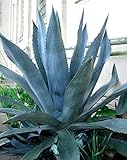
Are you captivated by the architectural beauty of the agave plant, with its striking rosettes and dramatic presence? These succulents, native to arid regions, have become increasingly popular for their resilience and unique aesthetic appeal. But, how do you ensure these majestic plants flourish in your home or garden?
Caring for an agave plant is a rewarding experience, offering both visual satisfaction and a connection to the natural world. Their adaptability and relatively low-maintenance needs make them an excellent choice for both novice and experienced gardeners. However, understanding their specific requirements is crucial for their long-term health and vitality. This comprehensive guide will equip you with all the knowledge you need to successfully cultivate these stunning plants.
From understanding their sunlight preferences to mastering the art of watering and repotting, we will cover every aspect of how to care for an agave plant. We’ll also delve into common problems and provide practical solutions to keep your agave looking its best. Get ready to unlock the secrets to nurturing these architectural wonders.
Understanding the Agave Plant
Before diving into the specifics of care, it’s essential to understand the nature of the agave plant. Agaves are succulents, meaning they store water in their leaves, stems, and roots, allowing them to thrive in dry environments. This characteristic is key to understanding their watering needs.
Agaves belong to the Asparagaceae family and are native to the Americas, particularly the southwestern United States, Mexico, and Central America. They are known for their striking rosettes of thick, fleshy leaves that can range in color from green to blue-grey, often with spiky margins and a sharp terminal spine. The size and shape of an agave vary greatly depending on the species, with some remaining relatively small while others can grow to impressive sizes.
Agaves are monocarpic, which means they flower only once in their lifetime, after which the main plant dies. However, they often produce offsets, also known as pups, which can be propagated to create new plants. The flowering stalk, when it appears, is a spectacular sight, towering high above the plant and bearing clusters of flowers that attract pollinators.
Common Agave Species
There are numerous species of agave, each with its own unique characteristics. Knowing the specific type you have will help you tailor your care accordingly. Some of the most popular include:
- Agave americana (Century Plant): A large, iconic species with gray-green leaves and a dramatic flowering stalk.
- Agave attenuata (Foxtail Agave): Known for its graceful, spineless leaves and curved form.
- Agave parryi (Parry’s Agave): A compact, cold-hardy species with blue-grey leaves.
- Agave tequilana (Blue Agave): The species used to make tequila, with long, bluish-green leaves.
Understanding the specific needs of your agave, considering the species, is critical to its success.
Sunlight and Location
Sunlight is arguably the most crucial factor in how to care for an agave plant. Agaves thrive in bright, direct sunlight, which is essential for their growth, health, and vibrant color. The amount of sunlight an agave receives directly impacts its overall well-being. Too little light can lead to etiolation (stretching), pale leaves, and a weakened plant.
When choosing a location for your agave, consider the following:
Outdoor Placement
If you live in a region with warm temperatures and plenty of sunshine, outdoor placement is ideal. Agaves flourish in full sun, which means at least six hours of direct sunlight per day. Choose a spot that receives the maximum amount of sunlight throughout the day. Ensure the soil drains well, as agaves do not tolerate soggy conditions.
- Full Sun Exposure: Aim for a location that receives at least 6 hours of direct sunlight daily.
- Well-Draining Soil: Agaves need soil that drains quickly to prevent root rot.
- Protected from Frost: Protect agaves from frost, especially in colder climates.
Indoor Placement
If you’re growing your agave indoors, place it in a south-facing window, where it will receive the most sunlight. If a south-facing window isn’t available, a west-facing window can also work. Rotate the plant regularly to ensure even light exposure and prevent it from leaning towards the light source. (See Also: How to Tell If a Plant Is Root Bound: Signs & Solutions)
- South-Facing Window: The ideal location for maximum sunlight.
- West-Facing Window: A good alternative if a south-facing window isn’t available.
- Supplemental Lighting: Consider using grow lights if natural light is insufficient.
Monitor the plant for signs of insufficient light, such as pale leaves or stretching. Adjust the location accordingly.
Watering Your Agave
Proper watering is critical for the health and longevity of your agave. As succulents, agaves are adapted to arid environments and are highly susceptible to overwatering. Understanding their watering needs is fundamental to how to care for an agave plant. The key is to allow the soil to dry out completely between waterings.
Watering Frequency
The frequency of watering depends on several factors, including the climate, the size of the plant, and the type of soil. As a general rule, water your agave deeply but infrequently. Allow the soil to dry out completely before watering again. During the growing season (spring and summer), you may need to water more frequently than in the dormant season (fall and winter).
- Growing Season (Spring/Summer): Water every 2-4 weeks, depending on conditions.
- Dormant Season (Fall/Winter): Reduce watering to once a month or less.
Watering Techniques
When watering, thoroughly soak the soil until water drains from the drainage holes. Ensure the entire root ball is moistened. Avoid getting water on the leaves, as this can lead to rot, especially in humid conditions. Allow the soil to dry completely before the next watering.
- Deep Watering: Water until water drains from the pot’s bottom.
- Avoid Wetting Leaves: Water at the base of the plant.
- Check Soil Moisture: Ensure the soil is completely dry before rewatering.
Signs of Overwatering
Overwatering is a common problem that can lead to root rot and the eventual death of the plant. Watch out for these signs:
- Yellowing Leaves: A sign of root rot.
- Soft, Mushy Leaves: Indicates excessive moisture.
- Dropping Leaves: A symptom of root damage.
- Rotting Stem: A severe sign of root rot.
If you suspect overwatering, stop watering immediately and allow the soil to dry out. You may need to repot the plant in fresh, well-draining soil.
Signs of Underwatering
While agaves are drought-tolerant, they still need water to survive. Underwatering can lead to stunted growth and damage to the plant. Watch for the following signs:
- Wrinkled Leaves: A sign of dehydration.
- Dry, Crispy Leaf Tips: Indicates insufficient water.
- Stunted Growth: The plant may not grow as expected.
If you suspect underwatering, water the plant thoroughly and monitor its condition. The plant should recover once properly hydrated.
Soil and Potting
The right soil and pot are crucial for the health of your agave. The soil must drain well to prevent root rot, and the pot should provide adequate space for the roots to grow. Understanding the right potting mix is a key aspect of how to care for an agave plant.
Soil Composition
Agaves thrive in well-draining soil that mimics their natural habitat. A good potting mix for agaves should consist of:
- Cactus Mix: A commercially available cactus mix is a convenient option.
- DIY Mix: Combine equal parts of potting soil, coarse sand, and perlite or pumice.
- Avoid Clay-Rich Soil: Clay retains too much water and can lead to root rot.
Potting
Choose a pot with drainage holes to allow excess water to escape. Terracotta pots are a good choice as they are porous and allow the soil to dry out more quickly. The pot should be large enough to accommodate the plant’s root system, but not too large, as this can lead to overwatering. (See Also: Unlocking Blooms: How to Plant Coreopsis Seeds for Success)
- Pot Material: Terracotta is ideal due to its breathability.
- Drainage Holes: Essential for preventing root rot.
- Pot Size: Choose a pot slightly larger than the root ball.
Repotting
Repot your agave every 2-3 years, or when it outgrows its current pot. The best time to repot is during the growing season (spring or summer). Carefully remove the plant from its old pot, gently loosen the roots, and plant it in a new pot with fresh soil.
- Choose the Right Time: Repot during the growing season.
- Remove the Plant: Carefully remove the agave from its old pot.
- Loosen the Roots: Gently loosen the roots before repotting.
- Plant in Fresh Soil: Use fresh, well-draining soil.
Fertilizing
Agaves are not heavy feeders, and over-fertilizing can be more harmful than beneficial. However, occasional fertilization during the growing season can promote healthy growth. Understanding the basics of feeding is another key aspect of how to care for an agave plant.
Fertilizer Type
Use a balanced, slow-release fertilizer formulated for succulents or cacti. Avoid fertilizers high in nitrogen, as this can lead to weak, leggy growth. Dilute the fertilizer to half strength to avoid over-fertilizing.
- Balanced Fertilizer: Choose a formula for succulents or cacti.
- Slow-Release: Provides nutrients over time.
- Diluted Solution: Use half the recommended strength.
Fertilizing Schedule
Fertilize your agave during the growing season (spring and summer) every 2-4 weeks. Do not fertilize during the dormant season (fall and winter). Stop fertilizing altogether if the plant is not actively growing.
- Growing Season: Fertilize every 2-4 weeks.
- Dormant Season: Avoid fertilizing.
Common Problems and Solutions
Even with proper care, agaves can occasionally encounter problems. Recognizing these issues early and addressing them promptly is key to keeping your plant healthy. This section provides solutions to the most common problems you may encounter when learning how to care for an agave plant.
Pests
Agaves are relatively pest-resistant, but they can be susceptible to mealybugs, scale, and spider mites. These pests can weaken the plant and cause damage.
- Mealybugs: Small, white, cottony insects that suck sap from the plant. Treat with insecticidal soap or neem oil.
- Scale: Small, brown, or black bumps that attach to the leaves. Remove them manually or use insecticidal soap.
- Spider Mites: Tiny pests that create webbing on the leaves. Increase humidity and treat with insecticidal soap or miticide.
Diseases
Root rot is the most common disease, often caused by overwatering or poor drainage. Fungal diseases can also occur, especially in humid conditions.
- Root Rot: Caused by overwatering. Repot in fresh, well-draining soil and reduce watering.
- Fungal Diseases: Treat with a fungicide if necessary. Improve air circulation.
Other Issues
Other problems can affect the health of your agave.
- Sunburn: Excessive sun exposure can cause brown spots on the leaves. Move the plant to a less intense light.
- Etiolation: Insufficient light leads to stretched growth. Move the plant to a brighter location.
- Frost Damage: Protect the plant from frost by bringing it indoors or covering it.
What Are the Signs of Root Rot in an Agave Plant?
Signs of root rot in an agave plant include yellowing leaves, soft and mushy leaves, dropping leaves, and a rotting stem. If you notice any of these signs, immediately stop watering and check the soil. You may need to repot the plant in fresh, well-draining soil and trim away any affected roots.
How Do I Treat Mealybugs on My Agave Plant?
Mealybugs can be treated with insecticidal soap or neem oil. Apply the chosen treatment according to the product’s instructions, ensuring you cover all affected areas of the plant. Repeat the treatment as necessary until the infestation is gone. You can also manually remove mealybugs with a cotton swab dipped in rubbing alcohol.
Propagation
Propagating agaves is a rewarding way to create new plants from your existing ones. There are two primary methods of propagation: through pups (offsets) and from seed. Understanding the propagation techniques is another facet of how to care for an agave plant. (See Also: How to Use Echinacea Plant: Benefits & Effective Uses)
Propagating From Pups (offsets)
Many agave species produce pups, which are small plantlets that grow around the base of the parent plant. These pups can be separated and replanted to create new agaves.
- Wait for Pups to Mature: Allow the pups to grow to a reasonable size (at least a few inches) before separating them.
- Carefully Remove Pups: Using a sharp knife or spade, carefully cut the pup away from the parent plant, ensuring you get some roots.
- Let Pups Dry: Allow the pups to dry for a few days to allow the cut to callus over.
- Pot the Pups: Plant the pups in well-draining soil and water sparingly until they establish roots.
Propagating From Seed
Propagating from seed is a more time-consuming process, but it allows you to grow agave plants from scratch. It is less common than propagation by pups.
- Collect Seeds: Collect seeds from the seed pods of a flowering agave.
- Sow Seeds: Sow the seeds in a well-draining seed-starting mix.
- Keep Moist: Keep the soil moist but not waterlogged.
- Provide Warmth and Light: Provide warmth and bright light.
- Transplant: Transplant seedlings into individual pots once they are large enough.
Winter Care
During the winter months, your agave plant’s care requirements will change. Understanding how to care for an agave plant during the winter is critical to its survival, especially in colder climates.
Outdoor Care
If you live in a region with mild winters, your agave may survive outdoors. However, it’s essential to protect it from frost. Cover the plant with a blanket or horticultural fleece during cold snaps. Consider moving potted agaves to a sheltered location, like against a wall, to protect them from the elements. Reduce watering significantly during the winter months.
- Frost Protection: Cover plants during freezing temperatures.
- Sheltered Location: Move potted plants to a sheltered spot.
- Reduced Watering: Water sparingly during the winter.
Indoor Care
If you bring your agave indoors for the winter, place it in a bright, sunny location. Reduce watering to once a month or less, as the plant’s growth slows down during the dormant season. Avoid placing the plant near heat sources, as this can dry out the soil too quickly.
- Bright Location: Provide maximum sunlight indoors.
- Reduced Watering: Water sparingly.
- Avoid Heat Sources: Keep away from radiators or vents.
Pruning and Maintenance
Pruning and regular maintenance will help keep your agave looking its best and promote healthy growth. This section explains the essential maintenance practices involved in how to care for an agave plant.
Pruning
Pruning is generally minimal for agaves. Remove any dead, damaged, or yellowing leaves. You can also trim the tips of the leaves if they become damaged. Always use clean, sharp pruning shears or a knife to make clean cuts. Be careful of the spines.
- Remove Dead Leaves: Cut off any dead or damaged leaves.
- Trim Leaf Tips: Trim damaged leaf tips if needed.
- Use Sharp Tools: Always use clean, sharp tools.
Cleaning
Wipe the leaves occasionally with a damp cloth to remove dust and debris. This helps the plant photosynthesize more efficiently and keeps it looking healthy. Avoid using any leaf shine products, as they can clog the pores of the leaves.
- Wipe Leaves: Clean the leaves with a damp cloth.
- Avoid Leaf Shine: Do not use leaf shine products.
Conclusion: Thriving Agaves
How to Care for an Agave Plant: A Summary
Caring for an agave plant is a rewarding experience, providing both visual beauty and a sense of accomplishment. By following the guidelines outlined in this comprehensive guide, you’ll be well-equipped to nurture these architectural wonders. Remember the importance of sunlight, proper watering, well-draining soil, and protection from pests and diseases. With patience and attention, your agave will thrive for years to come, adding a touch of desert elegance to your space.
Recommended Products