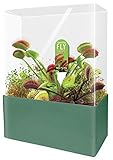
Intrigued by the carnivorous world? The Venus fly trap, a captivating plant, lures insects into its snapping jaws. But, keeping this fascinating plant alive requires specific care. Learn how to provide a thriving environment for your own miniature predator.
This guide dives into the essential elements of Venus fly trap care. From sunlight and water to dormancy and feeding, we’ll cover everything you need to know. Get ready to transform into a Venus fly trap expert and witness the wonders of this unique plant firsthand.
Ready to embark on this exciting journey? Discover the secrets to a happy and healthy Venus fly trap. Learn about the perfect conditions, from the right soil to the optimal amount of sunlight. Let’s cultivate your knowledge and grow your very own captivating plant!
Understanding the Venus Flytrap
The Venus flytrap (Dionaea muscipula) is a carnivorous plant native to the wetlands of North and South Carolina. It’s a fascinating species, known for its unique trapping mechanism that snaps shut when triggered by unsuspecting insects. These plants are not difficult to care for, but they have specific needs that must be met to thrive.
Before you bring a Venus flytrap home, it’s important to understand its natural habitat. This knowledge will guide you in replicating the conditions the plant needs to survive. Providing the right environment will ensure your Venus flytrap flourishes and continues to catch insects.
Choosing the Right Potting Mix
The potting mix is a critical aspect of Venus flytrap care. Regular potting soil found in garden centers is not suitable. It contains minerals that can harm the plant. You need a mix that mimics the nutrient-poor conditions of its natural environment.
The best potting mix for Venus flytraps consists of a combination of peat moss and perlite or sand. The peat moss provides acidity and moisture retention, while perlite or sand improves drainage. A good ratio is typically a 1:1 mix of peat moss and perlite or sand.
Why Peat Moss and Perlite?
Peat moss is a natural, organic material that retains moisture and creates an acidic environment. Venus flytraps thrive in acidic soil. This helps them absorb the necessary nutrients. Perlite, on the other hand, is a volcanic glass that helps to aerate the soil and improve drainage.
Using a well-draining mix is crucial. Venus flytraps are susceptible to root rot if the soil remains waterlogged. The perlite or sand component prevents this. Avoid using regular potting soil, as it contains minerals that will eventually kill your plant.
Watering Your Venus Flytrap
Watering is another crucial aspect of caring for a Venus flytrap. You must use the correct type of water. Tap water is generally unsuitable. It contains minerals that can build up in the soil and harm the plant over time.
The best water to use is rainwater, distilled water, or reverse osmosis (RO) water. These water sources are free of the harmful minerals that can damage the plant. Always keep the soil consistently moist, but not waterlogged. The “tray method” is a good technique to use. (See Also: How to Save a Dying Bamboo Plant: Revive & Thrive!)
The Tray Method
- Place the pot in a tray or saucer.
- Fill the tray with about an inch of water.
- Allow the plant to absorb water from the tray.
- Refill the tray as needed, ensuring the soil remains consistently moist.
Avoid letting the plant sit in standing water for extended periods, as this can lead to root rot. During the growing season (spring and summer), you may need to water more frequently. Reduce watering during the dormant period (fall and winter).
Providing Proper Sunlight
Venus flytraps require plenty of sunlight to thrive. They need at least 6 hours of direct sunlight per day. Insufficient sunlight will cause the plant to become weak and its traps to close slowly or not at all.
If you’re growing your Venus flytrap indoors, place it in a south-facing window. This location typically provides the brightest and most direct sunlight. If you don’t have a sunny window, you can supplement with a grow light.
Sunlight Tips
- Direct Sunlight: Aim for at least 6 hours of direct sunlight.
- Indoor Placement: South-facing windows are ideal.
- Supplemental Lighting: Use a grow light if natural light is insufficient.
- Gradual Acclimation: When moving a plant outdoors, introduce it to sunlight gradually to prevent sunburn.
If you’re growing your Venus flytrap outdoors, choose a location that receives ample sunlight. Be mindful of extreme heat, as this can dry out the potting mix quickly. Protect the plant from harsh afternoon sun, especially during the hottest months.
Feeding Your Venus Flytrap
While Venus flytraps get some nutrients from photosynthesis, they also need to consume insects. This is how they obtain essential nutrients like nitrogen and phosphorus. However, you don’t need to feed them regularly.
Healthy, actively growing Venus flytraps will usually catch insects on their own. If the plant is indoors or doesn’t naturally attract insects, you can hand-feed it, but only occasionally. Never feed a Venus flytrap anything other than live insects.
Feeding Guidelines
- Live Insects Only: Feed only live insects, such as small flies, ants, or spiders.
- Trap Size: Choose insects that are small enough to fit inside the traps.
- Triggering the Trap: Gently stimulate the trigger hairs inside the trap with the insect.
- One Insect Per Trap: Avoid overfeeding, as it can exhaust the plant.
- Avoid Human Food: Never feed Venus flytraps meat or other human food.
Avoid overfeeding your plant, as this can exhaust it and potentially lead to the trap dying. A trap can only close and digest an insect a few times before it dies. If a trap closes but doesn’t capture an insect, it will reopen in about 12 hours.
Temperature and Humidity Requirements
Venus flytraps thrive in specific temperature and humidity ranges. They prefer warm temperatures during the growing season and a cooler period for dormancy. They also need a certain level of humidity to stay healthy.
During the growing season (spring and summer), Venus flytraps prefer temperatures between 70-95°F (21-35°C). They can tolerate higher temperatures, but make sure they have adequate moisture. During the dormant period (fall and winter), they need cooler temperatures, ideally between 35-50°F (2-10°C).
Humidity Considerations
- Humidity Levels: Aim for humidity levels of 50-70%.
- Indoor Humidity: If humidity is low, use a humidity tray or a humidifier.
- Outdoor Humidity: Outdoor environments often provide sufficient humidity.
- Avoid Dry Air: Keep the plant away from heat vents or other sources of dry air.
If you live in a dry climate, you may need to increase the humidity around your Venus flytrap. You can do this by placing the pot on a tray filled with pebbles and water. As the water evaporates, it will increase the humidity around the plant. (See Also: Expert Guide: How to Plant Spruce Trees for a Thriving Forest)
Dormancy: The Importance of a Winter Rest
Venus flytraps need a dormancy period during the winter months. This is a crucial part of their life cycle. During dormancy, the plant slows down its growth and conserves energy. Without a period of dormancy, the plant will weaken and eventually die.
To induce dormancy, you need to provide the plant with cooler temperatures and reduced sunlight. This usually happens naturally if you live in a climate with cold winters. If you live in a warmer climate, you may need to provide artificial dormancy.
Inducing Dormancy
- Reduce Watering: Cut back on watering during the dormant period.
- Cooler Temperatures: Move the plant to a cooler location, such as a garage or unheated room.
- Reduced Sunlight: Provide less sunlight.
- Don’t Fertilize: Avoid fertilizing during dormancy.
- Monitor and Observe: Watch for signs of new growth in the spring.
During dormancy, the plant may look like it’s dying. The traps will turn black and the leaves may die back. This is normal. In the spring, the plant will emerge from dormancy and begin to grow again. The dormant period usually lasts for 3-5 months.
Repotting Your Venus Flytrap
Repotting your Venus flytrap is necessary every one to two years. This is because the potting mix will break down over time. It will lose its ability to drain properly. Repotting also gives the plant fresh nutrients and more space to grow.
The best time to repot is in late winter or early spring, before the growing season begins. Gently remove the plant from its pot. Carefully remove the old potting mix from the roots. Gently place the plant in a new pot with fresh potting mix.
Repotting Steps
- Choose the Right Pot: Select a pot with drainage holes.
- Prepare the Potting Mix: Use a fresh mix of peat moss and perlite or sand.
- Gently Remove the Plant: Carefully take the plant from its current pot.
- Loosen the Roots: Gently loosen the roots of the plant.
- Repot: Place the plant in the new pot and fill with potting mix, ensuring the crown of the plant is at the soil surface.
- Water Thoroughly: Water the plant thoroughly after repotting.
After repotting, water the plant thoroughly and place it in a location with bright, indirect sunlight. Avoid fertilizing the plant for at least a month after repotting. This allows the roots to settle into the new potting mix.
Common Problems and Solutions
Even with the best care, Venus flytraps can encounter problems. Common issues include pests, diseases, and environmental stress. Knowing how to identify and address these problems is crucial to keeping your plant healthy.
Pests such as aphids and spider mites can infest Venus flytraps. You can treat these pests with insecticidal soap or by rinsing the plant with water. Fungal diseases can occur if the plant is kept too wet. Ensure proper drainage and air circulation.
Troubleshooting
- Yellowing Leaves: Can indicate overwatering, underwatering, or nutrient deficiency. Adjust watering or repot with fresh potting mix.
- Black Traps: Can result from overfeeding, improper dormancy, or the natural life cycle of the traps.
- Slow Growth: May be caused by insufficient sunlight, improper watering, or nutrient deficiency.
- Pests: Treat with insecticidal soap or by rinsing the plant.
Environmental stress, such as sudden temperature changes or exposure to chemicals, can also harm Venus flytraps. Avoid using tap water. Always use the appropriate potting mix and water. Provide proper sunlight and humidity.
Propagating Venus Flytraps
Venus flytraps can be propagated through several methods. The most common methods are division and leaf cuttings. Propagating allows you to create new plants from an existing one. (See Also: Learn How to Get Aloe Vera Gel From Your Plant)
Division involves separating the plant’s rhizome (underground stem) into multiple pieces. Each piece should have roots and at least a few leaves. Leaf cuttings involve taking a healthy leaf and placing it in a suitable potting mix.
Propagation Techniques
- Division: Divide the rhizome during repotting.
- Leaf Cuttings: Remove a healthy leaf and place it in a peat moss and perlite mix.
- Humidity: Maintain high humidity for cuttings.
- Patience: Propagation can take several weeks or months.
Propagation requires patience and careful attention to detail. Provide the new plants with the same care as established plants. Propagating Venus flytraps can be a rewarding experience. It allows you to expand your collection and share these fascinating plants with others.
Can I Feed My Venus Flytrap Meat?
No, you should never feed your Venus flytrap meat or any other food intended for humans or animals. Venus flytraps have evolved to digest insects, not meat. Meat can rot and introduce harmful bacteria, which can kill your plant. Only feed your Venus flytrap live insects, such as small flies or ants.
Why Are My Venus Flytrap’s Traps Turning Black?
There are several reasons why a Venus flytrap’s traps may turn black. First, it’s normal for traps to die after they have caught and digested an insect. Second, traps may turn black if they are not triggered properly, or if they are triggered too often. Finally, black traps can be a sign of overwatering or other environmental stressors. Adjust your watering practices, and ensure the plant gets adequate sunlight and proper dormancy.
How Long Do Venus Flytraps Live?
With proper care, Venus flytraps can live for many years. They are perennial plants, meaning they can live for several years. In their natural habitat, they can live for 20 years or more. In cultivation, with consistent care, Venus flytraps can thrive for many years. Provide the right environment and follow the care guidelines to ensure your plant lives a long and healthy life.
Conclusion
Caring for a Venus flytrap involves understanding its unique needs, from the right potting mix and water to adequate sunlight and dormancy. By providing the correct environment and following these guidelines, you can ensure your plant thrives and continues to fascinate. Proper care is essential for the longevity of your Venus flytrap.
Enjoy the process of nurturing this amazing carnivorous plant. Your Venus flytrap will reward you with its captivating beauty and insect-catching prowess. Embrace the challenge, and watch your Venus flytrap flourish!
Recommended Products