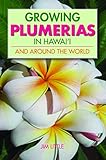
Imagine vibrant, fragrant blossoms adorning your garden, filling the air with an intoxicating perfume. This dream can be a reality with the enchanting Plumeria tree, also known as Frangipani. These tropical beauties are surprisingly adaptable and, with the right care, can thrive in a variety of climates, bringing a touch of paradise to your home.
Whether you’re a seasoned gardener or just starting out, understanding the specific needs of a Plumeria is key to unlocking its full potential. From selecting the perfect spot to ensuring it gets the right amount of water and nutrients, this guide will walk you through every step of how to care for a Plumeria tree.
Understanding Your Plumeria Tree
Plumeria trees are native to tropical and subtropical regions of the Americas, the Caribbean, and the Pacific Islands. They are renowned for their stunning, waxy flowers that come in a dazzling array of colors, from pure white and soft pink to vibrant reds, yellows, and oranges. These flowers are not only beautiful but also incredibly fragrant, making them a popular choice for leis and perfumes.
Types of Plumeria
While the general care principles remain similar, understanding the different types of Plumeria can be beneficial. Most common varieties fall under the Plumeria rubra (red plumeria) and Plumeria obtusa (white plumeria) species, each with distinct flower shapes and blooming habits. Hybrids abound, offering an even wider spectrum of colors and fragrances.
Growth Habits
Plumerias are deciduous trees or shrubs, meaning they lose their leaves during cooler months or when conditions are unfavorable. They typically grow as multi-branched shrubs or small trees, reaching heights of 5 to 25 feet depending on the variety and growing conditions. Their growth can be somewhat leggy, and they often develop a distinctive, sculptural form.
Essential Care Requirements
Sunlight: The Key to Blooming
Plumeria trees are sun-worshippers. To encourage abundant flowering and healthy growth, they need at least 6-8 hours of direct sunlight per day. The more sun they receive, the more flowers they will produce. In cooler climates or during intense summer heat, some afternoon shade might be beneficial to prevent leaf scorch.
- Ideal Location: Choose a south-facing or west-facing spot that receives unobstructed sunlight.
- Container Growing: If growing in pots, ensure the location is as sunny as possible. Rotate pots periodically to ensure even exposure.
- Signs of Insufficient Light: Leggy growth, few to no flowers, and pale green leaves can indicate a lack of sunlight.
Soil: Drainage Is Paramount
Plumerias absolutely detest wet feet. Soggy soil can quickly lead to root rot, which is often fatal. Therefore, excellent drainage is the most critical factor when selecting or preparing soil for your Plumeria. (See Also: Pokemon Moon How to Get to the Battle Tree: Pokemon…)
- Ideal Mix: A fast-draining potting mix is essential for container-grown plants. A good recipe includes equal parts potting soil, perlite, and coarse sand or pumice.
- In-Ground Planting: If planting in the ground, amend heavy clay soils with plenty of organic matter like compost and coarse sand to improve drainage. Raised beds are an excellent option in areas with poor drainage.
- pH Level: Plumerias prefer slightly acidic to neutral soil, with a pH range of 6.0 to 7.0.
Watering: Less Is More
Overwatering is a common mistake that can lead to root rot. Plumerias are drought-tolerant once established and prefer to dry out slightly between waterings.
- In-Ground Plants: Water deeply but infrequently. Allow the top few inches of soil to dry out completely before watering again. In hot, dry climates, this might be once a week; in cooler, more humid conditions, it could be every few weeks.
- Container-Grown Plants: Water more frequently as pots dry out faster. Check the soil moisture by sticking your finger a couple of inches into the soil. Water thoroughly until it drains from the bottom of the pot.
- Seasonal Adjustments: Reduce watering significantly during cooler months and when the plant is dormant or shedding leaves.
- Signs of Underwatering: Drooping leaves, but usually, the leaves will feel dry and papery.
- Signs of Overwatering: Yellowing leaves, mushy stems, and eventual root rot.
Temperature and Humidity: Tropical Comfort
Plumerias thrive in warm temperatures and are sensitive to frost. They are best grown outdoors in tropical and subtropical climates where temperatures rarely drop below 40°F (4°C).
- Ideal Range: Plumerias prefer temperatures between 65°F and 85°F (18°C to 29°C).
- Frost Protection: If you live in an area with occasional frost, you must protect your Plumeria. Bring container-grown plants indoors or cover outdoor plants with frost cloths. Severe frost can kill the plant to the ground, but it may resprout from the roots if the damage is not too extensive.
- Humidity: While they appreciate humidity, they can tolerate drier air, especially if watered appropriately. Good air circulation is important to prevent fungal diseases.
Fertilizing: Fueling the Blooms
To encourage prolific blooming, regular feeding is essential during the growing season. Plumerias are heavy feeders when they are actively growing and flowering.
- Fertilizer Type: Use a fertilizer specifically formulated for Plumerias or tropical plants. These often have a higher phosphorus content (the middle number in the N-P-K ratio) to promote flowering. Look for ratios like 10-30-20 or similar.
- Frequency: Start fertilizing in early spring as new growth appears. Fertilize every 2-4 weeks throughout the growing season (spring through fall).
- Application: Water the plant thoroughly before applying liquid fertilizer to avoid root burn. For granular fertilizers, follow package instructions.
- Dormancy: Cease fertilizing in late fall as the plant prepares for dormancy.
Pruning: Shaping and Encouraging Growth
Pruning is not strictly necessary for the survival of a Plumeria, but it can help shape the plant, encourage bushier growth, and manage its size.
- When to Prune: The best time to prune is in late winter or early spring, just before new growth begins. Avoid pruning during the active growing season or when the plant is flowering, as this can reduce blooming.
- How to Prune: Make clean cuts with sharp, sterilized pruning shears or a saw. Cut back branches to encourage branching from below the cut. You can also remove dead, damaged, or crossing branches at any time.
- Tip: Pruning can sometimes stimulate more flowers, as it encourages new growth where flower spikes will form.
Common Pests and Diseases
While generally robust, Plumerias can occasionally be susceptible to pests and diseases. Early detection and intervention are key.
Pests
- Spider Mites: Tiny pests that thrive in dry conditions, causing stippling on leaves. Increase humidity and use insecticidal soap or neem oil.
- Mealybugs: White, cottony masses often found in leaf axils. Remove with a cotton swab dipped in rubbing alcohol or use insecticidal soap.
- Scale Insects: Small, immobile bumps that feed on sap. Scrape them off or use horticultural oil.
- Aphids: Small, soft-bodied insects that cluster on new growth. A strong spray of water or insecticidal soap usually suffices.
Diseases
- Root Rot: Caused by overwatering and poor drainage. Prevention is key. If caught early, repotting in dry, well-draining soil may save the plant.
- Fungal Leaf Spot: Appears as dark spots on leaves. Improve air circulation and remove affected leaves. Avoid overhead watering.
- Black Tip: The tips of the flower buds turn black and rot. This is often due to inconsistent watering or nutrient deficiencies. Ensure consistent watering and use a balanced fertilizer.
Propagating Your Plumeria
One of the joys of growing Plumerias is their ease of propagation. You can easily create new plants from cuttings. (See Also: How Often to Water Lemon Tree in Pot: A Guide)
Taking Cuttings
- When to Take: The best time to take cuttings is in spring or early summer, after the plant has started its active growth.
- How to Take: Use a sharp, sterilized knife or pruners to cut a healthy branch that is 8-12 inches long. Remove most of the leaves, leaving only a few at the tip.
- Callusing: Allow the cut end to ‘callus’ over for a few days to a week in a dry, airy place. This prevents rot when planted.
Planting Cuttings
- Potting Mix: Use a very well-draining mix, such as perlite and potting soil (50/50).
- Planting: Insert the callused end about 2-3 inches deep into the potting mix. You can use a rooting hormone to encourage faster root development.
- Watering: Water very sparingly initially. You want the soil to be slightly moist but not wet.
- Warmth and Light: Place the pot in a warm location with bright, indirect light.
- Rooting: Roots typically form within 4-8 weeks. You can gently tug on the cutting; if there’s resistance, it has rooted.
Overwintering Plumeria
For those in cooler climates, overwintering your Plumeria is crucial for its survival. The goal is to provide a dormant period with minimal stress.
For Container-Grown Plants
- Bring Indoors: When temperatures consistently drop below 50°F (10°C), bring your Plumeria indoors.
- Reduce Watering: Significantly reduce watering. Allow the soil to dry out completely between waterings, and water only enough to prevent the roots from completely desiccating.
- Light: Place in a cool, bright location. A south-facing window is ideal. If light is limited, the plant may drop its remaining leaves.
- Temperature: Aim for a cool temperature, ideally between 45°F and 60°F (7°C to 15°C). Avoid warm, dry indoor environments if possible.
- Pest Check: Inspect for pests before bringing indoors and treat if necessary.
For in-Ground Plants (in Borderline Climates)
- Protection: If you have a microclimate that offers some protection, you can try leaving them in the ground. Cover the base of the plant with mulch or straw.
- Frost Cloths: Use horticultural fleece or frost cloths to cover the entire plant during light frosts.
- Pruning: You may prune back heavily before winter to make covering easier and reduce the risk of wind damage.
- Root Pruning: In very cold areas, some gardeners carefully excavate around the roots and store them in a cool, dry place, similar to dahlia tubers.
Troubleshooting Common Issues
Even with the best care, you might encounter a few hiccups. Here’s how to address them:
Yellowing Leaves
Yellowing leaves can be a sign of overwatering (most common), underwatering, lack of nutrients, or insufficient light. Assess your watering habits first. If the soil is consistently wet, reduce watering. If it’s very dry, water more. If the plant is getting enough sun and water, consider a balanced fertilizer.
Drooping Leaves
Drooping leaves can indicate underwatering, overwatering (leading to root rot and inability to absorb water), or extreme heat. Check soil moisture. If dry, water thoroughly. If wet, allow to dry out and reassess watering frequency. In extreme heat, provide some temporary afternoon shade.
No Flowers
Lack of flowering is often due to insufficient sunlight. Ensure your Plumeria is receiving at least 6-8 hours of direct sun daily. It can also be a sign of a lack of phosphorus in the soil, so consider using a bloom-boosting fertilizer. Young plants also need time to mature before they start flowering prolifically.
Leaf Drop
Leaf drop is normal during dormancy, especially in cooler climates or when brought indoors for winter. If it occurs during the growing season, it could be a sign of stress from sudden changes in temperature, light, or watering. Ensure consistent care and avoid drastic environmental shifts. (See Also: How Does the Battle Tree Work? Your Guide to Pokémon’s)
Container Gardening with Plumeria
Plumeria are excellent candidates for container gardening, allowing you to grow them in almost any climate by moving them indoors during colder months.
- Pot Size: Start with a pot that is only slightly larger than the root ball. As the plant grows, you can repot into a larger container every 2-3 years. Avoid overly large pots, as they can retain too much moisture.
- Drainage Holes: Ensure the pot has ample drainage holes.
- Repotting: Repot in spring when new growth appears. When repotting, it’s a good opportunity to inspect the roots and prune any that are rotten or overly long.
Harvesting Plumeria Flowers
While not essential for the plant’s health, you can harvest Plumeria flowers for their beauty and fragrance. Flowers are best picked when they are fully open and fragrant. They can be used in leis, as decorative accents, or even dried for potpourri. Be gentle when harvesting to avoid damaging the plant.
Conclusion
Caring for a Plumeria tree is a rewarding experience, bringing exotic beauty and intoxicating fragrance to your surroundings. By providing ample sunlight, ensuring excellent drainage, watering judiciously, and offering appropriate feeding and temperature, you can cultivate these tropical treasures. With a little attention to their specific needs, your Plumeria will flourish, rewarding you with a spectacular display of blooms year after year, transforming your garden into a serene, tropical paradise.
Recommended Products