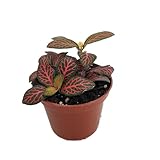
Are you captivated by the intricate beauty of the nerve plant, also known as Fittonia? These stunning plants, with their vibrant, patterned leaves, are a fantastic addition to any indoor space. Their delicate appearance, however, can be deceiving. Nerve plants require specific care to thrive, but with the right knowledge, you can cultivate a thriving and visually appealing specimen.
This comprehensive guide will delve into every aspect of nerve plant care, from understanding their origins to mastering the art of propagation. We’ll explore the ideal light conditions, watering techniques, soil requirements, and common problems you might encounter. By following these expert tips, you’ll be well on your way to enjoying the lush, colorful foliage of your own nerve plant for years to come.
Get ready to unlock the secrets of nerve plant care and transform your home into a verdant oasis. Learn how to care for a nerve plant effectively and ensure it flourishes. Let’s begin your journey to becoming a nerve plant expert!
Understanding the Nerve Plant (fittonia Albivenis)
Before diving into the specifics of care, it’s essential to understand the nerve plant’s background. Native to the humid rainforests of South America, specifically Peru, Fittonia albivenis thrives in warm, shaded environments. This origin provides crucial clues about its preferred conditions. The plant is known for its delicate, creeping stems and striking, veined leaves, which come in various colors, including green, pink, red, and white. There are several varieties of nerve plants, each with unique patterns and colors.
Origin and Habitat
The nerve plant’s native habitat is a crucial factor in understanding its needs. It grows on the forest floor, where it receives filtered sunlight and high humidity. This environment shapes its preferences for light, water, and humidity. Mimicking these conditions indoors is key to successful nerve plant care. The dense canopy of the rainforest provides shade, which means the plant is adapted to lower light levels.
Common Varieties
Several nerve plant varieties exist, offering a diverse range of colors and leaf patterns. Some popular choices include:
- Fittonia albivenis ‘Pink’: Features vibrant pink veins against dark green leaves.
- Fittonia albivenis ‘White Anne’: Displays white veins with green leaves.
- Fittonia albivenis ‘Red’: Showcases red veins on green foliage.
- Fittonia albivenis ‘Mini’: A smaller variety, perfect for terrariums and compact spaces.
Choosing a variety often comes down to personal preference, but all share similar care requirements.
Light Requirements for Nerve Plants
Light is a critical factor in nerve plant care. While they appreciate bright light, direct sunlight can scorch their delicate leaves. The goal is to provide enough light for healthy growth without causing damage. The right light conditions will keep your nerve plant’s colors vibrant and the plant itself healthy.
Ideal Light Conditions
The ideal light for a nerve plant is bright, indirect light. This means the plant should be placed near a window that receives filtered sunlight or in a location that receives ample ambient light. An east-facing window is often a good choice, as it provides gentle morning sunlight. Avoid placing the plant in a south-facing window, as the intense afternoon sun can be too harsh.
Signs of Insufficient Light
If your nerve plant isn’t receiving enough light, it will exhibit certain signs. The most common is a loss of leaf color, with the vibrant veins fading. The plant may also become leggy, with long stems and sparse leaves. Addressing the issue early can prevent further problems. Moving the plant to a brighter location usually resolves this.
Signs of Excessive Light
Conversely, too much light can also harm a nerve plant. The leaves may develop brown, crispy edges or experience overall bleaching. This indicates sunburn. Immediately move the plant to a location with less direct sunlight. Providing shade can alleviate the problem.
Watering Your Nerve Plant: A Delicate Balance
Watering is arguably the most crucial aspect of nerve plant care. These plants are sensitive to both overwatering and underwatering. Finding the right balance is essential for their survival and health. Consistent moisture is key, but avoiding soggy soil is equally important. (See Also: Zucchini Harvest: How Many Zucchinis Per Plant Can You Expect?)
Watering Frequency and Techniques
The watering frequency for a nerve plant depends on several factors, including the environment, pot size, and season. In general, water your nerve plant when the top inch of soil feels dry to the touch. Water thoroughly, allowing excess water to drain from the pot. Avoid letting the plant sit in standing water, as this can lead to root rot. Using room-temperature water is best.
Signs of Overwatering
Overwatering is a common problem for nerve plants. Symptoms include:
- Yellowing leaves
- Drooping leaves
- Mushy stems
- Root rot (which can be identified by a foul smell)
If you suspect overwatering, reduce the watering frequency and ensure the pot has adequate drainage. Remove any affected roots. Allowing the soil to dry out slightly can help the plant recover.
Signs of Underwatering
Underwatering can also stress a nerve plant. Signs include:
- Wilting leaves
- Crispy leaf edges
- Stunted growth
If you notice these signs, water the plant immediately and thoroughly. It may take some time for the plant to recover, but consistent watering can help it bounce back.
Soil and Potting for Nerve Plants
The right soil and pot are essential for the health and growth of your nerve plant. The soil should provide good drainage while retaining enough moisture. The pot should have adequate drainage holes. Choosing the right pot and soil can significantly impact your plant’s overall health and appearance.
Ideal Soil Composition
Nerve plants thrive in a well-draining, slightly acidic soil mix. A good combination includes:
- Potting mix: A high-quality potting mix forms the base of the soil.
- Perlite: Adds drainage and aeration.
- Peat moss or coco coir: Retains moisture.
You can also purchase pre-mixed potting soil specifically designed for tropical plants.
Potting and Repotting
Choose a pot with drainage holes to prevent waterlogging. Terracotta pots are a good option, as they allow for better air circulation. Repot your nerve plant every one to two years, or when it outgrows its current pot. When repotting, gently remove the plant from its old pot, loosen the roots, and place it in a slightly larger pot with fresh soil. Water the plant thoroughly after repotting.
Humidity and Temperature Requirements
Nerve plants thrive in humid environments. They are native to humid rainforests. Maintaining the right humidity levels is crucial for their well-being. Additionally, temperature plays a vital role in their overall health and growth.
Humidity Levels
Nerve plants prefer high humidity levels, ideally between 60% and 70%. Low humidity can cause the leaves to dry out and become crispy. You can increase humidity by: (See Also: Expert Guide: How to Take Care of Avocado Plant)
- Misting: Regularly misting the plant’s leaves with water.
- Humidifier: Using a humidifier near the plant.
- Pebble tray: Placing the pot on a tray filled with pebbles and water.
- Grouping plants: Grouping plants together to create a microclimate.
Temperature Range
Nerve plants prefer temperatures between 65°F and 75°F (18°C and 24°C). Avoid placing the plant near drafts, heating vents, or air conditioning units, as these can cause temperature fluctuations. Protect your nerve plant from extreme temperature changes.
Fertilizing Nerve Plants
Fertilizing nerve plants supports healthy growth and vibrant foliage. However, over-fertilizing can be detrimental. The key is to fertilize during the growing season and to use the correct type and amount of fertilizer.
Fertilizer Type and Frequency
Use a balanced, water-soluble fertilizer diluted to half strength during the growing season (spring and summer). Fertilize your nerve plant once or twice a month during this time. Avoid fertilizing during the dormant season (fall and winter), as the plant’s growth slows down.
Signs of Over-Fertilizing
Over-fertilizing can lead to:
- Brown leaf tips
- Salt buildup on the soil surface
- Stunted growth
If you suspect over-fertilizing, flush the soil with water to remove excess salts. Reduce or stop fertilizing until the plant recovers.
Pruning and Maintenance
Regular pruning and maintenance keep your nerve plant looking its best. Pruning helps to maintain its shape, encourage new growth, and remove any damaged or dead leaves. Maintenance also includes cleaning the leaves and inspecting the plant for pests and diseases. Regular maintenance will contribute to your nerve plant’s overall health and beauty.
Pruning Techniques
Prune your nerve plant to maintain its shape and encourage bushier growth. Pinch off the tips of stems to promote branching. Remove any leggy or overgrown stems. You can also prune away any dead or yellowing leaves. Use clean, sharp scissors or pruning shears.
Cleaning the Leaves
Dust can accumulate on the leaves, hindering photosynthesis. Gently wipe the leaves with a damp cloth to remove dust and debris. This will also help to keep the leaves looking vibrant and healthy. Make sure to support the leaves when cleaning them.
Pest and Disease Control
Regularly inspect your nerve plant for pests and diseases. Common pests include spider mites, mealybugs, and aphids. Treat infestations promptly with insecticidal soap or neem oil. Prevent diseases by providing good air circulation and avoiding overwatering. Remove any infected leaves or stems.
Propagating Nerve Plants
Propagating nerve plants is a rewarding way to expand your collection or share them with friends. Propagating nerve plants is relatively easy and can be done through stem cuttings or division. Proper propagation techniques ensure successful new plants.
Propagating From Stem Cuttings
The most common method of propagation is from stem cuttings. Here’s how: (See Also: Learn How to Propagate Snake Plant From Leaf: A Complete Guide)
- Take a stem cutting that’s 3-4 inches long, with several leaves.
- Remove the lower leaves from the cutting.
- Place the cutting in a glass of water or directly in moist potting mix.
- If using water, change the water every few days.
- Roots should develop in a few weeks.
- Once roots are 1-2 inches long, plant the cutting in potting soil.
Propagating by Division
You can also propagate nerve plants by division, especially if the plant has become crowded. Gently separate the plant into smaller sections, ensuring each section has roots. Plant each section in its own pot with fresh soil. Water thoroughly after dividing.
Common Problems and Solutions
Even with the best care, nerve plants can sometimes encounter problems. Understanding these common issues and their solutions will help you keep your plant healthy and thriving. Being able to identify and address these problems early can prevent more serious issues.
Leaf Yellowing
Yellowing leaves can be caused by several factors, including overwatering, underwatering, insufficient light, or nutrient deficiency. Assess your watering habits, light conditions, and fertilization schedule. Adjust your care routine as needed.
Leaf Drooping
Drooping leaves often indicate underwatering or, less commonly, overwatering. Check the soil moisture and adjust your watering schedule accordingly. Ensure the plant is not exposed to drafts or extreme temperatures.
Pest Infestations
Spider mites, mealybugs, and aphids can infest nerve plants. Inspect the plant regularly for signs of pests. Treat infestations with insecticidal soap or neem oil. Isolate the affected plant to prevent the spread of pests to other plants.
Root Rot
Root rot is caused by overwatering and poor drainage. Symptoms include mushy stems, yellowing leaves, and a foul smell. If you suspect root rot, repot the plant in fresh soil, removing any affected roots. Improve drainage and adjust your watering habits.
Troubleshooting Tips
Here are some additional tips for troubleshooting common nerve plant problems.
- Check the soil: Always check the soil moisture before watering.
- Adjust light: Move the plant to a location with more or less light, as needed.
- Improve humidity: Increase humidity levels if the leaves are drying out.
- Inspect for pests: Regularly check for pests and treat infestations promptly.
- Repot if necessary: Repot the plant if it’s root-bound or the soil is compacted.
Creating the Ideal Environment
Creating the ideal environment for your nerve plant involves a combination of factors, including light, water, humidity, and temperature. By understanding and controlling these elements, you can ensure your nerve plant thrives. Paying attention to these elements will help the plant thrive.
Optimizing Light, Water, and Humidity
Provide bright, indirect light. Water when the top inch of soil is dry. Maintain high humidity levels. Monitor the plant’s response to these conditions and adjust as needed. Fine-tuning these elements will help your plant thrive.
Choosing the Right Location
Select a location that receives bright, indirect light and is away from drafts and extreme temperatures. Consider the humidity levels in different rooms of your home. A bathroom or kitchen can be ideal due to their higher humidity. The right location sets the foundation for your plant’s success.
Conclusion
Caring for a nerve plant requires attention to detail, but the rewards are well worth the effort. By understanding its needs for light, water, humidity, and soil, you can cultivate a thriving and beautiful plant. Remember to be patient and observant. With the right care, your nerve plant will flourish, bringing joy and beauty to your home. Enjoy the process of learning how to care for a nerve plant.
Recommended Products