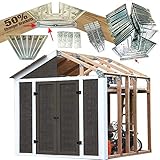
So, you’re building a shed, and you’ve hit that pivotal point: the roof. It’s a critical element, protecting your belongings from the elements and defining the shed’s overall look. But where do you even begin? Don’t worry, we’ve all been there! Building a shed roof might seem daunting, but with the right guidance, it’s a manageable project that you can accomplish.
This guide will walk you through every step, from planning and material selection to the final shingle placement. We’ll cover different roof styles, essential tools, and helpful tips to ensure your shed roof is not only functional but also aesthetically pleasing. Let’s get started!
Choosing the Right Roof Style
The first step in building your shed roof is deciding on the style. The roof style dictates the materials needed, the complexity of the build, and the overall look of your shed. Here are a few popular options:
Gable Roof
The gable roof is the most common choice. It’s characterized by two sloping sides that meet at a ridge, forming a triangular shape at each end. This style is relatively easy to build and provides excellent water runoff. It also offers more interior headroom, which can be a bonus if you plan to store tall items in your shed.
Shed Roof (lean-to Roof)
The shed roof, also known as a lean-to roof, is the simplest design. It consists of a single sloping plane. This style is straightforward to construct and requires fewer materials than a gable roof. It’s often chosen for its simplicity and is a good option if you are a beginner.
Hip Roof
A hip roof has slopes on all four sides. It’s more complex to build than a gable or shed roof but offers increased stability and aesthetic appeal. Hip roofs are generally more resistant to wind and weather.
Gambrel Roof
The gambrel roof is reminiscent of a barn roof. It features two slopes on each side, with a steeper lower slope and a shallower upper slope. This design provides significant headroom and is visually distinctive. However, it can be more complex to build compared to the gable or shed roof.
Consider the climate in your area when choosing a roof style. Areas with heavy snowfall might benefit from a steeper slope to facilitate snow shedding. Also, think about the overall aesthetic you want to achieve for your shed. The roof style significantly impacts the building’s appearance. (See Also: 12×16 Shed Cost: Your Complete Guide to Budgeting & Building)
Gathering Your Materials and Tools
Once you’ve chosen your roof style, it’s time to gather the necessary materials and tools. Preparation is key to a smooth building process. Here’s a list of essential items:
Materials
- Lumber: For rafters, ridge board (for gable roofs), and possibly purlins (horizontal supports). The type and amount of lumber will vary depending on your roof style and shed size. Pressure-treated lumber is recommended for any wood in contact with the ground or exposed to moisture.
- Sheathing: Plywood or OSB (oriented strand board) to cover the rafters and create a solid surface for the roofing material.
- Roofing Material: Asphalt shingles, metal roofing, or other options. The choice depends on your budget, aesthetic preferences, and local building codes.
- Underlayment: A waterproof barrier (felt paper or synthetic underlayment) to protect the sheathing from moisture.
- Fasteners: Nails, screws, and staples for securing the lumber, sheathing, and roofing materials.
- Flashing: Metal strips used at the edges of the roof and around any protrusions (e.g., chimneys or vents) to prevent water leaks.
- Ridge Cap: Special shingles or metal pieces used to cover the ridge of a gable roof.
- Gutters and Downspouts (Optional): To collect and direct rainwater away from the shed.
Tools
- Measuring Tape: For accurate measurements.
- Level: To ensure everything is plumb and level.
- Circular Saw: For cutting lumber and sheathing.
- Hammer or Nail Gun: For driving nails. A nail gun will significantly speed up the process.
- Drill/Driver: For driving screws.
- Safety Glasses and Work Gloves: Essential for protecting yourself.
- Ladder: To safely reach the roof.
- Chalk Line: For marking straight lines on the sheathing.
- Square: For making accurate cuts. A framing square is particularly useful.
- Roofing Shovel or Pry Bar: To remove old shingles (if applicable).
- Utility Knife: For cutting underlayment and other materials.
Step-by-Step Guide to Building a Gable Roof
Let’s walk through the process of building a gable roof, as it’s the most common and versatile design. (Note: Always consult your local building codes and obtain necessary permits before starting any construction project.)
- Prepare the Shed Walls: Ensure your shed walls are level and square. The roof will sit directly on the top plates of your shed walls.
- Calculate Rafter Length and Angle: This is crucial for a properly functioning roof. You’ll need to know the span of your shed (the width) and the desired roof pitch (the angle of the slope). You can use online calculators or a rafter square to determine the rafter length and the angle at which to cut the rafters. The pitch is often expressed as a ratio (e.g., 4/12, meaning a 4-inch rise for every 12 inches of run).
- Cut the Rafters: Using the measurements from your calculations, cut the rafters. Cut the top end of the rafters at the correct angle (the plumb cut) to meet at the ridge board. Cut the bottom end (the seat cut) to fit securely on the top plates of your shed walls.
- Install the Ridge Board: The ridge board is a horizontal board that runs along the peak of the roof. It provides support for the rafters. Center the ridge board over the shed and secure it to temporary supports (studs) if necessary.
- Install the Rafters: Starting at one end, attach the rafters to the ridge board and the top plates of the shed walls. Space the rafters according to your local building codes and the manufacturer’s recommendations for your roofing material (usually 16 or 24 inches on center). Use nails or screws to secure the rafters.
- Install the Sheathing: Once the rafters are in place, cover them with sheathing (plywood or OSB). Attach the sheathing to the rafters with nails or screws, leaving a small gap between the sheets for expansion and contraction.
- Install Underlayment: Roll out the underlayment over the sheathing, overlapping the courses by a few inches. Secure the underlayment with staples or nails. The underlayment provides a water-resistant layer beneath the roofing material.
- Install Flashing: Install flashing around any protrusions, such as chimneys or vents, and at the eaves and rakes (the edges) of the roof. Flashing prevents water from seeping under the roofing material.
- Install Roofing Material: Install your chosen roofing material (e.g., shingles or metal roofing) according to the manufacturer’s instructions. Start at the bottom edge of the roof and work your way up, overlapping the courses as directed.
- Install Ridge Cap: Once the shingles are in place, install ridge cap shingles or metal pieces to cover the ridge and seal the roof.
- Install Gutters and Downspouts (Optional): If desired, install gutters and downspouts to collect and direct rainwater away from the shed.
Building a Shed Roof: Common Mistakes to Avoid
Building a shed roof can be challenging, and it’s easy to make mistakes. Here are some common pitfalls to avoid:
- Incorrect Measurements: Double-check all measurements before cutting any lumber. Accurate measurements are crucial for a well-fitting roof.
- Improper Rafter Spacing: Failing to space the rafters correctly can lead to a weak roof. Follow the manufacturer’s recommendations for your roofing material.
- Inadequate Ventilation: Proper ventilation is essential to prevent moisture buildup and mold growth. Ensure you have adequate ventilation in your shed roof (e.g., soffit vents and ridge vents).
- Poor Flashing Installation: Improperly installed flashing is a major cause of roof leaks. Pay close attention to the manufacturer’s instructions and ensure the flashing is properly sealed.
- Using the Wrong Fasteners: Using the wrong nails or screws can compromise the roof’s integrity. Use fasteners specifically designed for roofing applications.
- Ignoring Local Building Codes: Always consult your local building codes and obtain necessary permits. Failure to do so can result in fines or the need to redo your work.
- Working Unsafely: Always prioritize safety. Wear appropriate safety gear, use a stable ladder, and avoid working in hazardous conditions (e.g., high winds or rain).
How to Build a Shed Roof: Detailed Considerations
Rafter Spacing and Sizing
The spacing and size of your rafters are critical for the roof’s structural integrity. The closer the rafters are spaced, the stronger the roof. The required rafter size depends on the span of the roof, the roof pitch, and the expected snow load (in areas prone to snow). Local building codes will specify the minimum rafter size and spacing based on these factors. As a general rule, rafters are typically spaced 16 or 24 inches on center. Consult your local building codes and a structural engineer if you are unsure about these calculations. Using the wrong size or spacing can lead to roof failure.
Calculating Roof Pitch
The roof pitch is the angle of the roof slope, expressed as a ratio of rise over run. For example, a 4/12 pitch means the roof rises 4 inches for every 12 inches of horizontal distance. The roof pitch affects the amount of water and snow that the roof sheds, as well as the aesthetic appearance of the shed. Steeper pitches shed water and snow more effectively but require more materials and are more difficult to build. Flatter pitches are easier to build but may be more prone to leaks. Consider your local climate and the desired aesthetic when choosing the roof pitch. You can use online calculators or a rafter square to determine the rafter length and angle based on your desired pitch and shed dimensions.
Sheathing and Underlayment: Protecting Your Roof
Sheathing provides a solid surface for the roofing material. Plywood and OSB are common choices. Plywood is generally considered more durable and water-resistant than OSB, but OSB is often more affordable. Choose the sheathing thickness based on your rafter spacing and local building codes. Underlayment is a waterproof barrier installed over the sheathing before the roofing material. It helps protect the sheathing from moisture and provides an extra layer of protection against leaks. Felt paper and synthetic underlayment are common options. Synthetic underlayment is generally more durable and water-resistant than felt paper. Overlap the underlayment courses by a few inches and secure them with staples or nails.
Choosing Roofing Material
Selecting the right roofing material depends on several factors, including your budget, the desired aesthetic, and local building codes. Here are some popular options: (See Also: How Often Does a Snake Shed Skin? Your Ultimate Guide)
- Asphalt Shingles: The most common and affordable choice. They come in various styles and colors and are relatively easy to install. However, they may not last as long as other options.
- Metal Roofing: Durable and long-lasting, metal roofing can withstand harsh weather conditions. It’s available in various styles, including corrugated metal, standing seam, and metal shingles. Metal roofing can be more expensive than asphalt shingles.
- Wood Shingles or Shakes: Offer a rustic and attractive look. They require regular maintenance and are more susceptible to fire and insect damage.
- Tile Roofing: Durable and aesthetically pleasing, tile roofing is often used in warmer climates. It can be expensive and requires a strong roof structure.
Consider the lifespan, maintenance requirements, and cost of each material when making your choice. Also, check your local building codes to ensure the chosen material meets the requirements.
Flashing Details: Preventing Leaks
Flashing is essential for preventing water leaks. It’s installed at the edges of the roof, around chimneys, vents, and any other protrusions. Flashing directs water away from vulnerable areas. Common flashing materials include galvanized steel, aluminum, and copper. The type of flashing and the installation method depend on the specific application. Make sure to overlap the flashing pieces correctly and seal them with appropriate sealant. Pay close attention to the manufacturer’s instructions for proper installation to ensure a watertight seal.
Ventilation: Preventing Moisture Buildup
Proper ventilation is crucial for preventing moisture buildup and mold growth in your shed. Moisture can accumulate from condensation and leaks. Adequate ventilation helps to remove this moisture, protecting the roof structure and preventing damage. Common ventilation methods include:
- Soffit Vents: Installed in the soffit (the underside of the eaves) to allow air to enter the attic space.
- Ridge Vents: Installed along the ridge of the roof to allow warm, moist air to escape.
- Gable Vents: Installed in the gable ends of the shed (the triangular sections at the ends) to provide additional ventilation.
Ensure that the ventilation system allows for adequate airflow throughout the attic space. The amount of ventilation required depends on the size of the shed and the climate. Consult with a building professional or your local building codes for specific recommendations.
Safety Precautions
Building a shed roof involves working at heights and using power tools, so safety is paramount. Always wear safety glasses, work gloves, and appropriate footwear. Use a stable ladder or scaffolding and ensure it’s securely positioned. Never work in hazardous weather conditions, such as high winds or rain. If you’re uncomfortable working at heights or with power tools, consider hiring a professional. Always follow the manufacturer’s instructions for all tools and materials. Be aware of your surroundings and take breaks when needed to avoid fatigue. If you’re working with electricity, ensure all wiring is properly grounded and protected. Proper safety measures will help you complete the project safely and successfully.
Tools for the Job: A Deeper Dive
Beyond the basics, certain tools can make the roofing process easier and more efficient. Consider these additions to your toolkit:
- Nail Gun: A pneumatic nail gun significantly speeds up the process of installing sheathing and shingles.
- Roofing Square: A roofing square is designed to help you accurately measure and cut angles for roof components.
- Caulk Gun: Essential for applying sealant around flashing and other areas to prevent leaks.
- Circular Saw with a Guide: For making straight, accurate cuts on lumber and sheathing.
- Hammer with a Magnetic Head: Makes it easier to start nails, especially when working at awkward angles.
- Level with a Built-In Angle Finder: Useful for setting the correct pitch of the roof.
Investing in quality tools will not only make the job easier but also improve the quality of your work. Prioritize safety and choose tools that are appropriate for the task. Remember to read the manufacturer’s instructions before using any new tool. (See Also: How to Move a Storage Shed: A Step-by-Step Guide (easy & Safe))
Dealing with Complex Roof Designs
While a simple gable or shed roof is relatively straightforward, some shed designs require more complex roof structures. These may include:
- Multi-Gable Roofs: These roofs have multiple gables, creating a more intricate design.
- Hip and Valley Roofs: These roofs have slopes on all sides, with valleys where the roof planes meet.
- Mansard Roofs: These roofs have two slopes on each side, with a steeper lower slope and a shallower upper slope.
Building complex roof designs requires a higher level of skill and experience. If you are not comfortable with these types of designs, it’s best to consult with a professional or hire a contractor. Complex roof designs require careful planning, precise measurements, and specialized techniques. Ensure that the design complies with local building codes. Consider using software or online calculators to help with the calculations and planning.
Roofing During Different Seasons
The time of year you build your shed roof can impact the process. Here are some considerations:
- Spring: Generally a good time to build, with moderate temperatures and less chance of extreme weather. Be mindful of rain.
- Summer: Can be hot, so work in the early morning or late afternoon to avoid heat exhaustion.
- Fall: Often ideal, with mild temperatures and less rain than spring.
- Winter: Can be challenging due to cold temperatures, snow, and ice. Consider postponing the project if the weather is harsh.
Regardless of the season, always check the weather forecast before starting any roofing work. Avoid working in high winds, heavy rain, or extreme temperatures. Take extra precautions to protect yourself and your materials from the elements. Consider using temporary shelters or tarps to protect your work in inclement weather.
Verdict
Building a shed roof is a rewarding project that can significantly enhance your property. By following these steps and paying attention to detail, you can create a durable and attractive roof that protects your belongings for years to come. Remember to prioritize safety and consult with local building codes to ensure a successful outcome. With careful planning and execution, you can build a roof you’ll be proud of.
Recommended Products