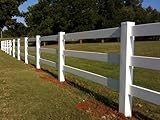
So, you’re dreaming of a classic ranch-style fence, huh? That iconic look, all clean lines and open space, is a fantastic way to define your property and add some serious curb appeal. But the question is: can you build it yourself? Absolutely! We’re here to guide you through the process, step by step.
You might be wondering, ‘Is building a ranch-style fence really that hard?’ Well, the good news is, with a little planning, some elbow grease, and our straightforward instructions, it’s totally achievable. We’ll cover everything from planning and material selection to the actual construction, including those all-important posts and rails. You’ll also learn some cost-saving tips and tricks to keep your project budget-friendly.
This isn’t just about saving money; it’s about the satisfaction of creating something with your own two hands. Plus, you get to customize it to your exact needs and preferences. Let’s get started and turn your fencing dreams into a reality!
What Is a Ranch Style Fence?
A ranch-style fence is a classic, timeless fencing option, often associated with rural landscapes and open spaces. It’s characterized by its simple design, typically consisting of horizontal rails attached to vertical posts. Unlike a solid privacy fence, a ranch-style fence is designed to be more open, allowing for visibility and a sense of spaciousness.
Key Characteristics:
- Horizontal Rails: These are the defining feature, running parallel to the ground. Typically, there are two, three, or four rails, depending on the desired height and aesthetic.
- Vertical Posts: These provide the structural support for the rails. They are usually made of wood, but can also be made of steel or composite materials.
- Open Design: The gaps between the rails allow for visibility and airflow. This is in contrast to solid fences which provide complete privacy.
- Rustic Appeal: It often complements natural surroundings and provides a sense of openness.
- Versatility: Can be used for various purposes, from defining property lines to containing livestock.
Common Uses:
- Property Boundaries: Clearly marking the edge of your land.
- Livestock Containment: Keeping animals safely within a designated area.
- Decorative Purposes: Enhancing the aesthetic appeal of your property.
- Garden Protection: Creating a barrier around gardens or other sensitive areas.
Materials Used:
- Wood: The most common material, offering a natural look and ease of workability.
- Steel: Provides increased durability and strength, often used for posts.
- Composite: A low-maintenance alternative that mimics the appearance of wood.
Planning Your Ranch Style Fence Project
Before you even think about swinging a hammer, proper planning is crucial for a successful ranch-style fence project. This is where you lay the groundwork for a smooth and efficient build. Let’s break down the essential steps:
- Define the Purpose: Why are you building this fence? Is it for aesthetics, to contain pets or livestock, or to mark a property line? The purpose will influence the design, materials, and height of your fence.
- Check Local Regulations: Before starting any construction, check local zoning regulations, homeowner association (HOA) rules, and building codes. You might need a permit, and there could be restrictions on fence height, materials, and placement. Failure to comply can lead to fines or even the need to remove your fence.
- Measure and Layout: Accurately measure the perimeter of your fence. Use a measuring tape, stakes, and string to mark the fence line. Consider the terrain; you may need to adjust the design for slopes or uneven ground. Mark the location of each post.
- Choose Your Design: Decide on the number of rails (two, three, or four), the height of the fence, and the spacing between posts. Consider the overall aesthetic you want to achieve. A taller fence with more rails will provide more containment and visual separation.
- Select Materials: Based on your design and budget, choose the appropriate materials for posts, rails, and hardware. Consider the durability, appearance, and maintenance requirements of each material.
- Create a Budget: Estimate the cost of materials, tools, and any potential labor costs. Add a buffer for unexpected expenses.
- Gather Tools and Equipment: Make sure you have all the necessary tools before you begin. This will include post hole diggers, levels, saws, measuring tools, and safety gear.
Choosing the Right Materials
The materials you choose will significantly impact the look, durability, and longevity of your ranch-style fence. Here’s a breakdown of common options: (See Also: How to Attach Fence to House: A Step-by-Step Guide for Diy Success)
Posts:
- Wood Posts: These are a popular choice due to their natural appearance and ease of installation. Pressure-treated lumber is recommended for ground contact to prevent rot and insect damage. Common wood choices include cedar, redwood, and pine.
- Steel Posts: Steel posts are incredibly strong and durable, making them ideal for high-traffic areas or areas with harsh weather conditions. They require less maintenance than wood and are resistant to rot and pests. However, they can be more expensive and require specialized tools for installation.
- Composite Posts: Composite posts are made from recycled materials and offer the look of wood without the maintenance. They are resistant to rot, pests, and fading, making them a low-maintenance option. They can be more expensive initially, but the long-term cost savings can be significant.
Rails:
- Wood Rails: Similar to posts, wood rails offer a natural look and are relatively easy to work with. Pressure-treated lumber is often used for its durability. Consider the type of wood and its resistance to weathering and insect damage.
- Steel Rails: Steel rails offer excellent strength and durability, similar to steel posts. They are often used in combination with steel posts for a cohesive and long-lasting fence.
- Composite Rails: Composite rails are a low-maintenance alternative to wood. They are available in various colors and styles to match your aesthetic preferences.
Hardware:
- Fasteners: Use appropriate fasteners, such as screws, nails, or bolts, to connect the rails to the posts. Choose fasteners that are compatible with the materials you’re using and resistant to corrosion.
- Brackets: Brackets can be used to provide additional support and stability for the rails. They are especially helpful when attaching rails to steel posts.
Considerations When Choosing Materials:
- Budget: The cost of materials can vary significantly. Consider your budget when making your selections.
- Durability: Choose materials that can withstand the local climate and environmental conditions.
- Maintenance: Some materials require more maintenance than others. Consider the time and effort you’re willing to invest in maintenance.
- Aesthetics: Select materials that complement your home and landscape.
Step-by-Step Guide: Building Your Ranch Style Fence
Now, let’s get down to the actual construction. Follow these steps to build your ranch-style fence:
- Prepare the Site: Clear the fence line of any obstructions, such as trees, bushes, or rocks. Level the ground as needed.
- Mark Post Locations: Using your measurements and stakes, accurately mark the location of each post.
- Dig Post Holes: Use a post hole digger or power auger to dig holes for the posts. The depth of the holes should be at least one-third to one-half the total height of the post. For example, a 6-foot post would need a hole depth of 2 to 3 feet. The diameter of the hole should be about three times the width of the post.
- Set the Posts: Place the posts in the holes, ensuring they are plumb (vertical) using a level. Use a string line to keep the posts aligned.
- Pour Concrete (Optional): For added stability, you can pour concrete around the posts. Mix the concrete according to the manufacturer’s instructions. Fill the holes with concrete, leaving a slight slope away from the post to allow for water drainage. Allow the concrete to cure completely (usually 24-72 hours) before proceeding. For a more cost-effective method, you can use gravel or compacted soil around the posts.
- Attach Rails: Once the posts are set, attach the rails. Measure and cut the rails to the appropriate length. Use screws, nails, or bolts to securely attach the rails to the posts. Ensure the rails are level and evenly spaced.
- Check for Alignment: Regularly check the alignment of the posts and rails throughout the process. Make any necessary adjustments.
- Final Touches: Once the fence is complete, inspect it for any imperfections. Trim any excess material and clean up the work area. You can also apply a sealant or stain to the wood to protect it from the elements.
Tools and Equipment You’ll Need
Having the right tools is essential for a smooth and efficient fence-building process. Here’s a list of the tools and equipment you’ll need:
- Measuring Tape: For accurate measurements.
- Level: To ensure posts and rails are plumb and level.
- Post Hole Digger or Power Auger: For digging post holes.
- Shovel: For removing soil and mixing concrete.
- Saws: Hand saw or circular saw for cutting wood.
- Drill/Driver: For driving screws and bolts.
- Hammer: For driving nails.
- Safety Glasses: To protect your eyes.
- Work Gloves: To protect your hands.
- Work Boots: For foot protection.
- String Line and Stakes: To mark the fence line and post locations.
- Concrete Mixer (Optional): If using concrete.
- Wheelbarrow: For transporting materials.
- Clamps: To hold rails in place while attaching them.
- Post Driver (Optional): For setting steel posts.
Tips for Saving Money on Your Ranch Style Fence
Building a ranch-style fence can be a cost-effective project, especially if you do it yourself. Here are some tips to help you save money:
- Plan Ahead: Careful planning can help you avoid costly mistakes and ensure you buy only the materials you need.
- Shop Around: Compare prices from different lumberyards and home improvement stores.
- Buy in Bulk: Purchasing materials in bulk can often save you money.
- Consider DIY: Building the fence yourself eliminates labor costs.
- Use Affordable Materials: Choose less expensive materials, such as pressure-treated pine, instead of more expensive options.
- Recycle Materials: If possible, use recycled materials or salvage wood.
- Rent Equipment: Renting tools and equipment, such as a post hole digger, can be more cost-effective than buying them.
- Do It Yourself: The biggest cost savings come from doing the labor yourself.
- Look for Sales: Keep an eye out for sales and discounts on materials.
- Ask for Discounts: Sometimes, stores will offer discounts if you ask.
Maintaining Your Ranch Style Fence
Proper maintenance is crucial to prolonging the life of your ranch-style fence and keeping it looking its best. Here’s what you need to do: (See Also: How to Spray Paint a Fence: A Step-by-Step Guide for a Flawless Finish)
- Regular Inspections: Inspect your fence regularly for any signs of damage, such as rot, insect infestation, or loose rails.
- Cleaning: Clean your fence periodically to remove dirt, debris, and mildew. A simple soap and water solution is usually sufficient.
- Wood Treatment: Apply a sealant or stain to wood fences to protect them from the elements and prevent rot. Reapply as needed, typically every few years.
- Repairing Damage: Address any damage promptly to prevent it from worsening. Replace broken rails or posts as needed.
- Weed Control: Keep weeds and vegetation away from the base of the fence to prevent moisture buildup and potential damage.
- Hardware Maintenance: Tighten any loose screws, nails, or bolts. Replace any corroded hardware.
- Post Stability: Check the stability of the posts periodically, especially after severe weather.
- Trim Vegetation: Trim any trees or bushes that are growing near the fence to prevent them from damaging the rails.
Common Problems and Solutions
Even with careful planning and execution, you might encounter some challenges. Here are some common problems and how to solve them:
- Uneven Terrain: If the ground is uneven, you may need to adjust the height of the posts or rails to maintain a level fence line. You can also use stepped construction to accommodate slopes.
- Post Instability: If the posts are not set deep enough or the concrete is not properly cured, they may become unstable. Ensure the posts are set to the correct depth and allow the concrete to cure completely.
- Rot and Decay: Wood fences are susceptible to rot and decay, especially in areas with high moisture. Use pressure-treated lumber for ground contact and apply a sealant or stain to protect the wood.
- Insect Infestation: Insects can damage wood fences. Inspect your fence regularly for signs of insect infestation and treat as needed.
- Sagging Rails: Rails may sag over time, especially if they are not properly supported. Ensure the rails are securely attached to the posts and consider using intermediate supports for longer spans.
- Incorrect Measurements: Double-check all measurements before cutting materials. Measure twice, cut once!
- Difficult Soil: Rocky or compacted soil can make digging post holes difficult. Consider using a power auger or renting a heavy-duty post hole digger.
People Also Ask:
How much does it cost to build a ranch-style fence?
The cost varies greatly depending on the materials, length, and complexity of the fence. A basic ranch-style fence can cost anywhere from $15 to $40 per linear foot, including materials and labor (if you hire a contractor). Doing it yourself can significantly reduce the cost, primarily by eliminating labor charges.
How far apart should posts be for a ranch-style fence?
Post spacing typically ranges from 8 to 12 feet apart. The exact spacing depends on the type of material, the height of the fence, and the expected load. For longer spans or areas with high winds, closer spacing may be required for added stability.
How deep should post holes be for a ranch-style fence?
Post hole depth should be at least one-third to one-half the total height of the post. For example, a 6-foot post would need a hole depth of 2 to 3 feet. The depth is crucial for ensuring the stability of the fence. (See Also: How Much Does It Cost for a Vinyl Fence? Get the Real Price!)
What is the best wood for a ranch-style fence?
Pressure-treated pine is a popular and affordable choice. Cedar and redwood are also excellent options, offering natural resistance to rot and insects. The best choice depends on your budget, aesthetic preferences, and the local climate.
Can I build a ranch-style fence myself?
Yes, absolutely! With the right tools, materials, and following the steps outlined in this guide, you can successfully build a ranch-style fence. It is a manageable DIY project for most homeowners.
Verdict
Building a ranch-style fence is a rewarding project that can add both beauty and value to your property. By following our guide, you’ve equipped yourself with the knowledge to plan, build, and maintain your fence. Remember to prioritize safety, take your time, and enjoy the process of creating something with your own hands. You’ll be enjoying your new fence in no time!
Recommended Products