So, you’re looking to enhance your wooden fence with a double gate? Great choice! A double gate offers wider access, making it easier to move equipment, vehicles, or simply create a grand entrance to your property. But where do you even begin? This guide will walk you through every step of how to build a double gate for a wooden fence, from planning and gathering materials to the final installation.
We understand that tackling a DIY project can feel daunting, especially if you’re new to woodworking. Don’t worry, we’ll break down the process into easy-to-follow steps, ensuring you can confidently build a sturdy and attractive double gate. We’ll cover everything from choosing the right materials to the essential tools you’ll need, and even offer helpful tips to avoid common pitfalls. Let’s get started!
Planning Your Double Gate
Before you even think about picking up a saw, careful planning is crucial for a successful project. This involves measuring, choosing materials, and deciding on the gate’s design. Skipping this stage can lead to costly mistakes and a gate that doesn’t quite fit or function as intended.
1. Measuring and Assessing the Opening
First, you need to determine the size of your gate opening. Measure the distance between the existing fence posts where the gate will be installed. Be precise! This measurement will dictate the overall width of your double gate. Remember to account for the space needed for the gate hinges and the latch mechanism. A good rule of thumb is to subtract about 1/2 inch from the total opening width to allow for these clearances. This ensures the gate doesn’t bind or rub against the posts.
Consider the height of your existing fence. Your gate should match this height, or potentially be slightly shorter if you prefer a more open look. Also, check the posts themselves: are they sturdy and plumb? If not, you may need to reinforce or replace them. The gate’s weight will be significant, so solid posts are essential.
2. Choosing Gate Materials
The materials you choose will impact the gate’s aesthetics, durability, and cost. Here’s a breakdown of common options:
- Wood: A classic choice, wood offers a natural look and can be easily customized. Consider pressure-treated lumber for its resistance to rot and insects, especially if the gate will be in contact with the ground. Popular wood choices include cedar, redwood, and pine. Remember that wood requires regular maintenance, such as staining or painting, to protect it from the elements.
- Metal: Metal gates, such as steel or wrought iron, are incredibly durable and offer a variety of design options. They can be powder-coated for weather resistance. Metal gates often require less maintenance than wooden gates but can be more expensive. Welding skills might be required for building a metal gate.
- Composite: Composite materials are made from a combination of wood fibers and plastic. They’re low-maintenance, resistant to rot and insects, and come in a variety of colors and styles. Composite gates tend to be more expensive upfront.
For this guide, we’ll focus on building a wooden gate, as it’s the most common DIY project.
3. Gate Design and Style
The design of your gate should complement your fence and the overall style of your property. Consider these factors:
- Panel vs. Picket: Panel gates offer more privacy and a solid appearance. Picket gates are more open and allow for better visibility.
- Arched vs. Straight Top: An arched top adds a touch of elegance, while a straight top is simpler and more modern.
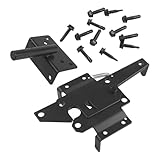
- Hardware: Choose hinges, latches, and handles that are both functional and aesthetically pleasing. Consider the finish (e.g., black, bronze, stainless steel) and the overall style of your gate.
Tip: Sketch out your design before you start building. This will help you visualize the finished product and calculate the necessary materials. (See Also: Stop Your Dog From Jumping the Fence: Expert Tips & Tricks)
4. Material List and Tools
Based on your chosen design, create a detailed material list. Include:
- Wood for the gate frame and panels/pickets
- Hinges (heavy-duty, suitable for the gate’s weight)
- Gate latch
- Gate handle
- Wood screws (exterior-grade)
- Wood glue (exterior-grade)
- Stain or paint (optional)
- Protective finish (optional)
Essential Tools:
- Measuring tape
- Level
- Circular saw or hand saw
- Drill/driver
- Screwdriver
- Clamps
- Safety glasses
- Work gloves
Optional Tools:
- Miter saw (for precise angle cuts)
- Planer (for smoothing wood surfaces)
- Sander (for finishing)
People Also Ask:
- What kind of wood is best for a gate? Pressure-treated lumber, cedar, and redwood are excellent choices for their durability and resistance to the elements.
- How wide should a double gate be? The width depends on your needs, but typically, double gates range from 6 to 12 feet wide.
Building the Gate Frame
The gate frame provides the structural support for your gate. A well-built frame is crucial for the gate’s longevity and stability. Follow these steps to construct the frame:
1. Cutting the Frame Pieces
Measure and cut the wood for the frame according to your design. This typically involves cutting four pieces: two vertical stiles (the sides), and two horizontal rails (top and bottom). The dimensions will depend on your gate’s overall size and desired style. Use a circular saw or hand saw for these cuts. Ensure all cuts are square and accurate. A miter saw can be helpful for precise angle cuts, if your design requires them.
Tip: If you’re using pressure-treated lumber, allow it to dry before painting or staining, as the wood may shrink slightly during the drying process.
2. Assembling the Frame
Apply wood glue to the joints where the stiles and rails meet. Use clamps to hold the pieces together while the glue dries. This ensures a strong, square frame. Secure the joints with wood screws. Pre-drilling pilot holes will prevent the wood from splitting. Space the screws evenly along the joints for maximum strength. Consider using corner braces for added reinforcement. (See Also: Keep Chickens Safe: The Ultimate Guide on How to Keep Chickens in a Fence)
3. Adding Diagonal Braces (optional but Recommended)
For added stability and to prevent the gate from sagging over time, install diagonal braces. Cut two pieces of wood at a 45-degree angle. Position them from the top corner of one side to the bottom corner of the opposite side. This creates a cross-bracing effect. Attach the braces with glue and screws, ensuring they are flush with the frame.
4. Checking for Square and Level
Before moving on, double-check that your frame is square and level. Use a measuring tape to measure the diagonals; they should be equal if the frame is square. Use a level to ensure the frame is plumb. Make any necessary adjustments before the glue fully dries and the screws are tightened.
Adding the Gate Panels or Pickets
Once the frame is complete, you’ll add the panels or pickets, depending on your chosen design.
1. Installing Panels (solid Gate)
For a solid panel gate, cut the panels to the correct size, allowing for a small gap (about 1/8 inch) between the panels and the frame. This gap allows for expansion and contraction due to changes in weather. Attach the panels to the frame using wood screws. Space the screws evenly and ensure they are flush with the panel surface. Consider using a paneling adhesive for extra hold.
2. Installing Pickets (picket Gate)
For a picket gate, measure and cut the pickets to the desired length. Space the pickets evenly across the frame. Attach the pickets to the frame using wood screws. Use a spacer (e.g., a piece of wood) to maintain consistent spacing between the pickets. Ensure the screws are countersunk for a clean finish.
3. Finishing Touches
Once the panels or pickets are installed, sand any rough edges or surfaces. Apply stain or paint (optional) to protect the wood and enhance its appearance. Follow the manufacturer’s instructions for application. Apply a protective finish, such as a clear sealant, to further protect the wood from the elements.
Installing the Gate
With the gate panels/pickets added and finished, it’s time to install the gate onto your fence posts. This requires precision and careful alignment.
1. Attaching the Hinges
Position the gate against the fence post where it will be installed. Use a level to ensure the gate is plumb. Mark the locations for the hinges on both the gate and the post. The number of hinges depends on the gate’s size and weight; generally, two hinges are sufficient for smaller gates, while larger gates may require three. Attach the hinges to the gate and post using the appropriate screws. Ensure the hinges are securely fastened. (See Also: How Much Does Precast Concrete Fence Cost? A Detailed Guide)
2. Installing the Latch and Handle
Install the latch and handle according to the manufacturer’s instructions. Position the latch on the gate and the strike plate on the opposing post. Ensure the latch engages properly and the gate closes securely. Choose a handle that is comfortable to use and complements the gate’s style.
3. Testing and Adjustments
Once the gate is installed, test its operation. Open and close the gate several times to ensure it swings freely and latches securely. Make any necessary adjustments to the hinges or latch to ensure proper alignment and function. Lubricate the hinges with a suitable lubricant to prevent squeaking.
People Also Ask:
- How do you hang a double gate? The process involves attaching hinges to the gate and fence posts, ensuring the gate is plumb and level, and then installing the latch and handle.
- How do you level a gate? Use a level to ensure the gate is plumb during installation. Adjust the hinges as needed to achieve proper alignment.
Maintaining Your Double Gate
Regular maintenance will extend the life of your double gate and keep it looking its best. Here are some tips:
- Inspect Regularly: Check the gate periodically for any signs of damage, such as loose screws, rotting wood, or rust.
- Clean Regularly: Clean the gate with mild soap and water to remove dirt and debris.
- Re-Stain or Re-Paint: Re-stain or re-paint the gate every few years to protect the wood from the elements.
- Lubricate Hinges: Lubricate the hinges with a suitable lubricant to prevent squeaking and ensure smooth operation.
- Tighten Hardware: Tighten any loose screws or bolts as needed.
By following these steps and maintaining your double gate, you can enjoy its functionality and beauty for years to come.
Verdict
Building a double gate for your wooden fence is a rewarding DIY project that enhances both the functionality and aesthetics of your property. By carefully planning, choosing the right materials, and following these step-by-step instructions, you can create a sturdy and attractive gate. Remember to prioritize safety throughout the construction process. With a little effort, you’ll have a beautiful and practical double gate that adds value to your home. Enjoy your new gate!
Recommended Products