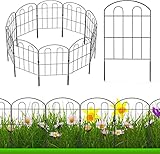
Dreaming of a beautiful fence that combines the classic elegance of brick with the timeless appeal of wrought iron? You’re in the right place! Building a brick and wrought iron fence might seem like a daunting task, but with the right planning, tools, and a little elbow grease, it’s a project you can absolutely tackle yourself.
This guide will walk you through every step, from initial design and material selection to the final touches, ensuring you create a stunning and durable fence that enhances your property’s curb appeal. We’ll cover everything, addressing common questions and potential pitfalls along the way.
Ready to get started? Let’s dive in and transform your yard!
Planning and Design: The Foundation of Your Fence
Before you even think about laying a single brick or welding a piece of iron, meticulous planning is crucial. A well-designed fence not only looks great but also functions efficiently and complies with local regulations. Let’s break down the essential steps:
1. Assessing Your Needs and Goals
What do you want your fence to achieve? Security, privacy, aesthetics, or perhaps a combination of all three? Consider the following:
- Privacy: How much visual obstruction do you desire? This will influence the height and design of your fence.
- Security: Do you need to deter intruders? This affects the height, materials, and potential features like pointed ironwork.
- Aesthetics: What style complements your home and landscaping? Consider the color of the brick, the design of the wrought iron, and any decorative elements.
- Functionality: Do you need access gates? Consider the size and placement of gates for vehicles and pedestrians.
2. Local Regulations and Permits
Always check local building codes and regulations before starting any construction project. These regulations can vary significantly depending on your location and may cover:
- Height restrictions: There are often limits on fence height, especially for front yard fences.
- Setback requirements: You may need to maintain a certain distance from property lines.
- Permit requirements: You’ll likely need a permit for construction, which may involve submitting plans and undergoing inspections. Failure to obtain the necessary permits can result in fines and the need to dismantle your fence.
- HOA guidelines: If you live in a homeowner’s association, there may be specific rules regarding fence materials, styles, and colors.
Contact your local building department or HOA for detailed information. (See Also: How to Cement in a Fence Post: A Complete Guide for Diy Success)
3. Design and Layout
Sketch out your fence design. This doesn’t have to be a professional architectural drawing, but it should include:
- Overall dimensions: Measure the length of your fence and mark the corners.
- Height of the fence: Determine the desired height, considering both the brick base and the wrought iron portion.
- Gate locations: Plan the placement and size of any gates.
- Post spacing: Decide on the spacing between the brick pillars, which will influence the length of the wrought iron panels. A common spacing is 6-8 feet, but it depends on the design and the weight of the iron.
- Material choices: Decide on the type of brick, the design of the wrought iron, and any decorative elements you want to incorporate.
Consider the terrain. If your property has slopes, you’ll need to adjust the fence design accordingly, potentially using stepped construction or custom-fabricated panels.
4. Material Selection and Quantity Calculation
Choose your materials wisely. The quality of your materials will directly impact the fence’s durability and longevity. Here’s a breakdown:
- Brick: Select a durable, weather-resistant brick. Consider the color, texture, and size to match your home’s style. Common choices include red clay brick, but you can also explore options like reclaimed brick for a unique look.
- Wrought Iron: Choose high-quality wrought iron or steel. Consider the design – simple vertical bars, ornate scrolls, or custom designs. Make sure it’s treated to resist rust, either with a powder coat or by galvanization.
- Mortar: Use a mortar mix suitable for exterior use and the type of brick you’ve chosen. Consider adding a colorant to match the brick or create a contrasting effect.
- Concrete: For the footings (the underground foundations for your brick pillars), use a concrete mix designed for exterior use.
- Rebar: Reinforce the concrete footings and the brick pillars with rebar for added strength and stability.
- Gravel or Crushed Stone: For drainage around the footings.
- Fasteners: Choose appropriate fasteners for attaching the wrought iron to the brick pillars. Options include expanding anchors or epoxy anchors.
- Gate Hardware: Hinges, latches, and potentially an automated gate system.
Calculate the quantities accurately. This involves calculating the number of bricks, the amount of mortar, the volume of concrete, and the length of wrought iron panels. A well-prepared materials list will save you time and money and prevent delays during the construction process.
Brick Calculation Example:
- Measure the total length of the fence in feet.
- Determine the height of the brick portion in feet.
- Calculate the surface area of the brick wall (length x height).
- Calculate the number of bricks per square foot, which depends on the brick size and mortar joint width. (A standard brick is about 2.25″ x 3.75″ x 8″ with a 3/8″ mortar joint, which is around 6 bricks per square foot.)
- Multiply the surface area by the number of bricks per square foot to get the total number of bricks needed.
Wrought Iron Calculation Example: (See Also: How to Build a Concrete Fence: A Complete Diy Guide (step-by-Step))
- Measure the distance between the brick pillars.
- Calculate the number of wrought iron panels needed.
- Consider the height of the wrought iron panels.
- Factor in any overlap needed for attachment.
Mortar Calculation: A general rule is to calculate approximately 0.25 cubic feet of mortar per 100 bricks.
5. Tools and Equipment
Gather the right tools before you begin. This will streamline the construction process and ensure a professional-looking result. Here’s a list of essential tools:
- Measuring Tools: Tape measure, level, plumb bob, string line, and a square.
- Digging Tools: Shovel, post hole digger (or an auger for larger projects).
- Mixing Tools: Wheelbarrow or mortar mixing tub, mortar hoe or drill with a mixing paddle.
- Bricklaying Tools: Trowel, brick hammer, pointing trowel, and a level.
- Cutting Tools: Brick saw (for cutting bricks), metal cutting saw or grinder (for wrought iron).
- Welding Equipment (if you’re welding the wrought iron): Welding machine, welding helmet, gloves, and other safety gear.
- Safety Gear: Safety glasses, work gloves, a dust mask, and hearing protection.
- Other Tools: Rubber mallet, concrete mixer (optional, for larger projects), and a wheelbarrow.
Building the Brick Pillars: Step-by-Step Guide
Now, let’s get into the practical steps of building your brick and wrought iron fence. We’ll start with the brick pillars, which provide the structural support for the wrought iron panels.
- Mark the Layout: Using your design plan, mark the exact locations of the brick pillars. Use string lines and stakes to define the fence line and the pillar positions. Ensure accurate measurements and right angles.
- Dig the Footings: Dig holes for the concrete footings. The depth of the footings will depend on your local frost line and the height of the fence. A general guideline is to dig below the frost line, plus an additional 6 inches. The width of the footing should be at least twice the width of the brick pillar.
- Prepare the Footings: Pour a layer of gravel or crushed stone at the bottom of each footing hole for drainage.
- Pour the Concrete Footings: Mix the concrete according to the manufacturer’s instructions. Pour the concrete into the footing holes, ensuring they are level. Insert rebar into the wet concrete, leaving some of the rebar extending above the footing to tie into the brickwork. Allow the concrete to cure completely (typically several days) before proceeding.
- Lay the First Course of Bricks: Once the footings have cured, begin laying the first course of bricks. Spread a layer of mortar on the footing, then carefully place the first brick. Use a level to ensure the brick is perfectly level.
- Build the Pillar: Continue laying bricks, one course at a time. Use a level and plumb bob to ensure the pillar is straight and vertical. Maintain consistent mortar joint widths. Consider using a bricklayer’s square for precise corner alignment. As you build the pillar, insert rebar into the mortar joints for added strength and stability.
- Install Anchors (for wrought iron): As you build the pillar, embed anchors into the mortar joints at the appropriate locations to attach the wrought iron panels. Alternatively, you can drill holes into the cured brick and use expanding anchors or epoxy anchors to attach the wrought iron.
- Cure the Mortar: Allow the mortar to cure completely according to the manufacturer’s instructions. This usually takes several days or even weeks, depending on the weather conditions. Protect the brick pillars from direct sunlight and rain during the curing process.
- Cut the Bricks (if needed): For any partial bricks or end pieces, use a brick saw to cut them to the correct size.
People Also Ask:
How deep should fence posts be? The depth of fence posts, including the brick pillars’ footings, depends on your local frost line and the height of the fence. A general rule is to dig below the frost line plus an additional 6 inches.
What type of mortar should I use? Use a mortar mix specifically designed for exterior use and the type of brick you are using. Type N mortar is a good general-purpose mortar. Check the manufacturer’s instructions for the best results.
Can I build a brick fence myself? Yes, with careful planning, the right tools, and patience, you can absolutely build a brick fence yourself. This guide provides step-by-step instructions. However, if you are not comfortable with the construction process, consider hiring a professional. (See Also: How Much Is a White Fence? Costs, Factors & Diy vs. Pro)
Installing the Wrought Iron Panels
With the brick pillars complete and the mortar fully cured, it’s time to install the wrought iron panels. This step involves precise measurements, secure attachment, and a keen eye for aesthetics.
- Prepare the Wrought Iron: Before installation, inspect the wrought iron panels for any damage or imperfections. If necessary, touch up any areas with rust-resistant paint or primer.
- Position the Panels: Carefully position the wrought iron panels between the brick pillars. Ensure the panels are level and aligned with the desired height.
- Attach the Panels: There are several methods for attaching the wrought iron panels to the brick pillars. The best method will depend on your design and the type of anchors you’re using. Here are a few options:
- Welding: If you have welding skills, you can weld the wrought iron panels directly to metal posts embedded in the brick pillars. This provides a very strong and secure connection.
- Bolting with Expanding Anchors: Drill holes into the brick pillars at the pre-determined locations. Insert expanding anchors into the holes. Position the wrought iron panel and secure it using bolts that fit the expanding anchors.
- Bolting with Epoxy Anchors: Drill holes into the brick pillars. Inject epoxy into the holes. Insert the bolts, ensuring they are positioned correctly. Allow the epoxy to cure according to the manufacturer’s instructions.
- Check for Level and Plumb: Use a level to ensure the wrought iron panels are perfectly level and plumb after installation.
- Finishing Touches: Once the panels are securely attached, inspect the entire fence for any gaps or imperfections. Touch up any areas with paint or mortar as needed.
Gate Installation
If your design includes gates, this is the time to install them. The installation process will vary depending on the type of gate and the hardware you’ve chosen. Here’s a general overview:
- Prepare the Gate Posts: Ensure the gate posts are strong and properly aligned. This may involve reinforcing the brick pillars or installing dedicated metal posts.
- Install Hinges: Attach the hinges to the gate and the gate posts.
- Hang the Gate: Carefully hang the gate on the hinges, ensuring it swings smoothly.
- Install the Latch: Install the latch and test its functionality.
- Adjust and Fine-Tune: Adjust the hinges and latch as needed to ensure the gate closes properly.
Maintaining Your Brick and Wrought Iron Fence
Regular maintenance is essential to keep your brick and wrought iron fence looking its best and to extend its lifespan. Here’s a maintenance checklist:
- Regular Cleaning: Wash the fence with mild soap and water to remove dirt, grime, and mildew. Avoid using harsh chemicals or abrasive cleaners.
- Inspect for Damage: Regularly inspect the fence for any signs of damage, such as cracks in the brick, rust on the wrought iron, or loose fasteners.
- Repair as Needed: Address any damage promptly. Repair cracks in the brick with mortar. Remove rust from the wrought iron and repaint it. Tighten or replace any loose fasteners.
- Seal the Brick (Optional): Applying a sealant to the brick can help protect it from the elements and prevent water damage. However, some bricks do not need sealing. Check with the manufacturer.
- Lubricate Hinges and Latches: Regularly lubricate the hinges and latches on your gates to ensure smooth operation.
Troubleshooting Common Issues
- Cracking Mortar: This can be caused by improper mortar mix, ground movement, or freeze-thaw cycles. Repair cracks promptly with new mortar.
- Rust on Wrought Iron: Rust can weaken the wrought iron and detract from its appearance. Remove rust with a wire brush, treat the area with a rust converter, and repaint.
- Leaning Pillars: This can be caused by inadequate footings or ground movement. If the leaning is significant, you may need to consult a professional to repair or rebuild the pillars.
- Gate Sagging: Gate sagging can be caused by improper installation or the weight of the gate. Adjust the hinges or consider installing a gate wheel for support.
Final Verdict
Building a brick and wrought iron fence is a rewarding project that can significantly enhance your property’s value and curb appeal. While it requires careful planning, dedication, and some physical effort, the result is a beautiful and durable fence that you can be proud of. By following these steps and paying attention to detail, you can create a lasting legacy for your home.
Recommended Products