So, you’re looking to build a wire fence and wondering how to attach wire fence to wood post? You’ve come to the right place! We’ve all been there, staring at a pile of wood posts and wire, wondering where to even begin. Building a fence can seem daunting, but with the right knowledge and tools, it’s a manageable DIY project that can save you money and give you a great sense of accomplishment.
This guide will walk you through every step, from planning and gathering materials to the final tensioning of your wire. We’ll cover different attachment methods, the best tools to use, and tips to ensure your fence stands strong for years to come. Whether you’re a seasoned DIYer or a complete beginner, this guide is designed to help you succeed.
Let’s get started and build that fence!
Planning Your Wire Fence Project
Before you even think about grabbing a hammer, some planning is crucial. A well-planned project is a successful project. Take your time with these initial steps; they’ll save you headaches later.
1. Defining the Purpose and Scope
What is the purpose of your fence? Is it to contain pets, keep out unwanted animals, define a property boundary, or simply add some aesthetic appeal? The purpose will influence the height of your fence, the type of wire you choose, and the overall design. Consider these questions:
- What animals will the fence need to contain or exclude? This dictates the height and mesh size.
- What is the terrain like? Sloping ground requires extra planning.
- What are the local regulations? Check with your local authorities regarding fence height, setbacks, and permitted materials.
- What is your budget? Costs vary significantly based on materials and labor (if you hire help).
2. Measuring and Layout
Accurate measurements are essential. Use a measuring tape, stakes, and string to mark the fence line. Measure the total length of the fence and the distance between each post. Consider these points:
- Mark the Corners: Clearly define the corners of your fence.
- Account for Gates: Determine the location and width of any gates.
- Post Spacing: Generally, space wood posts 8-10 feet apart for standard wire fencing. However, this may vary based on the type of wire, the height of the fence, and the expected load (e.g., if it needs to contain large animals).
- Check for Obstacles: Note any trees, rocks, or underground utilities that might impact your fence line. Call before you dig!
3. Choosing Your Materials
The materials you select will significantly impact the fence’s longevity, appearance, and cost. Let’s break down the essential components: (See Also: Invisible Fence: How Does It Work? A Complete Guide for Pet Owners)
A. Wood Posts
Wood posts form the backbone of your fence. They come in various types, sizes, and treated options. Consider these choices:
- Type of Wood: Pressure-treated lumber is generally recommended for its resistance to rot and insects. Popular choices include cedar, redwood, and pine. Untreated wood can be used, but it will have a shorter lifespan.
- Post Size: The size of the posts depends on the height of your fence and the expected stress. For a typical 4-foot fence, 4×4 inch posts are often sufficient for line posts, while 6×6 inch posts are generally used for corner, gate, and end posts.
- Post Length: The length of the post should be long enough to provide adequate support. A good rule of thumb is to bury the post at least one-third of its total length below the ground. For example, a 6-foot post should be buried at least 2 feet deep.
B. Wire Fencing
Various types of wire fencing are available, each with its strengths and weaknesses:
- Welded Wire: Made by welding intersecting wires together. It’s strong and durable, suitable for various applications. It comes in different gauges (thickness) and mesh sizes.
- Woven Wire: Interwoven wires create a flexible and strong barrier. It’s excellent for containing livestock and is often used in agricultural settings.
- Field Fence (or Farm Fence): A type of woven wire fence, specifically designed for containing livestock.
- Chain-Link: Although not a wire fence in the traditional sense, chain-link is another popular option.
C. Fasteners and Hardware
These are the items that hold everything together. Make sure you have enough:
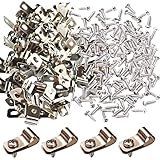
- Fence Staples: Used to attach the wire to the wood posts. Choose staples that are the correct size for your wire gauge and wood type. Galvanized staples are recommended for rust resistance.
- Fence Wire Strainers (Turnbuckles): Used to tension the wire, ensuring a taut and secure fence.
- Tension Wires (or Brace Wires): Used to reinforce the corners and end posts, preventing them from leaning under tension.
- Gate Hardware: Hinges, latches, and posts for your gate.
- Post Caps: To protect the tops of your posts from the elements.
D. Tools You’ll Need
Gather the right tools before you start. This will streamline the process and make it safer:
- Post Hole Digger or Auger: For digging post holes.
- Level: To ensure posts are plumb (straight up and down).
- Measuring Tape: For accurate measurements.
- Hammer or Staple Gun: For attaching the wire to the posts.
- Wire Cutters: To cut the wire.
- Gloves and Safety Glasses: To protect yourself.
- Safety Glasses: To protect your eyes.
- Wrench or Pliers: For working with wire strainers.
- Shovel: For backfilling post holes.
- String and Stakes: For marking the fence line.
4. Digging Post Holes and Setting Posts
This is where the real work begins. Proper post installation is critical for the fence’s stability.
- Dig the Holes: Use a post hole digger or an auger to dig holes at the marked locations. The holes should be wide enough to accommodate the post and provide space for backfilling. The depth depends on the post length; remember the one-third rule.
- Set the Corner, Gate, and End Posts: These are the most critical posts. Make sure they are perfectly plumb. Use a level and temporarily brace them with stakes and bracing wires to maintain their position.
- Set the Line Posts: After the corner and end posts are set, install the line posts. Ensure they are aligned with the corner posts. Use a string line to help guide the alignment.
- Backfill and Tamp: Fill the post holes with concrete or compacted soil and gravel. If using concrete, mix it according to the manufacturer’s instructions. Use a tamping tool to compact the backfill around the posts, ensuring they are firmly in place.
- Allow Concrete to Cure: If you used concrete, allow it to cure for at least 24-48 hours before proceeding.
5. Attaching the Wire to the Wood Posts
This is the core of the project. Here’s a step-by-step guide on how to attach the wire to your wood posts: (See Also: How to Set Up an Electric Fence for Horses: A Step-by-Step Guide)
- Unroll the Wire: Starting at a corner or end post, unroll the wire along the fence line.
- Position the Wire: Determine the height of your fence and position the wire accordingly. For example, if you want a 4-foot fence, the bottom of the wire might be a few inches above the ground and the top at 4 feet.
- Attach the Wire to the Corner/End Posts: Secure the wire to the corner and end posts using fence staples. Start at the top and work your way down, spacing the staples evenly (about every 4-6 inches). Make sure the wire is pulled taut.
- Attach the Wire to the Line Posts: Use staples to attach the wire to the line posts. Again, space the staples evenly and ensure the wire remains taut. Don’t drive the staples in completely; leave a small gap to allow the wire to expand and contract with temperature changes.
- Use Wire Strainers (Turnbuckles): Install wire strainers at the end posts and/or at intervals along the fence line. These will be used to tension the wire.
- Tension the Wire: Use the wire strainers to gradually tighten the wire, ensuring it is taut and secure. Don’t overtighten, as this can damage the posts.
- Trim Excess Wire: Once the wire is tensioned, use wire cutters to trim any excess wire.
- Repeat for Additional Strands: If your fence has multiple strands of wire, repeat the process for each strand, maintaining consistent spacing.
6. Tensioning the Wire
Tensioning the wire is crucial for a strong and long-lasting fence. Here’s how to do it effectively:
- Use Wire Strainers: Wire strainers (also known as turnbuckles) are essential for tensioning wire. They are installed at the end posts and, in some cases, at intervals along the fence.
- Attach the Strainer: Attach one end of the strainer to the wire at the end post.
- Tighten the Strainer: Use a wrench or pliers to turn the strainer, gradually tightening the wire.
- Check for Sag: As you tighten, check the wire for any sag. The wire should be taut but not overly tight.
- Avoid Over-Tensioning: Over-tensioning can put excessive stress on the posts and potentially cause them to lean or break.
- Maintain Consistent Tension: Ensure consistent tension across all the wires.
- Secure the Strainer: Once the wire is properly tensioned, secure the strainer in place.
7. Adding Gates
Gates provide access to your fenced area. Here’s what you need to know:
- Gate Location: Determine the location of your gates during the planning phase.
- Gate Posts: Gate posts should be sturdy and well-supported, as they bear the weight of the gate. Use larger posts than the line posts.
- Gate Hardware: Install hinges and a latch on the gate and the gate post.
- Gate Construction: You can purchase pre-made gates or build your own. If building your own, ensure it’s the correct size and height.
8. Troubleshooting Common Problems
Even with careful planning, issues can arise. Here’s how to address common problems:
- Sagging Wire: Retension the wire using the wire strainers.
- Leaning Posts: Ensure the posts are set deep enough and that the backfill is properly compacted. Consider adding bracing wires to the corners and end posts.
- Rusting Wire: Use galvanized wire to prevent rust. If rust appears, consider applying a rust-inhibiting coating.
- Loose Staples: If staples are loose, replace them with new ones.
People Also Ask
Here are answers to some common questions:
Can I Use a Staple Gun for Attaching the Wire?
Yes, a staple gun can be used, and it makes the process faster. However, make sure you use staples that are designed for fencing and that they are the correct length to avoid splitting the wood. A hammer and staples are also a viable option.
How Often Should I Space the Posts?
The spacing between posts depends on the type of wire and the height of the fence. Generally, line posts are spaced 8-10 feet apart, but this can vary. Corner, gate, and end posts should always be closer, providing greater stability. (See Also: How Much Is Barbed Wire Fence Per Foot? Cost Guide & Factors)
What’s the Best Way to Deal with Uneven Ground?
For uneven ground, you may need to adjust the height of the posts or the wire to accommodate the slope. You can also consider using a stepped approach, where the fence follows the contours of the land.
How Do I Cut the Wire?
Use wire cutters designed for cutting fencing wire. Make clean cuts to prevent sharp edges.
What Kind of Maintenance Does a Wire Fence Require?
Regularly inspect your fence for any damage, loose staples, or sagging wires. Retension the wire as needed. You may also need to trim vegetation that grows near the fence.
Final Verdict
Building a wire fence is a rewarding DIY project that adds security, defines boundaries, and can enhance the aesthetics of your property. By following these steps and taking your time, you can successfully attach wire fence to wood posts and create a durable and functional barrier. Remember to plan carefully, choose the right materials, and pay attention to detail throughout the process. With a little effort, you can enjoy the benefits of your new fence for years to come.
Recommended Products