So, you’ve got a shiny new shed, or maybe you’re upgrading an old one. You’ve got your gravel base prepped and ready to go. Great! But now what? How do you keep that shed from blowing away in the next big storm? That’s the million-dollar question, isn’t it?
We’re here to help you solve this. Anchoring a shed into gravel isn’t just about preventing it from moving; it’s about safeguarding your investment and ensuring your shed stands strong for years to come. This guide will walk you through the entire process, from choosing the right anchors to securing your shed safely and effectively. We’ll cover everything you need to know, so you can confidently tackle this project.
The short answer? You need to use a combination of methods, including anchors designed for gravel, and potentially a frame. Let’s get started!
Understanding the Importance of Anchoring Your Shed
Before we dive into the ‘how,’ let’s talk about the ‘why.’ Why is anchoring your shed into gravel so crucial? The answer is simple: to protect your shed, its contents, and yourself.
Why Anchor Your Shed?
- Wind Resistance: The primary reason is to combat wind. High winds can easily lift or topple an unanchored shed, especially on a gravel base, which offers less natural resistance than a concrete slab.
- Security: Anchoring deters theft and unauthorized access. A securely anchored shed is much harder to break into or move.
- Longevity: Proper anchoring extends the lifespan of your shed. It prevents movement that could damage the structure, leading to costly repairs.
- Safety: A shed that moves in high winds poses a significant safety hazard. It could collapse, injure someone, or damage property.
Common Problems If You Don’t Anchor
Failing to anchor your shed can lead to several problems. Here are a few examples:
- Structural Damage: Wind and shifting can cause the shed’s frame to warp, doors to misalign, and walls to crack.
- Content Damage: If the shed moves or collapses, the items inside are at risk of damage or loss.
- Property Damage: A shed blown by the wind can damage your property or, worse, your neighbor’s.
- Liability: If your shed causes damage to someone else’s property, you could be held liable.
Choosing the Right Anchoring Method for Gravel
The best anchoring method depends on several factors, including the size and weight of your shed, the wind conditions in your area, and the type of gravel base you have. You have several options, and it’s important to choose the one that suits your situation best.
Option 1: Ground Anchors
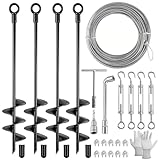
Ground anchors are a popular choice for sheds on gravel. They are designed to be driven or screwed into the ground and provide a secure point for attaching the shed. There are a few different types of ground anchors available:
- Spiral Anchors: These anchors have a spiral design that allows them to be screwed into the ground. They are relatively easy to install and provide good holding power. However, they may not be suitable for extremely loose gravel.
- Duckbill Anchors: Duckbill anchors are driven into the ground and then set by pulling on the attached cable. They are ideal for areas with soft soil and can be used with gravel.
- Auger Anchors: Similar to spiral anchors, auger anchors have a screw-like design. They are designed for heavier sheds and tougher ground conditions.
Pros: Relatively easy to install, provide good holding power, and are cost-effective.
Cons: Can be difficult to install in compacted gravel, may not work in extremely loose gravel. (See Also: How Do I Run Electricity to My Shed? A Complete Guide)
Option 2: Concrete Anchors (with a Frame)
If you prefer a more robust solution, or if your shed has a wooden frame, you can use concrete anchors in conjunction with a pressure-treated wood frame. This method involves building a frame that sits on top of the gravel. The frame is then anchored to the ground using concrete anchors.
- Build the Frame: Construct a frame using pressure-treated lumber. The frame should be the same size as the shed’s footprint.
- Level the Frame: Ensure the frame is level on the gravel surface.
- Anchor the Frame: Use concrete anchors to secure the frame to the ground. You may need to drill through the gravel and into the soil below for this.
- Attach the Shed: Secure the shed to the frame using screws or bolts.
Pros: Provides a very secure anchoring solution, suitable for larger sheds, increases shed lifespan.
Cons: More complex installation, requires building a frame, and is more expensive.
Option 3: Gravel-Specific Anchors
Some manufacturers offer anchors specifically designed for gravel. These anchors typically have a wider base and a design that helps them grip the gravel more effectively. They often come with specialized installation tools.
Pros: Designed specifically for gravel, provide good holding power, and are often easier to install than other methods.
Cons: May be more expensive than other types of anchors, availability may be limited depending on your location.
Option 4: Combination of Methods
The best approach may be to use a combination of methods. For example, you could use ground anchors in conjunction with a gravel-specific anchor. This provides extra security, especially in areas with high winds.
Step-by-Step Guide: How to Anchor a Shed Into Gravel
Now, let’s get down to the nitty-gritty and walk through the steps to anchor your shed into gravel. This guide assumes you’re using ground anchors, but the principles can be adapted for other methods. (See Also: How to Shed Body Fat: Your Ultimate Guide for Sustainable Weight Loss)
- Prepare Your Gravel Base: Ensure your gravel base is level and compacted. Remove any loose gravel or debris. Make sure the area is slightly larger than the shed footprint to allow for some movement during installation.
- Position the Shed: Place your shed on the gravel base. Make sure it’s positioned where you want it and that it’s level. Use shims if necessary to level the shed.
- Mark Anchor Points: Determine where you want to place your anchors. This will depend on the type of anchors you’re using and the construction of your shed. Typically, you’ll want anchors at each corner and along the sides, depending on the shed’s size. For smaller sheds, four anchors (one at each corner) might be sufficient.
- Install the Anchors: Follow the manufacturer’s instructions for installing your chosen anchors. For spiral anchors, you’ll screw them into the ground using a tool or by hand. For duckbill anchors, you’ll drive them into the ground and then set them by pulling on the attached cable. Gravel-specific anchors may have their own installation methods.
- Attach the Anchors to the Shed: Once the anchors are in place, attach them to the shed. This usually involves using straps, cables, or chains that connect the anchors to the shed’s frame. Make sure the connections are secure and that the straps are taut but not overly tight.
- Check and Adjust: After installation, check all the anchors and connections to ensure they are secure. Adjust the straps or cables as needed to remove any slack.
- Inspect Regularly: Periodically inspect your anchors and connections, especially after storms or high winds. Look for any signs of damage or wear and tear. Tighten or replace anchors as necessary.
Tools and Materials You’ll Need
To successfully anchor your shed, you’ll need the following tools and materials:
- Shed
- Gravel Base
- Anchors (Ground anchors, concrete anchors, gravel-specific anchors, etc.)
- Straps, Cables, or Chains (to connect the anchors to the shed)
- Installation Tool (for the type of anchor you’ve chosen – this could be a wrench, drill, etc.)
- Level
- Shims (to level the shed)
- Measuring Tape
- Safety Glasses
- Gloves
- Drill (if using concrete anchors)
- Concrete Anchors (if using a frame)
- Pressure-treated lumber (if using a frame)
- Fasteners (screws, bolts)
Safety Precautions
Safety should always be your top priority. Here are some safety precautions to keep in mind:
- Wear safety glasses and gloves to protect your eyes and hands.
- Be aware of underground utilities before driving or drilling into the ground. Call your local utility company to mark the location of any underground lines.
- Work with a helper, especially when installing larger sheds or using heavy tools.
- Follow the manufacturer’s instructions for all tools and materials.
- Be cautious when working with power tools.
- Keep children and pets away from the work area.
Frequently Asked Questions (faq)
Let’s address some common questions people have about anchoring sheds into gravel.
Can I Anchor a Shed to Gravel?
Yes, absolutely! You can anchor a shed to gravel. It’s crucial to use the right anchors and installation techniques.
How Do I Anchor a Shed to Loose Gravel?
Loose gravel can be challenging. You might need to compact the gravel more thoroughly, or you might need to use anchors with a larger base or a design that helps them grip the gravel. Consider using a frame to provide extra stability.
What Is the Best Type of Anchor for a Shed?
The best type of anchor depends on your shed’s size, the wind conditions in your area, and the type of gravel you have. Ground anchors, concrete anchors with a frame, and gravel-specific anchors are all viable options.
How Deep Should I Put Shed Anchors?
The depth of your anchors will depend on the type of anchor you are using and the manufacturer’s instructions. In general, you want to ensure the anchor is buried deep enough to provide sufficient holding power. This depth could range from a few inches to a foot or more.
Can I Put a Shed on Gravel Without a Floor?
Yes, you can put a shed on gravel without a floor, but it is less common. You will need to ensure the gravel base is level and compacted. You might also want to add a layer of landscape fabric under the gravel to prevent weed growth and improve drainage. Consider using a shed base kit designed for gravel. (See Also: How to Build a Lean-to Off a Metal Shed: A Step-by-Step Guide)
How Do I Level a Shed on Gravel?
Use shims to level your shed on a gravel base. Place the shed on the gravel, and then use shims under the corners and along the sides until the shed is level. Use a level to check your progress.
What Size Shed Anchors Do I Need?
The size of the shed anchors you need will depend on the size and weight of your shed, and the wind conditions in your area. Check the manufacturer’s recommendations for the anchors you are considering. A larger shed in a windy area will require larger, more robust anchors.
Do I Need a Permit to Build a Shed?
This depends on your local regulations. Check with your local building department to determine if a permit is required for your shed. They can also provide you with information on any building codes you need to follow.
How Much Gravel Do I Need for a Shed Base?
The amount of gravel you need will depend on the size of your shed and the desired depth of your gravel base. A good rule of thumb is to use a base that is at least 4-6 inches deep.
What Kind of Gravel Is Best for a Shed Base?
¾ inch crushed gravel is a good choice for a shed base. It provides good drainage and stability. Make sure the gravel is compacted properly.
Final Verdict
Anchoring your shed into gravel is a critical step in ensuring its longevity and protecting your investment. By following the steps outlined in this guide and choosing the right anchoring method for your specific situation, you can create a secure and stable base for your shed. Remember to prioritize safety throughout the process and regularly inspect your anchors to maintain their effectiveness.
With a little effort and the right approach, you can have peace of mind knowing your shed is well-protected against the elements. A well-anchored shed is a happy shed, and a secure shed is a safe shed. Now get out there and get anchoring!
Recommended Products