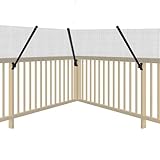
Need more privacy or security in your backyard? Thinking about adding height to your existing vinyl fence? You’re in the right place! We’ll show you exactly how to add height to a vinyl fence, making your space more private, secure, and even more aesthetically pleasing. Adding height is a fantastic way to upgrade your fence without a complete replacement.
Whether you’re dealing with nosy neighbors, playful pets, or simply want a more secluded outdoor area, this guide will walk you through the process step-by-step. We’ll cover everything from choosing the right materials to the installation process. Forget complicated projects; we’ll break it down into manageable chunks. Let’s get started and transform your fence!
Understanding Your Vinyl Fence and Why You Might Need More Height
Before diving into the how-to, let’s understand why adding height to your vinyl fence is a great idea. Vinyl fences are popular for their low maintenance, durability, and attractive appearance. However, the standard height might not always meet your needs. Maybe you need more privacy, security, or want to contain pets. Here’s a breakdown of the common reasons:
- Increased Privacy: The most common reason! Higher fences block the view from neighbors and passersby, creating a more secluded and relaxing outdoor space.
- Enhanced Security: A taller fence makes it harder for intruders to climb over, adding an extra layer of protection to your property.
- Pet Containment: Keep your furry friends safely inside your yard, especially if they are jumpers or diggers.
- Aesthetic Appeal: Sometimes, a taller fence simply looks better and complements the overall design of your home and yard.
- Noise Reduction: Taller fences can help to deflect some noise, creating a quieter outdoor environment.
What Is a Vinyl Fence?
A vinyl fence is a fence constructed from polyvinyl chloride (PVC), a durable and weather-resistant plastic material. Unlike wood, vinyl doesn’t rot, warp, or require painting or staining. It’s a low-maintenance option that comes in various styles, colors, and heights. Common styles include privacy fences, picket fences, and post-and-rail fences. They are designed to interlock, providing a seamless and often attractive barrier.
Why Add Height? The Benefits
Adding height to your vinyl fence offers several benefits beyond the reasons mentioned above. It’s a cost-effective alternative to completely replacing your fence. You can often achieve the desired result with a much smaller investment. Plus, it’s a DIY-friendly project, saving you money on professional installation. It also increases the value of your property by providing more security and privacy.
Planning and Preparation: What You Need Before You Start
Before you begin, proper planning and preparation are crucial. This ensures a smooth and successful project. Let’s go through the necessary steps:
1. Assess Your Current Fence
Inspect the existing fence: Check for any damage to the posts, panels, and hardware. Are the posts firmly set in the ground? Are there any cracks or weaknesses in the vinyl? If your fence is significantly damaged, you might need to repair or reinforce it before adding height. If the fence is in poor condition, consider replacing it entirely rather than adding height. This will ensure the structural integrity of your fence. (See Also: Petsafe Wireless Fence: How to Set Up & Keep Your Dog Safe (2024 Guide))
2. Determine the Desired Height
Consider your needs: How much privacy or security do you need? Think about local regulations, too. Some areas have restrictions on fence height. Check with your local building department or homeowners association (HOA) before you start. They can provide specific guidelines for your area. Common fence heights range from 4 feet to 8 feet, but local codes can vary.
3. Choose Your Method
There are several methods for adding height to a vinyl fence. The best option depends on your fence style, budget, and desired outcome. The most common methods include:
- Adding Extensions: This involves attaching extensions to the existing posts and panels.
- Replacing the Panels: Replacing the existing panels with taller ones.
- Using Trellis or Lattice: Adding a decorative lattice or trellis on top of the fence.
- Adding Slats: Inserting slats to increase privacy.
4. Gather Your Materials
Make a detailed list of the materials you’ll need. This will vary depending on your chosen method. Here’s a general list:
- Vinyl Fence Extensions: These are typically made of vinyl and designed to match your existing fence style.
- Posts: You might need to add or reinforce posts.
- Panel Material: Purchase additional vinyl panels if you’re replacing the existing ones.
- Lattice or Trellis: If using this method, choose a weather-resistant material.
- Fasteners: Screws, bolts, or other hardware designed for vinyl. Use stainless steel or coated screws to prevent rust.
- Level: Essential for ensuring the fence is straight.
- Measuring Tape: Accurate measurements are crucial.
- Drill: For attaching the extensions or panels.
- Saw: For cutting materials to size.
- Safety Glasses and Gloves: Always protect your eyes and hands.
- Post Hole Digger or Auger (if necessary): If you need to add or replace posts.
- Concrete Mix (if necessary): For setting new posts.
5. Check Local Codes and Regulations
Very important! Before starting any project, check local building codes and HOA regulations. You might need a permit for fence modifications. Failure to comply can result in fines or the need to remove the added height.
Adding Height: Step-by-Step Instructions
Here’s a detailed guide on how to add height to your vinyl fence. We’ll focus on the most common method: using extensions. Remember to always prioritize safety and follow local building codes.
Method 1: Adding Vinyl Fence Extensions
- Prepare the Existing Fence: Inspect the fence posts to ensure they are solid and in good condition. If the posts are weak, you might need to reinforce them or add new ones. Clean the top of the existing fence panels.
- Measure and Cut: Measure the width of your existing fence panels. Purchase vinyl fence extensions that match your fence style. Cut the extensions to the desired height, if necessary.
- Attach the Extensions to the Posts: Align the extensions with the existing posts. Use screws designed for vinyl to secure the extensions. Pre-drill pilot holes to prevent the vinyl from cracking. The screws should be long enough to penetrate the extension and the existing post. Space the screws evenly along the extension. Ensure the extensions are perfectly aligned to maintain a straight fence line.
- Install the New Panels (if necessary): If you are using extensions that have slots for panels, slide the new panels into the slots.
- Secure the Panels: Use screws or other fasteners to secure the panels to the extensions.
- Check for Level: Use a level to ensure the extensions and panels are straight and aligned. Make any necessary adjustments.
- Final Touches: Inspect the entire fence to ensure all connections are secure. Clean up any debris.
Method 2: Replacing Vinyl Fence Panels with Taller Ones
- Remove the Old Panels: Carefully remove the existing vinyl fence panels. Unscrew or detach any hardware holding them in place.
- Measure and Order New Panels: Measure the exact dimensions of your existing panels and the space they occupied. Order new, taller panels that match your fence style and color.
- Install the New Panels: Slide the new panels into the existing posts and rails.
- Secure the Panels: Use screws or other fasteners to secure the panels to the posts and rails.
- Check for Level: Use a level to ensure the panels are straight and aligned.
- Final Touches: Inspect the entire fence to ensure all connections are secure. Clean up any debris.
Method 3: Adding a Trellis or Lattice to a Vinyl Fence
- Measure and Cut: Measure the length and height of the area where you want to add the trellis or lattice. Cut the trellis or lattice to the desired size.
- Prepare the Surface: Clean the top of the vinyl fence.
- Attach the Trellis or Lattice: Use screws or brackets designed for vinyl to attach the trellis or lattice to the top of the fence. Ensure it is securely fastened. You can also use construction adhesive for added stability.
- Check for Level: Ensure the trellis or lattice is straight and aligned.
- Final Touches: Inspect the entire fence to ensure all connections are secure. Clean up any debris.
Method 4: Adding Privacy Slats to a Vinyl Fence
- Choose Your Slats: Select vinyl or composite slats that are designed for your fence style.
- Measure and Cut: Measure the height and width of your fence panels. Cut the slats to fit within the panels.
- Insert the Slats: Insert the slats vertically into the existing fence panel slots.
- Secure the Slats (if necessary): Some slat systems have clips or fasteners to secure the slats in place. If not, you can use screws or adhesive.
- Check for Level: Make sure the slats are straight and evenly spaced.
- Final Touches: Inspect the entire fence to ensure all connections are secure. Clean up any debris.
Tools and Materials: A More Detailed Look
Let’s delve deeper into some of the tools and materials you’ll need for this project. Choosing the right tools and materials is crucial for a successful outcome. (See Also: How Tall Can a Fence Be Without a Permit? Your Guide to Local Rules)
Tools
- Drill/Driver: A cordless drill/driver is essential for installing screws.
- Circular Saw or Hand Saw: For cutting vinyl extensions, panels, and other materials.
- Measuring Tape: Accurate measurements are critical.
- Level: Ensures your fence is straight and aligned. A long level is preferable.
- Clamps: Helpful for holding materials in place while you work.
- Safety Glasses and Gloves: Protect your eyes and hands.
- Post Hole Digger or Auger (optional): For adding or replacing fence posts.
- Shovel: Useful for digging post holes.
- Screwdrivers (various): For any manual adjustments or hardware installation.
- Stud Finder (optional): To locate the studs of the existing posts.
Materials
- Vinyl Fence Extensions: Choose extensions that match your existing fence style and color.
- Vinyl Fence Panels: If replacing panels, select panels that match your existing style.
- Fasteners: Use screws specifically designed for vinyl. They’re typically made of stainless steel or have a corrosion-resistant coating.
- Post Concrete Mix: For setting new posts or reinforcing existing ones.
- Vinyl Adhesive (optional): For extra reinforcement.
- Lattice or Trellis (optional): If you’re using this method, choose a weather-resistant material.
- Privacy Slats (optional): Select slats designed for your fence style.
- Post Caps: Protect the tops of your fence posts from the elements.
Tips for Choosing Materials
- Match the Color: Try to match the color of your existing fence as closely as possible.
- Consider the Style: Choose extensions, panels, or lattice that complement your fence style.
- Durability: Opt for high-quality, weather-resistant materials.
- Budget: Prices can vary, so set a budget before you start.
- Read Reviews: Check online reviews to see what other people say about different products.
Addressing Common Problems and Troubleshooting
Even with careful planning, you might encounter some challenges. Here’s how to address some common problems:
Problem: The Extensions Don’t Fit Properly
Solution: Double-check your measurements. If the extensions are slightly too wide, you might need to trim them. If they are too narrow, you can use shims to fill the gaps. Ensure the posts are straight and plumb before attaching the extensions.
Problem: The Fence Is Uneven
Solution: Use a level to ensure the extensions and panels are straight. If the ground is uneven, you might need to adjust the height of the posts or panels accordingly. Consider using shims to level the panels.
Problem: The Vinyl Cracks or Splits
Solution: Pre-drill pilot holes before inserting screws to prevent cracking. Use the correct type of screws designed for vinyl. Avoid overtightening the screws. If the vinyl does crack, you might need to replace the damaged section.
Problem: The Fence Is Unstable
Solution: Ensure the posts are firmly set in the ground. If necessary, add more concrete to the post holes. Check the connections between the extensions and the posts. Reinforce any weak areas. If the fence is very tall, consider adding extra support posts.
Problem: Difficulty Aligning Panels
Solution: Use clamps to hold the panels in place while you attach them. Have a helper assist you with aligning the panels. Use a level to ensure the panels are straight. Adjust the posts if necessary. (See Also: Is That Fence Yours? How to Know If the Fence Is Yours & Avoid Disputes)
Safety Precautions
Safety should always be your top priority. Here are some important safety precautions to follow:
- Wear Safety Gear: Always wear safety glasses, gloves, and appropriate clothing.
- Use Power Tools Safely: Read the instructions for your power tools and follow all safety guidelines.
- Work in a Well-Lit Area: Ensure you have adequate lighting, especially if you’re working in the evening.
- Be Aware of Your Surroundings: Watch out for overhead power lines and underground utilities. Call 811 before you dig to locate any underground utilities.
- Get Help If Needed: If you’re working on a large project, ask a friend or family member for help.
- Take Breaks: Avoid fatigue by taking regular breaks.
- First Aid Kit: Keep a first-aid kit readily available.
Maintaining Your Newly Heightened Vinyl Fence
Once you’ve added height to your vinyl fence, proper maintenance will ensure it lasts for years to come. Here’s what you need to do:
- Regular Cleaning: Clean your fence regularly with soap and water to remove dirt, grime, and mildew. A pressure washer can be helpful, but use a low-pressure setting to avoid damaging the vinyl.
- Inspect for Damage: Periodically inspect your fence for any signs of damage, such as cracks, splits, or loose screws.
- Tighten Hardware: Check and tighten screws and other hardware as needed.
- Trim Vegetation: Keep any plants or trees away from the fence to prevent damage.
- Address Problems Promptly: If you notice any issues, address them promptly to prevent them from worsening.
- Preventative Measures: Consider applying a vinyl cleaner and protectant to help maintain the appearance of your fence and provide a layer of protection from the elements.
Alternatives to Adding Height
While adding height is a popular solution, other alternatives might suit your needs better, depending on your goals and budget:
- Complete Fence Replacement: If your existing fence is old or significantly damaged, a complete replacement might be a better option.
- Planting Hedges: Planting hedges along your fence can provide privacy and aesthetic appeal.
- Installing Privacy Screens: Privacy screens can be attached to your existing fence to provide added privacy.
- Adding Gates: Install a gate to provide access to your yard and enhance security.
- Using Climbing Plants: Training climbing plants to grow on your fence can add privacy and beauty.
Verdict
Adding height to your vinyl fence is a practical and effective way to enhance privacy, security, and aesthetics. By following the steps outlined in this guide, you can successfully complete this DIY project and enjoy the benefits. Remember to plan carefully, choose the right materials, and prioritize safety throughout the process. With a little effort, you can transform your backyard into a more comfortable and secure space.
Recommended Products