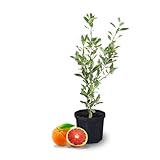
Dreaming of a citrus grove in your backyard? The thought of picking your own sun-kissed oranges is incredibly appealing. But before you start digging, it’s crucial to understand the growth habits of these beautiful trees.
One of the most common questions for aspiring citrus growers is ‘how tall does an orange tree grow?’ The answer, however, isn’t a simple one-size-fits-all. Several factors influence the ultimate height of your orange tree, from the specific variety you choose to the growing conditions it experiences.
This guide will explore everything you need to know about orange tree dimensions, helping you make informed decisions for your garden and manage your expectations for a bountiful harvest.
Understanding Orange Tree Growth Patterns
The majestic orange tree, a symbol of sunshine and sweetness, can vary significantly in its mature size. Understanding these variations is key to successful cultivation. Several primary factors dictate how tall an orange tree will grow:
Variety Is King: Dwarf vs. Full-Size
This is arguably the most significant determinant of an orange tree’s height. Citrus trees, like many fruit-bearing species, are often grafted onto different rootstocks. The scion (the part of the tree that will produce the fruit) is typically an orange variety, while the rootstock influences the vigor, disease resistance, and crucially, the ultimate size of the tree.
- Full-Size Trees: These are the classic, robust orange trees you might envision. When grown on their own roots or on vigorous rootstocks, they can reach impressive heights. Expect a mature, full-size orange tree to stand anywhere from 15 to 30 feet (4.5 to 9 meters) tall. In ideal conditions, some varieties might even exceed this, reaching towards 40 feet. These trees require ample space to spread their canopy and root systems. They are best suited for larger landscapes and orchards where their expansive growth can be accommodated. The spread of a full-size tree can often match its height, making them a significant presence in the garden.
- Dwarf Trees: For gardeners with limited space, container gardening, or those who prefer easier harvesting, dwarf orange trees are a fantastic option. These trees are specifically bred or grafted onto dwarfing rootstocks. A dwarf orange tree typically reaches a mature height of 6 to 10 feet (1.8 to 3 meters) tall. Their canopy is also more compact, making them ideal for patios, balconies, and smaller garden beds. Despite their smaller stature, dwarf varieties still produce full-sized, delicious oranges, offering a remarkable yield for their size. Many popular orange varieties, such as Valencia and Navel, are available in dwarf forms.
- Semi-Dwarf Trees: Bridging the gap between full-size and dwarf varieties are semi-dwarf trees. These trees will grow to a moderate size, usually between 10 to 15 feet (3 to 4.5 meters) tall. They offer a good compromise, providing a more substantial tree than a dwarf but remaining more manageable than a full-size specimen. These are excellent choices for medium-sized yards or when you want a more significant presence than a dwarf tree without the extensive space requirements of a full-size one.
Rootstock’s Role in Tree Size
The rootstock is the foundation of your grafted citrus tree, and it plays a pivotal role in managing its size. Different rootstocks impart distinct characteristics. For instance: (See Also: How to Grow a Plumeria Tree: Your Ultimate Guide)
- Flying Dragon (Poncirus trifoliata ‘Flying Dragon’): This is a popular dwarfing rootstock known for its thorniness and cold hardiness. Trees grafted onto Flying Dragon will typically remain in the dwarf to semi-dwarf range, usually topping out at around 8-12 feet.
- Carrizo Citrange: This is a more vigorous rootstock, often leading to trees that are closer to full size, typically in the 15-25 foot range. It offers good disease resistance and adaptability to various soil types.
- Troyer Citrange: Similar to Carrizo, Troyer also promotes vigorous growth, resulting in trees that can reach near full-size proportions.
- Swingle Citrumelo: Another rootstock that tends to produce larger trees, often in the 20-30 foot range, with good disease resistance.
Nursery labels often indicate the type of rootstock, which can be a valuable clue to the tree’s potential mature size. Always check this information when purchasing a tree.
Environmental Factors and Cultural Practices
Beyond the inherent genetics of the variety and rootstock, environmental conditions and how you care for your tree will influence its ultimate height and spread.
Sunlight Requirements
Orange trees are sun-worshippers. They thrive in full sun, meaning at least 6-8 hours of direct sunlight per day. Insufficient sunlight can lead to stunted growth, reduced fruit production, and a weaker, less vigorous tree that may not reach its full potential height. In shadier conditions, expect your tree to be smaller and less productive.
Soil Quality and Drainage
Well-draining soil is paramount for citrus trees. They hate ‘wet feet,’ which can lead to root rot and other serious diseases. Sandy loam is ideal. If your soil is heavy clay, amending it with organic matter or planting on raised beds is crucial. Poorly draining soil will severely inhibit root development, impacting the tree’s overall health and height. Nutrient-rich soil, however, will support healthy, robust growth. Regular feeding with a balanced citrus fertilizer will contribute to a strong, well-formed tree.
Watering Habits
Consistent watering is essential, especially during the establishment phase and dry periods. However, overwatering can be just as detrimental as underwatering. The goal is to keep the soil consistently moist but not waterlogged. The depth of watering is also important; aim to moisten the soil several inches deep to encourage deep root growth, which supports a taller, more stable tree. (See Also: How to Care for a Red Maple Tree: A Comprehensive Guide)
Climate and Temperature
Orange trees are subtropical plants and have specific temperature requirements. They prefer warm climates and are sensitive to frost. While some varieties are more cold-hardy than others, extreme cold can damage or kill the tree, severely limiting its growth. In regions with cold winters, planting dwarf varieties in containers that can be moved indoors or protecting outdoor trees becomes essential for survival and subsequent growth.
Pruning Techniques
Pruning plays a significant role in shaping and managing the size of an orange tree. While young trees benefit from structural pruning to establish a strong framework, mature trees can be pruned to maintain a desired size, improve air circulation, and enhance fruit production. Regular, judicious pruning can keep a tree within its intended size range, whether it’s a dwarf or a larger variety. Over-pruning can stress the tree, while under-pruning can lead to an overgrown, unmanageable specimen.
Specific Orange Tree Varieties and Their Typical Heights
While the general categories of dwarf, semi-dwarf, and full-size cover most scenarios, specific popular varieties have their own typical growth habits:
| Variety | Typical Height (Full-Size) | Typical Height (Dwarf) | Notes |
|---|---|---|---|
| Navel Orange | 15-25 feet (4.5-7.5 m) | 6-10 feet (1.8-3 m) | Popular for eating fresh. Vigorous grower. |
| Valencia Orange | 15-25 feet (4.5-7.5 m) | 6-10 feet (1.8-3 m) | Excellent for juice, known for its sweetness. Often a later bloomer. |
| Blood Orange | 12-20 feet (3.6-6 m) | 5-9 feet (1.5-2.7 m) | Distinctive red flesh and berries. Can be slightly less vigorous than other types. |
| Mandarin (Tangerine) | 8-15 feet (2.4-4.5 m) | 4-8 feet (1.2-2.4 m) | Generally smaller than sweet oranges, with many varieties being naturally compact. |
| Meyer Lemon (often grouped with oranges for size comparison) | 10-15 feet (3-4.5 m) | 5-8 feet (1.5-2.4 m) | A hybrid, known for its relative cold hardiness and sweet rind. |
It’s important to remember that these are general guidelines. A Navel orange on a dwarfing rootstock will stay significantly smaller than a Navel orange on a vigorous rootstock. Always consider the rootstock when estimating mature size.
Managing Your Orange Tree’s Height
Whether you’re aiming for a compact specimen or managing a larger tree, several techniques can help: (See Also: Elden Ring How to Beat Draconic Tree Sentinel)
- Container Growing: This is the most effective way to control the size of any orange tree, especially dwarf varieties. The pot’s size will physically restrict root growth, thereby limiting the tree’s overall size. Ensure the container has excellent drainage and is large enough to accommodate the root ball as the tree grows.
- Strategic Pruning: As mentioned, regular pruning is key. For dwarf trees, light pruning to maintain shape and remove crossing branches is usually sufficient. For larger trees, more aggressive pruning might be necessary to keep them at a manageable height for harvesting or to prevent them from encroaching on structures or other plants. Pruning should ideally be done after the main fruiting season, typically in late winter or early spring before significant new growth begins.
- Root Pruning (with caution): In extreme cases, for trees that have outgrown their space and cannot be moved or pruned sufficiently above ground, root pruning can be considered. This involves carefully excavating around the root ball and trimming some of the outer roots. This is a drastic measure and should only be undertaken by experienced gardeners, as it can stress the tree significantly. It’s generally a last resort for managing height.
- Choosing the Right Variety and Rootstock: The most proactive approach to managing height is selecting the correct dwarf or semi-dwarf variety grafted onto appropriate rootstock from the outset. This sets the stage for a tree that naturally fits your space.
Harvesting Considerations
The height of your orange tree directly impacts how easy it is to harvest the fruit. Dwarf trees are ideal for easy picking, often requiring just a step stool or even just reaching. Full-size trees, especially those that have reached their maximum potential height, can make harvesting challenging, often requiring ladders and posing a safety risk.
If you’re planting a larger variety, consider its mature height when deciding on its location. Planting it where it can be accessed safely for harvesting and maintenance is crucial for long-term enjoyment of your citrus.
When to Expect Mature Size
Orange trees are relatively fast growers, especially when young and provided with optimal conditions. A young dwarf tree can reach its mature height of 6-10 feet within 3-5 years. Full-size trees will take longer, often 5-10 years to reach their full potential height of 15-30 feet. However, growth will slow considerably once the tree approaches its genetic potential.
Remember that ‘mature size’ is not a fixed endpoint. Trees can continue to grow slowly for many years, but the most significant growth spurt occurs in the first decade or so of their life. Consistent care, proper feeding, and adequate sunlight will ensure your tree reaches its healthy mature size efficiently.
Conclusion
So, how tall does an orange tree grow? The answer is a spectrum, dictated primarily by variety and rootstock, ranging from a manageable 6 feet for dwarf types to a towering 30 feet for full-size specimens. Environmental factors like sunlight, soil, water, and climate, along with your pruning practices, also play crucial roles in shaping its final stature. Understanding these elements allows you to select the perfect orange tree for your space and manage its growth for a rewarding citrus-growing experience.
Recommended Products