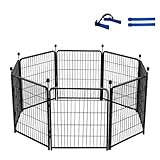
So, you’re looking to protect your garden, orchard, or prized landscaping from those pesky deer? You’re in the right place! One of the most common questions we get is: How tall does a deer fence need to be? The answer, as with most things, isn’t always straightforward. It depends on several factors, including the type of deer you’re dealing with, the terrain, and the specific goals for your fence.
We’ll explore everything you need to know about deer fence height, from the minimum requirements to the most effective strategies for keeping these graceful (but hungry) creatures out. We’ll also cover different fence types, installation tips, and address some frequently asked questions. Let’s get started and ensure your property remains deer-free!
Understanding Deer Behavior and Jumping Ability
Before diving into specific heights, it’s crucial to understand deer behavior. Deer are surprisingly athletic animals. They are powerful jumpers and can clear impressive heights, especially when motivated by food or the need to escape a perceived threat. Understanding their capabilities is key to effective deer control.
Factors Influencing Deer Jumping Ability
Several factors affect how high a deer can jump:
- Species: Different deer species have varying jumping abilities. White-tailed deer, for example, are known for their impressive vertical leaps. Mule deer, with their larger size, also jump well.
- Age and Physical Condition: Younger, healthier deer tend to be more agile and capable of higher jumps than older or less fit animals.
- Motivation: The presence of desirable food sources or the threat of predators can significantly increase a deer’s jumping height. A deer desperately trying to reach a favorite plant will jump higher than one simply exploring its surroundings.
- Terrain: Uneven ground or obstacles can affect a deer’s approach and jumping ability. A deer might be able to clear a higher fence on flat ground than on a slope.
Typical Deer Jumping Heights
While deer can jump incredibly high, their typical jumping heights are generally within a certain range. Here’s a general guideline:
- White-tailed Deer: Can easily clear fences 6 to 8 feet tall. In some cases, they can jump even higher, especially when motivated.
- Mule Deer: Possess similar jumping capabilities to white-tailed deer, often clearing fences of 7 to 8 feet.
- Other Deer Species: Jumping abilities vary, but it’s always best to err on the side of caution.
Important Note: These are general guidelines. Individual deer can exceed these heights, so it’s always wise to consider a fence height that provides a margin of safety.
Determining the Right Deer Fence Height for Your Needs
Choosing the correct deer fence height depends on several factors specific to your situation. Consider these points when making your decision:
1. Deer Species in Your Area
The first step is to identify the deer species common in your region. Research local wildlife information to determine the typical deer size and jumping capabilities in your area. This will help you choose an appropriate fence height.
2. The Value of the Protected Area
Consider the value of the plants, crops, or property you’re protecting. If you’re safeguarding a high-value garden or orchard, you’ll want to choose a taller fence to minimize the risk of deer intrusion. For less valuable areas, a shorter fence might suffice.
3. Terrain and Surrounding Environment
The terrain around your property can affect the effectiveness of your fence. If the ground slopes or if there are nearby trees or structures that deer could use to gain a height advantage, you may need a taller fence. A level, open area might allow for a slightly shorter fence.
4. Fence Type and Design
Different fence types have varying heights and designs. Some fences, like solid wood fences, can be very tall, while others, like mesh fences, might be more flexible in terms of height. Consider the aesthetics of the fence and how it will integrate with your landscape. (See Also: How Long Does Vinyl Fence Last? Your Ultimate Guide & Lifetime Expectations)
5. Local Regulations and Hoa Rules
Before installing a deer fence, check local regulations and homeowner association (HOA) rules. Some areas have restrictions on fence height, materials, and appearance. Ensure your fence complies with these regulations to avoid any potential issues.
Recommended Deer Fence Heights by Situation
Based on the factors above, here’s a general guide to recommended deer fence heights:
For General Protection (low to Moderate Deer Pressure)
If you’re dealing with a moderate deer population and want to protect a typical garden or lawn, a fence of 6 to 8 feet is often sufficient. This height discourages most deer from attempting to jump over. Consider using a mesh fence for cost-effectiveness and good visibility.
For High Deer Pressure or High-Value Gardens
In areas with a high deer population or if you’re protecting a valuable garden, orchard, or other assets, a fence of 8 feet or higher is recommended. This provides a significant deterrent and reduces the chances of deer intrusion. Consider a solid fence or a mesh fence with a top rail for added security.
For Challenging Terrain or Motivated Deer
If your property has challenging terrain (slopes, obstacles) or if deer are particularly motivated (e.g., abundant food sources), a fence of 8 to 10 feet may be necessary. Ensure the fence is well-constructed and properly anchored to withstand deer pressure. You can also consider angled top fences or electric fences for added protection.
Different Types of Deer Fences and Their Height Considerations
The type of deer fence you choose will influence the height you need. Here’s a look at common deer fence types and their height considerations:
1. Mesh Fences
Mesh fences are a popular choice due to their affordability, ease of installation, and effectiveness. They come in various materials, including plastic and metal. The height of a mesh fence can be easily adjusted during installation.
- Recommended Height: 6 to 8 feet for general protection, 8 feet or higher for high deer pressure.
- Pros: Relatively inexpensive, easy to install, good visibility, blends well with the landscape.
- Cons: Can be less durable than other types, may require more maintenance.
2. Solid Wood Fences
Solid wood fences provide a physical barrier and excellent deer protection. They are also aesthetically pleasing and can enhance the appearance of your property. However, they are more expensive and require more effort to install.
- Recommended Height: 6 to 8 feet or higher, depending on deer pressure and local regulations.
- Pros: Very effective at keeping deer out, provides privacy, enhances property value.
- Cons: Expensive, requires professional installation, can obstruct views.
3. Vinyl Fences
Vinyl fences offer a low-maintenance and durable alternative to wood fences. They are available in various styles and heights.
- Recommended Height: 6 to 8 feet or higher, depending on deer pressure.
- Pros: Durable, low-maintenance, available in various styles, resists weather damage.
- Cons: Can be more expensive than some other options.
4. Electric Fences
Electric fences are a highly effective deterrent, especially for areas with high deer pressure. They deliver a mild shock that discourages deer from attempting to cross the fence. Electric fences can be used in conjunction with other fence types or as a standalone solution. (See Also: How to Protect a Wooden Fence: Expert Guide to Longevity & Beauty)
- Recommended Height: 6 to 8 feet or higher, with the electrified wires strategically placed to deter deer.
- Pros: Highly effective, relatively inexpensive, easy to install.
- Cons: Requires electricity, can be a safety hazard if not installed correctly, may require maintenance.
5. Combination Fences
Combination fences combine different materials and designs to maximize effectiveness. For example, you might use a mesh fence with a top rail or an angled top to prevent deer from jumping over.
- Recommended Height: Varies depending on the combination, but generally 7 to 10 feet.
- Pros: Highly effective, can be customized to suit your needs.
- Cons: Can be more complex to install, may be more expensive.
Installation Tips for Effective Deer Fencing
Proper installation is crucial for ensuring your deer fence is effective. Here are some essential tips:
1. Prepare the Site
Before installing your fence, clear the area of any obstacles, such as rocks, roots, and vegetation. This ensures a smooth and stable installation.
2. Choose the Right Posts
Select sturdy posts that are appropriate for the fence type and height. Wood, metal, and composite posts are common choices. Space the posts at regular intervals, typically 8 to 12 feet apart, depending on the fence material and local conditions. Consider the use of line posts and corner posts for stability.
3. Secure the Fence
Ensure the fence is securely attached to the posts. Use appropriate fasteners, such as staples, clips, or screws, depending on the fence material. Tighten the fence material to prevent sagging.
4. Bury the Bottom
To prevent deer from crawling under the fence, bury the bottom of the fence a few inches underground. This is particularly important in areas with sandy soil or where deer are persistent. Alternatively, you can use a bottom rail or a buried apron.
5. Maintain the Fence
Regularly inspect your fence for damage or wear and tear. Repair any damage promptly. Trim vegetation around the fence to prevent it from interfering with the fence or providing a foothold for deer. Re-tension the fence as needed.
Addressing Common Questions About Deer Fence Height
Let’s address some frequently asked questions about deer fence height:
How High Does a Deer Fence Need to Be to Keep Deer Out?
The ideal height depends on the factors discussed above, but a general recommendation is 6 to 8 feet for general protection and 8 feet or higher for high deer pressure. Always consider the specific deer species in your area and the value of what you’re protecting.
Can Deer Jump Over a 6-Foot Fence?
Yes, deer can often jump over a 6-foot fence, especially if they are motivated. While a 6-foot fence can deter some deer, it might not be sufficient in areas with high deer pressure or if the deer are particularly athletic. (See Also: How High Can I Build a Fence? Your Ultimate Guide & Regulations)
What Is the Most Effective Deer Fence Height?
The most effective height is the one that is appropriate for your specific situation. Generally, a fence that is 8 feet or higher is considered highly effective in most cases. However, consider your local deer population, the value of the protected area, and the terrain when making your decision.
Do I Need to Bury My Deer Fence?
Burying the bottom of your deer fence is recommended, especially in areas with sandy soil or where deer are persistent. This prevents deer from crawling under the fence. Alternatively, you can use a bottom rail or a buried apron.
What Are Some Alternative Deer Deterrents?
While a deer fence is the most effective method, you can also use alternative deterrents, such as deer repellent sprays, motion-activated sprinklers, and netting. However, these methods may not be as effective as a well-constructed deer fence, especially in areas with high deer pressure.
What Is an Angled Deer Fence?
An angled deer fence is a fence where the top portion angles outward. This makes it more difficult for deer to jump over the fence because they cannot get a good foothold to clear the height. Angled fences are very effective at deterring deer.
What Is the Most Cost-Effective Deer Fence?
Mesh fences are generally the most cost-effective deer fence option. They are relatively inexpensive and easy to install, making them a budget-friendly choice. However, consider the long-term durability and maintenance requirements when making your decision.
Can I Build My Own Deer Fence?
Yes, you can build your own deer fence. Many DIY resources and materials are available. However, ensure you follow proper installation techniques and consider local regulations. If you’re not comfortable with DIY projects, consider hiring a professional installer.
How Long Does a Deer Fence Last?
The lifespan of a deer fence depends on the materials used, the climate, and the level of maintenance. A well-constructed fence can last for many years, even decades. Regular maintenance, such as repairing damage and re-tensioning the fence, can extend its lifespan.
Do Deer Fences Affect Property Value?
A well-maintained and aesthetically pleasing deer fence can enhance your property value, especially if it protects valuable landscaping or crops. However, a poorly constructed or unsightly fence might detract from your property’s appearance. Choose a fence that complements your property and landscape.
Final Verdict
Choosing the right deer fence height is a crucial step in protecting your property from deer damage. By considering the deer species in your area, the value of what you’re protecting, and the terrain, you can select the most effective fence height for your needs. Remember, a fence of 6 to 8 feet is often sufficient for general protection, while 8 feet or higher is recommended for high deer pressure. Proper installation, maintenance, and adherence to local regulations are also essential for long-term success, ensuring your garden and landscaping remain deer-free for years to come.
Recommended Products