Is your rubber plant looking a little sad? One of the most common mistakes plant parents make is overwatering or underwatering their beloved plants. Getting the watering schedule right is crucial for a healthy and thriving rubber plant, but it can be tricky. Knowing exactly how often should you water a rubber plant can feel like a guessing game!
This guide will demystify the process and provide you with actionable tips to keep your rubber plant happy. We’ll explore the factors that influence watering needs, such as the plant’s size, the pot it’s in, and your environment. Forget the stress and learn how to achieve the perfect balance for your plant.
With the right knowledge, you can become a rubber plant watering expert. You’ll learn how to tell if your plant needs water and avoid common pitfalls. Get ready to watch your rubber plant flourish and bring a touch of nature into your home with confidence!
Understanding the Watering Needs of Rubber Plants
Rubber plants (Ficus elastica) are a popular choice for indoor gardeners, prized for their glossy, leathery leaves and relatively easy care. However, one of the most common challenges for rubber plant owners is getting the watering schedule right. Overwatering and underwatering can both lead to problems, so understanding the plant’s needs is crucial for its health and longevity. This article will delve into the factors that influence how often you should water your rubber plant, providing guidance to help you keep your plant thriving.
Factors Influencing Rubber Plant Watering Frequency
Several factors affect how frequently you need to water your rubber plant. These elements work together to determine how quickly the soil dries out and, consequently, when your plant needs more water. Considering these influences will help you tailor your watering schedule for optimal plant health.
Light Exposure
The amount of light your rubber plant receives directly impacts its water needs. Plants in brighter locations, especially those with direct sunlight for several hours a day, will require more frequent watering than those in shadier spots. The increased light intensifies the process of photosynthesis, which also speeds up transpiration – the loss of water through the leaves.
Temperature and Humidity
Temperature and humidity levels are significant factors. Higher temperatures and lower humidity accelerate water evaporation from the soil and the plant’s leaves. Conversely, cooler temperatures and higher humidity slow down water loss. Consider how the seasons change the environment in your home to adjust the watering accordingly.
Potting Mix and Drainage
The type of potting mix and the quality of drainage in your pot are essential. A well-draining potting mix, such as one that includes perlite or orchid bark, allows excess water to drain away, preventing root rot. Pots with drainage holes are essential to avoid waterlogging. Plants in terracotta pots, which are porous, will dry out faster than those in plastic or glazed ceramic pots.
Plant Size and Stage of Growth
The size of your rubber plant and its current growth stage also influence its water requirements. Larger plants with more leaves will generally need more water than smaller, younger plants. Actively growing plants, especially during the spring and summer months, will also consume more water than those in a dormant or slower-growing phase.
Determining When to Water Your Rubber Plant
Instead of relying on a rigid schedule, it’s best to assess the soil moisture level before watering your rubber plant. Several methods can help you determine when your plant is thirsty.
The Finger Test
This is the most straightforward and reliable method. Insert your finger into the soil up to the first knuckle (about 1-2 inches). If the soil feels dry, it’s time to water. If it feels moist, wait a few more days and check again. This simple test gives you direct feedback on the soil’s moisture level.
Using a Moisture Meter
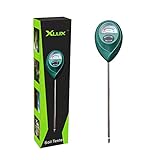
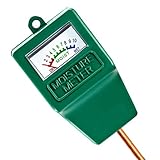
A moisture meter is a helpful tool for gauging soil moisture. Insert the probe into the soil, and it will give you a reading indicating the moisture level. Follow the meter’s instructions and water when the reading indicates that the soil is dry. This method is particularly useful for larger pots or if you have difficulty reaching into the soil with your finger.
Observing the Plant’s Appearance
Your rubber plant will often give you visual cues that it needs water. Drooping leaves are a common sign of underwatering. However, it’s important to note that drooping can also be a sign of overwatering, so always check the soil moisture first. Yellowing leaves can also indicate overwatering or underwatering.
Step-by-Step Guide to Watering Your Rubber Plant
Proper watering technique is just as important as the frequency. Here’s a step-by-step guide to watering your rubber plant effectively:
Step 1: Assess the Soil Moisture
As mentioned earlier, use the finger test or a moisture meter to determine if the soil is dry.
Step 2: Water Thoroughly
Water the plant until excess water drains out of the drainage holes in the pot. This ensures that the entire root ball is moistened.
Step 3: Allow Excess Water to Drain
Make sure to discard any excess water that collects in the saucer beneath the pot. Sitting in standing water can lead to root rot.
Step 4: Water Again When Necessary
Repeat the process when the soil dries out again, based on your assessment using the finger test or moisture meter.
Watering Frequency by Season
The watering frequency for your rubber plant will vary depending on the season. Adjusting your watering routine to match seasonal changes will keep your plant happy and healthy.
Spring and Summer
During the growing season, spring and summer, rubber plants actively grow and require more frequent watering. You may need to water your plant every 7-10 days, or even more often if it’s in a bright, warm location. Monitor the soil moisture regularly and adjust the watering schedule as needed.
Autumn and Winter
As the weather cools and the days get shorter, the rubber plant’s growth slows down. Reduce the watering frequency during autumn and winter. You may only need to water your plant every 2-3 weeks, or even less frequently. Let the soil dry out more between waterings to prevent root rot.
Common Mistakes to Avoid
Avoiding common watering mistakes can help you maintain a healthy rubber plant.
* Overwatering: This is the most frequent mistake. Overwatering leads to root rot, which can kill your plant. Always allow the soil to dry out partially before watering again.
* Underwatering: While less common than overwatering, underwatering can also harm your plant. Drooping leaves and dry soil are signs of underwatering.
* Using Cold Water: Avoid using cold water directly from the tap. Room-temperature water is best, as it’s less shocking to the plant’s roots.
* Ignoring Drainage: Always ensure your pot has drainage holes and that excess water drains away to prevent root rot.
Pro Tip: “Always err on the side of underwatering rather than overwatering. Rubber plants are more tolerant of dry conditions than consistently wet soil.” – Gardening Expert
Troubleshooting Watering Issues
Even with the best intentions, problems can arise. Here’s how to address some common watering-related issues:
Yellowing Leaves
Yellowing leaves can be a sign of both overwatering and underwatering. Check the soil moisture. If the soil is consistently wet, reduce watering. If the soil is dry, water more frequently.
Drooping Leaves
Drooping leaves can also be a sign of underwatering or overwatering. Again, check the soil moisture. Other causes can be low light or temperature stress.
Root Rot
Root rot is a serious issue caused by overwatering. Symptoms include yellowing leaves, a foul odor from the soil, and mushy roots. If you suspect root rot, repot your plant in fresh, well-draining soil, and trim away any rotten roots. Reduce watering frequency.
Here are answers to some frequently asked questions about watering rubber plants:
How Do I Know If I’m Overwatering My Rubber Plant?
Signs of overwatering include yellowing leaves, especially on the lower parts of the plant, and a foul odor coming from the soil. The soil will also feel consistently wet. Check for mushy roots.
Can I Water My Rubber Plant From the Top or the Bottom?
You can water your rubber plant from the top, allowing the water to drain through the soil. Bottom watering, where you place the pot in a saucer of water and let the plant absorb it from the bottom, is also an option. This is a good way to ensure the soil is evenly moistened.
How Often Should I Fertilize My Rubber Plant?
Fertilize your rubber plant during the growing season (spring and summer) every 2-4 weeks with a balanced liquid fertilizer diluted to half strength. Reduce or stop fertilizing during the dormant season (autumn and winter).
Conclusion
Watering your rubber plant correctly is essential for its health and beauty. By understanding the factors that influence watering needs, using the finger test or a moisture meter, and adjusting your watering schedule seasonally, you can keep your rubber plant thriving. Remember to observe your plant, pay attention to its signals, and be consistent with your watering routine. With a little care, your rubber plant will reward you with lush, vibrant foliage for years to come.
Recommended Products