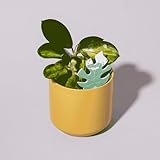
Monstera deliciosa, with its iconic split leaves, is a favorite among plant enthusiasts. But the key to a thriving monstera lies in one crucial aspect: watering. Overwatering can lead to root rot, while underwatering can cause yellowing leaves and stunted growth. Understanding how often should you water a monstera plant is the cornerstone of its care.
This comprehensive guide will delve into the intricacies of monstera watering. We’ll explore the factors that influence watering frequency, from the plant’s environment to its pot size. You’ll learn practical tips, troubleshooting techniques, and how to create a watering schedule tailored to your specific monstera. Get ready to unlock the secrets to a lush, healthy monstera!
Understanding Monstera Watering Needs
Monstera plants, native to tropical rainforests, thrive in conditions that mimic their natural habitat. This means consistent moisture but not soggy soil. Their watering needs are affected by a variety of conditions, and getting this right is essential for your plant’s health. The goal is to provide enough water to keep the soil consistently moist but never waterlogged. This balance is crucial for preventing root rot, a common problem for monsteras.
Why Proper Watering Matters
Watering is more than just providing hydration; it’s a fundamental aspect of a monstera’s well-being. Water transports nutrients throughout the plant, supports photosynthesis, and regulates the plant’s temperature. Both overwatering and underwatering can lead to significant problems, so it’s essential to understand the consequences of each.
- Overwatering: Leads to root rot, characterized by soft, brown roots and yellowing leaves. It can also cause fungal diseases and ultimately kill the plant.
- Underwatering: Causes leaves to droop, turn yellow or brown, and develop crispy edges. Prolonged underwatering can stunt growth and weaken the plant.
The Role of Soil in Watering
The soil acts as a reservoir for water, and its composition significantly impacts how often you need to water. A well-draining soil mix is crucial for monsteras. This type of soil allows excess water to drain away, preventing waterlogging and root rot. A good soil mix will retain enough moisture for the plant’s needs while also providing adequate aeration for the roots.
The best soil mix for monsteras typically includes a combination of ingredients, such as:
- Potting Mix: Provides the base and holds moisture.
- Perlite: Improves drainage and aeration.
- Orchid Bark: Further enhances drainage and aeration.
- Coco Coir: Retains moisture.
The soil should be able to drain well, but also retain some moisture. This balance is essential for the healthy growth of your monstera.
Factors Influencing Watering Frequency
Several factors play a role in determining how often you should water your monstera plant. These variables influence how quickly the soil dries out, and therefore, how frequently you need to provide water. Understanding these factors is key to developing a personalized watering schedule.
Light Exposure
The amount of light your monstera receives directly impacts its water needs. Plants in brighter locations tend to dry out faster than those in low-light environments. Increased light exposure accelerates photosynthesis, leading to higher water consumption. Therefore, a monstera in a sunny spot will likely need more frequent watering than one in a shadier area.
Temperature and Humidity
Temperature and humidity levels also influence watering frequency. Higher temperatures and lower humidity accelerate water evaporation from the soil. This means that in warmer and drier environments, you’ll need to water your monstera more often. Conversely, in cooler and more humid conditions, the soil will retain moisture for longer. Consider the microclimate around your plant. (See Also: Essential Guide: How to Take Care of a Tulip Plant)
Pot Size and Material
The size and material of the pot can significantly impact how often you should water a monstera plant. Larger pots hold more soil, which retains moisture longer than smaller pots. Terracotta pots are porous and allow water to evaporate more quickly than plastic or glazed ceramic pots. Choosing the right pot size and material is essential for managing moisture levels effectively.
Plant Size and Stage of Growth
A larger, more mature monstera with a more extensive root system will generally require more water than a smaller, younger plant. During the growing season (spring and summer), your monstera will be actively growing and will need more frequent watering. During the dormant season (fall and winter), the plant’s growth slows down, and its water needs decrease.
How to Determine When to Water
Knowing when to water your monstera is more art than science. There are several methods you can use to assess the soil moisture and determine the optimal watering time. These methods help you avoid both overwatering and underwatering, ensuring your plant stays healthy and thriving. Developing a consistent watering routine is crucial.
The Finger Test
The finger test is a simple and effective method for checking soil moisture. Insert your finger about 1-2 inches into the soil. If the soil feels dry, it’s time to water. If it feels moist, wait a few days and check again. This method provides immediate feedback on the soil’s moisture level. This is a good starting point for all plant owners.
Using a Moisture Meter
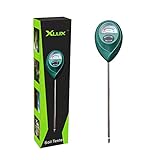
A moisture meter is a handy tool that provides a more precise reading of the soil’s moisture content. Insert the meter’s probe into the soil and read the moisture level indicated on the dial. These meters typically have a scale ranging from dry to wet, allowing you to easily determine when to water. Moisture meters remove the guesswork and help you to accurately assess the watering needs of your monstera.
Observing the Plant
Pay close attention to your monstera’s leaves. Drooping leaves or leaves with crispy edges are signs of underwatering, while yellowing leaves can indicate overwatering. Observe your plant regularly and learn to recognize the subtle cues that indicate when it needs water. This helps you to adjust your watering schedule as needed. Monitoring your plant’s overall health is an important part of plant care.
Lifting the Pot
Another way to gauge soil moisture is by lifting the pot. A dry pot will feel lighter than a pot with moist soil. This method works best if you’re familiar with the weight of your plant when it’s properly watered. This technique is especially useful for larger plants. It becomes easier to judge the weight difference as you gain experience.
Creating a Watering Schedule
While there’s no one-size-fits-all watering schedule, creating a consistent routine is essential. Start by observing your plant and the factors that influence its water needs. Then, adjust your schedule based on the plant’s response. This approach ensures your monstera receives the right amount of water at the right time.
Watering Frequency by Season
Adjust your watering frequency based on the season. During the growing season (spring and summer), water more frequently, typically every 1-2 weeks, or when the top inch or two of soil is dry. During the dormant season (fall and winter), reduce watering, typically every 2-3 weeks, or when the top 2-3 inches of soil are dry. Seasonal changes significantly impact water needs. (See Also: How Deep to Plant Narcissus Bulbs: Planting Guide & Tips)
Watering Technique
Water thoroughly, allowing water to drain from the drainage holes. This ensures that the entire root ball receives moisture. Avoid shallow watering, which can lead to uneven moisture distribution. Ensure the excess water drains away to prevent root rot. This also helps to flush out any built-up salts in the soil.
Watering Tips
- Use Room-Temperature Water: Cold water can shock the roots.
- Water Slowly: Allows the soil to absorb the water properly.
- Avoid Overwatering: Ensure the pot has drainage holes.
- Check the Soil Regularly: Adjust your watering schedule as needed.
Troubleshooting Common Watering Problems
Even with careful attention, watering problems can occur. Recognizing the signs of overwatering and underwatering is essential for prompt intervention. Learning how to correct these issues can save your monstera from serious damage. Quick action can make a big difference.
Overwatering Symptoms and Solutions
Overwatering is a common problem that can lead to root rot. Symptoms include yellowing leaves, especially on the lower parts of the plant, and soft, mushy stems. Check the soil moisture frequently. If you suspect overwatering, allow the soil to dry out completely before watering again. Ensure the pot has proper drainage. If root rot is severe, repot the plant with fresh soil and trim away any damaged roots.
Underwatering Symptoms and Solutions
Underwatering can cause the leaves to droop, turn yellow or brown, and develop crispy edges. If you suspect underwatering, water your monstera thoroughly until water drains from the drainage holes. Adjust your watering schedule to ensure that the soil remains consistently moist. Monitor your plant closely and increase watering frequency as needed.
Other Common Problems
- Brown Leaf Tips: Can be caused by underwatering, low humidity, or salt buildup in the soil.
- Yellowing Leaves: Can be caused by overwatering, underwatering, or nutrient deficiencies.
- Leaf Drooping: Can be caused by both overwatering and underwatering. Check the soil moisture to determine the cause.
Frequently Asked Questions (faq)
How Often Do I Water My Monstera in Summer?
In summer, when your monstera is actively growing, you’ll likely need to water it more frequently, typically every 1-2 weeks. The exact frequency depends on the plant’s environment, including light exposure, temperature, and humidity. Always check the soil moisture before watering.
How Often Do I Water My Monstera in Winter?
During the winter, your monstera’s growth slows down, and its water needs decrease. You’ll likely need to water less frequently, typically every 2-3 weeks. Monitor the soil moisture and adjust your watering schedule as needed. Avoid overwatering during the dormant season.
How Do I Know If I Am Overwatering My Monstera?
Signs of overwatering include yellowing leaves, especially on the lower parts of the plant, and soft, mushy stems. The soil may also feel constantly wet. If you suspect overwatering, check the soil moisture and allow the soil to dry out completely before watering again. Ensure your pot has adequate drainage.
Can I Use Tap Water for My Monstera?
Yes, you can generally use tap water for your monstera. However, tap water can sometimes contain chlorine or fluoride, which can build up in the soil over time. If you live in an area with hard water, consider using filtered water or allowing tap water to sit out for 24 hours to allow chlorine to evaporate. This can help to prevent the build-up of minerals in the soil.
What Kind of Pot Is Best for a Monstera?
The best pot for a monstera has drainage holes to prevent waterlogging. Terracotta pots are a good choice because they are porous and allow the soil to dry out more quickly. Plastic or glazed ceramic pots are also suitable, but ensure they have drainage holes. (See Also: Unlocking Fragrance: How to Plant Sweet Pea Seeds for Success)
What Should I Do If My Monstera Has Root Rot?
If your monstera has root rot, take the following steps:
- Remove the plant from the pot: Gently remove the plant and inspect the roots.
- Trim away damaged roots: Use clean scissors or a knife to cut away any soft, brown, or mushy roots.
- Repot in fresh soil: Use a well-draining soil mix and a clean pot.
- Adjust watering: Water less frequently and allow the soil to dry out between waterings.
Advanced Watering Techniques
For those looking to refine their monstera care, consider these advanced techniques. These can help to optimize your watering practices and ensure your plant thrives. These techniques require more experience and attention to detail.
Watering with Fertilizer
During the growing season, you can incorporate a balanced liquid fertilizer into your watering routine. Dilute the fertilizer to half strength and apply it every 2-4 weeks. This provides essential nutrients for healthy growth. Always follow the instructions on the fertilizer label. Avoid fertilizing during the dormant season.
Bottom Watering
Bottom watering involves placing the pot in a dish or container of water and allowing the soil to absorb water from the bottom. This method helps to ensure that the entire root ball is evenly moistened. Leave the pot in the water for about 30 minutes or until the top of the soil is moist. Remove the pot and allow any excess water to drain. This method reduces the risk of overwatering.
Using a Humidifier
Monsteras thrive in humid environments. Using a humidifier can help to increase the humidity around your plant, especially during dry winter months. Place the humidifier near your monstera and maintain a humidity level of 60-80%. This helps prevent brown leaf tips and promotes healthy growth. Regular misting can also provide a similar effect, although it is less effective than using a humidifier.
Conclusion
Mastering the art of watering is crucial for successfully growing a monstera. Understanding how often should you water a monstera plant, along with the factors influencing its needs, is key. By using the finger test, monitoring leaf conditions, and adjusting your schedule based on the season and environment, you can ensure your monstera thrives. Remember that consistency and observation are your best allies in achieving a lush, healthy plant. Enjoy the rewarding journey of monstera care, and watch your plant flourish!
Recommended Products