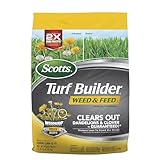
Wondering how often you should be feeding your lawn with Scotts products to achieve that lush, green carpet you’ve always dreamed of? You’re not alone! Many homeowners grapple with the question of optimal fertilization schedules, especially when using a trusted brand like Scotts, known for its effective lawn care solutions.
Getting the timing right is crucial for a healthy, vibrant lawn. Too little, and you won’t see the desired results; too much, and you risk damaging your turf. We’re here to demystify the process and provide you with a clear, actionable plan tailored to Scotts fertilizers, ensuring your lawn thrives throughout the seasons.
Understanding Your Lawn’s Needs: The Foundation of Fertilization
Before we dive into specific frequencies, it’s essential to understand that a “one-size-fits-all” approach to fertilizing doesn’t exist. Your lawn’s specific needs depend on several factors, including its grass type, your local climate, soil condition, and the type of Scotts fertilizer you’re using. Scotts offers a wide array of products, each designed for different purposes and seasons, so understanding these nuances is key to maximizing their benefits.
Key Factors Influencing Fertilization Frequency:
- Grass Type: Cool-season grasses (like fescue, bluegrass, and rye) have different feeding schedules than warm-season grasses (like bermuda, zoysia, and centipede).
- Climate and Season: Fertilization is typically most effective when the grass is actively growing. This means different times of the year for cool-season versus warm-season grasses.
- Soil Health: A soil test can reveal nutrient deficiencies and pH imbalances that might necessitate more or less frequent fertilization.
- Lawn Age and Condition: New lawns or struggling lawns might require a different approach than established, healthy ones.
- Scotts Product Used: Different Scotts fertilizers have varying release rates and nutrient compositions, directly impacting how often they need to be applied.
Scotts Fertilizers: A Closer Look at Popular Options and Their Schedules
Scotts is a household name in lawn care, offering a comprehensive range of fertilizers designed to address various lawn concerns. Their products often come with specific instructions, but understanding the underlying principles helps you adapt them to your lawn’s unique situation.
Scotts Turf Builder: The Workhorse of Lawn Fertilization
Scotts Turf Builder is perhaps their most recognized line. These products aim to provide essential nutrients for robust growth, improved color, and increased density. The frequency of application for Turf Builder products often depends on the specific formulation (e.g., Weed & Feed, WinterGuard, SummerGuard).
General Guidelines for Scotts Turf Builder (Cool-Season Grasses):
- Early Spring (March-April): Apply a Scotts Turf Builder product designed for early spring. This often focuses on providing nitrogen for green-up and root development after winter dormancy. Frequency: Once.
- Late Spring/Early Summer (May-June): A second application of a general purpose Turf Builder can be beneficial. If you’re using a Weed & Feed product, this is often the ideal time to address weeds while feeding your lawn. Frequency: Once.
- Late Summer/Early Fall (September-October): This is a critical feeding time for cool-season grasses. An application of Scotts Turf Builder WinterGuard is highly recommended to help the lawn recover from summer stress, store energy for winter, and prepare for early spring growth. Frequency: Once.
- Late Fall/Dormant Feeding (November-December, before the ground freezes): For advanced lawn care, a dormant feeding can further enhance root development and spring green-up. Use a Scotts product specifically formulated for this purpose. Frequency: Once (optional but beneficial).
General Guidelines for Scotts Turf Builder (Warm-Season Grasses):
- Late Spring/Early Summer (May-June): Once your warm-season grass has fully greened up and is actively growing, apply a general purpose Scotts Turf Builder. Frequency: Once.
- Mid-Summer (July-August): A second application can help maintain growth and color during the peak growing season. Frequency: Once.
- Early Fall (September-October): Apply a Scotts Turf Builder product to help the grass recover from summer stress and prepare for dormancy. Frequency: Once.
Scotts Weed & Feed Products: Timing Is Everything
Scotts Weed & Feed products are popular because they combine fertilization with weed control. The key to their effectiveness lies in proper timing: (See Also: Effortless Guide: How to Attach a Lawn Mower Bag)
- For Cool-Season Grasses: The best time to apply Weed & Feed is in the late spring (May-June) when weeds are actively growing and the grass is also actively growing. Avoid applying when temperatures are expected to exceed 85°F (29°C), as this can stress the grass. Frequency: Typically once in late spring.
- For Warm-Season Grasses: Apply Weed & Feed in late spring or early summer after the grass has fully greened up and is actively growing. Frequency: Typically once in late spring/early summer.
Important Note: Always read the product label for specific instructions on temperature, watering, and application timing. Applying Weed & Feed at the wrong time can harm your lawn or reduce its effectiveness against weeds.
Scotts Grubex and Other Insect/disease Control Fertilizers
Products like Scotts GrubEx address specific pest problems while also providing nutrients. The application schedule for these specialized products is often dictated by the life cycle of the pest they target.
- Scotts GrubEx: For grubs, the ideal application window is typically from late spring through mid-summer (May-July) for prevention. Applying it when grubs are actively feeding in the fall can also be effective for control. Frequency: Once per season for prevention.
- Disease Control Fertilizers: If your lawn is prone to specific diseases, Scotts may offer products that combine fungicide with fertilizer. Follow the label instructions carefully, as these are often applied preventatively before disease typically appears. Frequency: Varies based on product and disease cycle.
The Importance of Reading the Scotts Product Label
We cannot stress this enough: the Scotts product label is your most important guide. Each Scotts fertilizer is formulated differently, with specific nutrient ratios (N-P-K), slow-release technologies, and added ingredients (like weed killers or insecticides). These differences directly dictate the application frequency and the best time of year to apply them.
What to look for on the label:
- Application Timing: “Spring Application,” “Fall Application,” “For Use on Actively Growing Grass.”
- Grass Type Suitability: “For Cool-Season Grasses,” “For Warm-Season Grasses,” or “For All Grass Types.”
- Coverage Area: How much lawn the bag will cover.
- Application Rate: How much product to apply per 1,000 square feet.
- Watering Instructions: Whether to water in the fertilizer after application.
- Temperature Restrictions: Avoid applying when temperatures are too high or too low.
- Weed/Insect Control Information: If applicable, the specific weeds or insects the product targets and the best time to combat them.
Determining Your Lawn’s Specific Fertilization Schedule
While general guidelines are helpful, tailoring your Scotts fertilization schedule to your specific lawn is where you’ll see the best results. Here’s how to do it:
Step 1: Identify Your Grass Type
This is the first and most crucial step. Knowing whether you have cool-season or warm-season grass will dictate the primary fertilization windows.
- Cool-Season Grasses: Primarily found in northern regions. They grow most actively in the spring and fall and can go dormant in the heat of summer and the cold of winter. Examples: Kentucky Bluegrass, Perennial Ryegrass, Fine Fescues, Tall Fescue.
- Warm-Season Grasses: Primarily found in southern regions. They thrive in the heat of summer and go dormant in the winter. Examples: Bermuda Grass, Zoysia Grass, Centipede Grass, St. Augustine Grass.
Step 2: Assess Your Local Climate
Your regional climate plays a significant role. A mild winter in a southern region might allow for earlier application of spring fertilizers than a harsh winter in a northern region. (See Also: How to Have a Natural Lawn: Your Eco-Friendly Guide)
Step 3: Consider Soil Health
A simple soil test (available at most garden centers or through local extension offices) can provide invaluable information about your soil’s pH and nutrient levels. If your soil is deficient in certain nutrients, you might need to fertilize more frequently or choose a product with a higher percentage of those nutrients. If the pH is off, fertilizer may not be absorbed effectively.
Step 4: Choose the Right Scotts Product
Based on the time of year, your grass type, and any specific lawn issues (weeds, pests, thinness), select the appropriate Scotts Turf Builder product. Scotts offers:
- Scotts Turf Builder Grass Seed and Feed: Combines seeding with initial feeding.
- Scotts Turf Builder Lawn Food: General purpose feeding for healthy growth.
- Scotts Turf Builder Weed & Feed: Fertilizes and controls common lawn weeds.
- Scotts Turf Builder WinterGuard: For fall application to prepare for winter.
- Scotts Turf Builder SummerGuard: For mid-summer feeding, often with insect control.
- Scotts Turf Builder Triple Action: Addresses weeds, insects, and fertilizer in one.
Step 5: Follow the Application Schedule
Once you’ve chosen your product and understand your lawn’s needs, adhere to the recommended application schedule. Remember, consistency is key.
Common Questions About Fertilizing Your Lawn with Scotts
Q1: How Often Should I Fertilize My Lawn with Scotts If I Have a New Lawn?
For new lawns, the approach is different. Often, you’ll wait until the grass has been mowed a few times before applying any fertilizer. Scotts offers specific starter fertilizers that are gentler and designed to promote root establishment. Follow the instructions on the Scotts starter fertilizer product, which usually involves a single application shortly after seeding or sodding, followed by a general-purpose fertilizer once the lawn is established (typically after 4-6 weeks and a few mowings).
Q2: Can I Fertilize My Lawn Too Often with Scotts?
Yes, you absolutely can fertilize your lawn too often, even with Scotts products. Over-fertilizing can lead to:
- Fertilizer Burn: Excess salts in the fertilizer can dehydrate and scorch the grass blades, leaving brown patches.
- Excessive Growth: Rapid, weak growth that is more susceptible to disease and pests.
- Environmental Damage: Runoff of excess nutrients into waterways can cause pollution.
- Waste of Money: You’re not getting better results, just spending more.
Always stick to the recommended frequency on the product label and avoid applying more than is necessary.
Q3: What If I Miss a Scotts Fertilization Application?
Don’t panic! Missing one application usually won’t devastate your lawn, especially if it’s generally healthy. Your best bet is to pick up with the next recommended application in the schedule. If you’ve missed a critical window, like the fall dormant feeding for cool-season grasses, try to apply a suitable product as soon as you can, provided the ground isn’t frozen. (See Also: How to Build a Lego Lawn Mower: Your Ultimate Guide!)
Q4: Does Scotts Fertilizer Need to Be Watered in?
This depends entirely on the specific Scotts product. Many Scotts fertilizers, especially those containing granular nutrients, require watering in. Watering helps the nutrients dissolve and move into the soil where the grass roots can access them. It also helps wash any granular fertilizer off the grass blades, preventing potential burn. Always check the product label for watering instructions. If it says “water in,” make sure to do so thoroughly.
Q5: How Do I Choose Between a Scotts Slow-Release and a Quick-Release Fertilizer?
Scotts offers both. Slow-release fertilizers provide a steady, consistent supply of nutrients over a longer period, reducing the risk of burn and requiring fewer applications. They are generally preferred for maintaining a healthy lawn. Quick-release fertilizers provide an immediate boost of green color but can burn the lawn if over-applied and require more frequent applications. For most homeowners, Scotts Turf Builder products with slow-release nitrogen are the most practical and beneficial choice.
Seasonal Fertilization Calendar Example (cool-Season Grasses)
Here’s a sample calendar to help visualize the fertilization frequency for a lawn with cool-season grasses in a temperate climate. Remember to adjust based on your specific microclimate and product choice.
| Season | Timing | Recommended Scotts Product Type | Purpose | Frequency |
|---|---|---|---|---|
| Early Spring | March – April | Scotts Turf Builder (General Purpose or Spring Formula) | Green-up, root development | 1 |
| Late Spring/Early Summer | May – June | Scotts Turf Builder Weed & Feed or General Purpose | Weed control, continued growth | 1 |
| Late Summer/Early Fall | September – October | Scotts Turf Builder WinterGuard | Recovery from summer stress, prepare for winter | 1 |
| Late Fall (Optional) | November – December (before ground freezes) | Scotts Turf Builder (Dormant Feeding Formula) | Enhanced root growth, early spring vigor | 1 |
Seasonal Fertilization Calendar Example (warm-Season Grasses)
And here’s a sample for warm-season grasses, which have a different active growing period.
| Season | Timing | Recommended Scotts Product Type | Purpose | Frequency |
|---|---|---|---|---|
| Late Spring/Early Summer | May – June (after grass greens up) | Scotts Turf Builder (General Purpose or Summer Formula) | Promote vigorous growth and color | 1 |
| Mid-Summer | July – August | Scotts Turf Builder (General Purpose or SummerGuard) | Maintain growth and density | 1 |
| Early Fall | September – October | Scotts Turf Builder (General Purpose or Fall Formula) | Aid recovery from summer heat, prepare for dormancy | 1 |
By understanding your grass type, climate, and the specific Scotts product you’re using, you can create a fertilization schedule that keeps your lawn healthy, green, and resilient year-round.
Your Scotts Lawn Fertilization Frequency Answered
So, how often can you fertilize your lawn with Scotts? Generally, for most established lawns, a consistent schedule of 3-4 applications per year is optimal, with specific timing dictated by whether you have cool-season or warm-season grass. Always prioritize reading the Scotts product label, as it contains the most accurate and tailored instructions for the specific fertilizer you are using. Paying attention to your grass type, local climate, and soil health will allow you to fine-tune this frequency for the best possible results, leading to a truly magnificent lawn.
Recommended Products