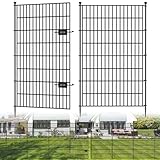
So, you’re thinking about putting up a fence? Excellent! A fence can boost your property value, provide privacy, keep kids and pets safe, and even enhance your curb appeal. But the big question on your mind is probably: how much would it cost to fence my yard? The answer, unfortunately, isn’t a simple one-size-fits-all figure. The price tag depends on a bunch of factors, from the type of fence you choose to the size of your yard and even where you live.
We’re going to break down all the costs involved, explore different fence materials, and give you a solid understanding of what to expect. This guide will help you budget effectively and make informed decisions, so you can fence your yard without breaking the bank. Let’s get started and find out how to make your fencing dreams a reality!
Understanding the Factors That Influence Fencing Costs
Before we dive into specific costs, let’s explore the key elements that determine how much your fence will cost. Understanding these factors is crucial for accurate budgeting.
1. Fence Material
The type of material you select significantly impacts the price. Each material has its own set of pros and cons, affecting both the initial cost and long-term maintenance expenses. We’ll explore the common choices in detail later.
2. Yard Size and Perimeter
This is a no-brainer! The larger your yard, the more fencing material you’ll need, and the higher the cost. Measure the perimeter of your yard accurately to determine the linear footage of fencing required.
3. Fence Height
Taller fences generally cost more because they require more materials and often involve more complex installation. Consider the purpose of your fence when deciding on the height. Privacy fences are usually taller than those used for purely aesthetic purposes.
4. Gate(s)
Gates add to the overall cost. The type and number of gates you need, along with their size and features (e.g., automatic openers), will influence the price.
5. Terrain and Site Conditions
Uneven terrain, rocky soil, or the presence of obstacles like trees or utility lines can complicate installation and increase labor costs.
6. Labor Costs (diy vs. Professional Installation)
Will you install the fence yourself, or will you hire a professional? DIY projects can save you money on labor, but they require time, effort, and possibly renting tools. Professional installation guarantees a quality job but adds to the overall expense.
7. Location, Location, Location
The cost of materials and labor can vary depending on your geographic location. Prices tend to be higher in urban areas and regions with higher costs of living.
8. Permits and Regulations
Many areas require permits for fence installation. These permits come with associated fees. Also, check local zoning regulations for height restrictions, setback requirements, and other rules that might impact your project.
9. Style and Design
The design of your fence matters. Simple, basic designs are generally cheaper than more elaborate or custom-built fences. Decorative elements, such as intricate patterns or ornamentation, increase costs.
Estimating Fence Costs: Material Breakdown
Let’s look at the price ranges for various fence materials, providing a baseline for your budgeting. (See Also: How Much Does Replacing a Fence Cost? Your Ultimate Guide)
1. Wood Fences
Wood fences offer a classic look and are a popular choice. However, the cost varies considerably based on the type of wood and the style of the fence.
- Cedar: A popular choice due to its natural resistance to rot and insects. Expect to pay between $15 and $40 per linear foot.
- Pressure-Treated Pine: More affordable than cedar, but requires more maintenance. Costs range from $10 to $30 per linear foot.
- Redwood: Known for its beauty and durability. It’s a premium option, typically costing between $25 and $55 per linear foot.
Wood fences often require staining or painting to protect them from the elements, adding to the overall expense. Also, consider the cost of posts, rails, and hardware.
2. Vinyl Fences
Vinyl fences are virtually maintenance-free, known for their durability and a wide range of styles. They are a good investment, but come with a higher initial cost.
- Cost: $20 to $60+ per linear foot, depending on the style, height, and features.
- Pros: Low maintenance, resists fading, cracking, and peeling.
- Cons: Can be more expensive than wood initially, and repairs may be more difficult.
3. Chain-Link Fences
Chain-link fences are a budget-friendly option, offering excellent security and visibility. They are a good choice for containing pets or defining property lines.
- Cost: $10 to $30 per linear foot, making them one of the most affordable options.
- Pros: Durable, inexpensive, and easy to install.
- Cons: Can be less aesthetically pleasing than other options.
You can customize chain-link fences with privacy slats for added seclusion.
4. Aluminum Fences
Aluminum fences offer a blend of elegance and durability, often used for decorative purposes. They are rust-resistant, making them ideal for areas with high humidity or exposure to the elements.
- Cost: $25 to $75+ per linear foot, depending on the design and complexity.
- Pros: Low maintenance, rust-resistant, and available in various styles and colors.
- Cons: Can be more expensive than wood or chain-link.
5. Composite Fences
Composite fences combine wood fibers and plastic, offering durability and low maintenance. They mimic the look of wood but resist rot, insects, and fading.
- Cost: $30 to $70+ per linear foot.
- Pros: Low maintenance, durable, and environmentally friendly.
- Cons: Can be more expensive than other options.
Breaking Down the Costs: A Detailed Look
Let’s break down the costs in more detail, considering the various components of a fence project.
1. Materials Costs
This is the most significant expense. The cost of materials varies based on the type of fence, the length of the fence, and the quality of the materials. Get quotes from multiple suppliers to compare prices.
2. Labor Costs
If you hire a professional, labor costs will be a substantial part of the budget. Labor rates vary depending on your location and the complexity of the installation. Get quotes from several contractors and compare their pricing.
3. Gate Costs
Gates add to the overall cost, with the price depending on the type of gate (swing, sliding, etc.), size, and material. Consider the number of gates you need, their size, and any special features (e.g., automatic openers).
4. Post Installation
Posts are the foundation of any fence. The cost of post installation depends on the material, the method (e.g., setting posts in concrete), and the terrain. The number of posts depends on the length of the fence and the spacing requirements for the chosen material. (See Also: Wood Fence Cost Per Linear Foot: Your Complete Guide & Pricing)
5. Hardware and Fasteners
Screws, nails, brackets, and other hardware are essential for assembling the fence. These costs are usually included in the materials costs, but it’s important to factor them in.
6. Permits and Inspections
Don’t forget the cost of permits and inspections. Check with your local building department to determine the required permits and fees.
7. Disposal of Old Fence (if Applicable)
If you’re replacing an existing fence, you’ll need to dispose of the old one. This can involve labor costs and disposal fees.
8. Land Clearing (if Applicable)
If your yard requires clearing of brush, trees, or other obstacles, this can add to the overall cost. Discuss this with your contractor.
Diy vs. Professional Installation: Weighing the Options
Deciding whether to install your fence yourself or hire a professional is a crucial step. Both options have pros and cons.
Diy Installation
- Pros: Saves money on labor costs, allows for customization, and gives you control over the project.
- Cons: Requires time, effort, and possibly renting tools. You’ll need to be skilled in basic construction and follow all local regulations. Project can take longer.
Professional Installation
- Pros: Ensures a quality installation, saves time and effort, and comes with a warranty.
- Cons: More expensive due to labor costs, and you have less control over the project timeline.
Consider your skill level, time commitment, and budget when making this decision. Get quotes from multiple contractors to compare prices and services. Also, check their references and reviews.
Step-by-Step Guide to Estimating Your Fence Cost
Follow these steps to estimate the cost of your fencing project:
- Measure Your Yard: Accurately measure the perimeter of your yard to determine the linear footage of fencing needed. Include the length of any areas where you want a fence.
- Choose Your Material: Select the fence material that best suits your needs, budget, and aesthetic preferences.
- Research Local Prices: Get quotes from local suppliers for the materials you’ve chosen.
- Decide on DIY or Professional Installation: Determine whether you’ll install the fence yourself or hire a professional.
- Get Quotes from Contractors (if applicable): If hiring a professional, get quotes from multiple contractors and compare their pricing and services.
- Factor in Gate Costs: Estimate the cost of any gates you need, considering the type, size, and features.
- Include Permit Fees: Research the permit requirements and fees in your area.
- Add a Contingency: Add a buffer (e.g., 10-15%) to your estimate to cover unexpected costs.
- Create a Budget: Use the information you’ve gathered to create a detailed budget, including all material, labor, and permit costs.
Frequently Asked Questions About Fencing Costs
Let’s address some common questions about fencing costs.
1. How Much Does a Fence Cost Per Foot?
The cost per foot varies widely, depending on the material. Wood fences typically range from $10 to $55 per linear foot, while vinyl fences can cost from $20 to $60+ per linear foot. Chain-link fences are generally the most affordable, costing $10 to $30 per linear foot.
2. What Is the Cheapest Type of Fence?
Chain-link fences are typically the most affordable option, followed by pressure-treated wood fences.
3. How Long Does a Fence Last?
The lifespan of a fence depends on the material. Wood fences can last 10-20 years with proper maintenance, while vinyl and aluminum fences can last 20-30 years or more. Composite fences are also known for their durability.
4. How Do I Maintain a Fence?
Maintenance requirements vary by material. Wood fences require regular staining or painting, while vinyl and aluminum fences are virtually maintenance-free. Chain-link fences may require occasional cleaning. Inspect your fence regularly for damage and make any necessary repairs promptly. (See Also: Mastering Fence Crimping: A Step-by-Step Guide on How to Use a Fence Crimping Tool)
5. How Do I Find a Reputable Fence Contractor?
Ask for recommendations from friends, family, and neighbors. Check online reviews and ratings. Verify that the contractor is licensed and insured. Get multiple quotes and compare their pricing and services.
6. Are There Any Hidden Costs?
Yes, there can be hidden costs, such as unexpected site preparation, disposal of old materials, or changes in material prices. Always add a contingency to your budget to cover these potential expenses.
7. Do I Need a Permit to Build a Fence?
Most likely, yes. Check with your local building department to determine the permit requirements in your area. Failure to obtain a permit can result in fines or the need to remove the fence.
8. What Is the Best Fence for Privacy?
Solid wood or vinyl privacy fences are excellent choices for privacy. Consider the height of the fence and the spacing between the pickets or panels.
9. Can I Install a Fence Myself?
Yes, you can install a fence yourself, but it requires time, effort, and some construction skills. Follow all local regulations and safety guidelines. If you’re not comfortable with the installation process, consider hiring a professional.
10. What Is the Best Time of Year to Build a Fence?
The best time to build a fence is typically during the spring or fall, when the weather is mild, and the ground is not frozen. However, fence installation can be done year-round, depending on your location and the weather conditions.
Saving Money on Your Fencing Project
Here are some tips to help you save money on your fencing project:
- DIY Installation: If you’re comfortable with the work, consider installing the fence yourself to save on labor costs.
- Choose Affordable Materials: Opt for less expensive materials, such as pressure-treated wood or chain-link, if budget is a major concern.
- Get Multiple Quotes: Get quotes from several contractors to compare prices and services.
- Negotiate Prices: Don’t be afraid to negotiate with suppliers or contractors.
- Consider a Simple Design: Avoid elaborate or custom designs that can increase costs.
- Do Some Prep Work: If possible, handle some of the site preparation yourself to reduce labor costs.
- Buy Materials in Bulk: If you have a large project, buying materials in bulk may offer cost savings.
- Shop Around for Hardware: Compare prices on hardware and fasteners from different suppliers.
By following these tips, you can minimize your fencing costs and stay within your budget.
Final Verdict
Calculating the cost to fence your yard involves understanding various factors, from material choice to labor costs and local regulations. While the price can range significantly, taking the time to research, plan, and obtain multiple quotes will empower you to make informed decisions. A well-planned and properly installed fence is an investment that enhances your property’s value and provides lasting benefits.
Remember to always factor in potential hidden costs and add a contingency to your budget. With careful planning, you can achieve your fencing goals without overspending. Good luck with your project, and enjoy your new fence!
Recommended Products