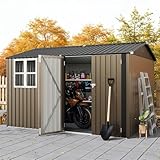
So, you’re thinking about building a 10×8 shed? Excellent choice! A shed this size offers a great balance of storage space and manageability, perfect for a backyard workshop, a home office, or simply a place to stash your garden tools. But before you get too excited about hammers and nails, the big question looms: how much would it cost to build a 10×8 shed?
That’s what we’re here to figure out. The price can swing wildly, depending on a bunch of factors. We’ll break down all the potential costs, from materials and labor to permits and unexpected expenses. This guide will give you a clear picture, so you can plan your budget and make informed decisions. We’ll explore everything from the cheapest DIY options to the more luxurious, professionally built sheds.
Ready to get started? Let’s dive in and uncover the true cost of your shed project!
Understanding the Factors Influencing Shed Construction Costs
The final price tag for your 10×8 shed is far from a fixed number. Several key factors will significantly impact the overall cost. Understanding these elements is crucial for accurate budgeting and avoiding unpleasant surprises. Let’s break down the main cost drivers:
1. Materials: The Foundation of Your Shed
The choice of materials is arguably the most significant cost determinant. Different materials offer varying levels of durability, aesthetic appeal, and, of course, price. Here’s a rundown of common shed materials and their associated costs:
- Wood: This is a classic and versatile choice. Wood sheds offer a natural look and are relatively easy to customize. However, wood is susceptible to rot, pests, and requires regular maintenance (painting, staining).
- Pressure-Treated Lumber: This is the most common and cost-effective wood choice for framing. It’s treated to resist rot and insects. Prices vary depending on the type of wood and regional availability.
- Cedar or Redwood: These woods are naturally rot-resistant and offer a beautiful finish. They are, however, more expensive than pressure-treated lumber.
- Metal: Metal sheds, often made of steel or aluminum, are known for their durability and low maintenance. They are generally more resistant to weather and pests than wood. However, they can be prone to rust (if not properly treated) and might not offer the same aesthetic appeal as wood.
- Steel: Strong and durable, but can rust if not protected.
- Aluminum: Lighter and rust-resistant, but can be more expensive.
- Vinyl: Vinyl sheds are virtually maintenance-free, resistant to rot and pests, and come in various styles and colors. They are typically more expensive than wood but can be a good long-term investment due to their low upkeep.
- Plastic: Plastic sheds are an affordable option, lightweight, and easy to assemble. They are generally less durable than other materials and might not withstand harsh weather conditions as well.
Material Cost Considerations:
- Type of Wood: Pressure-treated lumber is generally the most affordable for framing, while cedar or redwood will increase costs.
- Thickness and Grade: Thicker lumber and higher grades mean increased durability but higher prices.
- Metal Gauge: The thickness of the metal affects its strength and price.
- Brand and Supplier: Prices vary between different brands and suppliers. Shop around for the best deals.
2. Labor: Diy vs. Professional Installation
This is where costs can vary drastically. Will you build the shed yourself (DIY), or will you hire a professional contractor?
- DIY: Building your shed yourself can significantly reduce labor costs. You’ll only pay for materials and any tools you need to buy or rent. However, this option requires time, skill, and potentially some frustration.
- Professional Installation: Hiring a contractor will add labor costs to your project. These costs depend on the contractor’s rates, the complexity of the shed design, and your location. However, a professional ensures a quality build, saves you time, and can handle permit requirements.
Labor Cost Considerations:
- Contractor Rates: Research local contractor rates to get an idea of labor costs in your area.
- Shed Complexity: A more complex shed design (e.g., with a loft, extra windows, or custom features) will increase labor costs.
- Permit Requirements: Contractors often handle permit applications, which can add to the overall cost.
- Material Delivery: Some contractors include material delivery in their quotes, while others charge extra.
3. Shed Design and Features
The design of your shed, and the features you include, will influence the cost. A basic shed is cheaper than one with extras.
- Roof Type: A simple gable roof is usually the most affordable. More complex roof designs (e.g., hip roof, shed roof with a steeper pitch) can increase costs.
- Windows and Doors: Adding windows and doors will increase material and labor costs.
- Insulation and Electrical: If you plan to use the shed as a workshop or office, you’ll need insulation and potentially electrical wiring, which adds to the budget.
- Foundation: The type of foundation (e.g., concrete slab, gravel base, wood frame) will impact costs.
- Customization: Any custom features (e.g., built-in shelves, workbenches, or ramps) will increase the price.
Design and Feature Cost Considerations:
- Simplicity vs. Complexity: The more complex the design, the higher the cost.
- Feature Needs: Only add features you really need to avoid unnecessary expenses.
- Material Choices: Choose cost-effective materials for windows, doors, and other features.
4. Foundation and Site Preparation
Before you start building, you need a solid foundation. The type of foundation you choose depends on factors like your budget, the soil conditions, and how you plan to use the shed. (See Also: Build a Gambrel Shed: Your Step-by-Step Guide (diy))
- Gravel Base: This is often the most affordable option. It involves leveling the ground, laying down a layer of gravel, and then building the shed on top.
- Concrete Slab: A concrete slab provides a durable and level surface, ideal for workshops or sheds with heavy equipment. It’s more expensive than a gravel base.
- Wood Frame: A wood frame foundation raises the shed off the ground, which can be useful in areas prone to flooding.
- Pier and Beam: This foundation uses piers to support beams, raising the shed.
Site Preparation Cost Considerations:
- Site Leveling: Ensure the site is level before installing the foundation. This may involve excavation and grading.
- Soil Conditions: Poor soil conditions may require additional site preparation and a more robust foundation.
- Permit Requirements: Your local building codes may dictate foundation requirements.
5. Permits and Inspections
Most jurisdictions require permits for building sheds, especially those exceeding a certain size. The permit process can add to the overall cost and timeframe of your project.
- Permit Fees: Permit fees vary depending on your location and the size and complexity of the shed.
- Inspection Costs: Inspections are typically required at various stages of construction to ensure the shed meets building codes.
- Code Compliance: Make sure your shed design complies with local building codes to avoid delays and extra costs.
Permit and Inspection Cost Considerations:
- Local Regulations: Research permit requirements and fees in your area.
- Contractor Responsibility: Contractors often handle permit applications, but factor the cost into your budget.
- Plan Review: Be prepared for a plan review process, which may require you to submit detailed plans and specifications.
Cost Breakdown: Estimating the Price of a 10×8 Shed
Let’s get down to the brass tacks and provide some estimated cost ranges for building a 10×8 shed. Remember, these are estimates, and the actual cost will depend on the factors we’ve discussed above. We’ll provide a range for different scenarios, considering various material choices and labor options.
Important Note: These estimates do NOT include the cost of tools, which can vary widely depending on what you already own. Consider the cost of tool rental or purchase if you don’t have the necessary equipment.
Scenario 1: DIY, Basic Shed (Wood)
- Materials: $1,000 – $2,500 (pressure-treated lumber, basic roofing, simple door and windows). This range depends heavily on the grade and type of wood, and the quality of the other materials.
- Labor: $0 (DIY)
- Foundation: $200 – $500 (gravel base)
- Permits: $50 – $200 (depending on your location)
- Total Estimated Cost: $1,250 – $3,200
Scenario 2: DIY, Mid-Range Shed (Wood or Metal)
- Materials: $2,500 – $4,500 (higher-grade wood, metal siding, better roofing, upgraded windows and doors).
- Labor: $0 (DIY)
- Foundation: $500 – $1,000 (concrete slab or more elaborate gravel base)
- Permits: $50 – $200
- Total Estimated Cost: $3,050 – $5,700
Scenario 3: Professional Installation, Basic Shed (Wood)
- Materials: $1,500 – $3,000
- Labor: $1,500 – $3,000 (depending on contractor rates and shed complexity)
- Foundation: $200 – $500 (gravel base)
- Permits: $100 – $300 (including contractor handling)
- Total Estimated Cost: $3,300 – $6,800
Scenario 4: Professional Installation, High-End Shed (Wood, Vinyl, or Metal)
- Materials: $4,500 – $10,000+ (premium materials, custom features, insulation, electrical)
- Labor: $2,000 – $5,000+ (depending on contractor rates and shed complexity)
- Foundation: $500 – $2,000 (concrete slab, more complex base)
- Permits: $100 – $300 (including contractor handling)
- Total Estimated Cost: $7,100 – $17,300+
These are just estimates! It’s crucial to get quotes from local suppliers and contractors for a more accurate price. These figures are also subject to fluctuations in material costs, which can vary depending on the market. (See Also: How to Get Rid of Skunks Under a Shed: A Step-by-Step Guide)
Step-by-Step Guide to Building a 10×8 Shed (diy)
If you’re opting for the DIY route, here’s a simplified overview of the building process. Remember, this is a general guide, and specific steps may vary depending on your shed design and local building codes. Always prioritize safety and follow all manufacturer’s instructions.
- Planning and Design:
- Choose your shed design and materials.
- Create detailed plans, including dimensions, material lists, and a cut list.
- Check local building codes and obtain necessary permits.
- Site Preparation:
- Clear and level the building site.
- Prepare the foundation (gravel base, concrete slab, etc.).
- Framing:
- Build the floor frame using pressure-treated lumber.
- Erect the wall frames.
- Assemble the roof frame (rafters, trusses, etc.).
- Sheathing:
- Attach the sheathing (plywood, OSB, etc.) to the walls and roof.
- Roofing:
- Install roofing materials (shingles, metal panels, etc.).
- Siding:
- Install the siding (wood, metal, vinyl, etc.).
- Doors and Windows:
- Install the doors and windows.
- Finishing:
- Add trim, paint or stain the shed, and install any other desired features (shelves, workbenches, etc.).
- Inspection:
- Arrange for inspections as required by your local building codes.
Tips for Saving Money on Your Shed Project
Building a shed doesn’t have to break the bank. Here are some tips to help you save money:
- DIY: Building the shed yourself can save on labor costs.
- Shop Around: Get quotes from multiple suppliers for materials.
- Choose Affordable Materials: Opt for cost-effective materials like pressure-treated lumber and basic roofing.
- Simplify the Design: Avoid complex features and designs that increase costs.
- Reuse and Recycle: Consider using reclaimed materials where possible.
- Plan Ahead: Order materials in advance to avoid potential price increases.
- Consider Kit Sheds: Shed kits can often be a more affordable option, especially for DIY projects.
- Negotiate with Contractors: If you hire a contractor, negotiate prices and compare quotes.
- Do Some of the Work Yourself: If you’re hiring a contractor, you might save money by handling some of the tasks yourself (e.g., site preparation).
People Also Ask
Here are some frequently asked questions about building a shed, along with answers to help you with your project planning.
Q: How long does it take to build a 10×8 shed?
A: The time it takes depends on whether you DIY or hire a contractor. A DIY project can take several weekends or even a few weeks, depending on your experience and the complexity of the design. A professional contractor can often complete the project in a few days to a week.
Q: What is the best material for a shed?
A: The best material depends on your priorities. Wood offers a classic look and is easy to customize, while metal and vinyl offer low maintenance and durability. Consider your budget, local climate, and aesthetic preferences when choosing materials.
Q: Do I need a permit to build a shed?
A: Most jurisdictions require permits for sheds, especially those exceeding a certain size. Check with your local building department for specific requirements.
Q: How do I prepare the ground for a shed? (See Also: How to Decorate a Shed Inside: Your Ultimate Guide for Transformation)
A: The ground preparation depends on the foundation type. For a gravel base, you’ll need to level the ground and lay down a layer of gravel. For a concrete slab, you’ll need to excavate, install forms, and pour concrete. Always ensure the ground is level and properly compacted.
Q: Can I build a shed on a slope?
A: Yes, but it requires careful planning. You’ll need to level the building site or build a retaining wall to create a level surface for the shed. Ensure proper drainage to prevent water damage.
Q: What tools do I need to build a shed?
A: The required tools depend on the shed design and materials. Common tools include a saw (circular saw, miter saw, or hand saw), a drill, a level, a tape measure, a hammer, a screwdriver, and safety equipment (safety glasses, gloves, etc.).
Q: What size shed do I need?
A: Consider the purpose of the shed and the items you plan to store. A 10×8 shed is a good size for many applications, but you may need a larger shed for larger equipment or more storage space.
Shed Kit vs. Building From Scratch
Another option to consider is purchasing a shed kit. Shed kits come with pre-cut materials and detailed instructions, making the building process easier and often faster. They can be a good option for DIYers who are new to construction or who want to save time. However, shed kits may limit your design options and customization. Building from scratch allows for more flexibility in design and material choices.
Additional Costs to Consider
Don’t forget to factor in these potential additional costs:
- Landscaping: You may need to do some landscaping around the shed after construction.
- Electrical Wiring: If you plan to have electricity in your shed, factor in the cost of wiring, outlets, and fixtures.
- Permit Fees: Factor in the cost of permits, which vary by location.
- Unexpected Repairs: Always budget a small amount for unexpected repairs or adjustments during construction.
Final Verdict
Building a 10×8 shed is a rewarding project that can provide valuable storage space and enhance your property. The cost varies significantly based on material choices, labor, and design complexity, but with careful planning and budgeting, you can create a functional and attractive shed without breaking the bank. Remember to research local regulations, compare quotes, and prioritize your needs to make informed decisions and build the shed of your dreams!
Recommended Products