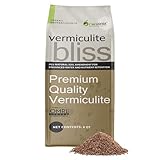
So, you’re ready to get your hands dirty and start potting some plants! That’s awesome! But wait – you’ve heard about vermiculite and its benefits, and now you’re wondering: how much vermiculite to add to potting soil? Don’t worry, it’s a common question, and we’ve got you covered.
The short answer? It depends! The amount of vermiculite you’ll want to add varies based on the type of plants you’re growing, the existing soil mix, and your desired outcome. We’ll break it all down for you, making sure you get the best possible results for your plants.
In this guide, we’ll explore the ins and outs of vermiculite, including its benefits, different uses, and exactly how much to use for various potting scenarios. Get ready to become a vermiculite pro!
What Is Vermiculite?
Before we dive into the specifics of how much to use, let’s make sure we’re all on the same page about what vermiculite actually is. Vermiculite is a naturally occurring mineral that expands when heated. It looks like small, flaky, golden-brown pieces, almost like a lightweight version of mica.
It’s incredibly useful in gardening because of its unique properties. Think of it as a soil amendment that can significantly improve your potting mix. Here’s a breakdown:
- Excellent Water Retention: Vermiculite can absorb and hold a lot of water, slowly releasing it to plant roots.
- Aeration and Drainage: It also improves soil aeration, preventing compaction and allowing for better drainage. This is especially important for plants that don’t like to sit in soggy soil.
- Nutrient Retention: Vermiculite helps retain nutrients, preventing them from leaching out of the soil.
- pH Neutral: It has a neutral pH, making it suitable for a wide range of plants.
- Sterile: Vermiculite is sterile, meaning it’s free from harmful pathogens and weed seeds.
Vermiculite is often used in combination with other soil amendments like perlite and peat moss to create an ideal growing environment. While both vermiculite and perlite are soil amendments, they serve slightly different purposes. Perlite primarily focuses on drainage and aeration, while vermiculite excels at water and nutrient retention.
Benefits of Using Vermiculite in Potting Soil
Why should you bother with vermiculite? The benefits are pretty compelling, especially for container gardening. Here’s a closer look:
- Improved Water Management: Vermiculite’s water-retention capabilities are a game-changer, especially for plants that need consistent moisture. This reduces the frequency of watering, making life easier for you and your plants.
- Enhanced Root Development: By improving aeration and drainage, vermiculite creates a healthier environment for root growth. Strong roots mean stronger plants!
- Reduced Soil Compaction: Vermiculite prevents the soil from becoming compacted, which can suffocate roots.
- Nutrient Efficiency: Vermiculite helps retain essential nutrients, ensuring your plants get the food they need.
- Faster Seed Germination: When used in seed starting mixes, vermiculite provides an ideal environment for germination.
- Insulation: It can also help insulate the roots from temperature fluctuations.
How Much Vermiculite to Add to Potting Soil: General Guidelines
Now, let’s get to the main question: how much vermiculite to add to potting soil? There’s no one-size-fits-all answer, but here are some general guidelines to get you started. Remember, these are starting points, and you might need to adjust based on your specific needs.
For general potting mixes:
- A good starting point is usually 1 part vermiculite to 3 parts potting soil. For example, if you’re using 1 cup of vermiculite, you would use 3 cups of potting soil.
- This ratio works well for most plants, providing a balance of water retention and drainage.
For seed starting mixes: (See Also: Revive Dead Flowers in Soil: The Ultimate Guide (and Get Them Blooming Again!))
- Seed starting mixes often benefit from a higher vermiculite content, around 1:1 ratio of vermiculite to potting mix.
- Vermiculite helps to retain moisture, which is crucial for seed germination.
- You can also use vermiculite on its own for seed starting, but it will require more frequent watering and fertilizing since it won’t have the nutrients of a potting mix.
For plants that prefer consistently moist soil:
- For plants like ferns, impatiens, and other moisture-loving varieties, you can increase the vermiculite ratio to 1:2 or even 1:1.
- This will help retain more water in the soil.
For plants that prefer drier conditions:
- For plants like succulents and cacti, use a lower ratio of vermiculite, perhaps 1:4 or even less.
- You’ll likely want to focus on using perlite instead for drainage.
For amending existing potting mixes:
- If you’re adding vermiculite to an existing potting mix, start with a small amount, like 1/4 cup vermiculite per gallon of potting soil, and adjust as needed.
- You can always add more, but it’s harder to take it out!
Vermiculite vs. Perlite: Which to Choose?
You’ll often see vermiculite and perlite mentioned together, and for good reason! They are both excellent soil amendments, but they serve slightly different purposes. Understanding the differences will help you decide which one is best for your plants.
Here’s a quick comparison:
| Feature | Vermiculite | Perlite |
|---|---|---|
| Texture | Flaky, soft | Porous, lightweight |
| Water Retention | High | Low |
| Aeration | Moderate | High |
| Nutrient Retention | Good | Poor |
| Best Used For | Seed starting, plants that need consistent moisture, nutrient retention | Drainage, aeration, plants that prefer drier conditions |
| Typical Ratio in Mixes | 1:1 to 1:4 (with potting mix) | 1:1 to 1:3 (with potting mix) |
In summary:
- Vermiculite is your go-to for water and nutrient retention.
- Perlite is best for improving drainage and aeration.
- You can use both! Many potting mixes combine both vermiculite and perlite for a balanced growing environment.
How to Mix Vermiculite Into Potting Soil
Mixing vermiculite into your potting soil is easy, but here’s a step-by-step guide to ensure you get the best results:
- Gather Your Materials: You’ll need vermiculite, potting soil, a container for mixing (a bucket or tub works well), and a trowel or scoop. Consider wearing a dust mask, as vermiculite can be dusty.
- Determine Your Ratio: Decide on the vermiculite-to-potting soil ratio based on the type of plants you’re growing (refer to the guidelines above).
- Measure the Ingredients: Use a measuring cup or scoop to measure out the correct amounts of vermiculite and potting soil.
- Combine the Ingredients: Add the vermiculite to the container with the potting soil.
- Mix Thoroughly: Use a trowel or your hands (with gloves!) to mix the vermiculite and potting soil thoroughly. Make sure the vermiculite is evenly distributed throughout the mix.
- Test the Mix: Before planting, test the mix by squeezing a handful. It should hold its shape but not be overly soggy.
- Plant Your Plants: Now you’re ready to plant! Fill your pots with the vermiculite-enhanced potting mix and plant your seedlings or plants.
Vermiculite Application Tips
Here are some additional tips to help you get the most out of using vermiculite:
- Choose the Right Grade: Vermiculite comes in different grades (sizes), from fine to coarse. Finer grades are better for seed starting, while coarser grades are better for larger plants.
- Water Thoroughly After Planting: After planting, water your plants thoroughly to help settle the soil and activate the vermiculite’s water-retention properties.
- Monitor Moisture Levels: Pay attention to your plants’ needs. If the soil seems to be staying too wet, you might need to adjust the vermiculite ratio in the future.
- Consider Your Climate: In humid climates, you might use a slightly lower ratio of vermiculite to promote better drainage. In drier climates, you might use a higher ratio to retain more moisture.
- Don’t Overdo It: While vermiculite is beneficial, using too much can lead to overly soggy soil and root rot.
- Storage: Store vermiculite in a dry place to prevent it from absorbing moisture before you use it.
- Reusing Soil: If you’re reusing potting soil, you can add a bit more vermiculite to refresh the mix and restore its water-retention and aeration properties.
People Also Ask
Let’s address some common questions people have about using vermiculite: (See Also: Who Showed the Pilgrims How to Fertilize the Soil? Unearthing Agricultural Secrets)
Q: Can I use vermiculite with all types of plants?
A: Yes, vermiculite is generally safe for all types of plants. However, the amount you use should be adjusted based on the plant’s specific needs. As mentioned earlier, moisture-loving plants like ferns and impatiens will benefit from a higher vermiculite ratio, while succulents and cacti will prefer less.
Q: Is vermiculite safe for indoor plants?
A: Absolutely! Vermiculite is a great choice for indoor plants. It helps with water retention, which can be particularly beneficial in the drier environment of a home. Just be mindful of the amount you use, and make sure your pots have good drainage.
Q: Can I use vermiculite in my garden beds?
A: Yes, you can use vermiculite in your garden beds, but it’s typically more common to use it in container gardening. Vermiculite can help improve soil structure, water retention, and aeration in garden beds. However, it can be more challenging to incorporate into larger areas. Consider the soil type and your plants’ needs when deciding whether to use vermiculite in your garden beds.
Q: Is vermiculite the same as peat moss?
A: No, vermiculite and peat moss are different soil amendments, though they are often used together. Peat moss is an organic material that also helps with water retention, but it is derived from sphagnum moss. Vermiculite is a mineral. Both are excellent for potting mixes, but they have different properties. Peat moss tends to be more acidic, while vermiculite has a neutral pH. They can be used together to create a well-balanced potting mix.
Q: Does vermiculite expire? (See Also: Fill Large Planters Smartly: How to Fill a Large Planter with Less Soil & Save)
A: Vermiculite itself doesn’t expire, but its effectiveness can diminish over time if it’s stored improperly and absorbs moisture. It’s best to store vermiculite in a dry place. Also, the other components of your potting mix (like nutrients) can break down over time, so it’s a good idea to refresh your potting mix periodically.
Q: Can I use vermiculite in hydroponics?
A: Yes, vermiculite can be used in hydroponic systems. It’s often used as a growing medium or as a component in a soilless mix. Its excellent water-retention and aeration properties make it suitable for this application.
Q: Is vermiculite harmful to humans?
A: Vermiculite itself is not considered harmful to humans. However, some vermiculite products may have been contaminated with asbestos in the past. Always purchase vermiculite from a reputable source and check for any warnings or certifications. When handling vermiculite, it’s a good idea to wear a dust mask to avoid inhaling any dust particles.
Final Verdict
So, there you have it! How much vermiculite to add to potting soil really depends on the specific needs of your plants. By understanding the properties of vermiculite and following the guidelines we’ve provided, you can create a perfect growing environment for your plants. Experiment, observe, and adjust to find what works best for your garden. Happy planting!
Recommended Products