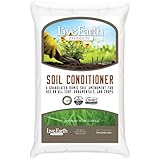
So, you’re ready to get your hands dirty and improve your garden soil? Excellent! One of the most common questions we get is: how much soil conditioner do I need? The answer, like most things in gardening, isn’t a simple one-size-fits-all. However, with a little knowledge of your soil type, the type of soil conditioner you’re using, and the area you’re treating, you can easily figure it out.
This guide will walk you through everything you need to know, from understanding the different types of soil conditioners to calculating the perfect amount for your garden. We’ll cover various scenarios, from amending existing beds to preparing new ones. Get ready to transform your soil and watch your plants thrive!
Understanding Soil Conditioners: The Basics
Before we dive into calculations, let’s make sure we’re all on the same page about what soil conditioners are and why they’re so important. Soil conditioners are materials added to soil to improve its physical properties, such as structure, drainage, and water retention. They’re different from fertilizers, which primarily provide nutrients.
What Soil Conditioners Do
Soil conditioners work by:
- Improving Soil Structure: They break up compacted soil, creating air pockets for roots and beneficial microbes.
- Enhancing Drainage: They help excess water drain away, preventing root rot.
- Increasing Water Retention: They help the soil hold onto moisture, reducing the need for frequent watering.
- Boosting Aeration: They increase the amount of oxygen available to plant roots.
- Improving Nutrient Availability: They help the soil retain and release nutrients more effectively.
Common Types of Soil Conditioners
There’s a wide range of soil conditioners available, each with its own benefits. Here are some of the most popular:
- Compost: A gardener’s best friend! Compost is decomposed organic matter, rich in nutrients and beneficial microbes. It improves soil structure, drainage, and water retention.
- Manure: Aged manure from animals like cows, horses, or chickens is a great soil conditioner. It adds nutrients and improves soil structure. Always use aged manure to avoid burning your plants.
- Peat Moss: A good choice for improving water retention and soil acidity. It’s often used in potting mixes. However, its sustainability is debated.
- Coco Coir: A sustainable alternative to peat moss, made from coconut husks. It improves drainage and water retention.
- Leaf Mold: Decomposed leaves that improve soil structure and add organic matter.
- Green Manure/Cover Crops: Plants grown specifically to be tilled into the soil. They add organic matter and improve soil structure.
- Vermicompost (Worm Castings): The excrement of earthworms, an excellent soil conditioner that improves soil structure, aeration, and nutrient availability.
- Sand: Adding sand can improve drainage in clay soils. However, too much sand can make the soil too well-draining.
- Perlite and Vermiculite: These are volcanic glass and a mineral that improve drainage, aeration, and water retention in potting mixes.
Why Soil Testing Matters
Before you start adding soil conditioner, it’s a good idea to test your soil. A soil test will tell you about your soil’s pH, nutrient levels, and texture. This information will help you choose the right soil conditioner and the correct amount. You can usually get a soil test kit from your local garden center or extension office.
People Also Ask: (See Also: Salt Build-Up in Soil: Why It Happens & How to Fix It)
- What is the best soil conditioner? The best soil conditioner depends on your soil type and what you want to achieve. Compost is generally a great all-around choice.
- When should I apply soil conditioner? You can apply soil conditioner any time, but the best time is before planting or in the fall to allow it to break down over the winter.
Calculating How Much Soil Conditioner You Need
Now for the fun part: figuring out how much soil conditioner to use. The amount you need will depend on several factors:
- Your Soil Type: Clay soils need more soil conditioner than sandy soils.
- The Type of Soil Conditioner: Some conditioners are more concentrated than others.
- The Area You’re Treating: Are you amending an entire garden bed or just a few planting holes?
- Your Desired Result: Are you aiming for a slight improvement or a major soil overhaul?
Estimating the Area
First, you need to determine the area you’re treating. You’ll need to measure the length and width of the area. Here’s how to calculate the area for different shapes:
- Rectangular Beds: Area = Length x Width (in feet)
- Circular Beds: Area = π x Radius² (Radius = Diameter / 2) (π is approximately 3.14)
- Irregular Beds: Break the area into smaller, more manageable shapes and calculate the area of each.
Example: Let’s say you have a rectangular garden bed that is 10 feet long and 5 feet wide. The area is 10 feet x 5 feet = 50 square feet.
Determining the Application Rate
The application rate is the amount of soil conditioner you should apply per unit of area. This will vary depending on the type of soil conditioner and your soil type. As a general guideline, here are some common application rates:
- Compost: 1-4 inches (2-8 cubic yards per 1000 square feet). For heavy clay soils, use the higher end of the range. For sandy soils, use the lower end.
- Manure: 1-3 inches (2-6 cubic yards per 1000 square feet). Make sure it’s aged.
- Peat Moss: 1-2 inches (2-4 cubic yards per 1000 square feet)
- Coco Coir: 1-2 inches (2-4 cubic yards per 1000 square feet)
- Leaf Mold: 2-4 inches (4-8 cubic yards per 1000 square feet)
Note: These are general guidelines. Always follow the manufacturer’s instructions on the soil conditioner packaging. If in doubt, start with a smaller amount and add more as needed.
Calculating the Volume of Soil Conditioner
Once you know the application rate and the area you’re treating, you can calculate the volume of soil conditioner you need. Here’s how: (See Also: How to Apply Fungicide to Soil: A Complete Guide for Healthy Plants)
- Convert Inches to Feet: Divide the application rate in inches by 12 to get the application rate in feet. For example, 2 inches = 2/12 = 0.17 feet.
- Calculate the Volume: Volume = Area x Application Rate (in feet).
- Convert to Cubic Yards (Optional): To convert cubic feet to cubic yards, divide by 27 (since there are 27 cubic feet in a cubic yard).
Example: Let’s use our 50 square foot garden bed and assume you want to add 2 inches of compost.
- Convert 2 inches to feet: 2 inches / 12 inches/foot = 0.17 feet.
- Calculate the volume: 50 square feet x 0.17 feet = 8.5 cubic feet.
- Convert to cubic yards: 8.5 cubic feet / 27 cubic feet/yard = 0.31 cubic yards.
So, you would need about 0.31 cubic yards of compost for your 50 square foot garden bed.
People Also Ask:
- How many bags of soil conditioner do I need? This depends on the size of the bags. Check the cubic feet or cubic yards listed on the bag and do the calculations accordingly.
- How much compost per square foot? Aim for 1-4 inches of compost, depending on your soil type and desired improvement. This translates to roughly 0.08 to 0.33 cubic feet of compost per square foot.
Amending Existing Garden Beds
Amending existing garden beds is a great way to improve your soil over time. Here’s a step-by-step guide:
- Clear the Area: Remove any existing plants, weeds, and debris from the garden bed.
- Loosen the Soil: Use a garden fork or tiller to loosen the top 6-12 inches of soil. This will help the soil conditioner integrate properly.
- Spread the Soil Conditioner: Evenly distribute the soil conditioner over the surface of the bed, following the application rate guidelines above.
- Incorporate the Soil Conditioner: Use the garden fork or tiller to mix the soil conditioner into the soil. Make sure it’s well-incorporated.
- Rake and Level: Rake the surface of the bed to level it out.
- Wait and Plant: Allow the soil to settle for a few days before planting.
Tip: Consider adding a layer of mulch after planting to help retain moisture and suppress weeds.
Preparing New Garden Beds
If you’re starting a new garden bed, you’ll want to amend the soil before planting. Here’s how: (See Also: Unlocking Soil Secrets: How Does Humus Help Soil? (boost Your Garden!))
- Choose Your Location: Select a sunny spot with good drainage.
- Outline the Bed: Use stakes and string, or a garden hose, to mark the perimeter of your garden bed.
- Remove Sod (Optional): If you’re starting a bed in a grassy area, remove the sod. You can use a sod cutter or a shovel.
- Loosen the Soil: Use a garden fork or tiller to loosen the soil to a depth of 12-18 inches.
- Add Soil Conditioner: Spread the soil conditioner over the surface of the bed, following the application rate guidelines above.
- Incorporate the Soil Conditioner: Use the garden fork or tiller to mix the soil conditioner into the soil thoroughly.
- Level the Bed: Rake the surface of the bed to level it out.
- Let it Settle: Allow the bed to settle for a few days or weeks before planting.
- Plant and Mulch: Plant your desired plants and add a layer of mulch to help retain moisture.
People Also Ask:
- How much compost for a raised bed? For raised beds, you’ll need a significant amount of soil conditioner, as you’re essentially building the soil from scratch. The amount will depend on the height of your bed and the desired soil composition. A good starting point is a mix of 1/3 compost, 1/3 topsoil, and 1/3 other amendments like peat moss or coco coir.
- Can I put too much compost in my garden? Yes, you can. While compost is generally beneficial, adding too much can lead to nutrient imbalances and salt buildup.
Amending Individual Planting Holes
Sometimes, you only need to amend the soil in individual planting holes, such as when planting trees or shrubs. Here’s how:
- Dig the Hole: Dig a hole that is twice as wide as the root ball of your plant and just as deep.
- Loosen the Soil: Use a garden fork to loosen the soil in the hole and around the sides.
- Mix the Soil Conditioner: Mix the soil you removed from the hole with a soil conditioner, such as compost or well-rotted manure. A good ratio is typically 1 part soil conditioner to 1 part soil.
- Backfill the Hole: Place the amended soil back into the hole, creating a mound in the center.
- Plant Your Plant: Place your plant in the hole, ensuring the top of the root ball is level with the surrounding soil.
- Backfill Around the Plant: Fill in the remaining space around the root ball with the amended soil.
- Water Thoroughly: Water your newly planted plant thoroughly.
Tip: Avoid adding too much soil conditioner to the planting hole, as this can create a “bathtub” effect, where water collects around the roots and doesn’t drain properly.
Tips for Successful Soil Conditioning
- Choose the Right Soil Conditioner: Select a soil conditioner that is appropriate for your soil type and the plants you’re growing.
- Use Aged Materials: Always use aged manure and compost to avoid burning your plants.
- Don’t Overdo It: While soil conditioners are beneficial, adding too much can be harmful. Follow the application rate guidelines.
- Mix Thoroughly: Make sure the soil conditioner is well-incorporated into the soil.
- Water Regularly: Water your plants regularly, especially after applying soil conditioner.
- Monitor Your Plants: Pay attention to your plants and adjust your soil conditioning practices as needed.
- Consider a Soil Test: Regularly testing your soil can help you maintain optimal soil conditions.
- Consider the Climate: In hot, dry climates, you might need to use more soil conditioner to improve water retention.
People Also Ask:
- How to improve clay soil? Clay soil benefits greatly from soil conditioners like compost, leaf mold, and well-rotted manure. Adding sand can also help, but be careful not to use too much.
- How to improve sandy soil? Sandy soil benefits from soil conditioners that improve water retention, such as compost, peat moss, and coco coir.
Final Verdict
Figuring out how much soil conditioner do I need is a crucial step in creating a thriving garden. By understanding your soil type, the type of conditioner you’re using, and the area you’re treating, you can calculate the perfect amount. Remember to always follow the manufacturer’s instructions, and don’t be afraid to experiment to find what works best for your garden. With the right amount of soil conditioner, you’ll be well on your way to a flourishing and healthy garden!
Recommended Products