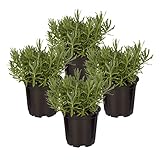
The allure of lavender is undeniable – its soothing fragrance, vibrant purple hues, and culinary and medicinal versatility make it a garden favorite. But before you envision a field of fragrant blooms, you might be wondering, ‘how much is a lavender plant?’ The price of these plants can vary significantly depending on several factors, from the specific variety to the size and maturity of the plant.
This comprehensive guide will delve into the various aspects influencing the cost of a lavender plant. We’ll explore the different types, their typical price ranges, and where you can find the best deals. We’ll also cover essential care tips to ensure your lavender thrives, providing you with everything you need to know to make an informed purchase and enjoy the beauty and benefits of this beloved herb.
Whether you’re a seasoned gardener or a curious beginner, understanding the cost and care requirements of lavender is essential. This guide will equip you with the knowledge to select the perfect lavender plant for your needs and budget, setting you on the path to a fragrant and flourishing garden.
Understanding Lavender Plant Costs
The price of a lavender plant isn’t a fixed figure; it’s influenced by several key factors. Understanding these elements will help you make a smart purchasing decision and get the best value for your money. These factors determine how much you’ll pay for the plant.
Variety
Different lavender varieties come with varying price tags. Some are more common and, therefore, more affordable, while others are rarer or have specific desirable traits that increase their cost. For instance, English lavender (Lavandula angustifolia) is often less expensive than French lavender (Lavandula dentata) or Spanish lavender (Lavandula stoechas).
English lavender is prized for its classic fragrance and is often used in culinary applications, making it a popular choice for many gardeners. French lavender, with its unique toothed leaves and distinctive flower spikes, may command a higher price due to its different aesthetic appeal and slightly different growing requirements. Spanish lavender, known for its tufted flower heads, also varies in cost.
Size and Maturity
The size of the lavender plant you choose significantly impacts the price. A small starter plant, typically a seedling or a plant in a small pot, will be considerably less expensive than a mature, established plant. Larger plants, often sold in larger pots, are more expensive because they have already undergone significant growth and development.
Mature plants offer the advantage of immediate impact in your garden, providing established blooms and a more robust root system. However, they also come with a higher price point. Starter plants, while more affordable, require more care and time to reach maturity and full bloom.
Pot Size
Closely related to size and maturity, the pot size directly correlates with the plant’s price. Smaller pots, such as 2-inch or 4-inch pots, usually contain young plants and are less costly. Larger pots, such as 1-gallon or 5-gallon containers, indicate more mature plants and will naturally be more expensive.
The pot size also influences how long you can keep the plant in its container before needing to transplant it. Larger pots provide more space for root growth and allow the plant to thrive for a longer period before requiring repotting or planting in the ground.
Location and Supplier
Where you purchase your lavender plant also influences the price. Local nurseries and garden centers often have higher prices than big-box stores. However, local nurseries may offer healthier plants and expert advice.
Online retailers can provide competitive pricing, but you must consider shipping costs. The reputation of the supplier also matters. Reputable nurseries often invest in higher-quality plants and provide better customer service, which may justify a slightly higher price. Consider all of these factors when determining how much is a lavender plant.
Organic vs. Non-Organic
Organic lavender plants, grown without synthetic pesticides or fertilizers, often come at a premium. The organic certification process involves strict standards, increasing production costs.
However, many gardeners choose organic options for environmental and health reasons. The price difference between organic and non-organic plants can vary, but it reflects the additional care and practices employed in organic cultivation.
Typical Price Ranges for Lavender Plants
Here’s a general overview of the price ranges you can expect to encounter when purchasing lavender plants. Remember that these are approximate figures, and prices can vary based on the factors discussed above.
Starter Plants (small Pots)
Starter plants, typically seedlings or young plants in 2-inch to 4-inch pots, usually range from $5 to $15. These are an excellent option if you are on a budget and don’t mind waiting for the plant to mature.
These plants are best suited for those who enjoy the process of nurturing a plant from its early stages. They are also ideal if you plan to plant multiple lavender plants, as they offer an economical way to get started. (See Also: How Far Apart to Plant Sweet Peppers: Spacing Guide)
Established Plants (larger Pots)
Established plants, sold in 1-gallon to 5-gallon pots, can range from $15 to $40 or more. These plants are more mature and will offer a more immediate impact in your garden.
The price will depend on the variety, the size of the pot, and the maturity of the plant. They are a good choice if you want a quicker bloom and a more established appearance in your garden.
Rare or Specialty Varieties
Rare or specialty lavender varieties, such as those with unique colors or fragrances, may command prices from $20 to $50 or even higher. These varieties are often sought after by collectors and those looking for something different.
These plants can be a great investment for the dedicated gardener. They can add a unique touch to your garden and provide a conversation starter.
Where to Buy Lavender Plants
You have several options when it comes to purchasing lavender plants, each with its own advantages and disadvantages. Here’s a look at the most common places to buy lavender.
Local Nurseries and Garden Centers
Local nurseries and garden centers are often a great place to start. They typically have a good selection of plants and offer expert advice.
You can see the plants in person, assess their health, and ask questions about care and maintenance. The staff can help you select the best variety for your specific climate and garden conditions. However, the prices may be higher compared to other options.
Big-Box Stores
Big-box stores such as Home Depot and Lowe’s often carry lavender plants, especially during the spring and summer months. The prices are often lower than local nurseries, but the selection may be more limited.
The quality of the plants can vary. It’s essential to inspect the plants carefully before purchasing them. While they offer convenience, the staff may not be as knowledgeable about lavender care as those at a local nursery.
Online Retailers
Online retailers offer a vast selection of lavender plants, often at competitive prices. You can browse different varieties and compare prices from the comfort of your home.
However, you can’t see the plants in person before buying them. Consider shipping costs and the retailer’s return policy. Research the retailer’s reputation and read customer reviews before making a purchase. This is a good way to determine how much is a lavender plant.
Farmers Markets and Plant Sales
Farmers markets and plant sales can be a great place to find lavender plants, often at reasonable prices. You can often find locally grown plants.
This is an excellent option for supporting local growers and finding unique varieties. The quality of the plants tends to be high, and you can often get personalized advice from the grower. However, the selection may be limited.
Choosing the Right Lavender Variety
Selecting the right lavender variety is essential for success, as different varieties thrive in different climates and growing conditions. Consider these factors when making your choice.
Climate and Hardiness Zone
Lavender plants have varying degrees of cold hardiness. Choose a variety suitable for your USDA hardiness zone. English lavender (Lavandula angustifolia) is generally the most cold-hardy.
French lavender (Lavandula dentata) and Spanish lavender (Lavandula stoechas) are less cold-hardy and may require protection in colder climates. Research the specific requirements of the variety you are considering and ensure it’s suitable for your local climate. (See Also: Unlocking Fragrance: How to Plant Hyacinth Bulbs in Pots)
Growing Conditions
Lavender thrives in full sun (at least 6-8 hours of direct sunlight) and well-draining soil. Consider the sunlight exposure and soil conditions in your garden.
If you have heavy clay soil, amend it with compost or other organic matter to improve drainage. Choose a variety that tolerates your local conditions. Some varieties are more tolerant of humidity than others.
Intended Use
Consider how you plan to use the lavender. If you plan to use it for culinary purposes, English lavender (Lavandula angustifolia) is a popular choice due to its flavor.
If you are primarily interested in the fragrance, consider Lavandula x intermedia (Lavandin) varieties, which have a stronger scent. Some varieties are better suited for ornamental purposes, while others are ideal for crafting or aromatherapy. Consider your specific needs.
Popular Lavender Varieties
Here are some popular lavender varieties and their characteristics:
- English Lavender (Lavandula angustifolia): Classic fragrance, cold-hardy, culinary use.
- Lavandin (Lavandula x intermedia): Strong fragrance, often used for essential oils, more tolerant of heat and humidity.
- French Lavender (Lavandula dentata): Toothed leaves, less cold-hardy, distinctive appearance.
- Spanish Lavender (Lavandula stoechas): Tufted flower heads, less cold-hardy, early bloomer.
Caring for Your Lavender Plant
Proper care is essential for ensuring your lavender plant thrives. Here are some essential care tips.
Sunlight
Lavender needs at least 6-8 hours of direct sunlight per day. Plant your lavender in a location that receives ample sunlight.
If you live in a climate with intense summer heat, some afternoon shade may be beneficial, but full sun is generally preferred. Insufficient sunlight can lead to leggy growth and reduced flowering.
Watering
Lavender is drought-tolerant once established but needs regular watering during its first year. Water deeply but infrequently, allowing the soil to dry out between waterings.
Overwatering is a common cause of lavender plant problems. Avoid wetting the foliage when watering, as this can increase the risk of fungal diseases. Water at the base of the plant.
Soil
Lavender thrives in well-draining soil. Amend heavy clay soil with compost or other organic matter to improve drainage. Lavender prefers slightly alkaline soil (pH 6.5-7.5).
Avoid overly rich soil, as this can lead to excessive foliage growth and reduced flowering. Consider using a soil mix specifically formulated for lavender or herbs.
Pruning
Pruning is essential for maintaining the shape and health of your lavender plant. Prune after flowering, typically in late summer or early fall.
Remove dead or damaged stems and trim the plant by about one-third. Avoid pruning into old, woody growth, as this can hinder new growth. Pruning encourages bushier growth and more abundant blooms.
Fertilizing
Lavender generally doesn’t require heavy fertilization. Over-fertilizing can lead to excessive foliage growth and reduced flowering.
You can feed your lavender with a balanced, slow-release fertilizer in the spring. Avoid fertilizers high in nitrogen. Consider using a fertilizer specifically formulated for herbs or flowering plants. (See Also: How to Plant Plants in Aquarium: A Complete Guide)
Pest and Disease Control
Lavender is generally resistant to pests and diseases, but it can be susceptible to root rot if overwatered.
Ensure proper drainage and avoid wetting the foliage. Watch out for common pests like spider mites and aphids. Treat any infestations promptly with insecticidal soap or neem oil. Good air circulation can help prevent fungal diseases.
Winter Care
In colder climates, protect your lavender plants during the winter. Mulch around the base of the plant to protect the roots from freezing.
For container-grown lavender, consider moving the plant to a sheltered location, such as a garage or unheated shed. Avoid overwatering during the winter months. In very cold climates, consider wrapping the plant in burlap.
Common Problems and Solutions
Here are some common problems and their solutions:
- Yellowing Leaves: Overwatering, poor drainage, or nutrient deficiency. Adjust watering habits, improve drainage, and consider fertilizing.
- Leggy Growth: Insufficient sunlight. Relocate the plant to a sunnier location.
- Root Rot: Overwatering or poor drainage. Adjust watering habits and improve drainage.
- Pests: Spider mites or aphids. Treat with insecticidal soap or neem oil.
Frequently Asked Questions (paa Questions)
Here are some of the most common questions people have about lavender plants:
How Much Sun Does a Lavender Plant Need?
Lavender plants need at least 6-8 hours of direct sunlight per day to thrive. Insufficient sunlight can lead to leggy growth and reduced flowering. Ensure your lavender receives full sun exposure for optimal growth.
If you live in a climate with intense summer heat, some afternoon shade may be beneficial, but full sun is generally preferred.
How Often Should You Water a Lavender Plant?
Water deeply but infrequently, allowing the soil to dry out between waterings. Overwatering is a common problem for lavender plants. Water at the base of the plant to avoid wetting the foliage.
Young plants need more frequent watering than established ones. Once established, lavender is drought-tolerant. Adjust watering based on weather conditions and soil moisture.
Does Lavender Need Fertilizer?
Lavender generally doesn’t require heavy fertilization. Over-fertilizing can lead to excessive foliage growth and reduced flowering. You can feed your lavender with a balanced, slow-release fertilizer in the spring.
Avoid fertilizers high in nitrogen. A fertilizer specifically formulated for herbs or flowering plants is a good choice. Monitor the plant’s growth and adjust fertilization accordingly.
How Do You Keep a Lavender Plant From Getting Leggy?
Ensure the plant receives adequate sunlight (at least 6-8 hours per day). Prune the plant regularly after flowering to encourage bushier growth. Avoid overwatering and fertilizing.
Leggy growth is often a result of insufficient sunlight or overwatering. Proper pruning helps maintain a compact shape and promotes healthy growth. Ensure adequate sunlight.
Conclusion
The cost of a lavender plant is subject to several factors, including variety, size, and where you purchase it. Understanding these aspects allows you to make an informed decision and find the best value. By selecting the right variety and providing proper care, you can enjoy the beauty and fragrance of lavender for years to come. Ultimately, knowing how much is a lavender plant helps you get the most out of your purchase.
Recommended Products