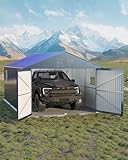
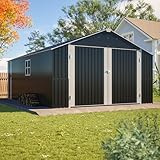
So, you’re dreaming of a spacious 12×20 shed? Maybe for a workshop, a home office, or just extra storage. One of the first questions on your mind is probably: how much is a 12×20 shed going to cost you? We get it! It’s a significant investment, and you want to be prepared.
The price of a 12×20 shed can vary dramatically. It’s influenced by a whole host of factors, from the materials used to the features included and even your local labor costs. This guide will break down all the elements that affect the price, giving you a clear understanding of what to expect and how to budget effectively. We’ll cover everything from pre-built sheds to DIY kits, and custom builds.
We’ll also explore the common features and options available, so you can make informed decisions and create the perfect shed to meet your needs and budget. Let’s get started!
Understanding the Basics: What a 12×20 Shed Offers
A 12×20 shed provides a generous 240 square feet of usable space. This size is popular because it strikes a good balance between providing ample room and remaining manageable in terms of cost and required property space. It’s often large enough to accommodate various purposes, from storing lawn equipment and gardening tools to functioning as a dedicated workshop or even a small home office. Think of the possibilities!
This size provides flexibility. You can easily store larger items like riding lawnmowers, ATVs, or furniture. You can set up workbenches, create a potting area, or establish a comfortable workspace. The versatility makes a 12×20 shed a smart investment for many homeowners.
Common Uses for a 12×20 Shed
- Storage: Ideal for storing seasonal items, tools, equipment, and other belongings, freeing up space in your garage or home.
- Workshop: Provides a dedicated space for woodworking, metalworking, or other hobbies.
- Home Office: Offers a quiet and separate workspace, perfect for remote work.
- Studio: Suitable for artists, musicians, or anyone needing a creative space.
- Garage Alternative: Can house vehicles, especially motorcycles or smaller cars, or provide additional covered parking.
Factors Influencing the Cost
Several factors contribute to the final price tag of your 12×20 shed. Understanding these elements is crucial for accurate budgeting and making informed decisions. Let’s break them down:
- Materials: The most significant cost driver. Wood, metal, and vinyl each have different price points.
- Construction Type: Pre-built, DIY kit, or custom-built. Each option involves different labor costs.
- Features: Windows, doors, insulation, roofing style, and other add-ons significantly affect the price.
- Location: Labor costs and material prices vary by region.
- Permits: Local building codes and permit requirements can add to the overall cost.
Material Matters: Cost Breakdown by Material Type
The material you choose for your 12×20 shed has the most significant impact on its cost. Each material offers a different balance of price, durability, and maintenance requirements. Let’s explore the common options:
Wood Sheds
Pros: Classic appearance, customizable, can be stained or painted, relatively easy to modify.
Cons: Requires regular maintenance (painting, staining), susceptible to rot, insect damage, and warping, higher initial cost than some alternatives.
Wood sheds offer a traditional aesthetic and are highly customizable. You can choose from various wood types, each with its characteristics and price points. However, wood requires ongoing maintenance to protect it from the elements. This includes regular painting or staining to prevent rot and insect infestation. The initial cost is generally higher than for metal or vinyl sheds.
Estimated Cost: $4,000 – $15,000+ (depending on wood type, features, and construction)
Metal Sheds
Pros: Low maintenance, durable, resistant to insects and rot, often more affordable than wood, fire-resistant.
Cons: Can be prone to rust (if not properly treated), can dent, limited customization options, may require insulation for temperature control.
Metal sheds are a popular choice due to their durability and low maintenance requirements. They are typically made from steel or aluminum, and are resistant to rot and insect damage. They are also generally more affordable than wood sheds. However, metal sheds can be susceptible to rust if not properly treated, and they offer limited customization options. Insulation may be necessary for temperature control.
Estimated Cost: $2,500 – $8,000+ (depending on gauge, features, and construction)
Vinyl Sheds
Pros: Low maintenance, weather-resistant, durable, won’t rot or attract insects, available in various colors and styles.
Cons: Can be more expensive than metal, may crack in extreme cold, limited customization options.
Vinyl sheds offer the lowest maintenance requirements of all three material types. They are highly resistant to weather, rot, and insects. They’re available in various colors and styles, allowing you to match your shed to your home’s aesthetic. However, vinyl sheds can be more expensive than metal sheds, and may crack in extreme cold temperatures. Customization options are often limited.
Estimated Cost: $3,000 – $10,000+ (depending on features and construction)
Material Comparison Table
To summarize, here’s a quick comparison of the materials:
| Material | Pros | Cons | Estimated Cost Range |
|---|---|---|---|
| Wood | Classic appearance, customizable | Requires maintenance, susceptible to rot | $4,000 – $15,000+ |
| Metal | Low maintenance, durable, affordable | Can rust, limited customization | $2,500 – $8,000+ |
| Vinyl | Low maintenance, weather-resistant | Can be expensive, limited customization | $3,000 – $10,000+ |
Construction Types: Pre-Built, Diy Kit, or Custom?
The way your shed is constructed significantly impacts the final cost and the amount of work involved. You have three main options:
Pre-Built Sheds
Pros: Quick and convenient, no assembly required, often professionally installed.
Cons: Limited customization options, may be more expensive than DIY kits, transportation costs. (See Also: How to Install Roof Trusses on a Shed: A Step-by-Step Guide)
Pre-built sheds are the most convenient option. They are delivered fully assembled and typically installed by professionals. This eliminates the need for any assembly work on your part. However, pre-built sheds often offer limited customization options, and the convenience comes at a higher price point compared to DIY kits.
Cost Factor: Expect to pay a premium for the convenience of a pre-built shed, with costs often including delivery and installation.
Diy Shed Kits
Pros: More affordable than pre-built sheds, offers some customization, allows for hands-on involvement.
Cons: Requires assembly time and skills, may require additional tools, potential for errors.
DIY shed kits are a popular middle-ground option. They come with all the necessary materials and instructions for assembly. This option is generally more affordable than pre-built sheds, and offers some level of customization. However, it requires time, effort, and some level of building skills. You’ll also need to have the necessary tools.
Cost Factor: The cost savings come from providing your own labor. Factor in the cost of any tools you may need to purchase or rent.
Custom-Built Sheds
Pros: Complete customization, built to your exact specifications, high-quality materials and construction.
Cons: Most expensive option, requires more planning, longer lead times.
Custom-built sheds offer the ultimate flexibility. You can design your shed to your exact specifications, including materials, features, and layout. This ensures that the shed perfectly meets your needs and complements your property. However, custom-built sheds are the most expensive option, requiring more planning and longer lead times.
Cost Factor: The cost will depend heavily on your design choices and the labor rates of the contractor. Get multiple quotes.
Construction Type Comparison Table
Here’s a quick comparison of the construction types:
| Construction Type | Pros | Cons | Cost |
|---|---|---|---|
| Pre-Built | Convenient, no assembly | Limited customization, more expensive | Highest |
| DIY Kit | More affordable, some customization | Requires assembly, potential for errors | Mid-range |
| Custom-Built | Complete customization, high quality | Most expensive, longer lead times | Highest |
Features and Options: Customizing Your Shed
Beyond the basic structure, various features and options can enhance the functionality and aesthetics of your 12×20 shed. These add-ons will affect the overall cost, so consider your needs and budget carefully.
Doors
Single Door: Standard option, suitable for general storage.
Double Doors: Allow for easier access for large items like lawnmowers or ATVs.
Sliding Doors: Space-saving option, good for workshops or areas with limited space.
Consider the size and style of doors that best suit your intended use. Double doors are essential if you plan to store large equipment.
Windows
Benefits: Provide natural light, improve ventilation, enhance the shed’s appearance.
Types: Standard windows, windows with screens, windows with shutters.
Windows are important for providing natural light and ventilation. Consider the placement and size of windows to optimize these benefits. Screens and shutters can add extra functionality and style.
Roofing
Types: Gable roof, shed roof, gambrel roof.
Materials: Asphalt shingles, metal roofing, wood shakes.
The roof style and material impact the shed’s appearance and durability. Choose a style that complements your home and a material that suits your local climate. (See Also: How to Frame a Shed Dormer: A Step-by-Step Guide for Diyers)
Flooring
Options: Wood flooring (plywood, OSB), concrete slab.
Considerations: Durability, moisture resistance, ease of cleaning.
The flooring you choose will affect the shed’s usability and longevity. Wood flooring is common, but a concrete slab is more durable and resistant to moisture.
Insulation
Benefits: Regulates temperature, reduces energy costs, extends the shed’s usability.
Types: Fiberglass insulation, spray foam insulation.
Insulation is crucial if you plan to use the shed as a workshop or office. It helps regulate the temperature and reduces energy costs. Consider the climate in your area when choosing insulation.
Electrical Wiring
Benefits: Powers tools, lights, outlets.
Considerations: Hiring a licensed electrician, local building codes.
If you plan to use the shed for any activity that requires electricity, you’ll need to have it wired. This requires a licensed electrician and adherence to local building codes.
Other Features
- Lofts: Provide additional storage space.
- Shelving: Organize tools and equipment.
- Workbenches: Create a dedicated workspace.
- Ramps: Facilitate access for equipment.
Location, Location, Location: Regional Cost Variations
The cost of your 12×20 shed can vary significantly depending on your location. Labor costs, material prices, and local regulations all play a role.
Labor Costs
Labor rates vary by region. Areas with higher costs of living typically have higher labor rates. If you’re hiring a contractor to build or install your shed, factor in these regional differences.
Material Prices
The cost of materials can also vary based on location. Transportation costs and local availability can influence the price of lumber, metal, and other materials.
Permits and Regulations
Building codes and permit requirements vary by municipality. Obtaining permits can add to the overall cost and may require inspections.
Tip: Get quotes from local contractors and suppliers to get an accurate estimate of costs in your area.
Permits and Regulations: What You Need to Know
Before you start building your 12×20 shed, it’s essential to understand the local building codes and permit requirements. Failure to comply can result in fines and delays.
Research Local Regulations
Contact your local building department or zoning office to inquire about the specific regulations for shed construction in your area. This will vary by city, county, and even homeowners association (HOA) rules.
Permit Requirements
Most jurisdictions require permits for structures of a certain size. The permit process typically involves submitting plans, paying fees, and undergoing inspections.
Zoning Restrictions
Zoning regulations may restrict the location, size, and use of sheds. You’ll need to ensure your shed complies with these restrictions.
Tip: Plan ahead and factor in the time and cost associated with obtaining the necessary permits. This will prevent any unexpected surprises during the building process.
Budgeting and Saving Money
Building a 12×20 shed is a significant investment. Here are some tips to help you stay within your budget and potentially save money:
- Set a Realistic Budget: Research the costs of materials, labor, and permits in your area.
- Compare Prices: Get quotes from multiple suppliers and contractors.
- Consider DIY Options: If you have the skills, building the shed yourself can save money.
- Choose Affordable Materials: Opt for less expensive materials like metal or vinyl if budget is a concern.
- Prioritize Features: Decide which features are essential and which are optional.
- Look for Sales and Discounts: Keep an eye out for seasonal sales and discounts on materials.
- Phased Construction: If your budget is tight, consider building the shed in phases.
- Get Financing: Explore financing options if you need help covering the costs.
Frequently Asked Questions (faq)
Here are answers to some of the most common questions about 12×20 sheds:
Q: How much does a 12×20 shed cost? (See Also: How to Build Rafters for a 12×12 Shed: A Complete Guide)
A: The cost can range from $2,500 to over $15,000, depending on the material, features, and construction type.
Q: What is the best material for a 12×20 shed?
A: The best material depends on your needs and budget. Wood offers a classic look, metal is low-maintenance, and vinyl is weather-resistant.
Q: Do I need a permit to build a 12×20 shed?
A: Most likely, yes. Check with your local building department for specific requirements.
Q: How long does it take to build a 12×20 shed?
A: The construction time varies depending on the construction type. Pre-built sheds can be installed in a day, while DIY kits and custom builds take longer.
Q: Can I build a 12×20 shed myself?
A: Yes, you can. DIY kits are available for those with some building experience.
Q: What size shed do I need?
A: Consider the items you plan to store and the activities you plan to do in the shed. A 12×20 shed offers 240 square feet of space, which is suitable for many purposes.
Q: How do I prepare the site for a 12×20 shed?
A: The site should be level and well-drained. You may need to build a foundation, such as a concrete slab or gravel base.
Q: What are the best ways to protect my shed from the elements?
A: Choose weather-resistant materials, ensure proper drainage, and apply protective coatings (such as paint or stain for wood sheds).
Q: What is the lifespan of a 12×20 shed?
A: The lifespan depends on the material and maintenance. Properly maintained sheds can last for decades.
Final Verdict
The cost of a 12×20 shed is a complex equation, influenced by materials, construction type, and added features, among other factors. You can find a shed to fit most budgets, from basic metal sheds to custom-built wooden workshops. Careful planning, research, and comparison shopping are key to getting the best value for your money. Remember to factor in all costs, including permits and potential installation fees.
By understanding the various factors and making informed choices, you can create a functional and attractive 12×20 shed that meets your specific needs and enhances your property. Take your time, plan thoroughly, and enjoy the process of creating your perfect outdoor space! Good luck!
Recommended Products