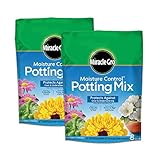
So, you’re wondering, how much is 8qt of soil? It’s a common question for gardeners, whether you’re starting seeds, potting a houseplant, or filling a small container. The answer, surprisingly, isn’t always straightforward. It depends on several factors, including the type of soil, how it’s packaged, and even how compacted it is. We’re here to break it all down for you, making sure you get the right amount of soil for your gardening needs.
We’ll delve into the practical side of measuring and using 8 quarts of soil, covering everything from volume conversions to the best soil types for various plants. Plus, we’ll address common questions and concerns, so you can confidently tackle your next gardening project. Let’s get started!
Understanding Soil Volume: Quarts and Beyond
Before we dive into the specifics of 8 quarts, let’s establish a foundation. Understanding soil volume is crucial for successful gardening. Soil is often measured in volume, as its composition and density can vary greatly. Knowing how much soil you need helps you avoid waste and ensures your plants have the space and nutrients they require.
What Is a Quart?
A quart (qt) is a unit of volume, commonly used in the United States. It’s equivalent to a quarter of a gallon. In the context of soil, quarts are often used for smaller projects or for buying pre-packaged soil mixes. Think of it like a large measuring cup specifically for soil.
A quart is also a convenient way to visualize soil amounts. For example, a single quart might be enough to fill a small pot for a herb plant, while eight quarts could fill several pots or a small container garden. You can easily find quarts of soil at your local garden center or online.
Other Common Soil Volume Measurements
While quarts are useful, you’ll also encounter other volume measurements when dealing with soil:
- Gallon (gal): One gallon is equal to four quarts. This is a common size for potting mixes and soil amendments.
- Cubic Foot (cu ft): This is a larger unit, often used for bulk purchases of soil. One cubic foot is equivalent to approximately 7.5 gallons.
- Cubic Yard (cu yd): A cubic yard is a massive amount of soil, equal to 27 cubic feet. You’ll typically buy this amount for larger landscaping projects.
- Liter (L): The metric equivalent of a quart is a liter. One liter is slightly more than a quart (approximately 1.05 quarts).
Understanding these different measurements allows you to compare soil quantities and make informed decisions based on your project needs. For instance, if you’re looking at a bag of soil and it’s measured in cubic feet, you can quickly estimate how many quarts you are getting.
Why Volume Matters for Soil
Why is volume so important when working with soil? The answer lies in the relationship between soil and plant health:
- Root Development: Plants need enough space for their roots to grow and spread. Insufficient soil volume can restrict root growth, leading to stunted plants and poor nutrient uptake.
- Water Retention: Different soil types have varying water-holding capacities. The right volume of soil ensures adequate moisture for plant roots.
- Aeration: Soil needs air pockets for roots to breathe. Proper soil volume allows for good aeration, preventing root rot.
- Nutrient Availability: The soil volume affects the amount of nutrients available to the plant. A sufficient volume of soil can store and release nutrients over time.
By considering the volume of soil, you’re essentially providing the best possible environment for your plants to thrive. Getting this right is crucial for a successful garden.
How Much Soil Is 8 Quarts? Practical Applications
Now, let’s get down to the practicalities of 8 quarts of soil. What does this volume look like in real-world scenarios? (See Also: How Deep Is Soil? Unearthing the Secrets of Earth’s Surface)
Visualizing 8 Quarts
Imagine a typical kitchen mixing bowl. Eight quarts would fill approximately two of these bowls. Alternatively, it’s the same as two gallons. You can also think of it as eight standard quart-sized milk cartons filled with soil.
This visualization is useful for estimating how much soil you need for various projects. If you have a container, you can roughly estimate its volume and compare it to the 8-quart measurement to see if it’s enough.
Uses for 8 Quarts of Soil
Eight quarts of soil is a versatile amount, suitable for a range of gardening tasks:
- Potting Small Plants: You can comfortably pot several small houseplants, such as succulents, herbs, or small flowering plants.
- Starting Seeds: 8 quarts is enough to fill a seed starting tray or several individual pots for starting seeds indoors.
- Filling Small Containers: If you have a window box, a small container garden, or a few individual pots, 8 quarts can be a good starting point.
- Top Dressing: You can use 8 quarts to top-dress a few larger pots or garden beds, adding a fresh layer of nutrients.
- Mixing Soil Amendments: You can mix 8 quarts of soil with other ingredients, like compost, perlite, or vermiculite, to create a custom soil blend.
The key is to consider the size of your pots and the needs of your plants. For larger plants or multiple pots, you might need more soil.
Estimating Soil Needs for Specific Containers
To determine if 8 quarts is enough for your containers, follow these steps:
- Measure the Container: Measure the diameter and height of your container. For complex shapes, estimate the average dimensions.
- Calculate the Volume: Use a volume calculator (available online) to calculate the container’s volume. Make sure to use the same units (e.g., cubic inches, cubic centimeters).
- Convert to Quarts: Convert the container’s volume to quarts. There are online conversion tools to help with this.
- Compare: Compare the container’s volume to 8 quarts. If the container’s volume is less than or equal to 8 quarts, you have enough soil. If it’s more, you’ll need to purchase more.
For example, if you have a pot that holds 6 quarts, 8 quarts of soil will be more than enough to fill it. If the pot holds 10 quarts, you’ll need to buy more.
Choosing the Right Soil Type
The type of soil you choose is as important as the quantity. Different plants have different soil requirements. Knowing the soil types available helps you make the best choice for your plants.
Types of Soil
Here are some common types of soil you’ll encounter:
- Potting Mix: This is a soilless mix, often made of peat moss, perlite, and vermiculite. It’s lightweight, well-draining, and ideal for container gardening.
- Garden Soil: This is a blend of soil, compost, and other organic matter. It’s suitable for in-ground gardens and raised beds.
- Seed Starting Mix: This is a fine-textured, sterile mix designed specifically for starting seeds.
- Cactus and Succulent Mix: This mix has excellent drainage, crucial for plants that prefer dry conditions.
- Soil Amendments: These are materials added to soil to improve its structure, drainage, and nutrient content. Examples include compost, peat moss, and perlite.
Soil Considerations for Different Plants
The specific soil you choose will depend on the plants you are growing. Here’s a brief guide: (See Also: What Is Deforestation and How Does It Affect Soil? A Detailed Guide)
- Vegetables: Use a garden soil or a potting mix enriched with compost.
- Flowers: Choose a potting mix or a garden soil, depending on the type of flower.
- Herbs: Most herbs thrive in well-draining soil. A potting mix with added perlite is often a good choice.
- Succulents and Cacti: Use a specialized cactus and succulent mix or a potting mix with excellent drainage.
- Houseplants: Select a potting mix that suits the specific needs of your indoor plants.
Always research the soil preferences of your plants before making a purchase. This will help ensure they get the nutrients and drainage they need to thrive.
Where to Buy 8 Quarts of Soil
Finding 8 quarts of soil is relatively easy. Here’s where you can typically purchase it:
- Local Garden Centers: Your local garden center is an excellent place to start. They often sell pre-packaged soil in various sizes, including quarts, gallons, and larger bags. You can also get expert advice from staff.
- Big Box Stores: Stores like Home Depot and Lowe’s carry a wide selection of soil types and sizes. They offer competitive prices and convenient locations.
- Online Retailers: Amazon and other online retailers offer a vast selection of soil products. You can compare prices, read reviews, and have the soil delivered directly to your door.
- Nurseries: Nurseries specializing in plants often sell soil tailored to specific plant types.
When purchasing soil, consider the following:
- Price: Compare prices from different retailers to find the best deal.
- Soil Type: Choose the soil type that best suits your plants.
- Brand: Some brands are known for high-quality soil. Read reviews to learn about different brands.
- Packaging: Check the packaging for any damage or tears.
- Delivery: If purchasing online, consider shipping costs and delivery times.
By exploring these options, you can easily find the right soil for your gardening needs.
Common Questions About Soil Volume
Let’s address some frequently asked questions about soil volume and the use of 8 quarts:
How Many Plants Can I Pot with 8 Quarts of Soil?
The number of plants you can pot with 8 quarts depends on the size of the pots. For small pots (e.g., 4-inch pots), you might be able to pot several plants. For larger pots, 8 quarts might only be enough for one or two plants. It’s best to measure or estimate the volume of each pot to determine your needs.
Can I Mix My Own Soil Using 8 Quarts of Soil?
Yes, you can. You can use 8 quarts of soil as a base and mix it with other ingredients like compost, perlite, or vermiculite to create a custom soil blend. This allows you to tailor the soil to the specific needs of your plants. Be sure to research the proper ratios of each ingredient for the best results.
How Do I Store Leftover Soil?
If you have leftover soil, store it in a cool, dry place. Seal the bag or container tightly to prevent the soil from drying out or becoming contaminated. You can reuse the soil for future projects, but it’s a good idea to refresh it by adding compost or other amendments before using it again.
What If I Need More Than 8 Quarts of Soil?
If you need more than 8 quarts, consider purchasing larger bags of soil (e.g., gallons, cubic feet). You can also buy multiple smaller bags to reach your desired volume. Always estimate your soil needs before purchasing to avoid running out or having excessive amounts left over. (See Also: Unlock Thriving Gardens: How to Increase Soil Microbial Activity for Bountiful Harvests)
Can I Use Garden Soil for Indoor Plants?
While garden soil can be used for some indoor plants, it’s generally not the best choice. Garden soil can be dense and may not drain well in pots. It can also contain pests and diseases. Potting mix is usually the better option for indoor plants because it’s lightweight, well-draining, and sterile.
By understanding these common questions, you can make informed decisions about your soil purchases and gardening practices.
Tips for Successful Soil Use
Here are some additional tips to help you make the most of your soil:
- Amend Poor Soil: If your soil is compacted or lacks nutrients, amend it with compost, peat moss, or other organic matter. This improves drainage, aeration, and fertility.
- Consider Drainage: Ensure your containers have adequate drainage holes to prevent waterlogging.
- Water Correctly: Water your plants thoroughly but avoid overwatering. Let the soil dry out slightly between waterings.
- Fertilize Regularly: Use a balanced fertilizer to provide your plants with the nutrients they need to thrive. Follow the instructions on the fertilizer label.
- Check for Pests and Diseases: Regularly inspect your plants for signs of pests or diseases. Take action immediately if you notice any problems.
- Repot as Needed: As your plants grow, they may need to be repotted into larger containers with fresh soil.
By following these tips, you’ll be well on your way to a thriving garden.
Final Verdict
So, to recap, 8 quarts of soil is a versatile and manageable amount, perfect for small projects like potting herbs, starting seeds, or filling small containers. It’s crucial to consider the type of soil needed for your plants and to ensure proper drainage and aeration. Choosing the right soil volume is a key element of gardening success.
Remember to select the right soil type for your plants and consider the size of your containers. By understanding the volume of 8 quarts and how it applies to your gardening needs, you can set yourself up for thriving plants and a rewarding gardening experience.
Recommended Products