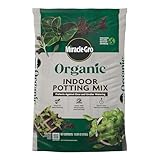
So, you’re gearing up for some serious gardening, huh? You’ve got your seeds, your pots, and that undeniable itch to get your hands dirty. But before you dive in, there’s a crucial question: how much is 16 quarts of potting soil? It’s a fundamental query, but the answer isn’t always straightforward. We’re here to help you navigate the world of soil volumes, bag sizes, and how to get the best bang for your buck.
We understand the frustration of running out of soil mid-project or, even worse, ending up with a mountain of leftovers. This guide will break down everything you need to know about 16 quarts of potting soil, from its equivalent in other units to how much it will cost you and what you can do with it. Let’s get started and make sure your plants have the perfect foundation to thrive!
Understanding Potting Soil Measurements
Before we get to the specifics of 16 quarts, let’s establish a solid understanding of how potting soil is measured. Knowing the different units of measurement will help you avoid confusion and make informed decisions when purchasing soil. You’ll encounter several units, each with its own advantages and common uses.
Quarts: The Foundation
The quart is a unit of volume, primarily used in the United States. It’s a relatively small unit, making it ideal for measuring smaller quantities of potting soil, like what you might need for a few small pots or seed starting trays. One quart is equivalent to one-fourth of a gallon. This makes it a convenient unit for smaller gardening projects.
Gallons: A Common Standard
The gallon is another standard unit of volume, and it’s frequently used when measuring potting soil. A gallon contains four quarts. You’ll often see potting soil sold in gallon increments, such as 8-quart bags (2 gallons) or larger.
Cubic Feet: For Larger Projects
Cubic feet (cu ft) is a larger unit of volume, often used for larger gardening projects like filling raised beds or large containers. One cubic foot is equivalent to approximately 7.5 gallons. When buying potting soil in bulk, you’ll often encounter cubic feet measurements.
Liters: The Metric System
In countries using the metric system, liters are the standard unit of volume. One liter is slightly more than a quart (approximately 1.06 quarts). You may find potting soil labeled in liters, especially if it’s imported.
Comparing the Units
To help you visualize the relationships between these units, here’s a quick comparison:
- 1 quart = 0.25 gallon
- 1 gallon = 4 quarts
- 1 cubic foot ≈ 7.5 gallons
- 1 liter ≈ 1.06 quarts
Understanding these conversions is crucial for accurately estimating the amount of potting soil you need for your gardening projects.
What Does 16 Quarts of Potting Soil Look Like?
Sixteen quarts of potting soil might sound like a lot, but it’s a manageable amount, especially for smaller gardening endeavors. To put it in perspective:
- Gallons: 16 quarts is equivalent to 4 gallons of potting soil.
- Containers: This amount is suitable for filling several medium-sized pots or a few larger ones. It’s a good starting point for a small herb garden, a few container flowers, or starting seedlings.
- Practical Applications: 16 quarts is often enough for a typical window box, a few hanging baskets, or several small to medium-sized containers on a patio or balcony.
Think of it as a reasonable amount for a focused project, not necessarily a massive undertaking. It’s perfect for the gardener with limited space or a specific planting goal.
How Much Does 16 Quarts of Potting Soil Cost?
The cost of 16 quarts of potting soil can vary depending on several factors, including the brand, the type of soil, and where you purchase it. Here’s a general overview: (See Also: How Long Does Soil Last in a Bag? Your Ultimate Guide)
Factors Affecting Price:
- Brand: Name-brand potting soils often cost more than generic brands.
- Type: Specialized potting mixes (e.g., for orchids, succulents, or organic blends) typically have higher prices.
- Retailer: Prices can vary between garden centers, home improvement stores (like Home Depot or Lowes), and online retailers (like Amazon).
- Location: Prices can fluctuate based on regional differences and local demand.
Price Ranges:
Generally, you can expect to pay anywhere from $5 to $20 for 16 quarts of potting soil. The cost can be lower for basic potting mixes and higher for premium or specialty blends. It’s always a good idea to compare prices from different retailers before making a purchase.
To give you a clearer idea, here’s a rough price breakdown based on different scenarios:
- Basic potting mix: $5 – $10
- Premium potting mix: $10 – $15
- Specialty mix (e.g., organic, for specific plants): $12 – $20+
Pro-tip: Buying larger bags of potting soil (e.g., cubic feet) can often be more cost-effective if you have a larger project or frequently garden. However, consider storage space and potential waste if you don’t use the soil promptly.
What Can You Do with 16 Quarts of Potting Soil?
Sixteen quarts of potting soil opens up a range of gardening possibilities, even if you’re working with limited space. Here are some ideas:
Container Gardening:
This is a perfect amount for container gardening. You could:
- Fill several small to medium-sized pots for herbs, vegetables, or flowers.
- Plant a few hanging baskets for a pop of color on your porch.
- Create a small succulent garden in decorative containers.
Seed Starting:
16 quarts is ample for starting seeds indoors. You can:
- Fill seed starting trays or small pots to give your seedlings a healthy start.
- Provide enough soil to transplant seedlings into slightly larger containers as they grow.
Small Raised Beds:
While 16 quarts won’t fill a large raised bed, it’s suitable for:
- Filling a small raised bed, especially if you have a shallower bed.
- Supplementing existing soil in a raised bed.
Other Creative Uses:
- Top Dressing: Use the soil to top-dress existing plants, adding nutrients and improving soil health.
- Soil Amendments: Mix the potting soil with other amendments, like compost or perlite, to improve soil drainage and fertility.
- Small Gifts: Create small container gardens as gifts for friends and family.
The versatility of 16 quarts of potting soil makes it a valuable resource for various gardening projects.
Types of Potting Soil: Choosing the Right Mix
Not all potting soils are created equal. Choosing the right type of soil is critical for the success of your plants. Here’s a breakdown of common potting soil types:
All-Purpose Potting Mix:
This is a versatile option suitable for most plants. It typically contains a blend of peat moss or coco coir, perlite, and sometimes vermiculite. It provides good drainage and aeration, making it a good choice for general use.
Specialty Potting Mixes:
These mixes are formulated for specific types of plants. Examples include: (See Also: Unlock Soil Health: Your Guide on How to Increase Carbon in Soil)
- Succulent and Cactus Mix: This mix has excellent drainage to prevent root rot. It usually contains coarse sand, perlite, and other materials to promote aeration.
- Orchid Mix: Orchid mixes are designed for optimal air circulation around orchid roots. They often contain bark chips, sphagnum moss, and other materials.
- African Violet Mix: This mix is formulated to meet the specific needs of African violets, with a balanced blend of nutrients and good drainage.
- Seed Starting Mix: This mix is finely textured and provides a gentle environment for delicate seedlings.
Organic Potting Mix:
Organic potting mixes are made with natural and sustainable ingredients. They often contain compost, worm castings, and other organic matter. They are a good choice if you prefer to avoid synthetic fertilizers and pesticides.
Choosing the Right Mix for Your Plants:
Consider the specific needs of the plants you intend to grow. Research the ideal soil type for your plants and choose a mix that meets those needs. If you’re unsure, an all-purpose potting mix is generally a safe bet for a variety of plants.
Buying Potting Soil: Tips for Smart Shopping
Buying potting soil is more than just grabbing a bag off the shelf. Here are some tips to help you make smart choices:
Read the Label:
Carefully examine the label on the potting soil bag. Look for information about:
- Ingredients: Identify the components of the mix (e.g., peat moss, perlite, vermiculite).
- pH Level: Check the pH level to ensure it is suitable for your plants.
- Fertilizers: Note the presence of any added fertilizers and their nutrient content.
- Instructions: Follow any specific instructions for using the soil.
Check the Quality:
Before purchasing, inspect the soil:
- Texture: The soil should be loose and well-draining, not compacted or muddy.
- Odor: The soil should have a fresh, earthy smell. Avoid soil with a foul odor, which may indicate decomposition or other problems.
- Moisture: The soil should be slightly moist, not completely dry or soaking wet.
Consider Your Needs:
Think about the volume of soil you need and the types of plants you plan to grow. Buy the appropriate size bag and choose a potting mix that suits your plants’ needs. Factor in storage space if you are buying in bulk.
Compare Prices:
Shop around and compare prices from different retailers. Consider the cost per quart or cubic foot to ensure you’re getting the best value. Look for sales and discounts.
Storage:
If you have leftover soil, store it properly to maintain its quality:
- Keep it dry: Store the soil in a dry place to prevent mold and mildew.
- Seal the bag: Close the bag tightly or transfer the soil to an airtight container.
- Elevate the bag: Store the bag off the ground to prevent moisture from seeping in.
By following these tips, you can ensure that you buy high-quality potting soil at a reasonable price, setting your plants up for success.
Frequently Asked Questions About Potting Soil
Here are answers to some commonly asked questions about potting soil:
What Is the Difference Between Potting Soil and Garden Soil?
Potting soil is specially formulated for container gardening. It is typically a soilless mix, meaning it doesn’t contain actual soil. It provides good drainage and aeration, which is essential for plants grown in containers. Garden soil, on the other hand, is designed for in-ground planting. It is often heavier and may not drain well in containers. (See Also: How Long Does It Take to Become a Soil Scientist? Your Career Roadmap)
Can I Reuse Potting Soil?
Yes, you can reuse potting soil, but it’s important to refresh it. Over time, potting soil can lose its nutrients and become compacted. To reuse it:
- Remove any old roots and debris.
- Amend the soil with compost, fertilizer, or other amendments.
- Mix the soil thoroughly before reusing it.
It’s generally a good idea to refresh potting soil every year or two.
How Do I Know If My Potting Soil Is Bad?
Signs of bad potting soil include:
- Foul Odor: Indicates decomposition or other issues.
- Compaction: The soil feels dense and doesn’t drain well.
- Mold or Mildew: Indicates a problem with moisture or storage.
- Presence of Pests: Indicates an infestation.
If you notice any of these signs, it’s best to replace the soil.
What Are the Best Brands of Potting Soil?
Several brands of potting soil are highly regarded. Some popular and well-reviewed brands include:
- Miracle-Gro: A widely available and well-known brand.
- Black Gold: Known for its high-quality organic options.
- Espoma: Offers a range of organic and natural potting mixes.
- FoxFarm: Offers a variety of specialized mixes for different plants.
The best brand for you will depend on your specific needs and preferences. Read reviews and compare options before making a decision.
How Do I Improve Drainage in My Potting Soil?
If your potting soil isn’t draining well, here are some things you can do:
- Add Perlite or Vermiculite: These materials improve aeration and drainage.
- Use the Right Pot: Ensure your pot has drainage holes.
- Water Properly: Avoid overwatering, which can lead to compaction and poor drainage.
- Amend the Soil: Add compost or other organic matter to improve soil structure.
Improving drainage is critical for preventing root rot and ensuring healthy plant growth.
Understanding these frequently asked questions will help you make informed decisions about potting soil and improve your gardening success.
Final Verdict
In short, 16 quarts of potting soil is a manageable quantity, perfect for smaller gardening projects like filling a few pots, starting seeds, or topping off existing containers. The cost varies, but expect to pay between $5 and $20 depending on the type and brand. Choosing the right soil type for your plants and storing it properly are key for healthy growth. Happy gardening!
Recommended Products