Are you wondering, how much does soil testing cost? You’re not alone! Many gardeners, farmers, and homeowners want to know the price before they start. Knowing the cost helps you budget, plan, and decide if it’s the right choice for your needs. Soil testing is a crucial step for healthy plants, vibrant gardens, and successful harvests. It provides valuable insights into your soil’s composition and what it needs to thrive.
We’ll break down the different types of soil tests, the factors that influence the price, and how to find the best deals. You’ll learn what to expect, how to interpret the results, and why this investment is worth it. Plus, we’ll discuss the benefits of soil testing and why it’s a smart move for anyone serious about growing.
What Is Soil Testing and Why Is It Important?
Soil testing is the process of analyzing a soil sample to determine its chemical composition, nutrient levels, pH, and other characteristics. This information helps you understand the health of your soil and make informed decisions about how to improve it. It’s like a health checkup for your garden or farm, revealing what’s working well and what needs attention.
Why is it important?
- Optimizes Plant Growth: Soil testing helps you provide the right nutrients in the right amounts, leading to healthier and more productive plants.
- Saves Money: By avoiding unnecessary fertilizer applications, you can save money and prevent environmental damage.
- Prevents Problems: Testing can identify potential problems like nutrient deficiencies, toxic levels, or poor pH, allowing you to address them before they harm your plants.
- Improves Sustainability: Soil testing promotes sustainable gardening and farming practices by reducing the use of chemicals and promoting efficient resource use.
- Enhances Crop Yields: For farmers, soil testing can lead to higher crop yields and improved profitability.
Types of Soil Tests
There are several types of soil tests, each providing different information about your soil. The cost of a soil test often depends on the type of test and the complexity of the analysis.
- Basic Soil Test: This is the most common and affordable type of test. It typically measures pH, major nutrients (nitrogen, phosphorus, and potassium or NPK), and sometimes organic matter content.
- Comprehensive Soil Test: This test provides a more detailed analysis, including micronutrients (such as iron, zinc, and manganese), salinity levels, and other soil properties.
- Specialty Soil Tests: These tests focus on specific aspects of the soil, such as lead contamination, nematode presence, or specific nutrient deficiencies.
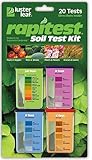
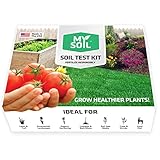
- Home Soil Test Kits: These are generally less expensive, but less accurate, and can be used for quick pH and nutrient checks.
Factors That Influence Soil Testing Cost
Several factors affect how much soil testing costs. Understanding these can help you choose the right test for your needs and budget.
- Type of Test: As mentioned earlier, the complexity of the test significantly impacts the price. Basic tests are cheaper than comprehensive or specialty tests.
- Laboratory: Different laboratories have different pricing structures. Some labs offer discounts for bulk testing or specific types of clients (e.g., farmers).
- Location: Prices can vary depending on your geographic location. The cost of labor, shipping, and other factors can influence the price.
- Turnaround Time: Faster turnaround times may come at a premium. If you need results quickly, you might have to pay extra.
- Number of Samples: Testing multiple soil samples can sometimes result in discounted rates per sample, especially for large-scale operations.
- Additional Services: Some labs offer additional services, such as fertilizer recommendations or expert consultations, which can increase the overall cost.
Cost Breakdown: How Much Does Soil Testing Cost?
Let’s look at the average costs you can expect for different types of soil tests:
| Type of Soil Test | Average Cost | What it Measures |
|---|---|---|
| Basic Soil Test | $10 – $40 | pH, NPK (nitrogen, phosphorus, potassium), organic matter |
| Comprehensive Soil Test | $40 – $100+ | pH, NPK, micronutrients, salinity, other soil properties |
| Specialty Soil Tests | $30 – $200+ | Lead, nematodes, specific nutrient deficiencies, etc. (varies greatly) |
| Home Soil Test Kits | $10 – $30 | pH, sometimes NPK (less accurate) |
Important Note: These are general estimates. Prices can fluctuate. Always check with specific laboratories for current pricing.
Where to Get Your Soil Tested
You have several options for getting your soil tested. The best choice depends on your needs and budget.
- Local Extension Offices: Your local agricultural extension office is an excellent resource. They often offer soil testing services at reasonable prices and can provide expert advice on interpreting results and making recommendations.
- Commercial Soil Testing Labs: Many commercial labs provide soil testing services. You can find them online by searching for “soil testing lab near me.”
- University Labs: Universities with agricultural programs often have soil testing labs that provide accurate and reliable results.
- Home Soil Test Kits: These are available at garden centers and online. They’re convenient but less accurate than professional tests.
How to Collect a Soil Sample
The accuracy of your soil test depends on how well you collect the sample. Follow these steps:
- Gather Your Tools: You’ll need a soil probe or trowel, a clean bucket, and a plastic bag or container.
- Determine Sampling Area: Decide which areas of your garden or field you want to test. If you have different soil types or areas with different management practices, take separate samples.
- Take Multiple Subsamples: Collect several subsamples from different locations within the area you’re testing. This provides a more representative sample. Aim for 5-10 subsamples per area.
- Depth of Sampling: The recommended sampling depth depends on the type of plants you’re growing. For lawns and gardens, 4-6 inches is usually sufficient. For crops, the depth might be deeper.
- Mix the Subsamples: Combine the subsamples in a clean bucket.
- Remove Debris: Remove any rocks, roots, or other debris from the mixed sample.
- Dry the Sample (If Necessary): Allow the soil sample to air dry, especially if it’s wet.
- Submit the Sample: Place a representative amount of the mixed soil (usually 1-2 cups) in a plastic bag or container and send it to the lab. Follow the lab’s instructions for submitting the sample.
- Provide Information: Include information about your location, the type of plants you’re growing, and any fertilizers or amendments you’ve used.
Interpreting Soil Test Results
Once you receive your soil test results, you’ll need to understand what they mean. The report will typically provide information on:
- pH: The soil’s acidity or alkalinity. Most plants prefer a pH between 6.0 and 7.0.
- Nutrient Levels: The amounts of nitrogen, phosphorus, potassium, and micronutrients in your soil.
- Organic Matter: The percentage of organic matter in your soil, which affects soil structure and fertility.
- Recommendations: The lab will usually provide recommendations on how to amend your soil to improve its health and fertility. This may include suggestions for fertilizers, lime, or other soil amendments.
Tips for understanding your results: (See Also: Dry Out Clay Soil Fast: Expert Guide to Quick Results & Healthy Gardens)
- Compare to Recommended Ranges: The soil test report will usually provide recommended ranges for each nutrient. Compare your results to these ranges to see if your soil is deficient, adequate, or excessive in any nutrient.
- Consult with an Expert: If you’re unsure how to interpret your results, consult with your local extension office or a soil expert.
- Consider Your Plants’ Needs: Different plants have different nutrient requirements. Consider the specific needs of the plants you’re growing when interpreting your results.
- Take Action: Based on your results, take action to improve your soil. This may involve adding fertilizers, lime, compost, or other soil amendments.
Benefits of Soil Testing for Different Applications
Soil testing is beneficial for a wide range of applications:
- Home Gardening: Improves plant health, reduces the need for unnecessary fertilizers, and helps you create a thriving garden.
- Commercial Agriculture: Optimizes crop yields, reduces fertilizer costs, and promotes sustainable farming practices.
- Landscaping: Ensures healthy lawns and ornamental plants, reducing the need for chemicals and improving the overall appearance of your landscape.
- Golf Courses: Maintains healthy turf, reduces the risk of disease, and improves the playability of the course.
- Construction: Helps determine the soil’s suitability for construction projects and identify potential problems.
Cost Saving Strategies for Soil Testing
Here’s how you can save money on soil testing:
- Use Your Local Extension Office: They often offer the most affordable testing services.
- Test Multiple Samples Simultaneously: Labs may offer discounts for multiple samples.
- Choose the Right Test: Don’t pay for tests you don’t need. A basic test may be sufficient for your needs.
- Compare Prices: Get quotes from multiple labs before choosing one.
- Consider Home Test Kits for Preliminary Checks: These can be a cost-effective way to get a general idea of your soil’s condition.
- Plan Ahead: Avoid rush fees by planning your testing well in advance of planting.
Common Questions About Soil Testing
Let’s address some frequently asked questions:
Q: How often should I test my soil?
A: It depends on your situation. For established gardens, testing every 2-3 years is usually sufficient. For new gardens or if you’re experiencing problems, testing annually may be necessary. Farmers often test annually or even more frequently, especially when using intensive farming practices.
Q: What time of year is best for soil testing?
A: The best time to test your soil is usually in the fall or spring before planting. This allows you time to amend your soil based on the results. However, you can test your soil at any time of year.
Q: Can I test my soil myself?
A: Yes, you can use home soil test kits. However, these kits are less accurate than professional lab tests. They’re useful for quick checks but shouldn’t replace a professional analysis, especially if you have significant problems.
Q: What should I do if my soil test results are poor?
A: Follow the recommendations provided by the lab. This may involve adding fertilizers, lime, compost, or other soil amendments. Consider consulting with your local extension office or a soil expert for personalized advice. (See Also: Soil Structure’s Impact: How Does Soil Structure Affect the Characteristics of Soil (brainly-Style))
Q: Are there environmental benefits to soil testing?
A: Absolutely! Soil testing helps reduce the overuse of fertilizers, which can lead to water pollution. It also promotes sustainable gardening and farming practices.
Q: Is soil testing worth the cost?
A: Yes, soil testing is a worthwhile investment. It can save you money on fertilizers, improve plant health, and help you achieve better results in your garden or farm. It also helps protect the environment.
Q: Where can I buy a soil test kit?
A: You can purchase soil test kits at most garden centers, home improvement stores, and online retailers like Amazon. However, remember the limitations discussed previously.
Q: How long does it take to get soil test results back?
A: The turnaround time varies depending on the lab and the type of test. Basic tests usually take 1-2 weeks. Comprehensive tests may take longer. Always ask the lab about their turnaround time before submitting your sample.
Q: What is the difference between NPK and other soil test results?
A: NPK (Nitrogen, Phosphorus, and Potassium) are the primary macronutrients essential for plant growth. A basic soil test focuses on these. Other test results may include micronutrients (like iron and zinc), pH, organic matter, and other soil properties that affect plant health and growth.
Q: Can soil testing help with plant diseases? (See Also: How Does Soil Become Contaminated? Causes, Effects & Solutions)
A: While soil testing doesn’t directly diagnose plant diseases, it can identify imbalances or deficiencies that make plants more susceptible to diseases. By correcting these imbalances, you can improve plant health and resistance.
Q: Does soil testing work for raised beds?
A: Yes, soil testing is just as important for raised beds. Test the soil in your raised beds regularly to ensure it has the necessary nutrients and proper pH. You can then amend the soil to optimize plant growth.
Q: Can I use a soil test for lawn care?
A: Absolutely! Soil testing is a great way to improve lawn health. It can reveal nutrient deficiencies, pH imbalances, and other issues that are affecting your lawn’s health. You can use this information to determine the best fertilizer and soil amendments for your lawn.
Q: Can I test my soil for heavy metals?
A: Yes, some soil tests include heavy metal analysis. This is particularly important if you suspect contamination from lead or other pollutants. This can be a specialty test, so be sure to specify your needs when you contact the lab.
- Tomato Soil Depth: How Deep Does Soil Need to Be for Tomato Plants? (ultimate Guide)
- How to Get Mold Out of Soil: A Gardener’s Guide to Healthy Plants
- Best Plant Glass Terrariums: Top Picks for Your Green Space
- Find the Perfect Upright Yew Plant for Your Garden
- Bell Pepper Plant for Sale: Best Seeds & Live Plants
Final Verdict
So, how much does soil testing cost? The price varies, but it’s an investment that pays off in healthier plants, improved yields, and reduced costs. By understanding the different types of tests, the factors that influence the price, and how to interpret your results, you can make informed decisions to improve your soil’s health. Soil testing is a powerful tool for any gardener or farmer.
Recommended Products