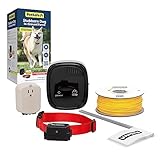
So, you’re thinking about getting an underground dog fence to keep your furry friend safe and sound? Excellent choice! These invisible barriers are a fantastic way to give your dog the freedom to roam while still staying within the boundaries of your property. But before you dive in, you’re probably wondering: how much does an underground dog fence cost?
The short answer? It depends. The price tag for an underground dog fence can vary quite a bit, influenced by factors like the size of your yard, the specific features you choose, and whether you opt for a DIY installation or professional help. We’ll break down all the costs involved, from the initial equipment purchase to ongoing maintenance, so you can make an informed decision and budget accordingly. Let’s get started!
Understanding the Basics: What Is an Underground Dog Fence?
Before we get into the nitty-gritty of the costs, let’s make sure we’re all on the same page about what an underground dog fence actually *is*. Think of it as an invisible barrier that uses radio signals to keep your dog within a designated area. Here’s how it works:
- Transmitter: This is the heart of the system. It’s usually a small box that you place indoors. The transmitter sends out a radio signal through a wire that you bury around the perimeter of your yard.
- Wire: This is the physical boundary of your fence. You bury the wire a few inches underground (hence the name!) along the edges of your property or wherever you want to contain your dog.
- Receiver Collar: Your dog wears a special collar that picks up the radio signal from the wire.
- Correction: When your dog approaches the boundary, the collar emits a warning tone. If your dog continues to move towards the boundary, the collar delivers a mild static correction. Don’t worry; it’s designed to be a deterrent, not to cause harm. The level of correction is usually adjustable.
Underground dog fences offer a great balance of freedom for your dog and peace of mind for you. They’re less visually intrusive than traditional fences, and they can be customized to fit any yard shape or size. Plus, they’re often a more affordable option.
Why Choose an Underground Dog Fence?
Why consider an underground dog fence over a regular fence? There are several compelling reasons:
- Aesthetics: They are invisible! They don’t block your view or change the look of your yard.
- Cost-Effective: Generally, they are cheaper than building a physical fence, especially for larger properties.
- Customization: You can create any shape or size of containment area, working around landscaping features or obstacles.
- Easy to Install: While professional installation is an option, many systems can be installed yourself, saving on labor costs.
- Discourages Digging and Climbing: Dogs can’t dig under or climb over an invisible fence, a common problem with traditional fences.
Common Questions About Underground Dog Fences
Before we dive into the costs, let’s address some frequently asked questions:
- Are underground dog fences safe? Yes, they are generally considered safe when used correctly. The static correction is mild and designed to be a deterrent. Proper training is crucial.
- Do underground dog fences work on all dogs? Most dogs respond well to training. However, some dogs may be more stubborn or sensitive than others.
- Can I use an underground dog fence with multiple dogs? Absolutely! You can purchase additional collars for each dog.
- What if my dog runs through the fence? If a dog runs through the boundary, they will receive a correction. They can return through the boundary, but they will receive a correction again. The key is training so they learn to respect the boundary.
- How long does the wire last? The wire is durable, but its lifespan can vary depending on soil conditions and installation quality. Expect it to last for several years, potentially even a decade or more.
Breaking Down the Costs: What to Expect
Okay, now for the main event: the costs. The price of an underground dog fence isn’t a single number. It’s a combination of different expenses, and it’s important to consider all of them when budgeting.
1. The Initial Investment: Equipment Costs
This is where the bulk of your upfront spending will be. The major components include:
- Transmitter: This is the central unit that broadcasts the signal. Prices typically range from $100 to $300, depending on the features. Higher-end models may offer advanced features like wire break indicators and multiple dog compatibility.
- Receiver Collar: This is the collar your dog wears. Expect to pay between $75 and $150 per collar. The price varies based on features like the number of correction levels, the type of battery, and the waterproof rating.
- Wire: The cost of the wire depends on the length you need. Prices are usually quoted per foot or per roll. A basic roll of 500 feet can cost $50-$100. Longer lengths or heavier-duty wire will cost more.
- Installation Tools (DIY): If you’re installing the fence yourself, you’ll need a few tools. You might already own some, but if not, factor in the cost of a wire burial tool (around $30-$100), wire connectors, and possibly a utility knife or wire strippers.
Estimated Total: For a basic system with one dog, expect to spend around $250-$600 initially, depending on the brand, features, and the length of wire required. Remember, this doesn’t include professional installation.
2. Professional Installation Costs
If you’re not comfortable with a DIY installation, professional installation is an excellent option. Professionals have the experience and equipment to install the fence correctly and efficiently. They can also advise on the best placement of the wire, ensuring your dog’s safety and the fence’s effectiveness. However, it will add to the overall cost. (See Also: Stop Squirrels on Your Fence! Simple & Effective Solutions)
Factors Affecting Installation Costs:
- Yard Size: Larger yards require more wire and labor, increasing the cost.
- Terrain: Uneven terrain, rocky soil, or areas with many obstacles can make installation more difficult and expensive.
- Complexity: Complex layouts, such as those with multiple zones or areas to exclude, will increase costs.
- Local Rates: Installation costs vary depending on your location and the installer’s rates.
Estimated Installation Costs: Installation costs typically range from $300 to $1,500 or more, depending on the factors mentioned above. It’s best to get quotes from multiple installers to compare prices and services.
3. Ongoing Costs: Maintenance and Upkeep
Once your fence is installed, you’ll have some ongoing costs to keep it running smoothly.
- Batteries: The receiver collar requires batteries. These usually last for a few weeks to a few months, depending on the battery type and usage. Expect to spend $10-$30 per year on batteries per collar.
- Wire Repairs: Over time, the wire may break or get damaged due to digging, landscaping, or weather. You’ll need to repair or replace the damaged sections. The cost of wire is relatively low, but the labor involved in locating and repairing breaks can add up.
- Collar Maintenance: Keep the collar clean and check it regularly for wear and tear. You may need to replace the collar eventually, but they are generally durable.
- Training: While not a direct cost of the fence, proper training is essential for the fence’s effectiveness. You may need to invest in training sessions or purchase training materials.
Estimated Annual Maintenance Costs: Expect to spend around $20-$100 per year, depending on battery usage, the need for wire repairs, and any training costs.
4. Optional Costs: Additional Features and Upgrades
You can add features to customize your underground dog fence system. These extras will increase the initial cost, but they can enhance the functionality and convenience of the system.
- Multiple Dog Collars: If you have more than one dog, you’ll need to purchase additional receiver collars.
- Additional Zones: Some systems allow you to create multiple zones, such as excluding specific areas like gardens or pools.
- GPS Tracking: Some advanced systems include GPS tracking, allowing you to monitor your dog’s location.
- Remote Controls: Some systems offer remote controls for training or temporary disabling of the fence.
The cost of these upgrades varies depending on the specific features. Additional collars will cost the same as the original. Additional zones can add a little to the transmitter cost. GPS tracking and remote controls can add significantly to the overall price.
Diy vs. Professional Installation: Which Is Right for You?
Choosing between DIY installation and professional installation is a critical decision. Here’s a breakdown to help you decide:
| Feature | DIY Installation | Professional Installation |
|---|---|---|
| Cost | Lower upfront cost | Higher upfront cost |
| Time Commitment | Requires time and effort to install | Saves you time and effort |
| Skill Level | Requires some basic DIY skills | No skill required |
| Warranty | May have a limited warranty on the equipment | May include a warranty on the installation and equipment |
| Customization | You control the layout and design | Professional can advise on the best layout |
| Potential Issues | Risk of improper installation, which can affect performance | Professional expertise ensures proper installation |
DIY Installation:
- Pros: Saves money, allows for customization.
- Cons: Requires time and effort, potential for errors, less likely to be covered by a warranty if the equipment has issues.
Professional Installation: (See Also: How to Remove a Chain Link Fence: A Step-by-Step Guide)
- Pros: Saves time and effort, ensures proper installation, can provide advice on the best layout, often comes with a warranty.
- Cons: Higher upfront cost.
Consider your comfort level with DIY projects, your available time, and your budget when making your decision.
Factors That Influence the Overall Cost
Several factors will impact the final cost of your underground dog fence. Recognizing these influences will help you anticipate the total expenditure:
- Yard Size and Shape: The larger your yard, the more wire you’ll need, increasing the cost. Complex shapes may require more wire and potentially more labor for installation.
- Dog Breed and Temperament: Some dogs are more determined to escape than others. You may need a more robust system with a higher correction level or specialized features for stubborn breeds.
- Terrain: Uneven ground, rocky soil, and the presence of obstacles such as tree roots can make installation more challenging, potentially increasing the cost.
- Brand and Features: Different brands offer varying features and quality levels. Higher-end systems with advanced features will naturally cost more.
- Local Availability: Pricing for equipment and installation can vary depending on your location and the availability of local installers.
- DIY Skill Level: If you’re confident in your DIY abilities, you can save money by installing the fence yourself.
Where to Buy an Underground Dog Fence
You can purchase underground dog fence systems from various retailers:
- Online Retailers: Amazon, Chewy, and other online stores offer a wide selection of systems at competitive prices. This is a convenient option, especially for DIY installations.
- Pet Stores: Local pet stores often carry underground dog fence systems and can provide advice and support.
- Specialty Fence Companies: These companies specialize in pet containment systems and may offer professional installation services.
- Hardware Stores: Some hardware stores, like Home Depot and Lowe’s, carry basic systems.
When shopping, compare prices, read reviews, and consider the warranty and customer support offered by each retailer.
Tips for Saving Money on Your Underground Dog Fence
Want to keep costs down? Here are some money-saving tips:
- DIY Installation: If you’re comfortable with it, installing the fence yourself can save you a significant amount of money.
- Shop Around: Compare prices from different retailers and installers.
- Look for Sales and Discounts: Keep an eye out for sales and promotions, especially during holidays.
- Consider a Basic System: If you don’t need all the bells and whistles, a basic system can be just as effective and less expensive.
- Buy in Bundles: Some retailers offer bundles that include the transmitter, collar, and wire at a discounted price.
- Properly Train Your Dog: Effective training is crucial for the fence’s success, and it can reduce the need for more expensive features or repairs.
Example Cost Scenarios
Let’s look at a few example cost scenarios to give you a clearer picture:
Scenario 1: Small Yard, DIY Installation
- System: Basic DIY kit with 500 feet of wire
- Cost: $300 (equipment) + $0 (installation) = $300
Scenario 2: Medium Yard, Professional Installation
- System: Mid-range system with 1000 feet of wire
- Cost: $500 (equipment) + $750 (installation) = $1250
Scenario 3: Large Yard, Multiple Dogs, Upgraded System (See Also: How to Fence a Farm: A Complete Guide to Protecting Your Land)
- System: High-end system with 2000 feet of wire, multiple collars, and advanced features
- Cost: $800 (equipment) + $1000 (installation) = $1800+
These scenarios are examples, and your actual costs may vary. However, they provide a general idea of the price range.
Avoiding Common Mistakes
To ensure a successful and cost-effective experience, avoid these common mistakes:
- Incorrect Wire Placement: Burying the wire too shallow or too deep can affect performance. Follow the manufacturer’s instructions.
- Poor Training: Without proper training, your dog may not understand the boundaries.
- Using the Wrong Collar: Choose a collar that fits your dog’s size and temperament.
- Ignoring Maintenance: Regularly check the system for damage and replace batteries as needed.
- Buying Too Little Wire: Measure your yard carefully to ensure you have enough wire.
By avoiding these mistakes, you can maximize the effectiveness of your underground dog fence and minimize potential costs.
Alternatives to Underground Dog Fences
While underground dog fences are a popular choice, they’re not the only option for containing your dog. Here are some alternatives:
- Traditional Fences: These offer a physical barrier but can be expensive to build and may not be aesthetically pleasing.
- Wireless Dog Fences: These use a radio signal to create a circular boundary, eliminating the need for burying wire. However, they may not be suitable for irregularly shaped yards.
- GPS Dog Fences: These fences use GPS technology to define the boundaries. They offer greater flexibility but can be more expensive and may have limitations in areas with poor GPS signal.
- Electric Fences: Primarily used for livestock, these fences deliver an electric shock. They are not recommended for pets, and using them is not recommended.
Consider the pros and cons of each option to determine the best solution for your needs.
Final Verdict
So, how much does an underground dog fence cost? As we’ve seen, it varies, but you can expect to spend anywhere from a few hundred to over a thousand dollars, depending on your needs. The key takeaway is to carefully consider your yard size, dog’s temperament, and your comfort level with DIY projects. By doing your research, comparing prices, and planning ahead, you can find a safe and affordable solution to keep your furry friend happy and secure.
Recommended Products