So, you’re thinking about welcoming a Dalmatian into your life? That’s fantastic! These spotted beauties are known for their playful personalities, striking appearance, and undeniable charm. But before you commit, there’s a crucial question to address: how much do Dalmatians shed?
The short answer? A fair bit. Dalmatians are moderate to heavy shedders, meaning you’ll need to be prepared for some dog hair around the house. This article will dive deep into everything you need to know about Dalmatian shedding, from the factors that influence it to practical tips on managing it. We’ll explore why they shed, how to minimize shedding, and what you can expect when living with these iconic dogs. Let’s get started!
Understanding Dalmatian Shedding: The Basics
Dalmatians, like all dog breeds, shed as part of their natural coat cycle. This process helps them regulate their body temperature and maintain healthy skin. The amount of shedding can vary, but generally, Dalmatians are considered moderate to heavy shedders. This means you’ll likely find their short, dense hairs on your furniture, clothing, and around your home.
Why do Dalmatians shed? Shedding is a normal physiological process. Old or damaged hairs are pushed out as new ones grow in. This continuous cycle helps maintain the health of their coat. Several factors can influence how much a Dalmatian sheds, including the time of year, their overall health, diet, and grooming routine.
The Dalmatian Coat: A Closer Look
Dalmatians have a short, dense coat. Unlike some other breeds with undercoats, Dalmatians have a single layer of fur. This coat is relatively easy to care for, but it still sheds consistently throughout the year. The hairs are short and fine, which can make them seem to get everywhere!
Fun Fact: While the Dalmatian’s spots are their most recognizable feature, the coat itself plays a vital role in protecting their skin from the sun and regulating their body temperature. The color and pattern of the spots don’t affect shedding.
Seasonal Shedding: When Does It Get Worse?
Like many breeds, Dalmatians tend to shed more heavily during certain times of the year, particularly during the spring and fall. This is often referred to as ‘blowing their coat.’ During these seasons, they shed their winter undercoat to prepare for warmer weather (spring) or grow a thicker coat for the colder months (fall). You’ll likely notice a significant increase in shedding during these periods.
Factors Influencing Shedding
Several factors can affect how much your Dalmatian sheds. Understanding these can help you manage the shedding more effectively. (See Also: Labrador Shedding: How Much Does a Labrador Shed? (and How to Manage It))
- Genetics: Some Dalmatians naturally shed more than others.
- Diet: A poor diet lacking essential nutrients can lead to excessive shedding.
- Health: Underlying health issues, such as allergies, skin infections, or hormonal imbalances, can increase shedding.
- Grooming: Regular grooming can help minimize shedding, but infrequent grooming can lead to more hair around your home.
- Environment: Climate can play a role. Dalmatians living in warmer climates might shed year-round.
- Age: Puppies and senior dogs may shed more than adult dogs.
Common Questions About Dalmatian Shedding (people Also Ask)
Let’s address some common questions people have about Dalmatian shedding:
1. Do Dalmatians Shed a Lot?
Yes, Dalmatians shed a moderate to heavy amount of hair. You should be prepared for regular grooming and cleaning to manage shedding.
2. How Often Should I Brush My Dalmatian to Reduce Shedding?
Brushing your Dalmatian several times a week, ideally every other day, is recommended to minimize shedding. During heavy shedding seasons, daily brushing might be necessary.
3. Are Dalmatians Hypoallergenic?
No, Dalmatians are not hypoallergenic. They shed, and their dander can trigger allergies in sensitive individuals. There is no such thing as a truly hypoallergenic dog, although some breeds shed less than others.
4. How Can I Control Dalmatian Shedding?
Regular brushing, a healthy diet, and addressing any underlying health issues are key to controlling Dalmatian shedding. Also, consider using a good quality vacuum cleaner designed for pet hair.
5. What Are the Best Brushes for Dalmatians?
A slicker brush, a deshedding tool, and a rubber brush are all excellent choices for grooming a Dalmatian.
Managing Dalmatian Shedding: Practical Tips
While you can’t eliminate shedding entirely, you can significantly reduce the amount of hair around your home and on your clothes. Here’s a comprehensive guide to managing Dalmatian shedding effectively: (See Also: How to Build a Boat Shed: A Step-by-Step Guide for Diy Enthusiasts)
1. Regular Grooming: The Cornerstone of Shedding Control
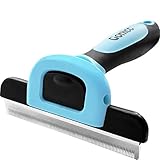
Brushing: This is the single most effective way to manage shedding. Brushing removes loose hair before it falls out, preventing it from ending up on your furniture and floors. Aim to brush your Dalmatian at least 3-4 times a week, and even daily during peak shedding seasons. Use a variety of brushes, such as a slicker brush, a deshedding tool (like a Furminator), and a rubber brush. The type of brush you choose will depend on your dog’s coat and your preference.
- Slicker Brush: Excellent for removing loose hair and tangles.
- Deshedding Tool: Designed specifically to remove the undercoat and reduce shedding.
- Rubber Brush: Great for massaging the skin and loosening hair, especially during baths.
Bathing: Bathing your Dalmatian can also help remove loose hair. However, avoid over-bathing, as this can dry out their skin and potentially worsen shedding. Bathe your dog every 1-3 months, or as needed, using a dog-specific shampoo and conditioner. Consider using a deshedding shampoo to help remove loose hair during bath time.
2. Diet and Nutrition: Fueling a Healthy Coat
A healthy diet is crucial for a healthy coat and can significantly impact shedding. Ensure your Dalmatian is getting a high-quality dog food that is appropriate for their age, size, and activity level. Look for food that contains:
- High-Quality Protein: Essential for building and maintaining a healthy coat.
- Essential Fatty Acids (Omega-3 and Omega-6): Promote healthy skin and a shiny coat.
- Vitamins and Minerals: Support overall health and coat condition.
Consider adding supplements to your dog’s diet if necessary, such as fish oil or a supplement containing omega fatty acids. Always consult with your veterinarian before adding any supplements to your dog’s diet.
3. Addressing Underlying Health Issues
Excessive shedding can sometimes be a sign of an underlying health problem. If you notice a sudden increase in shedding, or if your dog’s coat looks dull, patchy, or irritated, it’s essential to consult with your veterinarian. Potential health issues that can cause excessive shedding include:
- Allergies: Environmental allergies (pollen, dust mites) or food allergies can lead to skin irritation and excessive shedding.
- Skin Infections: Bacterial or fungal infections can cause hair loss and shedding.
- Parasites: Fleas, ticks, and mites can irritate the skin and lead to shedding.
- Hormonal Imbalances: Conditions like hypothyroidism can affect coat health.
- Nutritional Deficiencies: Lack of essential nutrients can lead to poor coat condition and increased shedding.
Your veterinarian can diagnose the underlying cause of the shedding and recommend appropriate treatment.
4. Cleaning Strategies: Minimizing Hair Around Your Home
Even with the best grooming practices, you’ll still need to clean up some dog hair. Here are some tips for minimizing hair around your home: (See Also: Pug Shedding: How Much Hair to Expect & How to Manage It!)
- Vacuum Regularly: Invest in a vacuum cleaner specifically designed for pet hair. Look for models with HEPA filters to trap allergens. Vacuum your floors, rugs, and furniture at least a few times a week, or more often during peak shedding seasons.
- Use Lint Rollers and Brushes: Keep lint rollers and pet hair removal brushes handy to remove hair from clothing, upholstery, and car seats.
- Cover Furniture: Consider covering your furniture with washable covers or throws to protect it from hair.
- Wash Bedding Frequently: Wash your dog’s bed, blankets, and your own bedding regularly to remove hair.
- Use Air Purifiers: Air purifiers with HEPA filters can help remove pet dander and hair from the air.
5. Other Helpful Tips
Here are a few additional tips to help manage Dalmatian shedding:
- Stay Hydrated: Make sure your dog has access to fresh water at all times. Hydration contributes to healthy skin.
- Consider a Humidifier: Dry air can exacerbate shedding. A humidifier can help keep the air moist, which can benefit your dog’s skin and coat.
- Consult with a Professional Groomer: A professional groomer can provide expert grooming services, including bathing, brushing, and deshedding treatments.
Deshedding Tools: A Closer Look
Several deshedding tools can significantly reduce shedding. Here’s a comparison of some popular options:
| Tool | Description | Benefits | Drawbacks |
|---|---|---|---|
| Slicker Brush | A brush with fine wires that bend outwards | Effective for removing loose hair, detangling, and stimulating the skin. | Can be harsh if used aggressively; may not reach the undercoat as well. |
| Deshedding Tool (Furminator) | A tool with a stainless steel edge designed to reach and remove the undercoat. | Highly effective at removing loose hair, reducing shedding significantly. | Can be expensive; requires careful use to avoid skin irritation. |
| Rubber Brush | A brush made of rubber with soft bristles. | Gentle, good for massaging the skin and loosening hair during baths. | Less effective at removing large amounts of loose hair. |
Choosing the right deshedding tool depends on your dog’s coat type and your preference. Experiment with different tools to find what works best for your Dalmatian.
Grooming Schedule: Creating a Routine
Establishing a regular grooming schedule is key to managing Dalmatian shedding. Here’s a sample schedule you can adapt:
| Frequency | Grooming Task |
|---|---|
| Daily (During Heavy Shedding) | Brush with a slicker brush or deshedding tool. Remove loose hair from furniture and clothing with a lint roller. |
| Every Other Day | Brush with a slicker brush or deshedding tool. |
| Weekly | Check for mats or tangles. Clean ears and trim nails. |
| Every 1-3 Months | Bathe with a dog-specific shampoo and conditioner. |
Remember that this is just a general guideline. Adjust the schedule based on your dog’s individual needs and the time of year.
Troubleshooting Shedding Problems
Even with the best efforts, you might encounter some shedding challenges. Here’s how to troubleshoot common problems:
- Excessive Shedding: If your dog is shedding excessively, even with regular grooming, consult your veterinarian to rule out underlying health issues.
- Skin Irritation: If your dog’s skin is red, itchy, or inflamed, they may have allergies or a skin infection. Consult your veterinarian.
- Dull Coat: A dull coat can indicate a nutritional deficiency or underlying health problem. Review your dog’s diet and consult with your veterinarian.
- Mats and Tangles: Brush your dog regularly to prevent mats and tangles. If you find mats, gently try to brush them out or consult with a professional groomer.
Final Verdict
Living with a Dalmatian means embracing a certain level of shedding. However, by understanding the factors that influence shedding and implementing a consistent grooming routine, you can effectively manage the amount of hair around your home. Regular brushing, a healthy diet, and addressing any underlying health issues are the keys to success. With a little effort, you can enjoy the companionship of your spotted friend without being overwhelmed by dog hair.
Recommended Products