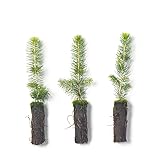
Dreaming of a real Christmas tree this year, perhaps one you’ve nurtured from its very beginning? The idea of growing your own Christmas tree from a tiny seedling is incredibly appealing. It offers a unique connection to the holiday tradition and a sense of accomplishment.
But before you start envisioning rows of fragrant firs in your backyard, the practical question arises: how much are Christmas tree seedlings? The cost can vary significantly, influenced by several factors that are important to understand before you embark on this rewarding journey.
This guide will help you navigate the world of Christmas tree seedlings, from understanding the initial investment to planning for the future growth of your festive flora. Let’s explore the pricing landscape and what you can expect when purchasing these little green beginnings.
The Cost of Christmas Tree Seedlings: A Comprehensive Breakdown
When you’re considering growing your own Christmas tree from scratch, the initial purchase of seedlings is just the beginning of your investment. Understanding the pricing factors will help you budget effectively and make informed decisions. Generally, the cost of Christmas tree seedlings can range from a few dollars to over twenty dollars per seedling, depending on a multitude of variables. These factors include the species of tree, the size and age of the seedling, the supplier, and whether you’re buying in bulk or individually.
Species Matters: Popular Christmas Tree Varieties and Their Seedling Costs
The type of Christmas tree you choose to grow will significantly impact the price of its seedlings. Different species have varying growth rates, market demand, and cultivation complexities, all of which influence their nursery price.
Firs: The King of Christmas Trees
Firs are arguably the most popular Christmas tree species, known for their symmetrical shape, excellent needle retention, and pleasant fragrance. Seedlings for these varieties tend to be on the higher end of the price spectrum due to their desirability and specific growing needs.
Balsam Fir (abies Balsamea)
Balsam fir seedlings are a common choice for their classic Christmas tree appearance and strong scent. Expect to pay anywhere from $5 to $15 per seedling for a young, healthy Balsam fir. Larger or more established seedlings can command prices upwards of $20.
Fraser Fir (abies Fraseri)
Often considered the ‘Cadillac’ of Christmas trees, Fraser firs are highly sought after. Their excellent needle retention and sturdy branches make them ideal for holding ornaments. Due to their popularity and slightly more challenging cultivation, Fraser fir seedlings can be pricier, often ranging from $7 to $18 per seedling. Specialty nurseries might charge even more for superior specimens.
Douglas Fir (pseudotsuga Menziesii)
While not a true fir, the Douglas fir is another incredibly popular Christmas tree. It boasts soft needles and a pleasing aroma. Douglas fir seedlings are generally more readily available and might be slightly more affordable than Fraser or Balsam firs, typically falling between $4 and $12 per seedling. This can vary based on the provenance of the seed and the nursery’s reputation.
Noble Fir (abies Procera)
Known for its stiff branches and beautiful blue-green foliage, the Noble fir is a premium choice. Noble fir seedlings often reflect this status, with prices ranging from $6 to $16 per seedling. They are a bit slower growing, which can contribute to their cost.
Spruces: The Traditional Choice
Spruces offer a more traditional and often more budget-friendly option for Christmas tree growers. They are known for their dense foliage and strong branches, though some varieties can be prickly.
Blue Spruce (picea Pungens)
The Colorado Blue Spruce is instantly recognizable for its striking silvery-blue needles and conical shape. Seedlings can range from $4 to $10. The vibrant color and excellent needle retention make them a popular choice, and prices can increase for seedlings with particularly intense blue hues. (See Also: How to Draw a Jungle Tree: Step-by-Step Guide for…)
White Spruce (picea Glauca)
White spruce seedlings are a more economical choice, often priced between $3 and $8. They are hardy and adapt well to various conditions, making them a good option for beginners. Their needles have a somewhat pungent odor when crushed, which some find characteristic of the holiday season.
Norway Spruce (picea Abies)
Norway spruce seedlings are also generally affordable, typically costing $3 to $9. They are fast-growing and have a classic Christmas tree shape, making them a practical and popular choice for those looking to grow their own tree without breaking the bank.
Pines: The Hardy and Fragrant Option
Pine trees offer a different aesthetic and aroma, often with longer needles and a more open branching structure. They are generally hardy and can be a more cost-effective choice.
Scotch Pine (pinus Sylvestris)
Scotch pine seedlings are a very common and relatively inexpensive option, often found for $3 to $7. They are known for their excellent needle retention and distinctive blue-green foliage. Their hardiness makes them a good choice for many climates.
White Pine (pinus Strobus)
Eastern white pine seedlings are characterized by their soft, long needles in bundles of five. They are typically priced between $4 and $9. White pines grow relatively quickly and have a more relaxed, less formal appearance than firs or spruces.
Virginia Pine (pinus Virginiana)
Virginia pine seedlings are often among the most affordable, ranging from $2 to $6. They are well-suited to poorer soils and are a hardy, fast-growing option, making them a practical choice for larger planting projects.
Seedling Size and Age: A Key Price Determinant
The cost of a Christmas tree seedling is directly related to its size and age. Nurseries offer seedlings in various stages of development, each with a different price point.
Bare-Root Seedlings
These are typically the least expensive option. Bare-root seedlings are young trees that have had most of their soil removed from the roots. They are usually 1-3 years old and range from 6 to 18 inches in height. They require careful handling and immediate planting to ensure survival. Prices can be as low as $1 to $5 per seedling, especially when purchased in bulk.
Transplants and Potted Seedlings
As seedlings grow larger and are established in pots or have more developed root systems, their price increases. These are often 2-4 years old and range from 1 to 3 feet in height.
- Small Transplants (1-2 feet): These are often in 1-3 gallon pots and can cost between $5 and $15. They offer a head start over bare-root options and are generally easier to handle.
- Larger Transplants (2-4 feet): More established trees, sometimes referred to as ‘whips’ or ‘saplings’, can be 3-5 years old and range from 2 to 4 feet in height. These are typically in 5-10 gallon pots and might cost $15 to $30 or more. These offer a significant head start if you’re looking to harvest a tree in fewer years, though they are a larger initial investment.
The age of the seedling is also a factor. Older, more mature seedlings will naturally be more expensive than very young ones, as more time and resources have gone into their cultivation.
Where to Buy Christmas Tree Seedlings: Supplier Influence on Price
The source from which you purchase your Christmas tree seedlings can also influence the price. Different types of suppliers cater to different needs and have varying cost structures. (See Also: How to Prune a Fig Tree for Winter: Your Essential Guide)
Local Nurseries and Garden Centers
These are excellent places to find healthy seedlings, often grown locally, which means they are acclimatized to your region. Prices at local nurseries can be moderate to high, reflecting the quality and service. You might find a wider selection of species suitable for your area. Expect prices similar to those mentioned for transplants, typically $5-$25 for smaller to medium-sized seedlings.
Online Retailers and Specialty Growers
Many online nurseries and specialized Christmas tree farms sell seedlings directly to consumers. Online retailers can sometimes offer competitive pricing, especially for bulk orders. However, shipping costs can add to the overall expense. Specialty growers might offer rarer varieties or exceptionally high-quality seedlings at a premium price.
Cooperative Extension Offices and Forestry Associations
Sometimes, local cooperative extension offices or state forestry associations offer seedlings for sale, particularly for conservation or reforestation purposes. These are often sold in bulk and can be very cost-effective, sometimes as low as $1-$3 per seedling, but require a minimum purchase quantity.
Wholesale Nurseries
If you are planning to plant a large number of trees, buying directly from wholesale nurseries can offer the lowest per-unit cost. However, wholesale nurseries typically have high minimum order requirements and are geared towards commercial growers, not individual consumers. Prices here can drop significantly, sometimes to under $1 per seedling for very large orders of bare-root stock.
Bulk Purchases vs. Individual Seedlings
A significant factor affecting the cost per seedling is the quantity you purchase. Buying in bulk can lead to substantial savings.
- Individual Seedlings: If you only plan to grow one or two trees, purchasing individual seedlings from a retail nursery will be the most straightforward approach. The per-seedling cost will be higher, but it suits small-scale needs.
- Bulk Orders: Many nurseries offer discounts for purchasing seedlings in quantities of 10, 25, 50, or more. For example, a seedling priced at $7 individually might drop to $4 or $5 per seedling when bought in a pack of 50. This is ideal for those who want to plant multiple trees, start a small Christmas tree farm, or have extras for future planting or gifts.
Additional Costs to Consider
The price of the seedling itself is only part of the equation. To successfully grow your Christmas tree, you’ll need to factor in other expenses:
- Soil and Amendments: Depending on your soil quality, you may need to purchase compost, fertilizer, or soil conditioners to ensure healthy growth.
- Tools: You might need a shovel, trowel, watering can, and possibly stakes or tree guards.
- Watering: Especially in the first few years, consistent watering is crucial. This involves your time and potentially increased water bills.
- Pest and Disease Control: While many seedlings are hardy, you might need to invest in organic pest control solutions if issues arise.
- Mulch: Applying mulch around the base of the seedlings helps retain moisture and suppress weeds, costing around $5-$15 per bag.
- Time and Labor: Growing a Christmas tree is a long-term commitment. The time spent planting, watering, weeding, and pruning is a significant, albeit unmonetized, cost.
Factors Affecting Seedling Survival and Long-Term Value
The initial cost of a seedling is an investment in a tree that could take 7-10 years to reach Christmas tree size. Therefore, seedling quality is paramount.
Root System Health
A seedling with a well-developed, healthy root system is more likely to establish quickly and thrive. Look for seedlings that are not root-bound and have fibrous, white roots.
Foliage Quality
Healthy seedlings will have vibrant green foliage (unless it’s a blue variety). Yellowing or sparse needles can indicate stress or disease.
Origin and Genetics
Seedlings grown from reputable sources, with known genetic origins, often perform better and are more resilient. Some nurseries specialize in trees known for superior needle retention or fragrance, which can command higher prices.
Climate Suitability
Purchasing seedlings that are native or well-suited to your specific climate is crucial for long-term success and reduces the need for extensive care. This is where local nurseries often have an advantage. (See Also: How to Use Tea Tree Oil for Folliculitis: Soothe…)
Estimating the Total Cost for a Future Christmas Tree
Let’s consider a hypothetical scenario for growing a single Christmas tree from a seedling.
Scenario: Growing a Fraser Fir
- Seedling Cost: If you purchase a healthy Fraser Fir seedling (1-2 feet tall) for $15.
- Initial Preparation: Soil amendments and mulch might cost another $10-$20.
- Tools: Assuming you have basic gardening tools, this cost is minimal.
- Watering: Minimal cost in the first year, assuming average rainfall.
- Long-term Care: Over 7-10 years, you might spend an additional $50-$100 on fertilizer, occasional pest control, and pruning tools.
The initial investment for a single seedling might seem modest, but the true cost is spread out over many years. However, the reward of a home-grown, perfectly shaped Christmas tree is immeasurable for many.
When Is the Best Time to Buy Seedlings?
The best time to purchase Christmas tree seedlings is typically during the dormant season, which is usually in late fall after the trees have shed their leaves (if deciduous) or in early spring before new growth begins. This allows the seedlings to establish their root systems in the soil before the stresses of summer heat or winter cold.
- Spring Planting: This is often the most popular time. The soil is moist, and temperatures are moderate, providing ideal conditions for root establishment.
- Fall Planting: This can also be an excellent time, especially in milder climates. The soil is still warm enough for roots to grow, and the cooler, wetter weather of winter provides ample moisture.
Purchasing during these periods ensures you are getting the healthiest stock and gives the seedlings the best chance of survival and vigorous growth.
Tips for Buying the Best Christmas Tree Seedlings
When you’re ready to make your purchase, keep these tips in mind to ensure you get the best value and healthiest seedlings:
- Inspect the Roots: If possible, check the root system. It should be firm, moist, and free of rot or damage. Avoid seedlings that are root-bound in their pots.
- Examine the Foliage: The needles should be green and firmly attached, with no signs of pests, disease, or significant browning (unless it’s a characteristic of the species).
- Consider the Source: Buy from reputable nurseries or growers who can provide information about the seedling’s origin and care.
- Match to Your Climate: Choose species known to thrive in your local growing zone.
- Ask Questions: Don’t hesitate to ask the nursery staff about the specific needs of the seedlings you are considering.
- Plan for the Future: Consider how much space you have and how large the tree will eventually become.
By understanding these various factors, you can confidently determine how much are Christmas tree seedlings and make an informed decision that leads to a beautiful, home-grown holiday tradition for years to come.
Conclusion
The cost of Christmas tree seedlings varies widely, typically ranging from $1 to $30 or more per seedling. Factors like tree species, size, age, and the supplier all play a significant role in pricing. While bare-root seedlings are the most economical, established transplants offer a head start at a higher cost. Purchasing in bulk can significantly reduce the per-seedling price, making it ideal for larger projects. Remember to factor in additional costs for soil, tools, and ongoing care. Ultimately, the investment in a Christmas tree seedling is a commitment to a long-term reward – the joy of a home-grown holiday centerpiece.
Recommended Products