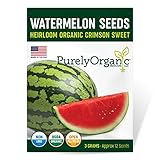
Are you dreaming of a bountiful watermelon harvest, picturing juicy Crimson Sweet melons piled high? Understanding the potential yield of your plants is crucial for successful gardening. Knowing how many watermelons per plant Crimson Sweet can produce allows you to plan your garden space, estimate your harvest, and ensure you have enough resources for optimal growth.
Crimson Sweet watermelons are a popular choice for home gardens due to their delicious flavor and relatively manageable size. However, factors like climate, soil quality, and care practices significantly influence the number of melons a plant will produce. This comprehensive guide will delve into these factors, providing you with the knowledge to maximize your Crimson Sweet watermelon yield and enjoy a sweet summer treat.
Understanding Crimson Sweet Watermelon
Crimson Sweet watermelons are a classic variety known for their bright red flesh, sweet taste, and striped green rind. They typically grow to be medium-sized, making them a good choice for home gardens. Understanding the characteristics of this variety is the first step toward successful cultivation and estimating how many watermelons per plant Crimson Sweet will yield.
Key Characteristics
Crimson Sweet melons are prized for their consistent sweetness and relatively few seeds. The rind is tough enough to withstand handling, making them ideal for shipping and storage. The flesh has a firm texture, making it a refreshing and flavorful treat. They are also relatively disease-resistant compared to some other watermelon varieties.
Growth Habits
Crimson Sweet watermelon plants are vigorous vines that spread across the ground. They require ample space to grow and thrive. Each plant typically produces several runners, which can extend several feet in length. Proper spacing and support, if needed, are crucial for maximizing fruit production and preventing overcrowding.
Factors Influencing Watermelon Yield
Several factors can affect how many watermelons per plant Crimson Sweet produces. These factors range from environmental conditions to gardening practices. Understanding these influences is key to optimizing your harvest. Addressing these factors will significantly impact the number and quality of melons you harvest.
Climate and Weather
Watermelons thrive in warm climates with long growing seasons. Consistent warm temperatures are essential for both germination and fruit development. Frost can kill watermelon plants, so it’s important to plant after the last expected frost date. A good indicator of readiness is when the soil temperature consistently reaches 70°F (21°C).
Adequate sunlight is also crucial. Watermelons need at least 6-8 hours of direct sunlight per day. Insufficient sunlight can lead to poor fruit set and reduced yields. Excessive rainfall or drought conditions can also negatively impact fruit production, so proper watering and drainage are essential.
Soil Quality and Preparation
The soil plays a critical role in watermelon production. Watermelons prefer well-drained soil that is rich in organic matter. Before planting, amend the soil with compost or well-rotted manure to improve its fertility and drainage. Perform a soil test to determine the pH level and nutrient content.
Watermelons thrive in slightly acidic soil with a pH between 6.0 and 6.8. If the soil pH is too high or too low, the plant’s ability to absorb nutrients is compromised. Adequate levels of essential nutrients, such as nitrogen, phosphorus, and potassium, are essential for healthy growth and fruit production.
Watering and Irrigation
Watermelons require consistent watering, especially during fruit development. Water deeply and regularly, providing about 1-2 inches of water per week. Avoid overhead watering, which can lead to fungal diseases. Drip irrigation or soaker hoses are excellent methods to deliver water directly to the roots.
During the fruit ripening stage, you may need to reduce watering to concentrate the sugars and prevent the fruit from cracking. Overwatering can lead to poor fruit quality and even fruit rot. Consistent moisture is key, but it’s important to find the right balance.
Fertilizing
Fertilizing watermelons helps provide the necessary nutrients for optimal growth and fruit production. Start with a balanced fertilizer at planting time. Apply a fertilizer high in phosphorus to encourage root development and fruit set. After the plants begin to vine, switch to a fertilizer higher in potassium to support fruit development.
Avoid over-fertilizing, which can lead to excessive foliage growth at the expense of fruit production. Follow the fertilizer instructions carefully. Side-dress the plants with compost or well-rotted manure throughout the growing season to maintain soil fertility. (See Also: Learn How to Plant Blackberries: A Simple Guide)
Pollination
Watermelons rely on pollination to produce fruit. Bees are the primary pollinators for watermelons. Attract bees to your garden by planting bee-friendly flowers nearby. If you notice a lack of bees, you can hand-pollinate the flowers using a small paintbrush.
Male and female flowers appear on the same plant. The female flowers have a small swelling at the base, which will develop into the watermelon fruit. Pollination is essential for fruit development, so ensure proper pollination is occurring.
Pest and Disease Management
Pests and diseases can significantly impact watermelon yields. Common pests include aphids, spider mites, and squash bugs. Diseases such as powdery mildew and downy mildew can also affect the plants. Regularly inspect your plants for signs of pests or diseases.
Employ appropriate pest control methods, such as insecticidal soap or neem oil, if necessary. Practice good garden hygiene, such as removing infected plant debris, to prevent the spread of diseases. Proper air circulation and adequate spacing between plants can also help to prevent disease.
Estimating Watermelon Yield Per Plant
While the exact number of watermelons per plant Crimson Sweet can vary, some general estimates can be provided. These estimates are based on ideal growing conditions and proper care. However, remember that actual yields can fluctuate based on the factors discussed above.
Average Yield Range
Under optimal conditions, a Crimson Sweet watermelon plant can produce 2-4 watermelons. Some plants might yield even more, while others might produce fewer, depending on the factors already mentioned. The size of the melons can vary, typically ranging from 15-25 pounds.
Yield will depend on the health of the plant. A healthy, well-cared-for plant will generally yield more fruit. Factors like the length of the growing season, climate, and pest and disease pressure will influence the overall yield.
Factors Affecting Specific Yield
Several factors can influence the specific number of watermelons a plant produces. The plant’s overall health is paramount. A plant affected by disease or pests will likely produce fewer melons. The availability of nutrients in the soil is also a crucial factor.
The amount of sunlight received can also impact the number of watermelons. A plant that receives less than the required amount of sunlight may produce fewer fruits. Proper pollination is also essential. Inadequate pollination can lead to fewer or no fruits at all.
Maximizing Your Crimson Sweet Watermelon Yield
To increase your chances of a plentiful harvest, consider the following practices. These tips will help you optimize your growing conditions and maximize your yield. They will help you get the most out of each Crimson Sweet watermelon plant.
Choosing the Right Location
Select a location that receives at least 6-8 hours of direct sunlight per day. Ensure the soil is well-drained and has been amended with compost or well-rotted manure. Avoid areas prone to waterlogging. Consider the space requirements of the watermelon vines and provide adequate room for them to spread.
Choose a spot that is sheltered from strong winds, as this can damage the vines and reduce fruit production. Adequate sunlight and protection from the elements are crucial for optimal growth. Consider the sunlight exposure throughout the day, as some locations may receive more sunlight than others.
Soil Preparation and Planting
Conduct a soil test to determine the pH level and nutrient content. Amend the soil with organic matter, such as compost, to improve fertility and drainage. Plant watermelon seeds or seedlings after the last expected frost date, when the soil temperature reaches 70°F (21°C). (See Also: How to Plant Cucumbers in a Garden: A Complete Guide)
Space the plants appropriately, typically 3-4 feet apart, to allow for adequate growth. Plant seeds about 1 inch deep. Water the seeds or seedlings thoroughly after planting. Proper soil preparation and planting techniques are fundamental to successful cultivation.
Watering and Fertilizing Strategies
Water deeply and regularly, especially during fruit development. Use drip irrigation or soaker hoses to deliver water directly to the roots and avoid wetting the foliage. Fertilize the plants with a balanced fertilizer at planting time, then switch to a fertilizer higher in potassium as the fruits develop.
Monitor the soil moisture and adjust watering frequency accordingly. Avoid overwatering, which can lead to fruit rot. Side-dress the plants with compost or well-rotted manure throughout the growing season to maintain soil fertility. Proper watering and fertilization are essential for maximizing yields.
Pollination and Pest Control
Encourage pollination by planting bee-friendly flowers nearby. If necessary, hand-pollinate the flowers using a small paintbrush. Regularly inspect your plants for signs of pests or diseases.
Employ appropriate pest control methods, such as insecticidal soap or neem oil, if needed. Practice good garden hygiene to prevent the spread of diseases. Prompt action in controlling pests and diseases can significantly impact the yield and overall health of the plants.
Harvesting Tips
Harvest watermelons when they are ripe. The best way to determine ripeness is to observe several key indicators. Look for a change in the ground spot color from white to creamy yellow. The tendril closest to the fruit stem will also dry out.
Another indicator of ripeness is the sound the melon makes when tapped. A ripe watermelon will sound hollow. Use a sharp knife or clippers to cut the watermelon from the vine, leaving a few inches of stem attached. Carefully handle the melons during harvesting to avoid bruising.
Common Problems and Solutions
Even with careful planning and execution, you might encounter challenges. Here are some common problems and solutions. Addressing these problems promptly can help you save your crop and maximize your yield. Learning to recognize and address these issues is a crucial step for any gardener.
Pests and Diseases
Aphids, spider mites, and squash bugs can infest watermelon plants. Control these pests with insecticidal soap or neem oil. Powdery mildew and downy mildew are common diseases. Improve air circulation and apply fungicide if necessary.
Regularly inspect your plants for signs of pests or diseases. Early detection is key to preventing infestations or outbreaks. Practice good garden hygiene to prevent the spread of diseases.
Fruit Cracking
Fruit cracking can occur due to inconsistent watering or nutrient imbalances. Maintain consistent soil moisture. Avoid drastic fluctuations in watering frequency. Ensure the plants receive adequate nutrients.
Proper watering and fertilization can help prevent this problem. Consider mulching around the plants to help retain moisture in the soil. Consistent care and attention to the plant’s needs can minimize the risk of fruit cracking.
Poor Fruit Set
Poor fruit set can be caused by inadequate pollination or adverse weather conditions. Ensure adequate pollination by attracting bees or hand-pollinating. Provide protection from extreme weather conditions. (See Also: Peach Tree Spacing: How Far Apart Do You Plant Peach Trees?)
Ensure that the plants are healthy and receiving adequate sunlight. Address any nutrient deficiencies. Proper care and attention can significantly improve fruit set and overall yield.
Frequently Asked Questions (faq)
Here are some frequently asked questions about growing Crimson Sweet watermelons. These address common concerns and provide additional insights into the cultivation process. These answers can help you troubleshoot common issues and improve your results.
Q: How much space do Crimson Sweet watermelon plants need?
A: Crimson Sweet watermelon plants need ample space to spread. Provide at least 3-4 feet between plants, and 6-8 feet between rows, depending on the available space. This allows for proper air circulation and reduces the risk of disease. The space allows the vines to spread and the fruits to develop without overcrowding.
Q: How long does it take for Crimson Sweet watermelons to mature?
A: Crimson Sweet watermelons typically take 75-90 days to mature from seed. The time to maturity can vary based on the climate. Warmer climates usually speed up the process. This time frame can vary depending on the growing conditions.
Q: How do I know when my Crimson Sweet watermelon is ripe?
A: Several signs indicate ripeness: the ground spot turns from white to creamy yellow, the tendril closest to the fruit stem dries out, and a hollow sound when tapped. These indicators will help you determine the optimal time to harvest for the best flavor. These indicators, combined, provide a reliable way to assess ripeness.
Q: Can I grow Crimson Sweet watermelons in containers?
A: While Crimson Sweet watermelons are best suited for in-ground gardens due to their spreading vines, they can be grown in large containers (at least 20 gallons) with proper support. Choose a compact variety if planting in a container. Ensure the container has adequate drainage. Container gardening requires more intensive care, including frequent watering and fertilization.
Q: What are the best companion plants for Crimson Sweet watermelons?
A: Companion plants can help to deter pests, attract pollinators, and improve soil health. Good companion plants for watermelons include basil, marigolds, nasturtiums, and radishes. These companions can create a beneficial environment for the watermelons. Consider the benefits of companion planting when planning your garden.
Conclusion
Understanding how many watermelons per plant Crimson Sweet will produce is essential for successful gardening. By considering factors like climate, soil, watering, and pest control, you can maximize your yield. With proper care and attention, you can expect a bountiful harvest of delicious Crimson Sweet watermelons. Remember to adapt your practices based on your specific growing conditions to ensure the best results. Enjoy the sweet taste of your home-grown watermelons!
Recommended Products