So, you’re curious about electric fences, and specifically, how many volts does an electric fence have? You’ve come to the right place! Electric fences are a common sight, used for everything from keeping livestock contained to protecting property from unwanted visitors. But the big question often swirling in people’s minds is, just how much ‘zap’ are we talking about?
The voltage of an electric fence is a critical factor, directly impacting its effectiveness. Too little, and it’s just a mild annoyance. Too much, and you’re potentially dealing with safety hazards. Understanding the voltage and the factors that influence it is key to using an electric fence safely and efficiently. We’ll delve into the specifics, breaking down the voltage ranges, the components that affect it, and the safety considerations you absolutely need to know.
Let’s get right to it: Electric fences typically operate within a range of several thousand volts. But the exact voltage varies. We’ll explore the details, including why this range exists and the different factors that influence it.
Understanding Electric Fence Voltage: The Basics
The voltage of an electric fence is measured in kilovolts (kV), which are thousands of volts. It’s the electrical potential difference that delivers the shock when an animal or person touches the fence. Think of voltage as the ‘pressure’ pushing the electricity through the fence and into the ground (and, unfortunately, into whatever is touching it!).
But why is voltage so important? The voltage determines the fence’s effectiveness. A higher voltage generally delivers a more effective deterrent. It’s the primary factor that determines the fence’s ability to discourage animals from breaching the fence line. However, it’s not the only factor. The energy delivered by the fence (measured in Joules) is also extremely important and is often a more accurate measure of the fence’s power. We’ll touch on energy later.
So, how many volts are we talking about? Most electric fences operate within a range of between 2,000 to 10,000 volts. Yes, that’s a wide range, and the actual voltage depends on several factors, including the power of the energizer (the ‘heart’ of the fence), the length of the fence, the type of animals you’re trying to contain, and the condition of the fence itself. A typical fence for livestock might be around 5,000 – 8,000 volts, while a fence for smaller animals or pets might be on the lower end of that spectrum. High-powered energizers can deliver up to 10,000 volts or even more, but these are generally reserved for large-scale operations or situations where maximum deterrence is needed.
What Is an Energizer and Why Does It Matter?
The energizer (also known as a fence charger) is the central component of an electric fence system. It’s the power source and the brain of the operation. It takes low-voltage electricity (usually from a battery, mains power, or solar panel) and transforms it into the high-voltage pulses that are sent along the fence wire. The energizer’s output voltage is a critical factor in determining the overall voltage of the fence.
Energizers come in various types and sizes, each designed for different applications. The size and power of the energizer are often related to the length of the fence and the type of animals being contained. For instance, a small energizer might be suitable for a small garden with a few chickens, while a much larger, more powerful energizer is required for a vast pasture with cattle. The energizer also determines the pulse rate (how often the fence delivers a shock) and the pulse duration (how long each shock lasts). These factors, along with voltage and energy, all contribute to the effectiveness of the fence.
Factors Influencing Electric Fence Voltage
Several factors can affect the voltage of an electric fence, influencing its performance. Here are some of the most important: (See Also: Invisible Fence Cost Per Foot: Your Ultimate Guide (2024))
- Energizer Power: The most significant factor. A more powerful energizer will, by design, generate a higher output voltage.
- Fence Length: Longer fences experience more voltage drop due to resistance in the wire and other components.
- Wire Type and Condition: The type of wire (e.g., steel, aluminum, polywire) and its condition (e.g., rust, corrosion) affect resistance and voltage drop.
- Insulation: Poor insulators (e.g., cracked insulators, vegetation touching the fence) can cause leakage, reducing voltage.
- Grounding: A properly grounded fence is crucial for effective operation. Poor grounding can significantly reduce voltage.
- Weather Conditions: Rain, snow, and humidity can affect the fence’s performance by increasing leakage.
Let’s dive deeper into some of these factors.
Wire Type and Its Impact on Voltage
The type of wire used for your electric fence plays a significant role in its voltage performance. Different wire types have different levels of resistance. Resistance is the opposition to the flow of electricity. Higher resistance leads to a greater voltage drop along the fence, meaning the voltage decreases as you move further from the energizer.
Here’s a breakdown of common fence wire types and their characteristics:
| Wire Type | Material | Resistance (Ohms/foot) | Advantages | Disadvantages |
|---|---|---|---|---|
| Steel Wire | Galvanized steel | Relatively high | Strong, durable, inexpensive | High resistance, prone to rust, significant voltage drop over long distances |
| Aluminum Wire | Aluminum | Very low | Excellent conductivity, low resistance, lightweight | Can corrode, less durable than steel, more expensive |
| Polywire | Plastic with embedded stainless steel wires | Varies (typically higher than metal wire) | Flexible, easy to handle, visible, safe | Higher resistance, lower conductivity, can stretch or break |
| Polytape/Polyrope | Plastic with embedded stainless steel wires | Varies (typically higher than metal wire) | Highly visible, flexible, safe | Higher resistance, lower conductivity, can be affected by wind |
As you can see, steel wire is the most common and affordable option, but it has the highest resistance, making it less efficient for long fences. Aluminum wire offers the best conductivity, leading to the least voltage drop. Polywire and polyrope are popular for their visibility and safety, but they typically have higher resistance, making them more suitable for shorter fences or for use with more powerful energizers.
Grounding: The Unsung Hero of Electric Fences
Proper grounding is absolutely essential for an electric fence to work effectively. The ground acts as the return path for the electricity. When an animal or person touches the fence, the electricity flows through them, into the ground, and back to the energizer through the grounding system. Without a good ground, the circuit is incomplete, and the fence will be ineffective.
A good grounding system typically consists of several ground rods (typically 6-8 feet long, made of galvanized steel or copper) driven deep into the ground. These rods should be spaced apart and connected to the energizer with a dedicated ground wire. The number of ground rods required depends on the size of the fence and the soil conditions. Poor soil conductivity (e.g., dry, sandy soil) may require more ground rods.
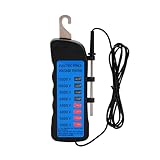
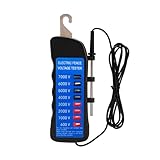
You should regularly test your grounding system to ensure it’s functioning correctly. You can do this with a fence tester. The tester will show you the voltage on the fence and the voltage drop across the ground system. If the voltage drop is too high, it indicates a problem with the grounding system, and you’ll need to improve it.
Safety Considerations: Working with High Voltages
Electric fences, by their very nature, involve high voltages, so safety is paramount. Here are some crucial safety considerations: (See Also: Stop the Digging! How to Keep Dogs From Digging Under Privacy Fence)
- Never touch a live electric fence. It can cause a painful and potentially dangerous shock.
- Test the fence regularly using a fence tester to ensure it’s working correctly and that the voltage is within acceptable limits.
- Inspect the fence regularly for damage, such as broken wires, cracked insulators, and vegetation touching the fence.
- Use warning signs to alert people to the presence of an electric fence.
- Keep the fence away from power lines and other electrical equipment.
- Use a fence energizer that is UL-listed or meets other relevant safety standards.
- Consider using a fence with a low-impedance energizer. These energizers are designed to deliver a more effective shock, even with vegetation or other leakage.
- Never work on a live electric fence. Always disconnect the energizer before making repairs.
- Supervise children and pets around electric fences.
- Be aware of local regulations regarding electric fences, as they may vary.
It’s important to remember that electric fences are designed to deliver a brief, sharp shock, not a continuous current. This ‘pulse’ is what makes them effective at deterring animals without causing lasting harm. Modern energizers are designed to deliver a safe, controlled shock, but it is always wise to take precautions and follow safety guidelines.
How to Measure Electric Fence Voltage
You can’t just stick a regular voltmeter on an electric fence and expect to get an accurate reading. Electric fences deliver pulsed voltage, not a steady current. You need a specialized electric fence tester designed to measure pulsed voltage.
Here’s how to use a fence tester:
- Turn off the energizer to ensure your safety.
- Connect the ground lead of the tester to a grounding rod or the ground terminal on the energizer.
- Attach the probe of the tester to the fence wire.
- Turn on the energizer.
- Read the voltage on the tester. The tester will display the voltage of the fence.
- Test the fence at multiple points along its length to check for voltage drop.
If the voltage is significantly lower than the energizer’s rated output, there may be a problem with the fence, such as a short circuit, poor grounding, or a faulty component. Troubleshooting will be needed. There are also fence testers that can detect shorts and locate them along the fence line.
Electric Fence Energy: Joules vs. Volts
While voltage is important, it’s not the only factor determining an electric fence’s effectiveness. The energy delivered by the fence, measured in Joules, is also critical. Joules represent the actual work done by the electrical pulse.
Think of it this way: Voltage is like the speed of a car, and Joules are like the force with which the car hits something. A car traveling at a high speed (high voltage) might not do much damage if it’s very light (low Joules). Conversely, a heavy truck (high Joules) can do significant damage even at a lower speed (lower voltage).
Energizers are often rated by their output Joules. A higher Joule rating indicates a more powerful energizer, capable of delivering a more potent shock. The Joule rating is often a better indicator of an energizer’s effectiveness than the voltage rating alone.
The relationship between voltage and Joules is complex. The Joules delivered by an energizer are related to the voltage, the pulse duration, and the impedance of the fence. A higher voltage, combined with a longer pulse duration and a lower impedance, will result in a higher Joule output. (See Also: How to Build a T-Post Fence: A Step-by-Step Guide for Beginners)
When choosing an energizer, consider both the voltage and the Joule rating. For example, a fence for livestock may require a higher Joule rating than a fence for pets or small animals. Higher Joule ratings are also beneficial for longer fences, as they can overcome voltage drop and maintain effectiveness.
Troubleshooting Common Electric Fence Issues
Even with the best components and installation, electric fences can experience problems. Here are some common issues and how to troubleshoot them:
- Low Voltage:
- Possible Causes: Poor grounding, vegetation touching the fence, a faulty energizer, damaged wire, broken insulators.
- Troubleshooting: Check grounding, clear vegetation, inspect the fence for damage, test the energizer.
- Fence Not Working:
- Possible Causes: Energizer not turned on, power supply issues (battery dead, no electricity), broken wire, short circuit.
- Troubleshooting: Check the power supply, inspect the fence for breaks, test the energizer.
- Energizer Clicking But No Shock:
- Possible Causes: Damaged wire, short circuit, internal energizer problem.
- Troubleshooting: Inspect the fence, test the energizer output.
- Voltage Drop:
- Possible Causes: Long fence length, high resistance wire, poor connections, vegetation touching the fence.
- Troubleshooting: Use lower-resistance wire, improve connections, clear vegetation, consider a more powerful energizer.
Troubleshooting often involves a systematic approach, starting with the most obvious potential causes and working your way through more complex issues. A fence tester is an invaluable tool for diagnosing problems.
Electric Fence for Different Animals
The voltage and energy requirements of an electric fence vary depending on the type of animal you’re trying to contain or deter. Here’s a general guide:
| Animal Type | Voltage (Typical) | Energizer Joules (Typical) | Notes |
|---|---|---|---|
| Cattle | 4,000 – 8,000 V | 2 – 5 J | Requires strong, well-grounded fence. |
| Horses | 3,000 – 7,000 V | 1 – 3 J | Consider horse-specific fencing for safety. |
| Sheep/Goats | 3,000 – 7,000 V | 1 – 3 J | Requires multiple wires, often with netting. |
| Pigs | 4,000 – 8,000 V | 2 – 5 J | Pigs are notoriously hard to contain; strong fence is crucial. |
| Deer | 4,000 – 8,000 V | 2 – 5 J | High fence, often with offset wires. |
| Dogs/Cats | 2,000 – 5,000 V | 0.5 – 1 J | Lower voltage, often used with underground wire. |
| Poultry | 2,000 – 5,000 V | 0.5 – 1 J | Often uses netting, consider solar-powered. |
These are just general guidelines. The specific needs of your situation will depend on the animal’s temperament, the terrain, and other factors. It’s always best to consult with an expert or research the specific requirements for the animal you’re working with.
People Also Ask
Here are some frequently asked questions about electric fences and their voltage:
- What is a safe voltage for an electric fence? There is no single ‘safe’ voltage. The voltage range is generally between 2,000 and 10,000 volts. The key is to ensure the fence is well-maintained, properly grounded, and that the energizer meets safety standards.
- How far can an electric fence go? The distance an electric fence can cover depends on the energizer’s power, the wire type, and the condition of the fence. Energizers are often rated for fence miles, for example, 5 miles, 10 miles, or more. However, the actual effective range can be less due to factors like vegetation and poor grounding.
- Can electric fences kill? While electric fences are designed to deliver a shock, they are generally not lethal. However, they can cause a painful shock, and in rare cases, they could pose a risk to individuals with pre-existing health conditions. Always prioritize safety and follow recommended guidelines.
- How often should I test my electric fence? Test your electric fence at least once a week, or more frequently if you suspect a problem or if the fence is in a high-risk area (e.g., near livestock).
- What is the best wire for an electric fence? The best wire depends on your needs. Aluminum wire offers the best conductivity but is less durable. Steel wire is strong and affordable but has higher resistance. Polywire is flexible and easy to handle. Consider the length of your fence, the animals you are containing, and your budget when choosing wire.
- Can I use a regular multimeter to test an electric fence? No, you need a specialized electric fence tester designed to measure pulsed voltage. A regular multimeter will not provide an accurate reading.
Final Verdict
So, to circle back to the original question: how many volts does an electric fence have? The answer is typically between 2,000 and 10,000 volts, with the actual voltage varying based on several factors. Remember that the energizer is the heart of the system, and grounding is absolutely critical for proper function. Safety is paramount when working with electric fences, so always prioritize precautions and follow recommended guidelines.
By understanding the voltage, the energizer, and the other factors that affect your fence, you can create a safe and effective system for containing animals or protecting your property. Remember to regularly inspect and maintain your fence to ensure its continued performance and safety. Happy fencing!
Recommended Products