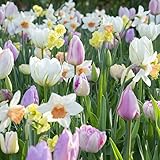
Are you dreaming of a vibrant spring garden bursting with the beauty of tulips? The secret to a stunning display lies not only in choosing the right tulip varieties but also in the way you plant them. One of the most common questions from beginner gardeners is: how many tulip bulbs to plant together? The answer depends on several factors, including the desired visual impact, available space, and your personal aesthetic preferences.
This comprehensive guide will delve into all the essential aspects of planting tulip bulbs, from spacing considerations to choosing the best planting methods. We’ll explore how to achieve the perfect balance between individual beauty and a breathtaking collective display. Whether you’re aiming for a formal, tightly packed bed or a more naturalized, scattered look, we’ll provide you with the knowledge you need to create a tulip garden you’ll be proud of.
Understanding Tulip Bulb Spacing: The Foundation of a Beautiful Display
The spacing between your tulip bulbs is crucial for both aesthetic appeal and the health of your plants. Crowding the bulbs can lead to competition for resources like water and nutrients, potentially resulting in smaller blooms or even disease. Conversely, planting them too far apart can create a sparse, less impactful display. Finding the right balance is key to maximizing the beauty of your tulip garden.
Factors Influencing Spacing
Several factors influence the ideal spacing for your tulip bulbs. Understanding these will help you tailor your planting strategy to achieve your desired outcome. These factors include the variety of tulip, the size of your planting area, and the overall design you are aiming for.
- Tulip Variety: Different tulip varieties have different mature sizes. Larger varieties, like Triumph tulips, generally require more space than smaller ones, such as species tulips. Check the planting instructions on the bulb package for specific recommendations.
- Desired Effect: Do you want a dense, formal display or a more natural, informal look? Tighter spacing creates a fuller, more dramatic effect, while wider spacing offers a more relaxed, natural appearance.
- Available Space: The size of your garden bed or planting area will dictate how many bulbs you can plant and how much space you can allocate to each.
- Soil Conditions: Well-draining soil is essential for tulips. If your soil is prone to waterlogging, wider spacing can help improve air circulation and reduce the risk of rot.
General Spacing Guidelines
While specific recommendations can vary, here are some general guidelines for spacing tulip bulbs. These are a good starting point, but always consider the specific variety you are planting and your desired visual impact.
- Formal Gardens: For a dense, formal look, space the bulbs approximately 4-6 inches apart. This will create a lush, full display.
- Informal Gardens: For a more naturalized look, space the bulbs 6-8 inches apart. This allows for more individual growth and a less structured appearance.
- Large Varieties: For larger tulip varieties, you might want to increase the spacing to 6-8 inches, even in a formal setting, to allow for their larger blooms.
- Small Varieties: Smaller species tulips can be planted closer together, perhaps 3-4 inches apart.
These guidelines are a starting point. Adjust the spacing based on your personal preference and the specific characteristics of your chosen tulip varieties. Remember to consult the bulb package for specific recommendations.
Calculating the Number of Bulbs Needed
Once you’ve determined the desired spacing, you can easily calculate how many tulip bulbs you’ll need for your planting area. This involves a few simple calculations. Accurate planning prevents both under-buying and over-buying, saving you money and ensuring you have enough bulbs to achieve your desired effect.
Calculating Bulb Requirements
Here’s a step-by-step guide to calculating the number of bulbs you’ll need:
- Measure the Planting Area: Determine the length and width of the area you plan to plant. Multiply these to find the total square footage. For example, a bed that is 4 feet long and 3 feet wide has an area of 12 square feet (4 x 3 = 12).
- Calculate the Area per Bulb: Based on your chosen spacing, calculate the area each bulb will occupy. For example, if you’re planting bulbs 6 inches apart, that’s 0.5 feet (6 inches / 12 inches per foot). The area per bulb is calculated by multiplying the spacing in both directions. In this case, it would be 0.5 feet x 0.5 feet = 0.25 square feet per bulb.
- Divide Total Area by Area per Bulb: Divide the total area of your planting bed by the area per bulb to determine the number of bulbs needed. Using the example above: 12 square feet / 0.25 square feet per bulb = 48 bulbs.
Therefore, you would need 48 bulbs to fill a 4×3 foot bed with bulbs spaced 6 inches apart. Round up to the nearest whole number to ensure you have enough bulbs.
Bulb Package Information
Most bulb packages provide guidance on spacing and the number of bulbs needed per square foot or square meter. Always refer to the package instructions for the most accurate information. This information is tailored to the specific variety and will help you achieve the best results. Don’t be afraid to buy a few extra bulbs, just in case!
Example Calculations
Let’s look at a few examples to illustrate the calculation process: (See Also: How Far Apart to Plant Arborvitae for Privacy: A Complete Guide)
| Planting Area | Spacing | Area per Bulb | Bulbs Needed |
|---|---|---|---|
| 4 ft x 3 ft (12 sq ft) | 4 inches apart (0.33 ft) | 0.11 sq ft | Approximately 109 bulbs |
| 6 ft x 2 ft (12 sq ft) | 6 inches apart (0.5 ft) | 0.25 sq ft | Approximately 48 bulbs |
| 5 ft x 5 ft (25 sq ft) | 8 inches apart (0.67 ft) | 0.45 sq ft | Approximately 56 bulbs |
These calculations provide a starting point. Always consider the specific variety and your desired effect when finalizing your bulb order.
Planting Techniques for Stunning Tulip Displays
Beyond spacing, the planting technique plays a critical role in the success of your tulip garden. Proper planting ensures healthy growth, abundant blooms, and longevity for your tulips. Choosing the right method will help you avoid common pitfalls and create a garden that thrives.
Choosing the Right Planting Method
There are several methods for planting tulip bulbs, each with its own advantages. The best method depends on the size of your planting area, the desired effect, and your personal preference. Consider these options:
- Individual Hole Planting: This is the most common method, involving digging individual holes for each bulb. It allows for precise spacing and is ideal for smaller areas or for planting a variety of different tulips.
- Trench Planting: This method involves digging a trench and planting bulbs along the trench. It’s suitable for planting large quantities of bulbs in a row or creating a mass planting effect.
- Bulb Planters: These specialized tools simplify the process of digging individual holes. They’re particularly useful for planting large numbers of bulbs and ensure consistent planting depth.
- Naturalizing: This method involves scattering the bulbs and planting them where they land, creating a more informal, natural look. It’s best suited for species tulips and areas where you want a less structured appearance.
Step-by-Step Planting Instructions
Here’s a step-by-step guide to planting tulip bulbs using the individual hole method, which is the most common. These steps are adaptable for other planting methods as well. This ensures you’re setting your tulips up for success.
- Choose Your Location: Select a location with well-draining soil and plenty of sunlight (at least 6 hours per day). Tulips thrive in full sun.
- Prepare the Soil: Loosen the soil to a depth of at least 12 inches. Amend the soil with compost or other organic matter to improve drainage and fertility.
- Dig the Holes: Dig individual holes for each bulb, following your chosen spacing guidelines. The general rule of thumb is to plant bulbs three times as deep as their height. For example, a 2-inch bulb should be planted 6 inches deep.
- Place the Bulbs: Place the bulbs in the holes with the pointed end facing up.
- Backfill the Holes: Cover the bulbs with soil, gently firming the soil around them.
- Water Thoroughly: Water the newly planted bulbs thoroughly to settle the soil and encourage root development.
- Mulch (Optional): Apply a layer of mulch (such as shredded bark or straw) to help retain moisture, suppress weeds, and protect the bulbs from extreme temperatures.
Following these steps will provide your tulips with the best possible start.
Depth and Orientation
Planting depth is crucial for the health and blooming of your tulips. As mentioned previously, the general rule is to plant bulbs three times as deep as their height. This provides adequate protection from temperature fluctuations and encourages strong root growth. Always ensure that the pointed end of the bulb faces upwards; this is where the shoots will emerge.
Post-Planting Care
After planting, proper care is essential for the long-term success of your tulip garden. This includes watering, fertilizing, and protecting your bulbs from pests and diseases.
- Watering: Water the bulbs regularly, especially during dry periods. Avoid overwatering, which can lead to rot.
- Fertilizing: Apply a balanced fertilizer in the fall, after planting, and again in the spring, as the shoots emerge.
- Pest and Disease Control: Monitor your plants for pests and diseases. Common pests include squirrels and voles, which may eat the bulbs. Consider using protective measures such as wire mesh or repellents.
- Deadheading: After the blooms fade, deadhead the flowers (remove the spent flower heads) to prevent seed production and encourage the bulb to store energy for the following year’s blooms.
Achieving Different Visual Effects with Tulip Bulbs
The way you arrange your tulip bulbs can dramatically impact the overall aesthetic of your garden. Experimenting with different planting patterns and color combinations allows you to create a unique and personalized display. Consider the design principles of color, texture, and form to create a visually appealing garden.
Formal vs. Informal Planting
The choice between formal and informal planting styles depends on your personal taste and the overall design of your garden. Consider your existing landscape design when choosing the best approach.
- Formal Planting: This style involves precise spacing, often in straight lines or geometric patterns. It’s ideal for creating a structured, elegant look. Consider using a single color or a limited palette to enhance the formality.
- Informal Planting: This style embraces a more natural, relaxed aesthetic, with bulbs planted in irregular patterns. It’s perfect for creating a cottage garden feel or for naturalizing tulips in a meadow.
Color Combinations and Patterns
Color plays a vital role in the visual impact of your tulip display. Consider different color combinations and planting patterns to create a garden that is both beautiful and interesting. Here are some ideas: (See Also: Learn How to Cut a Snake Plant & Propagate Successfully)
- Monochromatic: Plant tulips of different shades of the same color for a sophisticated and cohesive look.
- Complementary Colors: Combine colors that are opposite each other on the color wheel, such as purple and yellow or red and green, for a vibrant and eye-catching display.
- Analogous Colors: Use colors that are next to each other on the color wheel, such as red, orange, and yellow, for a harmonious and pleasing effect.
- Stripes and Blocks: Plant tulips in stripes or blocks of color to create a bold and graphic design.
- Layering: Combine tulips of different heights and bloom times to create a layered effect, with early-blooming varieties in the front and late-blooming varieties in the back.
Mixing Tulip Varieties
Experimenting with different tulip varieties can add depth and interest to your garden. Consider the following when mixing varieties:
- Bloom Times: Choose a mix of early-, mid-, and late-blooming varieties to extend the blooming season.
- Height and Form: Combine tulips of different heights and flower shapes to create visual interest.
- Color Coordination: Carefully consider the color combinations to ensure they complement each other.
- Texture: Mix different types of tulips, such as fringed, parrot, and double tulips, to add texture to your display.
Common Mistakes to Avoid When Planting Tulip Bulbs
Even experienced gardeners can make mistakes when planting tulip bulbs. Avoiding these common pitfalls will help ensure a successful and beautiful tulip garden. Knowledge is power, and knowing what to avoid can save you time, effort, and disappointment.
Poor Soil Drainage
Poor soil drainage is one of the most common reasons for tulip bulb failure. Tulips are susceptible to rot if they are planted in soil that stays too wet. Ensure your soil drains well by amending it with organic matter, such as compost, before planting. Consider raised beds or planting in containers if your soil is poorly draining.
Incorrect Planting Depth
Planting bulbs at the incorrect depth can affect their growth and flowering. Planting too shallow can expose the bulbs to temperature fluctuations and pest damage. Planting too deep can make it difficult for the shoots to emerge. Always follow the planting depth recommendations on the bulb package.
Overcrowding Bulbs
Planting bulbs too close together can lead to competition for resources, such as water and nutrients. This can result in smaller blooms, weaker plants, and an increased risk of disease. Follow the recommended spacing guidelines for the specific tulip variety you are planting.
Ignoring Sunlight Requirements
Tulips require at least 6 hours of sunlight per day to thrive. Planting them in a shady location can result in poor flowering or no blooms at all. Choose a planting location that receives ample sunlight.
Pest and Disease Problems
Tulips can be susceptible to various pests and diseases. Common pests include squirrels, voles, and aphids. Common diseases include tulip fire and botrytis blight. Monitor your plants for signs of pests and diseases and take appropriate action. Consider using pest repellents or disease-resistant varieties.
Improper Watering
Both overwatering and underwatering can harm tulip bulbs. Overwatering can lead to rot, while underwatering can stunt growth and flowering. Water the bulbs thoroughly after planting and water regularly during dry periods. Allow the soil to dry out slightly between waterings.
Troubleshooting Common Tulip Planting Problems
Even with careful planning and execution, problems can sometimes arise in your tulip garden. Knowing how to identify and address these problems can help you salvage your plants and ensure future success.
Failure to Bloom
If your tulips fail to bloom, several factors could be responsible. Ensure they are receiving enough sunlight, as inadequate sunlight is a common cause. Check the planting depth; bulbs planted too deep may struggle to bloom. Also, consider the age of the bulbs; older bulbs may have exhausted their resources and may need to be replaced. Proper fertilization is also critical. (See Also: Learn How to Start a Strawberry Plant: A Complete Guide)
Weak or Stunted Growth
Weak or stunted growth can be caused by various factors, including poor soil conditions, inadequate watering, or pest infestations. Amend the soil with organic matter to improve drainage and fertility. Water regularly, but avoid overwatering. Inspect the plants for pests and diseases and take appropriate action.
Pest Damage
Pest damage can range from minor cosmetic issues to significant damage that can kill the bulbs. Common pests include squirrels, voles, and aphids. Use protective measures, such as wire mesh or repellents, to deter pests. If pests are present, use appropriate insecticides or other control methods.
Disease Issues
Tulips are susceptible to several diseases, including tulip fire and botrytis blight. These diseases can cause spots on the leaves and stems, and can eventually kill the plants. Remove and destroy any infected plants. Improve air circulation by spacing bulbs properly and avoiding overcrowding. Consider using fungicides if necessary.
The Long-Term Care and Maintenance of Your Tulip Garden
Maintaining your tulip garden requires ongoing care and attention. Proper maintenance ensures that your tulips will thrive and bloom beautifully year after year. This includes deadheading, fertilizing, and protecting the bulbs from pests and diseases. Follow these steps to enjoy your tulip garden for years to come.
Deadheading
Deadheading is the process of removing the spent flower heads from your tulips. This prevents the plant from wasting energy on seed production and encourages the bulb to store energy for the following year’s blooms. Deadhead the flowers as soon as they fade.
Fertilizing
Fertilizing helps replenish the nutrients in the soil and provides the bulbs with the energy they need to produce beautiful blooms. Apply a balanced fertilizer in the fall, after planting, and again in the spring, as the shoots emerge. Follow the fertilizer package instructions for application rates.
Division and Replanting
Over time, tulip bulbs can multiply, and the clumps can become overcrowded. Dividing and replanting the bulbs every few years can help maintain their vigor and ensure abundant blooms. Dig up the bulbs after the foliage has died back. Separate the bulbs and replant them at the recommended spacing and depth.
Preventative Measures
Taking preventative measures can help reduce the risk of pests and diseases. Choose disease-resistant varieties. Provide good air circulation by spacing bulbs properly. Remove and destroy any infected plants. Use pest repellents or other control methods.
Conclusion: Cultivating a Thriving Tulip Garden
Knowing how many tulip bulbs to plant together is just one piece of the puzzle. The optimal spacing, along with selecting the right variety and planting technique, is critical for achieving a spectacular display. With a little planning and effort, you can create a vibrant and rewarding tulip garden that brings joy to your spring. You can successfully answer the question of how many tulip bulbs to plant together, and create a beautiful garden.
Recommended Products