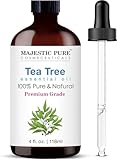
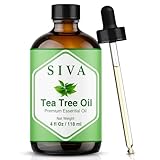
The invigorating scent of tea tree oil is a popular choice for aromatherapy diffusers, promising to refresh your space and potentially offer a host of wellness benefits. But when it comes to enjoying this potent essential oil, the question naturally arises: how many drops are just right?
Too little, and you might not experience the full aromatic impact. Too much, and the scent can be overpowering, or even cause discomfort. Finding that sweet spot is key to a pleasant and effective diffusing experience. Let’s explore the factors that influence the ideal number of drops and how to achieve perfect diffusion.
Understanding Tea Tree Oil and Diffusion
Tea tree oil, also known as melaleuca oil, is extracted from the leaves of the tea tree (Melaleuca alternifolia), a plant native to Australia. It’s renowned for its strong, medicinal aroma and its purported antimicrobial, antifungal, and anti-inflammatory properties. When used in a diffuser, the essential oil is broken down into tiny particles and dispersed into the air, allowing you to inhale its fragrance and potential therapeutic benefits.
Factors Influencing Drop Count
The ideal number of drops for your diffuser isn’t a one-size-fits-all answer. Several variables come into play:
- Diffuser Type and Size: Different diffusers have varying capacities and mist output. A small personal diffuser might require fewer drops than a large room humidifier-style diffuser.
- Room Size: A larger room will naturally dilute the scent more quickly, potentially requiring more drops than a small, enclosed space.
- Personal Sensitivity: Some individuals are more sensitive to strong scents than others. What is a pleasant aroma to one person might be overwhelming for another.
- Desired Intensity: Are you looking for a subtle background aroma, or a more pronounced scent experience?
- Other Oils Being Used: If you’re blending tea tree oil with other essential oils, you’ll need to adjust the quantity of each to maintain balance.
- Purity of the Oil: 100% pure, therapeutic-grade tea tree oil is more potent than diluted or lower-quality versions, so you’ll likely need fewer drops of a high-quality oil.
General Guidelines for Tea Tree Oil Drops
As a starting point, most essential oil manufacturers and aromatherapy experts recommend the following general guidelines for a standard ultrasonic diffuser (the most common type):
- For a small room (e.g., bathroom, office): Start with 3-5 drops.
- For a medium room (e.g., living room, bedroom): Start with 5-8 drops.
- For a large room or open-plan area: Start with 8-10 drops.
It’s always best to begin with the lower end of the recommended range and gradually increase the number of drops if you desire a stronger scent. You can always add more, but you can’t take it away once it’s in the diffuser! (See Also: How to Put Christmas Lights on a Outdoor Tree)
The Importance of Starting Low
Tea tree oil has a powerful and distinctive aroma. Starting with fewer drops allows you to gauge how your senses react and how the scent fills the space. If you find the aroma too mild after the initial diffusion period, you can add another 1-2 drops. This incremental approach prevents you from overdoing it and having to air out the room.
Adjusting for Different Diffuser Types
While the above guidelines are for ultrasonic diffusers, other types might have slightly different recommendations:
Nebulizing Diffusers
Nebulizing diffusers use pressurized air to atomize essential oils without water, creating a highly concentrated aroma. They are very potent, so you’ll typically need fewer drops. For tea tree oil in a nebulizing diffuser, consider starting with just 1-3 drops.
Evaporative Diffusers
These diffusers use a fan to blow air through a pad or filter saturated with essential oil. The scent intensity can vary, but it’s generally less potent than nebulizing diffusers. You might use 5-10 drops, adjusting based on the fan speed and pad saturation.
Heat Diffusers
Heat diffusers use gentle heat to release the oil’s aroma. These can sometimes alter the chemical composition of the oil due to the heat. For tea tree oil, it’s generally recommended to use a lower heat setting and start with 3-7 drops, monitoring the scent intensity. (See Also: How to Do Decision Tree in Excel: A Step-by-Step Guide)
When Blending Tea Tree Oil with Other Oils
Blending essential oils can create complex and synergistic aromatic profiles. If you’re combining tea tree oil with other oils, remember to:
- Consider the Potency of Other Oils: Some oils, like peppermint or eucalyptus, are also quite strong and should be used in moderation.
- Start with a Lower Total Drop Count: If you’re using 3 oils, for instance, you might start with a total of 6-10 drops (e.g., 2 drops of each, or 3-3-4).
- Balance the Aromas: Tea tree oil has a distinct medicinal scent. You might pair it with uplifting citrus oils (like lemon or orange), calming lavender, or grounding woody scents (like cedarwood or sandalwood).
- Experiment Gradually: Add one oil at a time and observe the aroma.
A common and effective blend for air purification might be 3 drops of tea tree oil, 3 drops of lemon oil, and 2 drops of eucalyptus oil for a medium-sized room.
Popular Tea Tree Oil Blends and Their Drop Ratios
Here are a few popular blends and starting points:
| Blend Purpose | Essential Oils | Starting Drop Count (Medium Room) |
|---|---|---|
| Air Purification | Tea Tree, Lemon, Eucalyptus | 3-3-2 |
| Focus & Clarity | Tea Tree, Rosemary, Peppermint | 3-3-2 |
| Calming & Cleansing | Tea Tree, Lavender, Frankincense | 3-4-3 |
| Invigorating & Fresh | Tea Tree, Bergamot, Geranium | 3-4-3 |
Remember, these are starting points. Adjust based on your preference and the specific oils you are using.
Safety Precautions When Diffusing Tea Tree Oil
While diffusing is generally safe, it’s essential to be mindful of certain precautions: (See Also: How to Care for Dogwood Tree: A Comprehensive Guide)
- Dilution is Key: Essential oils are highly concentrated. Always use them diluted in water in your diffuser.
- Ventilation: Ensure the room is adequately ventilated, especially if diffusing for extended periods or if you have pets or young children.
- Pets: Some essential oils, including tea tree oil, can be toxic to pets, especially cats. Diffuse in a room where pets do not have access, or ensure they can easily leave the area. Never diffuse directly around pets.
- Children and Pregnant/Nursing Women: If you have young children, are pregnant, or breastfeeding, consult with a healthcare professional or certified aromatherapist before diffusing tea tree oil.
- Skin Contact: Avoid direct contact with undiluted tea tree oil on the skin. If accidental contact occurs, wash thoroughly with soap and water.
- Ingestion: Essential oils should never be ingested.
- Quality Matters: Always use 100% pure, therapeutic-grade essential oils from reputable brands.
Understanding Over-Diffusion
Diffusing too much tea tree oil can lead to several undesirable effects:
- Headaches: A strong, persistent aroma can trigger headaches in sensitive individuals.
- Nausea: Overpowering scents can sometimes lead to feelings of nausea.
- Irritation: The strong aroma might irritate the respiratory tract for some.
- Domination of Other Scents: If you’re blending, too much tea tree oil can mask the nuances of other oils.
If you experience any of these symptoms, turn off the diffuser, open windows for fresh air, and consider reducing the number of drops for future use.
Maximizing Your Diffuser Experience
To get the most out of your tea tree oil diffusion:
- Clean Your Diffuser Regularly: A clean diffuser will ensure optimal mist output and prevent oil residue buildup. Follow the manufacturer’s instructions for cleaning.
- Use Filtered Water: Using filtered or distilled water can prevent mineral buildup in your diffuser, especially if you have hard tap water.
- Experiment with Placement: The location of your diffuser can impact how the scent disperses. Placing it in a central location often works best.
- Listen to Your Body: Pay attention to how you feel. If a certain number of drops or blend makes you feel unwell, adjust accordingly.
Ultimately, the journey to finding the perfect number of tea tree oil drops in your diffuser is one of personal exploration and mindful adjustment. By understanding the contributing factors and following safe practices, you can create a beautifully scented and potentially beneficial atmosphere in your home.
Conclusion
Determining how many drops of tea tree oil to use in your diffuser involves considering your diffuser type, room size, personal sensitivity, and desired scent intensity. A good starting point for most ultrasonic diffusers is 3-8 drops, adjusting upwards or downwards as needed. Always begin with fewer drops and gradually increase to avoid overwhelming the senses. Remember to prioritize safety, especially around pets and children, and always use 100% pure tea tree oil. Experimentation and mindful observation are your best tools for achieving the perfect aromatic balance and enjoying the benefits of tea tree oil diffusion.
Recommended Products