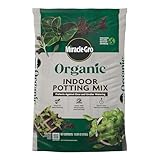
So, you’re ready to get your hands dirty and start planting? Fantastic! But before you dive in, there’s a crucial question that often stumps even seasoned gardeners: How many bags of potting soil do I need? It’s a common query, and getting it right can save you a trip back to the garden center, or even worse, leave you with a shortage mid-project.
We understand the frustration. Underestimating can halt your progress, while overbuying can lead to wasted soil and storage headaches. This guide is designed to eliminate the guesswork. We’ll walk you through everything you need to know, from calculating soil volume to choosing the right type of potting mix for your plants.
Get ready to become a potting soil pro! We’ll cover all the essentials, ensuring you have the perfect amount of soil for thriving plants. Let’s get started!
Understanding Potting Soil and Its Importance
Before we get to the calculations, let’s make sure we’re all on the same page about what potting soil actually is and why it’s so important. It’s not the same as garden soil, which is often too dense and doesn’t drain well in containers.
What Is Potting Soil?
Potting soil, also known as potting mix or container mix, is a specially formulated growing medium designed for plants grown in containers. Unlike garden soil, which can compact and become waterlogged, potting soil provides excellent drainage, aeration, and nutrient retention.
The best potting soil is a blend of different materials, each contributing to the overall health and well-being of your plants. Common ingredients include:
- Peat moss: Provides excellent water retention and aeration.
- Coconut coir: A sustainable alternative to peat moss, offering similar benefits.
- Perlite: Improves drainage and aeration.
- Vermiculite: Retains moisture and nutrients.
- Compost: Adds nutrients and improves soil structure.
- Bark: Improves drainage and aeration.
Different potting mixes are formulated for different types of plants. For example, cacti and succulents thrive in a mix with excellent drainage, while moisture-loving plants may benefit from a mix that retains more water.
Why Is Potting Soil Important?
Using the right potting soil is crucial for the health and success of your plants. It provides:
- Proper Drainage: Prevents root rot, a common killer of container plants.
- Good Aeration: Allows roots to breathe and absorb oxygen.
- Nutrient Retention: Holds onto essential nutrients, making them available to plants.
- Water Retention: Provides moisture for plants, reducing the need for frequent watering.
- Support: Provides a stable base for plants to grow.
Investing in quality potting soil is an investment in your plants’ future. It sets the stage for healthy growth and abundant blooms.
Calculating the Volume of Soil You Need
Now, let’s get down to the nitty-gritty: calculating how much potting soil you actually need. This involves a few simple steps, focusing on the size and number of your containers.
Step 1: Determine the Volume of Each Container
The first step is to figure out the volume of each container. This can be done in a few ways, depending on the shape of the container.
- For Round Containers: Use the following formula: Volume = π * r² * h, where π (pi) is approximately 3.14, r is the radius (half the diameter), and h is the height of the container.
- For Square or Rectangular Containers: Use the following formula: Volume = l * w * h, where l is the length, w is the width, and h is the height.
- For Containers with Irregular Shapes: This can be trickier. You can estimate by measuring the height and the average diameter or width. Alternatively, you can fill the container with water and measure the volume of water needed to fill it (remember to account for drainage holes).
Important Note: Always measure the *inside* dimensions of your containers, as the walls can reduce the available space.
Let’s look at some examples:
Example 1: Round Pot
- Diameter: 12 inches
- Height: 10 inches
- Radius: 6 inches (half of 12)
- Volume = 3.14 * 6² * 10 = 1130.4 cubic inches.
To convert cubic inches to gallons, divide by 231 (since there are 231 cubic inches in a gallon): 1130.4 / 231 = approximately 4.9 gallons. (See Also: Wood Ash in Soil: How Much to Add for a Thriving Garden?)
Example 2: Rectangular Planter
- Length: 24 inches
- Width: 12 inches
- Height: 12 inches
- Volume = 24 * 12 * 12 = 3456 cubic inches.
Converting to gallons: 3456 / 231 = approximately 15 gallons.
Step 2: Calculate the Total Volume Needed
Once you know the volume of each container, multiply that volume by the number of containers you have. This will give you the total volume of potting soil you’ll need.
For example, if you have 5 round pots, each holding 4.9 gallons, you’ll need a total of 5 * 4.9 = 24.5 gallons of potting soil.
Step 3: Account for the Depth of Soil Needed
It’s important to remember that you don’t need to fill your containers to the very top with soil. Leave some space at the top for watering. Usually, leave about 1-2 inches of space between the top of the soil and the rim of the container.
When calculating, subtract the space from the total height you measured. This will give you the actual soil volume needed.
Step 4: Convert Volume to Bags
Potting soil is typically sold in bags of different sizes, such as:
- Small Bags: Usually 8-16 quarts (0.25-0.5 cubic feet).
- Medium Bags: Usually 1 cubic foot (about 7.5 gallons).
- Large Bags: Usually 2-3 cubic feet (15-22.5 gallons).
To determine how many bags you need, divide the total volume you need (in gallons or cubic feet) by the volume of each bag. Always round up to the nearest whole number to ensure you have enough.
For example, if you need 24.5 gallons of soil and are buying bags that contain 1 cubic foot (approximately 7.5 gallons), you’ll need 24.5 / 7.5 = 3.27 bags. Round up to 4 bags.
Choosing the Right Potting Soil for Your Plants
Once you know how much soil you need, the next step is choosing the right type of potting soil. Different plants have different needs, so selecting the appropriate mix is crucial for their health and success.
General-Purpose Potting Mix
A general-purpose potting mix is suitable for a wide variety of plants, including most annuals, perennials, and vegetables. These mixes typically contain a blend of peat moss or coco coir, perlite or vermiculite, and sometimes compost. They offer a good balance of drainage, aeration, and nutrient retention.
Specialized Potting Mixes
For specific plant types, specialized potting mixes are often preferred:
- Cactus and Succulent Mix: These mixes have excellent drainage, with a higher proportion of perlite or pumice to prevent root rot.
- Orchid Mix: Orchid mixes are typically composed of bark, sphagnum moss, and perlite, providing excellent aeration and drainage for orchids’ unique needs.
- African Violet Mix: These mixes are formulated to provide the slightly acidic environment that African Violets prefer.
- Seed Starting Mix: These mixes are finely textured and sterile, providing a gentle environment for seedlings to sprout and grow.
- Rose Mix: Often contains extra nutrients and improved drainage for rose bushes.
Organic vs. Conventional Potting Soil
You’ll also encounter the choice between organic and conventional potting soil. Organic mixes are made with natural ingredients and are free from synthetic fertilizers and pesticides. Conventional mixes may contain synthetic additives. The choice depends on your personal preferences and gardening philosophy.
Checking the Ingredients
Always read the label on the potting soil bag to understand the ingredients. Look for mixes that are: (See Also: How to Clear Soil Choked with Old Roots: A Gardener’s Guide)
- Well-draining: Prevents root rot.
- Nutrient-rich: Contains compost or other organic matter.
- pH-balanced: Appropriate for your plants’ needs.
Tips for Buying and Storing Potting Soil
To ensure you have the best experience, here are some tips for buying and storing potting soil:
Buying Tips
- Check the bag for quality: Look for bags that are sealed and not torn.
- Read the label: Choose a mix appropriate for your plants.
- Compare prices: Prices vary between brands and stores.
- Consider the size of the bag: Buy only what you need to avoid waste.
Storing Tips
- Store in a dry place: Moisture can cause potting soil to degrade or grow mold.
- Keep it off the ground: Elevate bags on a pallet or shelf to prevent moisture absorption.
- Seal the bag properly: Close the bag tightly after each use to prevent drying.
- Use within a season: Potting soil can lose nutrients over time.
Common Mistakes to Avoid
Here are some common mistakes that gardeners make when dealing with potting soil:
- Using garden soil: Garden soil is too dense and doesn’t drain well.
- Using old potting soil: Old soil can become compacted and lose nutrients.
- Overwatering: Overwatering can lead to root rot, especially in poorly draining soil.
- Underwatering: Plants need consistent moisture to thrive.
- Not choosing the right soil type: Using the wrong type of soil can hinder plant growth.
- Not leaving space for watering: Filling the pot to the brim leaves no room for watering.
Frequently Asked Questions (faq)
Here are answers to some of the most common questions about potting soil:
Can I Make My Own Potting Soil?
Yes, you can. However, it requires gathering the right ingredients and understanding the proper ratios. You can find many recipes online for DIY potting mixes. The benefit is you can customize the soil to your plants’ specific needs.
How Often Should I Repot My Plants?
Repot your plants when they become root-bound (roots circling the pot) or when the soil becomes compacted and loses its ability to drain well. The frequency depends on the plant’s growth rate, but usually, repotting is needed every 1-3 years.
Can I Reuse Potting Soil?
Yes, but it’s generally not recommended. Potting soil loses nutrients and can harbor diseases over time. If you choose to reuse it, amend it with compost, fertilizer, and perlite or vermiculite to restore its structure and nutrients.
How Do I Know If My Potting Soil Is Good?
Good potting soil should drain well, retain moisture without becoming soggy, and provide adequate aeration. It should also be free of pests and diseases.
What Is the Difference Between Potting Soil and Topsoil?
Potting soil is a soilless medium designed for container gardening, providing good drainage and aeration. Topsoil is used to amend existing garden beds, usually containing a mixture of soil, organic matter, and other materials. Topsoil is not suitable for containers.
How Do I Dispose of Old Potting Soil?
You can compost old potting soil or spread it in your garden beds to amend the soil. You can also dispose of it in your regular yard waste bin.
Additional Considerations
Beyond the basics, here are a few extra things to consider when calculating your potting soil needs:
The Size of Your Plants
Consider the size your plants will eventually reach. Fast-growing plants or those with extensive root systems will need larger containers and more soil over time. Think ahead to avoid needing to repot too soon.
The Type of Planting
Are you starting seeds, transplanting seedlings, or repotting established plants? Seed starting often uses smaller pots and less soil. Transplanting may require more soil, while repotting will depend on the size of the new container.
The Availability of Soil
Check the availability of potting soil at your local garden centers or online retailers. Stock can vary, especially during peak planting seasons. It’s always best to plan ahead and buy your soil in advance.
Your Budget
Potting soil can vary in price. Consider your budget when planning. Sometimes, buying in bulk can save money, but make sure you have adequate storage space. (See Also: How Do Plants Stop Soil Erosion? A Gardener’s Guide to Prevention)
Calculating Soil for Raised Garden Beds
If you’re planning a raised garden bed, the calculation is slightly different, but still manageable.
Step 1: Determine the Volume of the Bed
Use the same formula as for rectangular containers: Volume = l * w * h, where l is the length, w is the width, and h is the depth of the bed.
For example, a raised bed that is 4 feet long, 4 feet wide, and 1 foot deep has a volume of 4 * 4 * 1 = 16 cubic feet.
Step 2: Convert to Cubic Yards (optional)
Potting soil for larger projects is often sold by the cubic yard. To convert cubic feet to cubic yards, divide by 27 (since there are 27 cubic feet in a cubic yard): 16 cubic feet / 27 = approximately 0.59 cubic yards.
Step 3: Account for Soil Level
You can fill your raised bed to the top with soil, but remember that the soil will settle over time. Consider filling the bed a little higher than you want the final soil level to be.
Step 4: Purchase the Correct Amount
Based on your calculations, purchase the appropriate amount of potting soil. It’s often more economical to buy in bulk for raised beds.
Using a Potting Soil Calculator
If you find the calculations daunting, there are online potting soil calculators that can help. These calculators typically ask for the dimensions of your containers and the number of plants, and they will then estimate the amount of soil you need. They can save you time and effort, especially if you have many containers.
Here’s how to use these calculators:
- Find a reputable calculator online: Search for “potting soil calculator” to find various options.
- Enter container dimensions: Input the length, width, and height of your pots or planters.
- Specify the number of containers: Enter the total quantity of pots or planters.
- Select soil type: Some calculators allow you to specify the type of potting mix.
- Calculate and review: The calculator will provide an estimate of the total soil volume needed. Always double-check this number and consider rounding up.
Using a calculator is a great way to double-check your own calculations and make sure you’re getting the right amount of soil.
Dealing with Leftover Potting Soil
Even with careful calculations, you might find yourself with some leftover potting soil. Don’t let it go to waste!
- Store Properly: As mentioned earlier, store leftover soil in a dry, covered area to prevent it from drying out or becoming contaminated.
- Use for Future Projects: Save the soil for future planting projects. Potting soil has a shelf life, so use it within a season or two.
- Amend Your Garden: Add the soil to your garden beds to improve soil structure and drainage.
- Mix with Compost: Combine the soil with compost to create a rich, nutrient-filled planting medium.
- Use as a Top Dressing: Apply a thin layer of soil as a top dressing around the base of your plants.
Final Verdict
Knowing how many bags of potting soil do I need is a fundamental aspect of successful container gardening. By following these steps, you can confidently calculate the right amount, choose the appropriate mix, and set your plants up for success. Remember to consider your container sizes, the type of plants you are growing, and the available bag sizes. Happy gardening!
Recommended Products