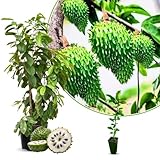
Dreaming of fresh, tangy soursop fruit right from your backyard? The idea of cultivating this tropical wonder is exciting, but a common question looms large: how long does it take to grow a soursop tree?
Patience is a virtue, especially when it comes to fruit trees. Soursop, also known as Graviola, is no exception. While the allure of its unique flavor and purported health benefits is strong, understanding the timeline for its growth is crucial for any aspiring grower.
This article will delve into the factors influencing soursop tree development, from seed to fruit-bearing maturity. We’ll explore the different stages of growth, the ideal conditions for optimal development, and what you can realistically expect in terms of time investment.
Understanding Soursop Tree Growth Stages
The journey of a soursop tree from a tiny seed to a prolific fruit producer is a fascinating process, marked by distinct stages. Understanding these stages helps manage expectations and provides a roadmap for care.
From Seed to Seedling (0-1 Year)
The very beginning of your soursop tree’s life is the germination phase. Soursop seeds, when fresh and properly treated, can germinate relatively quickly, often within 1 to 3 weeks. However, this is just the start. The seedling stage is characterized by fragile growth, focusing on developing a strong root system and initial foliage.
During this first year, your seedling will likely be kept in a protected environment, perhaps a pot or a greenhouse, shielded from harsh weather and pests. Growth might appear slow, with the plant focusing its energy on establishing itself. Expect a small, delicate plant, perhaps only a few inches to a foot tall by the end of the first year, depending heavily on care and conditions.
Young Tree Development (1-3 Years)
Once your soursop seedling has survived its first year, it enters a phase of more vigorous vegetative growth. This is when the tree starts to gain height and develop a more substantial canopy. While it’s still too young to produce fruit, its primary focus is on building its structure.
In ideal conditions – rich soil, adequate sunlight, consistent watering, and protection from frost – a soursop tree can reach heights of 3 to 6 feet within this period. You’ll see branching begin, and the trunk will thicken. This stage is critical for establishing a healthy foundation for future fruit production. Proper pruning during this time can encourage a well-shaped tree, which will be beneficial later on.
Pre-Fruiting Stage (3-5 Years)
This is the exciting transition period where your soursop tree starts to mature and prepare for its reproductive phase. While some trees might show very early, sporadic flowering, significant and consistent fruit production is still a few years away.
By year 3, a healthy soursop tree can be anywhere from 6 to 10 feet tall. You’ll notice a denser foliage and a more robust structure. Flowering may begin, but the fruit set might be minimal or the fruits might not reach full maturity. This is a sign that the tree is getting close to its prime fruiting years. Continue with diligent care, ensuring it receives all the necessary nutrients and protection.
Mature and Fruiting (5+ Years)
The most anticipated stage is when your soursop tree enters its mature, fruit-bearing phase. This typically begins around the 5-year mark, but can extend to 6 or even 7 years, especially if the tree experienced slower growth in its early years or if conditions were less than ideal. (See Also: How to Pull a Tree Out with a Truck: A Comprehensive…)
Once mature, a soursop tree can produce fruit throughout the year in tropical climates, though there might be peak seasons. A well-cared-for mature tree can yield a significant amount of fruit annually. The tree itself will have reached its full potential height, often between 15 to 25 feet, with a spread that reflects its vigorous growth. The focus shifts from structural development to consistent fruit production.
Factors Influencing Soursop Growth Rate
The timeline we’ve outlined is a general guide. Several crucial factors can significantly speed up or slow down the growth of your soursop tree. Understanding these elements is key to optimizing your tree’s development.
Climate and Temperature
Soursop trees are unequivocally tropical. They thrive in warm, humid environments with consistent temperatures. Ideal temperatures range from 20°C to 30°C (68°F to 86°F).
Frost is the enemy of soursop. Even light frosts can damage or kill young trees, and prolonged cold spells will severely stunt growth. In regions with distinct cold seasons, growing soursop in containers and bringing them indoors or into a greenhouse during winter becomes essential. This protection can add a year or two to the time it takes to reach fruiting if the indoor environment isn’t perfectly optimized.
Sunlight Exposure
Soursop trees require ample sunlight to flourish and produce fruit. They need at least 6 to 8 hours of direct sunlight per day.
Insufficient sunlight will lead to leggy, weak growth and significantly delayed fruiting. If your tree is planted in a shaded area, its development will be hampered, and it may struggle to produce flowers and fruit, even when it reaches maturity in terms of age. Conversely, in extremely hot climates, some afternoon shade might be beneficial to prevent leaf scorch, but the primary requirement is abundant light.
Soil Quality and Drainage
The soil is the foundation of your tree’s health. Soursop trees prefer well-draining, fertile soil rich in organic matter.
Poor drainage is a major killer. Soursop roots are susceptible to root rot in waterlogged conditions. If your soil is heavy clay, amending it with compost, sand, and other organic materials is crucial. Sandy loam is often considered ideal. The pH level should be slightly acidic to neutral, ideally between 6.0 and 7.0. Correcting soil issues early on will prevent stunted growth and disease, directly impacting how quickly your tree matures.
Watering and Humidity
Consistent moisture is vital, especially during the dry seasons. However, this must be balanced with good drainage to prevent root rot.
Young trees need more frequent watering than established ones. The soil should be kept consistently moist but not soggy. High humidity is also beneficial, mimicking its native tropical habitat. Low humidity can stress the tree, slowing growth. In dry climates, misting or using a humidifier in a greenhouse can help, but this is more relevant for container-grown plants or very young trees. (See Also: How to Restring a Christmas Tree: A Complete Guide)
Nutrient Management and Fertilization
A balanced diet is essential for healthy development. Soursop trees benefit from regular fertilization, especially during their active growing seasons.
Young trees require fertilizers with a higher nitrogen content to encourage leafy growth. As the tree matures and approaches fruiting age, a fertilizer with a balanced NPK ratio, or one slightly higher in phosphorus and potassium, will support flowering and fruit development. Organic compost and manure are excellent for improving soil structure and providing slow-release nutrients. Skipping or improperly timing fertilization can lead to nutrient deficiencies, slowing down the entire growth process.
Pest and Disease Control
Like all plants, soursop trees are susceptible to various pests and diseases. These can significantly weaken the tree, stunt its growth, and delay or prevent fruiting.
Common issues include mealybugs, fruit flies, and fungal diseases like anthracnose. Early detection and prompt treatment are crucial. A healthy, well-nourished tree is more resilient, but vigilant monitoring and appropriate control measures are necessary. An infestation can set back a tree’s development by months, if not years.
Grafting vs. Seed Propagation
The method by which you start your soursop tree has a profound impact on its time to fruit.
- Seed-Propagated Trees: As discussed, trees grown from seed typically take the longest to mature, usually 5-7 years to reach consistent fruiting. This is because the tree needs to go through its entire juvenile phase.
- Grafted Trees: Grafting involves joining a scion (a cutting from a mature, fruit-bearing tree) onto the rootstock of another tree. Grafted soursop trees often bear fruit much earlier, sometimes within 2-3 years of planting. This is because the scion is already mature and has the genetic predisposition to flower and fruit. If you’re looking for a quicker harvest, purchasing a grafted tree is highly recommended.
Comparing Soursop to Other Tropical Fruit Trees
To put the soursop’s growth timeline into perspective, it’s helpful to compare it with other popular tropical fruit trees.
Mango Trees
Mango trees, also grown from seed, can take anywhere from 5 to 8 years to produce their first significant crop. Grafted mango trees can fruit much earlier, often within 2-4 years.
Avocado Trees
Avocado trees grown from seed can take a very long time, sometimes 7-15 years, and their fruit quality can be unpredictable. Grafted avocado trees typically fruit in 3-5 years.
Citrus Trees (e.G., Lemon, Lime)
Citrus trees, especially when grafted, are relatively fast growers and fruiters. Many grafted citrus trees can start producing fruit within 1-3 years of planting.
Compared to these, the soursop tree falls within a moderate range. While seed-grown soursop takes a bit longer than some grafted citrus or avocados, it’s comparable to mangoes and generally faster than seed-grown avocados. The significant advantage of grafted soursop trees places them among the quicker fruit producers for tropical gardens. (See Also: How Do You Grow an Apricot Tree From a Pit?)
Maximizing Growth and Fruit Production
While the timeline is largely dictated by genetics and environmental factors, there are proactive steps you can take to encourage your soursop tree to reach its potential faster and produce more fruit.
Choosing the Right Variety
Different soursop varieties might have slightly different growth rates and fruiting times. Researching local recommendations or varieties known for early fruiting can be beneficial.
Optimal Planting Location
Select a spot that receives plenty of sunlight, is protected from strong winds, and has excellent drainage. If your native soil is poor, consider building raised beds or amending the soil heavily.
Consistent Care Routine
Establish a regular schedule for watering, fertilizing, and pest monitoring. Consistency is key to preventing stress on the tree, which can hinder growth.
Pruning for Structure and Airflow
Proper pruning not only shapes the tree but also improves air circulation, reducing the risk of fungal diseases. It can also encourage branching, leading to more potential fruiting sites.
Pollination Assistance
Soursop flowers are typically pollinated by insects, particularly nocturnal ones like beetles. In some areas, natural pollinators might be scarce. Hand-pollination can ensure better fruit set, especially for young trees or in less than ideal pollinator environments. This involves transferring pollen from the male parts of the flower to the female parts, often using a small brush.
Patience and Observation
Ultimately, growing a fruit tree is an exercise in patience. Observe your tree closely, understand its needs, and respond accordingly. The more attuned you are to its signals, the better you can support its growth and eventual fruiting.
Conclusion
So, how long does it take to grow a soursop tree? Generally, expect 5 to 7 years for a seed-grown tree to reach full fruiting maturity. Grafted trees offer a much faster route, often yielding fruit within 2 to 3 years. This timeline is influenced by climate, soil, sunlight, water, nutrients, and pest control. While patience is required, understanding these factors allows you to optimize conditions and enjoy your homegrown soursop sooner.
Recommended Products