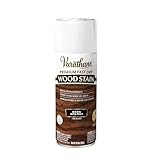
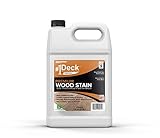
So, you’re ready to give your fence a fresh new look with some stain? Great choice! A freshly stained fence can dramatically improve your home’s curb appeal and protect your investment. But before you get too excited and start slathering on the color, there’s a crucial question you need answered: how long does it take fence stain to dry?
The drying time isn’t a simple, one-size-fits-all answer. It depends on several factors, including the type of stain, the weather conditions, and the wood itself. Getting this right is vital. Applying a second coat too soon could lead to a sticky mess, while waiting too long might expose your fence to the elements. We’ll break down everything you need to know about fence stain drying times so you can achieve a professional-looking finish.
We’ll cover the different stain types, the factors that influence drying, and how to tell when your fence stain is completely dry. Let’s dive in!
Understanding Fence Stain: A Quick Overview
Before we get into the nitty-gritty of drying times, let’s make sure we’re all on the same page about what fence stain actually is. Fence stain is a protective coating designed to enhance the appearance and longevity of your wooden fence. Unlike paint, which forms a solid film on the surface, stain penetrates the wood, allowing the natural grain to show through. This not only looks beautiful but also allows the wood to breathe, reducing the likelihood of cracking and peeling.
There are several different types of fence stain available, each with its own unique characteristics and drying times. Choosing the right stain is crucial, so let’s explore some of the most common options.
Types of Fence Stain: Your Choices
The type of stain you choose will significantly impact the drying time. Here’s a breakdown of the most popular options: (See Also: How to Build a Windbreak Fence: Protect Your Property & Enjoy the Outdoors)
- Oil-Based Stain: These stains are known for their deep penetration and excellent protection against the elements. They typically take longer to dry than water-based stains but often offer superior durability. Oil-based stains are known for their rich color and ability to highlight the natural wood grain.
- Water-Based Stain: Water-based stains are popular for their low odor, easy cleanup (with soap and water), and faster drying times. They are also more environmentally friendly than oil-based stains. However, they may not be as durable as oil-based options, especially in harsh weather conditions.
- Acrylic Stain: Acrylic stains offer a good balance between durability and ease of application. They provide excellent UV protection and are resistant to fading. Acrylic stains are also known for their flexibility, which helps prevent cracking and peeling.
- Semi-Transparent Stain: This type of stain allows the wood grain to show through while providing some color and protection. It’s a great option if you want to enhance the natural beauty of your fence. Semi-transparent stains typically require reapplication more frequently than solid stains.
- Solid Stain: Solid stains, also known as opaque stains, provide the most coverage and hide the wood grain completely. They offer excellent protection against the elements and are a good choice if your fence has imperfections. Solid stains are similar to paint in terms of their coverage but still allow the wood to breathe.
- Gel Stain: Gel stains are thicker than other types of stain, making them easier to control and less likely to drip. They are a good choice for vertical surfaces like fences. Gel stains often have a longer drying time compared to other stain types.
Each stain type has its own recommended drying time, which you’ll find on the product label. Always read and follow the manufacturer’s instructions for the best results.
Factors That Influence Fence Stain Drying Time
Several factors can affect how long it takes for your fence stain to dry. Understanding these factors is crucial for planning your project and achieving a flawless finish.
- Weather Conditions: This is perhaps the most significant factor. Temperature and humidity play a huge role.
- Temperature: Warmer temperatures generally speed up the drying process, while cooler temperatures slow it down. Aim to stain your fence when the temperature is between 50°F and 90°F (10°C and 32°C).
- Humidity: High humidity levels slow down drying times. The moisture in the air prevents the stain from evaporating properly. Try to stain your fence on a day with low humidity.
- Sunlight: Direct sunlight can help speed up drying, but it can also cause the stain to dry unevenly. Try to stain your fence in the morning or late afternoon when the sun is less intense, or choose a cloudy day.
- Stain Type: As mentioned earlier, different types of stain have different drying times. Oil-based stains typically take longer to dry than water-based stains. Always check the product label for the manufacturer’s recommended drying time.
- Wood Type: The type of wood can also influence drying time. Some woods are more porous than others, which can affect how quickly the stain penetrates and dries. Softwoods like pine tend to absorb stain more quickly than hardwoods like cedar.
- Surface Preparation: Proper surface preparation is essential for a good finish. Make sure the wood is clean, dry, and free of any old paint or stain. This will help the stain adhere properly and dry evenly.
- Application Method: The way you apply the stain can affect drying time. Applying too much stain can lead to longer drying times and potential issues like runs and drips.
- Number of Coats: Applying multiple coats will increase the overall drying time. Always allow each coat to dry completely before applying the next one.
Typical Drying Times for Fence Stain
While the drying time can vary depending on the factors mentioned above, here’s a general guideline for different types of fence stain:
| Stain Type | Typical Drying Time (Touch Dry) | Typical Drying Time (Recoat) |
|---|---|---|
| Oil-Based Stain | 4-24 hours | 24-48 hours |
| Water-Based Stain | 1-4 hours | 2-4 hours |
| Acrylic Stain | 2-6 hours | 4-8 hours |
| Semi-Transparent Stain | 2-6 hours | 4-8 hours |
| Solid Stain | 4-8 hours | 8-24 hours |
| Gel Stain | 4-8 hours | 12-24 hours |
Important Note: These are just general guidelines. Always refer to the manufacturer’s instructions on the product label for the most accurate drying times.
How to Tell If Fence Stain Is Dry
Knowing when your fence stain is completely dry is crucial before applying a second coat or exposing it to the elements. Here’s how to tell if your stain is dry: (See Also: T Post Fence How to: A Step-by-Step Guide for Diy Success)
- Touch Test: Gently touch a small, inconspicuous area of the fence with your finger. If the surface feels dry to the touch and doesn’t leave any residue on your finger, it’s likely dry.
- Visual Inspection: Look for any signs of tackiness, stickiness, or wetness. The stain should have a uniform, matte finish.
- Check the Edges: Pay close attention to the edges of the fence boards, as these areas may take longer to dry.
- Time is Your Friend: If you’re unsure, it’s always best to err on the side of caution and wait a little longer. Waiting longer than the minimum recommended time won’t hurt, but applying a second coat too early can ruin your finish.
Preventing Common Fence Staining Mistakes
To ensure a successful fence staining project, it’s important to avoid common mistakes. Here are a few tips:
- Proper Surface Preparation: This is key! Clean and sand the fence thoroughly before applying stain.
- Apply Thin, Even Coats: Avoid applying too much stain at once. Thin coats dry faster and provide a more even finish.
- Use the Right Tools: Choose the appropriate brushes, rollers, or sprayers for your project.
- Follow the Manufacturer’s Instructions: Always read and follow the product label for the best results.
- Consider the Weather: Plan your project around favorable weather conditions, avoiding extreme temperatures and high humidity.
- Protect Against Splatter: Cover any areas you don’t want stained, such as plants, concrete, and your house.
- Allow for Adequate Drying Time: Don’t rush the drying process. Patience is key!
What Happens If You Apply a Second Coat Too Soon?
Applying a second coat of stain before the first coat is completely dry can lead to several problems:
- Uneven Finish: The second coat may not adhere properly, resulting in an uneven, blotchy appearance.
- Tackiness: The stain may remain sticky or tacky, even after it appears to be dry.
- Wrinkling: The stain may wrinkle or pucker as it dries, ruining the finish.
- Reduced Durability: The stain may not provide adequate protection against the elements.
How to Speed Up Fence Stain Drying Time
While patience is often the best approach, there are a few things you can do to help speed up the drying process:
- Choose the Right Day: Stain your fence on a warm, dry day with low humidity.
- Improve Ventilation: Ensure good airflow around the fence.
- Use a Fan: A fan can help circulate air and speed up drying.
- Apply Thin Coats: Thin coats dry faster than thick coats.
- Use a Stain Additive: Some stain additives can help accelerate drying times. Always check the manufacturer’s instructions before using.
Frequently Asked Questions (faqs)
Let’s address some common questions about fence stain drying times:
- Can I stain a fence in direct sunlight? While direct sunlight can help speed up drying, it can also cause the stain to dry unevenly. It’s best to stain your fence in the morning or late afternoon when the sun is less intense, or choose a cloudy day.
- Can I stain a fence when it’s raining? No, you should not stain a fence when it’s raining or when rain is expected. Rain can wash away the stain and prevent it from drying properly.
- How many coats of stain should I apply to my fence? The number of coats depends on the type of stain and the desired level of protection. Generally, semi-transparent stains require two coats, while solid stains may only require one. Always refer to the manufacturer’s instructions.
- How long does fence stain last? The lifespan of fence stain depends on the type of stain, the weather conditions, and the level of maintenance. Generally, oil-based stains last longer than water-based stains. Semi-transparent stains typically need to be reapplied every 2-3 years, while solid stains may last for 5-7 years.
- Can I use a pressure washer to clean my fence before staining? Yes, you can use a pressure washer to clean your fence before staining. However, be sure to use a low-pressure setting to avoid damaging the wood. Allow the fence to dry completely before applying stain.
- What’s the best way to remove old stain from a fence? The best way to remove old stain depends on the type of stain and the condition of the fence. You can use a combination of sanding, scraping, and chemical strippers. Always wear appropriate safety gear when removing old stain.
- What is the best temperature for staining a fence? The ideal temperature for staining a fence is between 50°F and 90°F (10°C and 32°C).
Staining a New vs. An Old Fence
The approach to staining a new fence differs slightly from staining an older one. Here’s a quick comparison: (See Also: How Much Does a Wooden Privacy Fence Cost? Get a Detailed Breakdown)
- New Fence: New fences typically require less preparation. You’ll still want to clean the wood to remove any mill glaze (a smooth surface that can prevent stain from adhering). A light sanding may also be necessary.
- Old Fence: Older fences usually need more extensive preparation. You’ll need to remove any existing stain or paint, clean the wood thoroughly, and sand it to create a smooth surface. This is critical for the stain to penetrate and adhere properly.
Pro Tip: Always test the stain in an inconspicuous area of your fence before applying it to the entire surface. This will allow you to see how the stain looks and ensure that you like the color and finish.
Final Verdict
Understanding how long fence stain takes to dry is crucial for a successful project. By considering the stain type, weather conditions, and proper surface preparation, you can achieve a beautiful and durable finish. Remember to always follow the manufacturer’s instructions and allow for adequate drying time between coats. Patience is a virtue when it comes to staining a fence! You’ll enjoy the fruits of your labor for years to come.
- Grow Cucumbers Vertically: Your Guide on How to Grow Cucumbers on a Fence
- Keep Your Pup Safe: How to Keep Dogs Inside a Fence (expert Guide)
- Find the Best Plants Near You: Plant Nursery Near Me
- Best Rock Succulent Plant Pebbles & Soil for Thriving Plants
- Campfire Succulent Plant Guide: Best Varieties & Care Tips
By following these guidelines, you can ensure your fence looks its best and provides lasting protection. Now get out there, and give your fence the makeover it deserves! Happy staining!
Recommended Products