So, you’re eyeing a Ryobi electric lawn mower, or perhaps you’ve just bought one, and a crucial question is buzzing in your mind: ‘How long does a Ryobi lawn mower battery last?’ It’s a perfectly valid concern, especially when you’re used to the unpredictable nature of gas engines and the constant need for refueling. We understand the desire for a predictable mowing experience, one where you can tackle your entire lawn without interruption or that dreaded mid-mow power fade.
The short answer is: it depends. But don’t worry, we’re here to break down all the factors that influence battery runtime. Understanding these elements will empower you to make informed decisions, optimize your mowing sessions, and ensure your Ryobi mower performs at its peak every time you engage the blades.
Understanding Ryobi Lawn Mower Battery Life
When we talk about how long a Ryobi lawn mower battery lasts, we’re delving into a world of variables. Unlike a gas mower where you can simply top up the fuel tank, an electric mower’s runtime is intrinsically linked to its power source – the battery. Ryobi offers a range of battery platforms, primarily their 40V system, and the capacity of these batteries, measured in amp-hours (Ah), is the most direct indicator of potential runtime. However, it’s not just about the battery’s raw capacity; many other factors come into play, shaping your actual mowing experience. We’ll explore these in detail, so you can get a realistic picture.
The Core Factors: Battery Capacity and Voltage
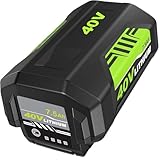
At the heart of Ryobi’s electric mower power lies its 40V lithium-ion battery system. The ’40V’ refers to the voltage, which is essentially the ‘pressure’ at which the electricity is delivered. Higher voltage generally means more power and the ability to drive more demanding tasks. However, when it comes to runtime – how long the mower can operate on a single charge – the key metric is amp-hours (Ah).
Think of voltage as the size of the pipe carrying water, and amp-hours as how much water can be held in a tank. A larger tank (higher Ah) will provide water for a longer duration, assuming the pipe size (voltage) remains consistent. Ryobi offers batteries in various Ah capacities, such as 2.0Ah, 4.0Ah, 5.0Ah, and even larger for their higher-end mowers or for users with extensive properties. A 2.0Ah battery will naturally offer less runtime than a 5.0Ah battery under identical conditions.
Battery Capacity Explained (ah)
- 2.0 Ah: Typically for smaller lawns or lighter-duty tasks. Offers the shortest runtime but is usually the lightest and quickest to charge.
- 4.0 Ah: A good balance for many suburban lawns. Provides a significant increase in runtime over 2.0Ah batteries.
- 5.0 Ah and Higher: Ideal for larger properties, thicker grass, or users who want maximum runtime and fewer battery swaps. These are often the batteries that come standard with larger or self-propelled Ryobi mowers.
It’s also worth noting that Ryobi’s ONE+ system, while known for its versatility across many tools, typically uses 18V batteries. While some smaller Ryobi electric mowers might utilize this system, the more powerful and common lawn mowers are part of the 40V line. If you have existing 18V Ryobi batteries, you’ll need to check if they are compatible with a specific mower model, but for dedicated lawn mowing, the 40V system is where the robust performance lies.
Beyond the Battery: Environmental and Usage Factors
While battery capacity is paramount, numerous other elements significantly influence how long your Ryobi mower will actually run. We’ve compiled the most impactful ones:
1. Grass Type and Condition
This is a big one! The resistance your mower blades encounter directly affects how hard the motor has to work, and thus, how quickly it drains the battery. Thick, tall, and wet grass demands significantly more power than short, dry, and sparse grass. If your lawn is a jungle after a period of neglect or a heavy rain, expect your battery runtime to be considerably shorter. Conversely, maintaining your lawn regularly with shorter mowing heights will extend your mowing time.
2. Mowing Height and Frequency
Related to grass condition, the height you set your mower plays a crucial role. Cutting off a large amount of grass in a single pass requires more energy than taking off just the tips. If you’re accustomed to mowing infrequently and letting your grass grow long, you’ll notice a faster battery drain. Regular mowing, even if it’s just a light trim, is more battery-efficient. (See Also: How Often Should I Water My Lawn in Michigan? Your Expert)
3. Terrain and Obstacles
Is your lawn flat as a pancake, or does it have slopes and inclines? Mowing on hills requires the motor to work harder, especially if the mower isn’t self-propelled. Even navigating around numerous trees, garden beds, or other obstacles can add to the motor’s workload as you constantly adjust speed and direction. These small bursts of extra effort accumulate and can reduce overall runtime.
4. Mower Model and Features
Not all Ryobi electric mowers are created equal. The motor size and efficiency can vary between models. More powerful motors, designed for larger yards or tougher conditions, might consume more power. Features like self-propulsion, while incredibly convenient, also draw power from the battery. A self-propelled mower will generally have a shorter runtime on the same battery compared to a push mower, as the drive system is an additional power consumer.
5. Battery Age and Health
Like all rechargeable batteries, Ryobi’s lithium-ion batteries have a finite lifespan. Over time and with repeated charge cycles, their capacity will gradually decrease. An older battery, even if it’s the same Ah rating as a new one, will not hold as much charge and will therefore provide less runtime. Proper care and maintenance can help prolong battery life, but eventually, replacement will be necessary.
6. Ambient Temperature
Extreme temperatures can affect battery performance. Very cold weather can reduce a battery’s efficiency and capacity, leading to shorter runtimes. Similarly, excessive heat can also impact performance and potentially shorten the battery’s lifespan if not managed correctly. It’s generally best to avoid mowing in extreme temperatures if possible, or at least store your batteries in a moderate environment.
7. Blade Condition
A dull or damaged blade creates more drag and requires the motor to work harder to cut the grass. This is akin to trying to cut paper with a dull pair of scissors – it’s inefficient and requires more effort. Sharpening your mower blades regularly is not only good for your lawn’s health (cleaner cuts promote faster healing) but also for maximizing your battery’s runtime.
Estimating Ryobi Mower Battery Runtime: What to Expect
Given all these variables, providing an exact runtime figure is challenging. However, we can offer some general estimates based on common Ryobi 40V mower models and battery capacities. These are guidelines and your experience may vary.
Runtime Estimates for Ryobi 40v Mowers
| Battery Capacity (Ah) | Estimated Runtime (Minutes) | Typical Lawn Size |
|---|---|---|
| 2.0 Ah | 15-25 | Small (up to 1/4 acre) |
| 4.0 Ah | 30-50 | Medium (1/4 to 1/2 acre) |
| 5.0 Ah | 40-60+ | Medium to Large (1/2 acre or more) |
| 6.0 Ah | 50-70+ | Large (3/4 acre or more) |
Note: These are approximate figures and assume typical mowing conditions (moderately thick, dry grass, flat terrain).
Example Scenario: Let’s say you have a Ryobi 20-inch 40V Brushless Mower and a 4.0Ah battery. For a well-maintained, relatively flat lawn of about 3000-4000 sq ft (roughly 1/10 to 1/8 acre) with dry, moderate grass, you might expect to get 30-45 minutes of mowing time. If your lawn is larger, or the grass is thicker and slightly damp, you might be looking at the lower end of that range, or even need a second battery. (See Also: How to Lower Calcium in Lawn: Fix High Ph & Improve Growth)
Maximizing Your Ryobi Mower Battery Life
Fortunately, there are several practical steps you can take to ensure you get the most out of every charge and prolong the overall life of your Ryobi mower batteries:
1. Invest in Multiple Batteries
This is the most straightforward solution for larger lawns or if you simply want peace of mind. Having a second or even third battery charged and ready means you can seamlessly swap them out when one runs low, allowing you to complete your entire lawn without interruption. Consider purchasing batteries in ‘kits’ or during sales events for better value.
2. Maintain Your Blades
As mentioned, sharp blades are crucial. Make it a habit to sharpen your mower blades at least once a season, or more often if you mow frequently or have particularly tough grass. A dull blade not only reduces runtime but also damages your grass.
3. Mow When the Grass Is Dry
Mowing damp or wet grass is a significant drain on any mower, electric or gas. Wait for the grass to dry out after rain or heavy dew. This will reduce the resistance your mower encounters.
4. Mow at an Appropriate Height and Frequency
Avoid letting your grass grow too long between mows. Aim for the ‘one-third rule’: never cut more than one-third of the grass blade’s height at a time. Regular mowing at a slightly higher setting is more energy-efficient than infrequent, aggressive cuts.
5. Clean Your Mower Regularly
Grass clippings and debris can build up around the mower deck and motor housing. Periodically clean your mower, especially the underside of the deck, to ensure good airflow and prevent unnecessary strain on the motor.
6. Proper Battery Storage and Charging
Lithium-ion batteries perform best when stored and charged within a moderate temperature range (typically 40°F to 70°F or 4°C to 21°C). Avoid leaving batteries in extreme heat (like a hot car or direct sunlight) or extreme cold for extended periods. Don’t fully discharge batteries regularly; it’s often better to recharge them when they reach a low level rather than running them completely dead. Also, ensure you are using the Ryobi-approved charger for your specific battery model.
7. Consider Battery Health Monitoring
Many modern Ryobi batteries have built-in indicators to show their charge level. Pay attention to these indicators. If you notice a significant and sudden drop in runtime from a battery that was previously performing well, it might be a sign of aging or a potential issue. Ryobi often offers warranties on their batteries, so check your documentation. (See Also: How Much Gas for Lawn Mower? Your Ultimate Guide!)
8. Optimize Your Mowing Path
While not a major factor, if you have a complex yard, planning your mowing path can help. Try to mow in a consistent direction where possible, and minimize unnecessary back-and-forth or sharp turns that can put extra strain on the motor.
When to Consider a Battery Upgrade or Replacement
As batteries age, their capacity diminishes. You’ll notice this as shorter runtimes, even under ideal conditions. If your battery consistently fails to last through your mowing session, and you’ve tried all the optimization tips, it might be time to consider:
- Purchasing a higher Ah battery for increased runtime on your next purchase.
- Replacing an old, worn-out battery. Check the warranty period for your battery, as Ryobi typically offers a limited warranty (often 3 years for 40V batteries).
The good news is that Ryobi’s battery system is designed for longevity, and with proper care, you can expect several years of reliable service from your batteries.
Ryobi Battery Compatibility: Ensuring You Have the Right Fit
A common question is about battery compatibility. Ryobi’s 40V batteries are generally interchangeable across their 40V lawn care products. This means a 40V battery that powers your Ryobi string trimmer or leaf blower will also power your Ryobi 40V lawn mower, provided it’s the correct voltage. Always double-check the voltage requirements for your specific mower model to ensure you’re using compatible batteries.
As for their 18V ONE+ system, while incredibly popular for smaller tools, it’s less common for full-sized lawn mowers. If you see a Ryobi mower that uses 18V batteries, it’s likely a smaller, more compact model designed for very small lawns or specific niche applications. For most standard lawn mowing needs, the 40V system is the standard.
Battery Management Systems (bms)
Modern lithium-ion batteries, including Ryobi’s, often incorporate sophisticated Battery Management Systems (BMS). These systems monitor and control the charging, discharging, and temperature of the battery to optimize performance and protect it from damage. This means your battery is actively managed to get the best possible runtime and lifespan.
You might notice your mower suddenly stop, even if the battery indicator shows some charge remaining. This is often the BMS protecting the battery from over-discharge, which can permanently damage it. In such cases, simply swapping to a fully charged battery is the solution.
Verdict: How Long Does a Ryobi Lawn Mower Battery Last?
Ultimately, how long a Ryobi lawn mower battery lasts is a dynamic figure, influenced by battery capacity, grass conditions, mowing habits, and battery age. While a 4.0Ah battery might give you 30-50 minutes on average for a medium lawn, this can fluctuate significantly. By understanding these factors and employing smart maintenance and usage strategies, you can maximize every charge and ensure your Ryobi mower consistently meets your lawn care needs.
Recommended Products